
 EN
EN


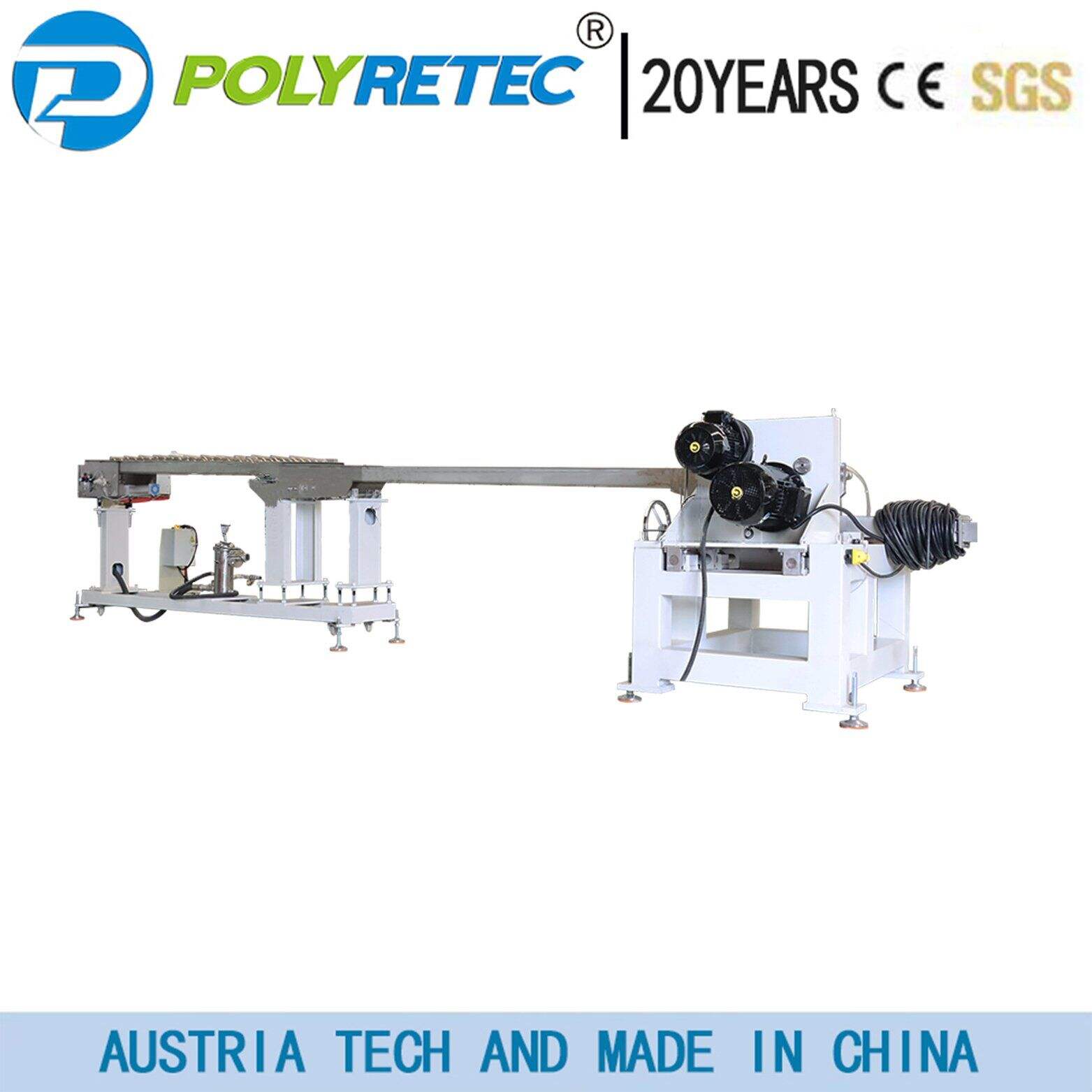
The PET bottle washing process represents a critical operation in plastic recycling infrastructure, transforming post-consumer waste into clean, reusable flakes ready for manufacturing applications. Understanding the key stages in this process enables recycling facilities to optimize material quality, operational efficiency, and economic returns while contributing to circular economy objectives. Each stage addresses specific contamination types and material preparation requirements that determine the final product's market value and application suitability.
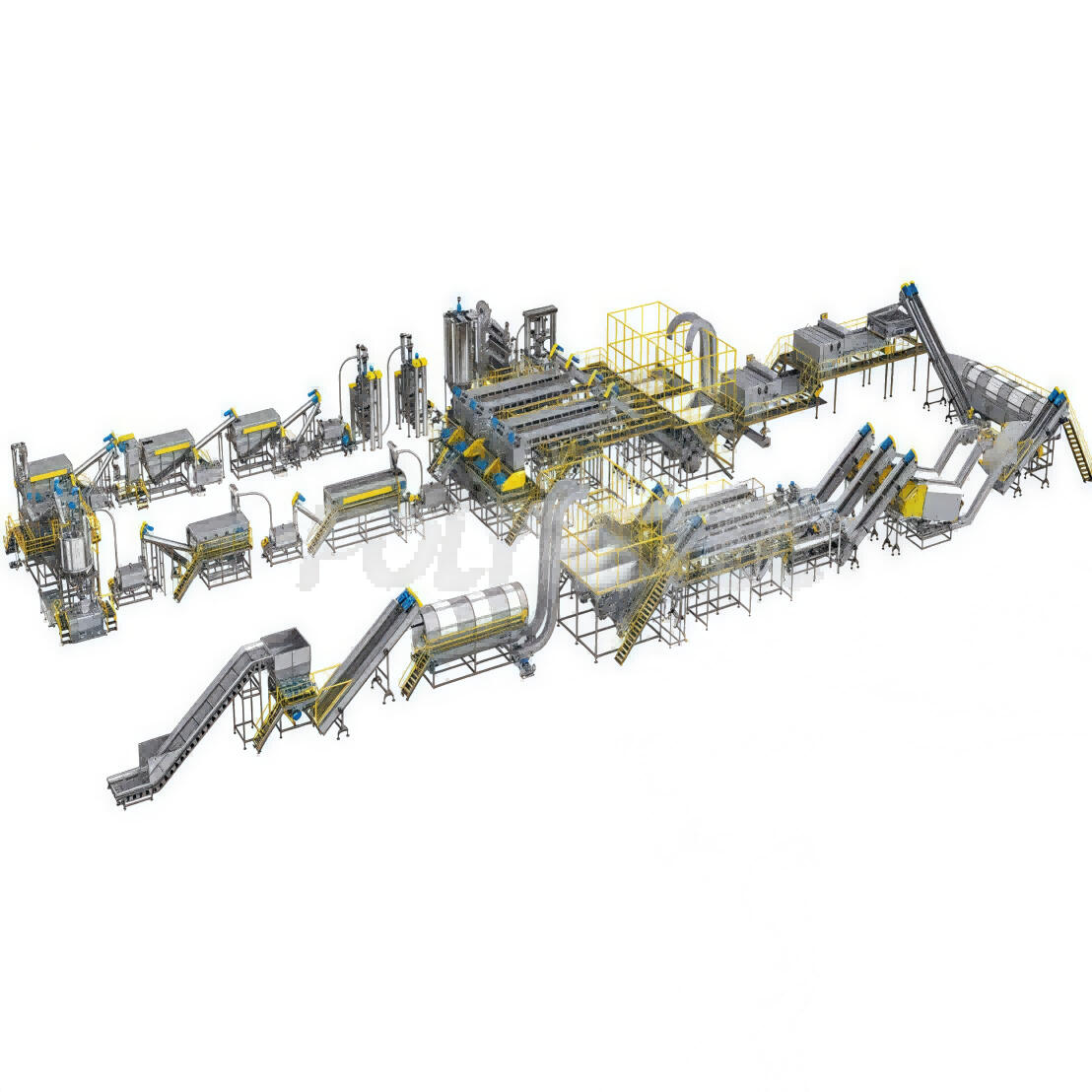
Modern recycling operations implement systematic washing sequences that address both visible and molecular contamination found on recovered bottles. The effectiveness of each stage in the PET bottle washing process directly influences downstream applications, from fiber production to food-grade bottle manufacturing. This comprehensive examination explores the sequential stages that professional recycling facilities employ to achieve consistent quality standards and maximize material recovery rates in industrial-scale operations.
Initial Material Reception and Preparation Stages
Sorting and Quality Control Entry Points
The PET bottle washing process begins with material reception where incoming bales undergo initial assessment for contamination levels and bottle types. Facilities typically establish acceptance criteria that reject loads containing excessive non-PET materials, hazardous substances, or moisture levels that complicate handling. This gatekeeping stage prevents processing inefficiencies and protects downstream equipment from damage caused by incompatible materials entering the washing line.
Manual and automated sorting systems separate PET bottles by color, primarily isolating clear, green, and mixed-color streams that command different market values. Color sorting at this early stage optimizes final flake quality since certain applications require color-specific feedstock. Advanced optical sorting technology identifies and removes bottles made from PVC, PP, or other polymers that would contaminate the PET bottle washing process if allowed to proceed through subsequent stages.
Quality control personnel remove obvious contaminants including metal, glass, textiles, and organic waste that could damage processing equipment or reduce wash efficiency. This manual intervention complements automated systems by catching irregularities that sensors might miss, particularly unusual container shapes or embedded foreign objects. Establishing rigorous intake standards at this stage significantly reduces processing costs and maintenance requirements throughout the entire washing operation.
Bale Breaking and Material Liberation
Compressed bales require mechanical liberation before bottles can enter the primary washing stages of the PET bottle washing process. Bale breakers employ rotating drums or conveyor systems with aggressive agitation to separate tightly compacted materials without causing excessive bottle fragmentation. This liberation step must balance material separation with preservation of bottle integrity, as severely damaged containers create small fragments that complicate subsequent washing and separation operations.
Debaling equipment often integrates initial screening to remove fine dust, paper fragments, and small debris that accumulates during transportation and storage. Removing these contaminants early prevents them from absorbing wash water and creating slurry that reduces cleaning efficiency in later stages. The material flow rate through debaling equipment must match the processing capacity of downstream washing stages to maintain continuous operation without bottlenecks or material backup.
Some advanced facilities incorporate pre-washing or dry cleaning steps immediately after bale breaking to remove loose surface dirt and reduce organic loading on main wash systems. This preliminary cleaning extends the effective operating time of primary wash tanks by preventing rapid accumulation of suspended solids that would otherwise require frequent water changes. Proper material preparation at this stage establishes optimal conditions for the core washing stages to achieve maximum contamination removal.
Label Removal and Size Reduction Operations
Label Separation Technologies
Label removal constitutes a crucial stage in the PET bottle washing process since adhesive-backed labels and shrink sleeves represent significant contamination sources. Mechanical label removers use friction, heat, or steam to loosen adhesive bonds and separate labels from bottle surfaces before size reduction. Steam tunnels prove particularly effective for removing shrink-wrap labels by causing them to contract and fall away from the bottle body without chemical intervention.
Perforated drum systems tumble bottles with controlled agitation intensity that strips labels through mechanical action while minimizing bottle breakage. The separated labels, being lighter than PET, can be removed through air classification or flotation systems before bottles proceed to granulation. Effective label removal at this stage prevents adhesive residue from contaminating wash water and reduces the organic load that washing systems must address.
Some PET bottle washing process configurations employ wet label removal where bottles receive brief water exposure to soften adhesives before mechanical separation. This hybrid approach combines the advantages of moisture-assisted adhesive weakening with mechanical removal efficiency. The choice between dry and wet label removal depends on the predominant label types in the feed material and the subsequent washing system design.
Granulation and Size Reduction Protocols
Size reduction through granulation transforms whole bottles into uniform flakes that present greater surface area for washing and enable more effective contamination removal. Granulators employ rotating blades and stationary knives to shear bottles into pieces typically ranging from 8 to 14 millimeters, though size specifications vary based on end-user requirements and washing system design. Consistent flake size improves washing efficiency and facilitates more reliable separation of PET from contaminant materials in subsequent density separation stages.
The granulation stage of the PET bottle washing process must consider moisture content, material throughput, and blade wear patterns that affect flake quality. Excessive fines generation creates material loss and complicates washing, while oversized pieces may not wash adequately. Screen sizes in the granulator discharge control maximum flake dimensions, while dust extraction systems remove fine particles that would otherwise burden washing systems.
Advanced granulation systems integrate metal detection to protect blades from bottle caps, rings, and other metallic contaminants that escaped earlier sorting. Blade geometry and rotational speed require optimization for PET's specific material properties to minimize energy consumption while achieving target flake characteristics. Regular blade maintenance ensures consistent particle size distribution throughout production runs, which directly impacts washing effectiveness and final product quality.
Primary Washing and Hot Wash Sequences
Cold Pre-Wash Treatment
The initial cold wash stage in the PET bottle washing process removes loose dirt, residual beverages, and water-soluble contaminants before materials enter heated washing zones. Cold water washing typically occurs in large tanks with mechanical agitation that suspends particles and allows them to be flushed away from flake surfaces. This preliminary cleaning extends the operational life of heated wash solutions by preventing excessive contamination buildup that would require more frequent solution changes.
Counter-current water flow designs optimize cold wash efficiency by directing cleanest water toward the discharge end where material exits, while accepting incoming flakes encounter more contaminated water that still provides substantial cleaning action. This configuration maximizes contamination removal while minimizing fresh water consumption. Residence time in cold wash tanks typically ranges from 5 to 15 minutes depending on incoming contamination levels and target cleanliness standards.
Settling zones within cold wash tanks allow heavy contaminants like glass, stones, and metal fragments to drop out while lighter materials like paper and labels float to the surface for skimming. This passive separation reduces the contamination load that heated washing stages must address. Some operations incorporate sand or abrasive particles in cold wash systems to enhance mechanical cleaning through gentle abrasive action on flake surfaces.
Heated Caustic Washing Operations
Hot caustic washing represents the most intensive cleaning stage in the PET bottle washing process, employing elevated temperatures and alkaline chemistry to remove organic residues, oils, and adhesives that cold water cannot eliminate. Sodium hydroxide solutions at concentrations between 1.5% and 3.5% combined with temperatures from 75°C to 85°C provide the chemical and thermal energy needed to saponify oils and dissolve adhesive residues bonded to flake surfaces.
The residence time in hot caustic wash tanks typically extends from 20 to 45 minutes to ensure adequate contact between cleaning solution and all flake surfaces. Aggressive mechanical agitation maintains material suspension and prevents flake aggregation that would shield interior surfaces from wash solution contact. The combination of chemical action, thermal energy, and mechanical movement achieves contamination removal levels that meet food-contact regulatory requirements when properly controlled.
Solution management in hot caustic washing requires careful monitoring of pH levels, caustic concentration, and total dissolved solids to maintain cleaning effectiveness. As wash solution becomes loaded with removed contaminants, its cleaning capacity diminishes, requiring periodic partial replacement or complete solution changes. Heat recovery systems capture thermal energy from discharged wash water to preheat incoming process water, significantly reducing the energy costs associated with this intensive washing stage.
Hot Rinse and Neutralization Stages
Following caustic washing, the PET bottle washing process requires thorough rinsing to remove residual alkaline chemicals from flake surfaces. Multiple rinse stages with progressively cleaner water ensure complete caustic removal, which is essential for downstream processing and end-product quality. Inadequate rinsing can leave alkaline residues that compromise melt processing properties during remanufacturing operations.
Hot rinse water, typically maintained at temperatures between 60°C and 75°C, provides more effective residue removal than cold water due to enhanced chemical dissolution and reduced solution viscosity. The thermal energy also initiates the drying process by heating flakes to temperatures where surface moisture evaporates more readily during subsequent mechanical dewatering. Some operations incorporate pH monitoring in final rinse stages to verify complete caustic removal before material proceeds to dewatering.
Certain PET bottle washing process configurations include a weak acid rinse or neutralization step to ensure pH-neutral final product, particularly when material is destined for food-contact applications with stringent purity requirements. This neutralization uses dilute acetic or citric acid solutions that react with any residual caustic while avoiding new contamination introduction. The neutralization stage, when employed, requires its own subsequent rinse to remove acid residues.
Density Separation and Contaminant Removal
Float-Sink Separation Principles
Density separation exploits the specific gravity differences between PET and common contaminants to achieve physical separation in the PET bottle washing process. PET flakes, with a density of approximately 1.38 to 1.40 g/cm³, sink in water while materials like polyolefin caps, labels, and polyethylene fragments float due to their lower density below 1.0 g/cm³. This fundamental physical property enables highly effective separation without chemical intervention.
Float-sink tanks incorporate controlled water flow patterns that allow PET to settle toward tank bottoms while lighter contaminants rise to the surface or remain suspended in the water column. Discharge points at different tank levels separately remove floating contaminants, suspended intermediate-density materials, and settled PET to achieve clean separation. Residence time and flow velocity require careful control to prevent PET losses to the float fraction while ensuring thorough contaminant removal.
Some advanced PET bottle washing process systems employ multiple-stage float-sink separation with progressively cleaner water in subsequent tanks to achieve contamination levels below 200 parts per million. The use of salt solutions to adjust water density can enhance separation of materials with similar densities, though this approach increases operating costs and wastewater treatment requirements. Proper float-sink design and operation typically removes 95% to 99% of polyolefin contamination from the PET stream.
Specialized Contaminant Rejection Systems
Beyond basic float-sink separation, the PET bottle washing process may incorporate additional contaminant removal technologies targeting specific problem materials. Optical sorting systems using near-infrared spectroscopy can identify and remove PVC fragments, colored PET pieces from clear PET streams, or other polymer contaminants that escaped earlier separation stages. These systems achieve contamination removal precision measured in parts per million, critical for high-value applications.
Electrostatic separation exploits differences in material conductivity to remove aluminum fragments from bottle caps and other metallic contaminants. As flakes pass through an electrostatic field, conductive materials acquire different charge characteristics than PET, enabling physical separation through charged plates or air jets. This technology proves particularly valuable for operations processing bottles with aluminum seals or metallic decorative elements.
Friction washing systems provide final mechanical cleaning through high-speed rotating discs or paddles that create intense agitation and particle-to-particle contact. This additional mechanical action removes any remaining surface contamination that survived earlier washing stages. The friction washing stage typically operates with clean water and minimal chemical addition, focusing on physical cleaning action to achieve final purity specifications.
Dewatering and Thermal Drying Operations
Mechanical Water Removal Technologies
Dewatering constitutes a critical stage in the PET bottle washing process, removing bulk water from washed flakes to prepare them for thermal drying. Centrifugal dryers employ rapid rotation to generate forces many times gravity, driving water from flake surfaces and interstitial spaces. Screen basket designs allow separated water to discharge while retaining flakes for continued drying, achieving moisture reduction from saturated conditions to approximately 2% to 5% moisture content.
Screw press dewatering systems provide an alternative mechanical approach using helical screws within perforated barrels to squeeze water from flake masses. The mechanical pressure forces water through screen openings while conveying flakes toward the discharge. Screw presses prove particularly effective for materials with complex geometry or aggregation tendencies that reduce centrifugal dryer effectiveness. The choice between centrifugal and screw press dewatering depends on material characteristics and target moisture specifications.
Effective mechanical dewatering significantly reduces the energy requirements for subsequent thermal drying in the PET bottle washing process. Each percentage point of moisture removed mechanically eliminates substantial thermal energy demand, directly improving process economics. Modern mechanical dryers achieve discharge moisture levels that allow some operations to eliminate or minimize thermal drying for applications that tolerate slightly elevated moisture content.
Thermal Drying and Final Moisture Control
Thermal drying applies heated air to remove remaining surface and absorbed moisture from PET flakes following mechanical dewatering. Hot air dryers circulate air heated to temperatures between 150°C and 180°C through fluidized beds or rotary drums containing the flakes. The combination of heat energy and air movement evaporates residual moisture, typically achieving final moisture content below 0.5% for applications requiring dry feedstock.
The residence time in thermal dryers ranges from 30 to 90 minutes depending on incoming moisture levels, drying temperature, and target final moisture specification. Longer residence times at moderate temperatures generally prove more energy-efficient than shorter high-temperature drying, though equipment sizing and throughput requirements influence dryer design choices. Temperature control prevents thermal degradation of PET, which begins to occur above 200°C under extended exposure.
Some PET bottle washing process configurations incorporate multi-stage drying with initial high-temperature moisture removal followed by lower-temperature conditioning to achieve uniform moisture distribution. This approach prevents case hardening where surface regions dry excessively while interior moisture remains trapped. Final moisture content verification through online monitoring or periodic sampling ensures consistent product quality and confirms readiness for packaging or direct feeding to remanufacturing processes.
Quality Verification and Product Packaging
Final quality control in the PET bottle washing process includes testing for contamination levels, moisture content, color consistency, and particle size distribution. Laboratory analysis of representative samples verifies that material meets customer specifications and regulatory requirements for intended applications. Testing protocols typically assess polyolefin contamination through float-sink analysis, adhesive residues through visual inspection, and intrinsic viscosity to confirm PET quality preservation through processing.
Color measurement ensures consistency within product grades, particularly important for clear flake production where color variation indicates contamination or degradation. Particle size analysis confirms granulation effectiveness and absence of excessive fines that reduce material value. Moisture content verification through loss-on-drying testing or online moisture analyzers confirms adequate drying for packaging and storage stability.
Washed and dried PET flakes typically receive packaging in bulk bags, gaylords, or direct loading into transportation containers for delivery to end users. Proper packaging protects material quality during storage and transport, preventing moisture reabsorption, contamination, or physical damage. Some operations offering premium grades incorporate additional screening or optical sorting immediately before packaging to guarantee specification compliance for demanding applications requiring ultra-clean feedstock.
FAQ
What determines the number of washing stages required in a PET bottle washing process?
The number of washing stages in a PET bottle washing process depends primarily on incoming material contamination levels and target final product quality specifications. Operations processing lightly contaminated bottles for non-food applications may require only three to four washing stages, while food-contact grade production typically demands six to eight stages including cold pre-wash, hot caustic washing, multiple rinse stages, and final cleaning steps. Material destined for bottle-to-bottle recycling requires the most intensive washing sequences to meet regulatory purity standards, while fiber applications accept less stringent cleaning protocols.
How does water quality affect PET bottle washing process efficiency?
Water quality significantly impacts washing effectiveness, with hardness, dissolved solids, and mineral content affecting detergent performance and equipment maintenance requirements. Hard water reduces caustic cleaning efficiency by forming insoluble compounds that precipitate on flake surfaces rather than removing contamination. Many operations employ water softening or reverse osmosis treatment to produce process water with controlled quality characteristics. Recycling and filtering wash water extends usable life while managing costs, though accumulating contaminants eventually require partial or complete solution replacement to maintain cleaning performance throughout the PET bottle washing process.
What temperature ranges prove most effective for hot caustic washing?
Hot caustic washing in the PET bottle washing process typically operates between 75°C and 85°C, balancing cleaning effectiveness against energy consumption and PET thermal stability. Temperatures below 70°C provide insufficient energy for effective oil saponification and adhesive dissolution, while temperatures exceeding 90°C risk PET degradation through hydrolysis, particularly under alkaline conditions. The optimal temperature depends on caustic concentration, residence time, and specific contamination types, with most operations standardizing around 80°C as a practical compromise delivering reliable cleaning performance without excessive energy costs or material quality risks.
Can a PET bottle washing process handle bottles with different label types simultaneously?
A well-designed PET bottle washing process effectively handles mixed label types including pressure-sensitive labels, shrink sleeves, and in-mold labels within the same processing run. The sequential washing stages address different adhesive chemistries and attachment methods, with mechanical label removal targeting shrink wraps, hot caustic washing dissolving pressure-sensitive adhesives, and float-sink separation removing label fragments regardless of original attachment method. However, extremely heavy adhesive applications or specialized label materials may reduce overall cleaning efficiency, potentially requiring feed material screening to limit problematic bottle types or adjustment of washing parameters to accommodate specific contamination challenges.
Table of Contents
- Initial Material Reception and Preparation Stages
- Label Removal and Size Reduction Operations
- Primary Washing and Hot Wash Sequences
- Density Separation and Contaminant Removal
- Dewatering and Thermal Drying Operations
-
FAQ
- What determines the number of washing stages required in a PET bottle washing process?
- How does water quality affect PET bottle washing process efficiency?
- What temperature ranges prove most effective for hot caustic washing?
- Can a PET bottle washing process handle bottles with different label types simultaneously?