
 EN
EN



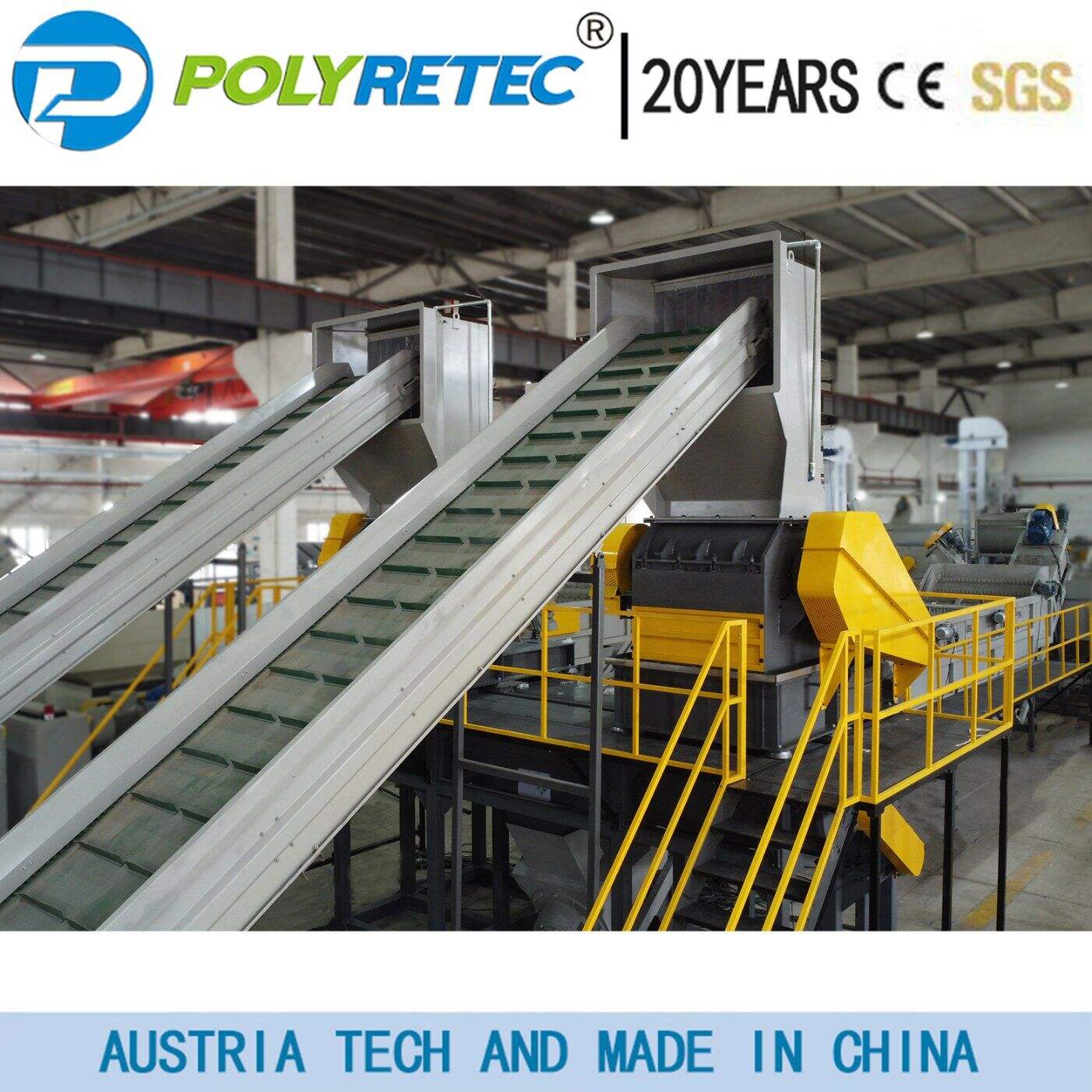
In the competitive landscape of plastic recycling and beverage manufacturing, the efficiency and reliability of washing equipment directly impact product quality, operational costs, and environmental compliance. A high-performance PET bottle washer represents a critical investment for facilities handling post-consumer PET containers, virgin bottle production lines, and bottle-to-bottle recycling operations. Understanding the defining features of superior washing systems enables procurement managers and plant engineers to make informed decisions that align with throughput requirements, contamination removal standards, and long-term operational sustainability.
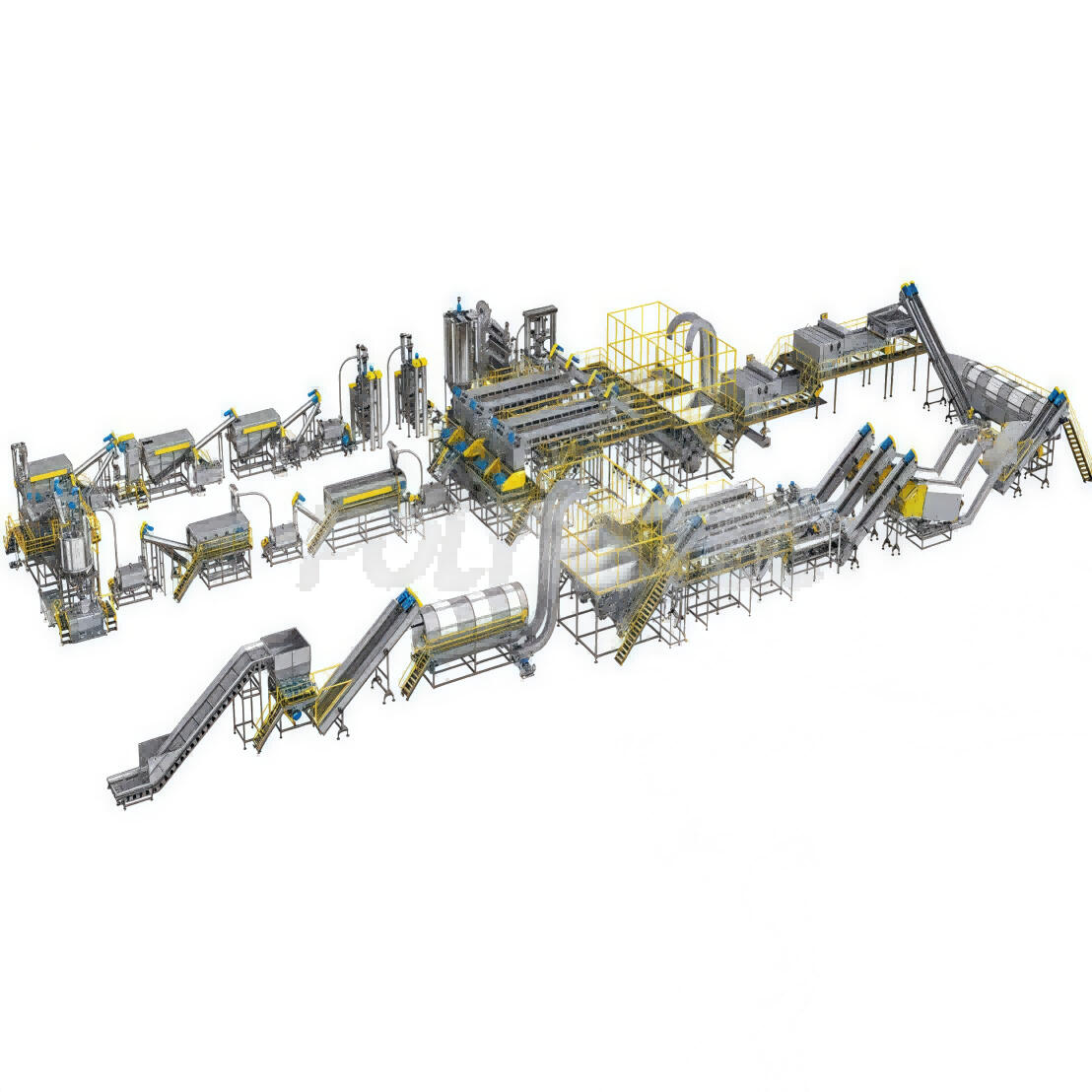
The distinction between basic washing equipment and genuinely high-performance systems lies in a combination of mechanical design, contamination removal capability, water management efficiency, and automation integration. These features collectively determine whether a PET bottle washer can consistently deliver the cleanliness standards required for food-grade recycled PET while maintaining energy efficiency and minimizing water consumption. This article examines the technical characteristics, operational parameters, and system components that separate industry-leading washing solutions from conventional alternatives, providing a comprehensive framework for evaluating equipment performance potential.
Advanced Contamination Removal Capabilities
Multi-Stage Washing Architecture
High-performance PET bottle washer systems incorporate a sequential washing architecture that addresses different contamination types through specialized treatment zones. The initial stage typically involves dry pre-cleaning to remove loose labels, dust, and external debris before bottles enter wet processing phases. This separation prevents contamination cross-transfer and reduces the burden on subsequent washing stages. Industrial-grade systems utilize friction washers with precisely engineered blade configurations that create controlled mechanical action against bottle surfaces without causing material degradation or excessive wear on the equipment itself.
The intermediate washing stages in premium systems employ hot caustic washing chambers where temperature, chemical concentration, and residence time are carefully calibrated to dissolve organic residues, adhesives, and beverage remnants. A distinguishing feature of superior PET bottle washer equipment is the ability to maintain consistent temperature profiles throughout the washing cycle, ensuring uniform treatment across all bottles regardless of feed rate variations. These systems incorporate insulated tanks with circulation pumps that continuously filter and reheat washing solutions, maintaining optimal chemical activity while preventing temperature drops that compromise cleaning effectiveness.
Label and Adhesive Removal Efficiency
The effectiveness of label separation and adhesive residue removal represents a critical performance indicator for any PET bottle washer. High-performance systems integrate specialized label strippers that combine mechanical agitation with chemical treatment to achieve near-complete label removal rates exceeding ninety-eight percent. These units feature adjustable retention times and variable intensity settings that can be optimized for different label types, including pressure-sensitive labels, shrink sleeves, and glued paper labels that present varying removal challenges.
Advanced adhesive removal capabilities depend on precisely controlled alkaline washing conditions combined with adequate mechanical scrubbing action. Superior PET bottle washer designs incorporate rotating drum sections with internal flights that lift and tumble bottles through the caustic solution, ensuring all surfaces experience consistent chemical exposure and mechanical contact. The integration of separate adhesive removal verification stages, where residual contaminants are detected and diverted for additional treatment, distinguishes high-performance systems from basic washing lines that lack quality assurance checkpoints.
Heavy Contamination Handling
Processing post-consumer PET bottles often involves handling containers with significant contamination levels, including beverage residues, oil-based substances, and atmospheric soiling accumulated during collection and storage. A robust PET bottle washer designed for demanding applications features oversized washing chambers with extended retention capabilities that allow heavily soiled bottles to receive adequate treatment without compromising throughput. These systems incorporate high-capacity filtration units that continuously remove separated contaminants from washing solutions, preventing recontamination and maintaining solution effectiveness throughout extended production runs.
The ability to handle variable contamination loads without requiring frequent system adjustments or cleandowns characterizes genuinely high-performance equipment. Advanced systems employ intelligent monitoring that tracks contamination accumulation rates and automatically adjusts chemical dosing, temperature setpoints, and mechanical intensity to compensate for feedstock quality variations. This adaptive capability ensures consistent output quality regardless of input material variability, a critical consideration for facilities processing mixed bale material or seasonally variable collection streams.
Water and Energy Management Systems
Closed-Loop Water Recycling
Water consumption represents both an operational cost factor and an environmental consideration in PET bottle washer operation. High-performance systems incorporate sophisticated water management architectures that dramatically reduce fresh water requirements through multi-stage recycling and counterflow washing configurations. In these designs, final rinse water cascades backward through preceding washing stages, progressively carrying away contaminants while maintaining the purity needed for final bottle surfaces. This counterflow principle allows a premium PET bottle washer to achieve thorough cleaning with fresh water consumption rates as low as one to two liters per kilogram of processed material.
Advanced water treatment subsystems integrated within leading washing lines include mechanical filtration, dissolved air flotation, and biological treatment stages that enable continuous water reuse without quality degradation. These systems monitor key water quality parameters including turbidity, chemical oxygen demand, and suspended solids concentration, automatically triggering makeup water addition or bleed-off cycles to maintain optimal washing conditions. The integration of these treatment technologies transforms a PET bottle washer from a linear water consumer into a closed-loop system with minimal environmental discharge requirements.
Thermal Energy Recovery
The energy required to heat washing solutions and rinse water typically represents the largest operational cost component in PET bottle washing. High-performance systems address this through comprehensive heat recovery architectures that capture thermal energy from hot process streams and redirect it to preheat incoming water. Plate heat exchangers positioned at discharge points transfer heat from spent washing solutions and final rinse streams to incoming process water, achieving energy recovery efficiencies exceeding seventy percent in optimized installations.
Superior PET bottle washer designs incorporate insulated piping, thermally efficient tank construction, and strategic process sequencing that minimizes heat loss throughout the washing cycle. Some advanced systems utilize heat pump technology to extract additional thermal energy from low-temperature waste streams, further reducing primary heating requirements. These energy management features collectively reduce the specific energy consumption to levels between two hundred and three hundred kilowatt-hours per ton of processed material, compared to conventional systems that may consume five hundred kilowatt-hours or more per ton.
Chemical Optimization and Monitoring
Effective contamination removal depends on maintaining precise chemical concentrations throughout the washing process, yet excessive chemical consumption increases operational costs and environmental impact. A well-engineered PET bottle washer incorporates automated chemical dosing systems with real-time monitoring that maintains optimal alkalinity, pH levels, and surfactant concentrations while minimizing reagent waste. These systems employ conductivity sensors, pH probes, and optical monitoring to continuously assess solution condition and trigger proportional chemical addition only when parameters drift outside specified ranges.
High-performance systems distinguish themselves through sophisticated chemical management that accounts for contamination loading, water quality variations, and process temperature effects on chemical activity. Advanced controllers calculate theoretical chemical consumption based on throughput rates and material characteristics, comparing actual usage against theoretical baselines to identify efficiency opportunities or process anomalies. This level of chemical management optimization typically reduces caustic consumption by fifteen to twenty-five percent compared to manual dosing approaches while delivering superior cleaning consistency.
Mechanical Design and Durability Features
Corrosion-Resistant Construction
The harsh operating environment within a PET bottle washer, characterized by hot alkaline solutions, abrasive material flows, and continuous mechanical action, demands exceptional material selection and fabrication quality. High-performance systems utilize stainless steel construction throughout wetted components, with grade selection appropriate to chemical exposure levels in each process zone. Critical wear surfaces incorporate hardened stainless alloys or specialized coatings that resist both chemical attack and mechanical erosion, extending component service life and reducing maintenance frequency.
Tank fabrication quality significantly influences system longevity and operational reliability. Premium PET bottle washer units feature fully welded construction with radiographic weld inspection, eliminating potential leak paths and structural weaknesses that compromise less rigorously manufactured equipment. Internal surfaces receive specialized finishing treatments that minimize particle adhesion and facilitate thorough cleaning during maintenance cycles, preventing contamination buildup that could affect product quality or harbor bacterial growth in systems handling food-contact materials.
Bearing and Drive System Engineering
Continuous operation under load with exposure to moisture, temperature extremes, and chemical vapors places extraordinary demands on bearing assemblies and drive components. Superior PET bottle washer designs isolate critical bearing housings from process environments through multiple seal stages, positive pressure barriers, and strategic positioning that minimizes exposure to harsh conditions. Drive systems incorporate oversized components with substantial service factors that ensure reliable operation even under peak loading conditions or material surge events.
High-performance systems utilize modular drive architectures with standardized components that simplify maintenance and reduce spare parts inventory requirements. Gear reducers, motor mounts, and coupling assemblies follow industry-standard configurations rather than proprietary designs, ensuring replacement components remain available throughout the equipment's operational lifespan. This design philosophy recognizes that even the most robust PET bottle washer requires periodic component replacement, and serviceability directly impacts long-term cost of ownership.
Throughput Capacity and Scalability
Processing capacity represents a fundamental specification, yet true high-performance systems demonstrate consistent throughput across varying material characteristics and contamination levels rather than achieving rated capacity only under ideal conditions. Advanced PET bottle washer designs incorporate variable-speed drives, adjustable retention zones, and configurable washing parameters that allow operators to optimize the balance between throughput and cleaning intensity based on actual material requirements and quality standards.
Scalability provisions distinguish systems designed for growing operations from equipment with fixed capacity limitations. Modular architectures allow capacity expansion through parallel washing lane addition or extended retention section integration without requiring complete system replacement. Some premium systems feature deliberately oversized conveying and handling components that support future throughput increases through control system adjustments and minor mechanical modifications rather than major reconstruction projects.
Automation and Control Integration
Process Monitoring and Data Acquisition
Comprehensive instrumentation transforms a basic washing machine into an intelligent PET bottle washer capable of self-optimization and predictive maintenance. High-performance systems incorporate distributed sensor networks monitoring temperatures, flow rates, pressure differentials, power consumption, and chemical concentrations throughout the process train. This data feeds into centralized control platforms that provide real-time visualization of system performance, trend analysis capabilities, and automated alarm generation when parameters deviate from established norms.
Advanced systems archive operational data in structured databases that support statistical process control, batch traceability, and performance benchmarking against historical baselines. This information infrastructure enables continuous improvement initiatives by quantifying the impact of process modifications, identifying optimization opportunities, and documenting compliance with quality standards. For facilities pursuing sustainability certifications or serving customers with stringent traceability requirements, the data management capabilities of a premium PET bottle washer provide essential documentation and verification capabilities.
Adaptive Process Control
Beyond basic programmable logic control, truly high-performance systems incorporate adaptive algorithms that automatically adjust operating parameters in response to changing conditions. These intelligent control strategies monitor key performance indicators including output cleanliness, energy consumption per unit mass, and water usage efficiency, continuously optimizing setpoints to maintain target performance while minimizing resource consumption. A sophisticated PET bottle washer equipped with adaptive control can automatically compensate for seasonal water temperature variations, feedstock contamination level changes, and gradual equipment wear without requiring operator intervention.
Machine learning integration represents an emerging frontier in washing system optimization. Advanced implementations analyze historical performance data to identify subtle correlations between operating parameters and output quality, developing predictive models that recommend optimal settings for specific material characteristics. While still evolving, these technologies demonstrate potential for extracting additional performance gains from existing equipment and reducing the expertise level required for effective system operation.
Remote Monitoring and Diagnostic Capabilities
Connectivity features that enable remote system access provide significant operational advantages, particularly for multi-site operations or facilities with limited local technical expertise. A modern PET bottle washer equipped with secure remote monitoring allows equipment suppliers, process engineers, and maintenance personnel to diagnose issues, adjust parameters, and verify performance without physical site presence. This capability accelerates troubleshooting, reduces downtime duration, and facilitates knowledge transfer between experienced specialists and local operating teams.
Predictive maintenance functionality leverages continuous monitoring data to identify developing issues before they cause unplanned shutdowns. Vibration analysis on rotating equipment, thermal imaging of electrical components, and trend analysis of power consumption patterns enable maintenance teams to schedule interventions during planned downtime windows rather than responding to emergency failures. For critical production assets like a high-capacity PET bottle washer, the operational continuity benefits of predictive maintenance often justify substantial technology investment.
Output Quality and Verification Systems
Cleanliness Standards and Testing Protocols
The ultimate measure of PET bottle washer performance lies in the cleanliness and purity of processed material. High-performance systems consistently achieve residual contamination levels below fifty parts per million for food-grade recycled PET applications, with some advanced installations reaching contamination levels below twenty parts per million through optimized process control and verification. These cleanliness standards require not only effective washing but also robust quality assurance processes that detect and segregate any bottles failing to meet specifications.
Inline quality monitoring represents a critical feature distinguishing premium systems from basic washing equipment. Optical sorting technologies integrated into discharge sections inspect individual bottles for residual labels, colored contaminants, or opaque substances that indicate inadequate cleaning. Material samples undergo automated testing for volatile organic compounds, heavy metals, and microbiological contamination based on programmed sampling intervals. A comprehensive PET bottle washer installation includes laboratory equipment for detailed compositional analysis, establishing the verification infrastructure necessary to maintain food-grade certification and customer quality agreements.
Consistency Across Production Runs
Achieving specified cleanliness in controlled testing conditions differs substantially from maintaining consistent quality throughout extended production campaigns with variable feedstock. High-performance systems demonstrate exceptional process stability, delivering uniform output quality regardless of input material variations, ambient temperature fluctuations, or minor equipment wear. This consistency stems from robust process control, adequate safety factors in system sizing, and comprehensive monitoring that detects incipient quality degradation before it affects product specifications.
Statistical process control methodologies applied to PET bottle washer operations quantify consistency through metrics like process capability indices and control chart analysis. Systems demonstrating high process capability maintain output parameters well within specification limits with minimal variation, indicating robust design and effective control implementation. This statistical stability provides confidence for downstream processing operations and supports quality certifications required for food-contact applications.
Material Loss Minimization
Every bottle lost during washing represents both material waste and revenue reduction. Premium PET bottle washer systems incorporate design features that minimize bottle breakage, material loss through screening operations, and rejection rates due to inadequate cleaning. Gentle handling throughout conveying sections, properly sized mesh screens that prevent bottle entrapment, and optimized washing parameters that avoid material stress all contribute to material recovery rates exceeding ninety-five percent in well-managed operations.
Advanced systems provide detailed accounting of material flows throughout the washing process, quantifying losses at each stage and enabling targeted improvement efforts. This transparency supports continuous improvement initiatives and provides economic justification for process optimization investments. For facilities processing thousands of tons annually, even marginal improvements in material recovery translate to substantial economic benefits that quickly offset equipment upgrade costs.
FAQ
What capacity range should facilities consider when selecting a PET bottle washer for recycling operations?
Capacity selection depends on material sourcing, market demand, and operational strategy. Entry-level recycling operations typically implement systems processing five hundred to one thousand kilograms per hour, suitable for regional collection programs or specialized material streams. Mid-scale facilities handling municipal collection contracts generally require systems in the one thousand to three thousand kilogram per hour range. Large integrated recycling complexes serving national markets or producing bottle-grade recycled PET for major consumer brands often specify systems exceeding five thousand kilograms per hour. When evaluating capacity requirements, facilities should account for realistic operating efficiency, planned maintenance downtime, and potential future expansion rather than selecting equipment sized exactly to current throughput needs.
How do hot wash and cold wash PET bottle washer systems compare in contamination removal effectiveness?
Hot wash systems operating at temperatures between seventy and eighty-five degrees Celsius deliver substantially superior contamination removal, particularly for organic residues, oils, and adhesive materials that resist cold water treatment. The elevated temperature enhances chemical activity, accelerates contaminant dissolution, and improves label separation efficiency. Cold wash systems consuming less energy may suffice for lightly contaminated bottles from controlled collection streams but generally cannot achieve the cleanliness standards required for food-grade recycled PET production. Most high-performance installations utilize hot caustic washing as the core treatment stage, potentially incorporating ambient temperature pre-wash and rinse stages where appropriate. The energy cost differential between hot and cold washing typically represents a minor component of overall processing economics when considering the quality premium and market access advantages of thoroughly cleaned material.
What maintenance intervals and service requirements apply to high-performance PET bottle washer equipment?
Preventive maintenance schedules for industrial washing systems typically include daily inspection of seals, screens, and conveying components, with lubrication and minor adjustments performed weekly. Monthly maintenance involves detailed inspection of drive components, bearing condition assessment, and calibration verification for process monitoring instruments. Quarterly service includes comprehensive examination of wear surfaces, replacement of consumable components like friction washer blades, and detailed cleaning of tanks and piping systems. Annual maintenance encompasses major component overhaul, thermal insulation inspection, structural integrity assessment, and complete control system functional testing. Actual maintenance requirements vary based on operating hours, material characteristics, and water quality, with systems processing heavily contaminated post-consumer material requiring more intensive service than those handling clean production scrap. Facilities should budget approximately two to four percent of equipment capital cost annually for routine maintenance and consumable component replacement.
Can existing basic washing lines be upgraded to high-performance specifications through retrofit modifications?
Retrofit feasibility depends on the existing system's fundamental architecture and structural condition. Basic upgrades including improved process control, enhanced monitoring instrumentation, and optimized chemical management can be implemented on most platforms, delivering meaningful performance improvements at moderate cost. More substantial enhancements such as additional washing stages, integrated water treatment systems, or comprehensive automation upgrades require careful evaluation of structural capacity, utility availability, and economic justification compared to new equipment acquisition. Systems with sound mechanical construction but outdated control systems often represent excellent retrofit candidates, while equipment suffering from corrosion, inadequate capacity, or fundamental design limitations may warrant replacement rather than incremental upgrade investment. Professional assessment by experienced process engineers provides the technical and economic analysis necessary for informed retrofit versus replacement decisions.
Table of Contents
- Advanced Contamination Removal Capabilities
- Water and Energy Management Systems
- Mechanical Design and Durability Features
- Automation and Control Integration
- Output Quality and Verification Systems
-
FAQ
- What capacity range should facilities consider when selecting a PET bottle washer for recycling operations?
- How do hot wash and cold wash PET bottle washer systems compare in contamination removal effectiveness?
- What maintenance intervals and service requirements apply to high-performance PET bottle washer equipment?
- Can existing basic washing lines be upgraded to high-performance specifications through retrofit modifications?