
 EN
EN



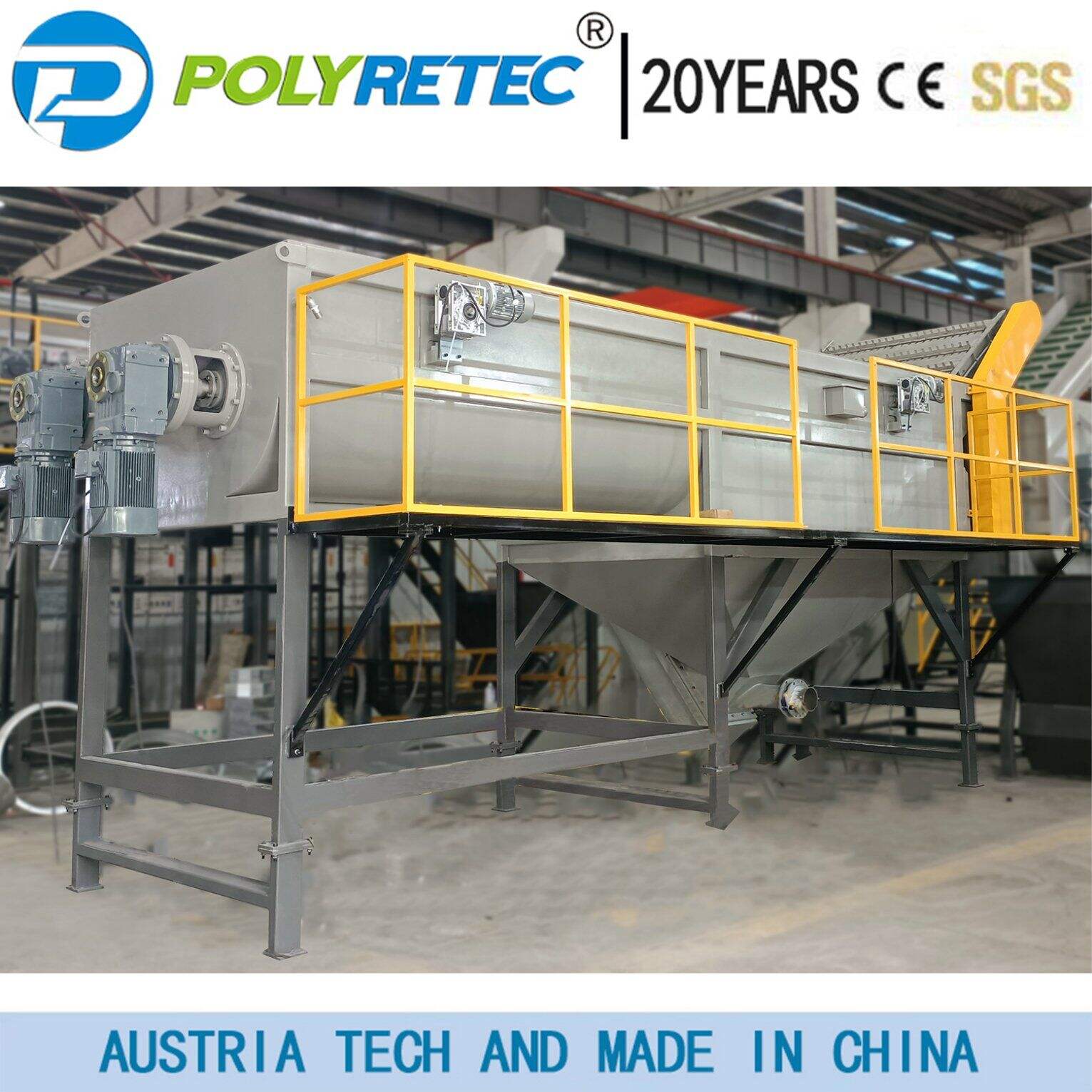
Achieving consistent and stable output from a PET recycling machine is essential for manufacturers seeking to maintain product quality, optimize operational efficiency, and meet production targets in competitive markets. Whether you operate a fiber-to-fiber recycling system or a bottle-to-flake processing line, output stability directly influences throughput rates, material quality, energy consumption, and overall profitability. Understanding the technical variables, operational protocols, and maintenance strategies that govern machine performance enables recycling facilities to minimize downtime, reduce waste, and deliver uniform recycled PET materials that meet stringent industry specifications.
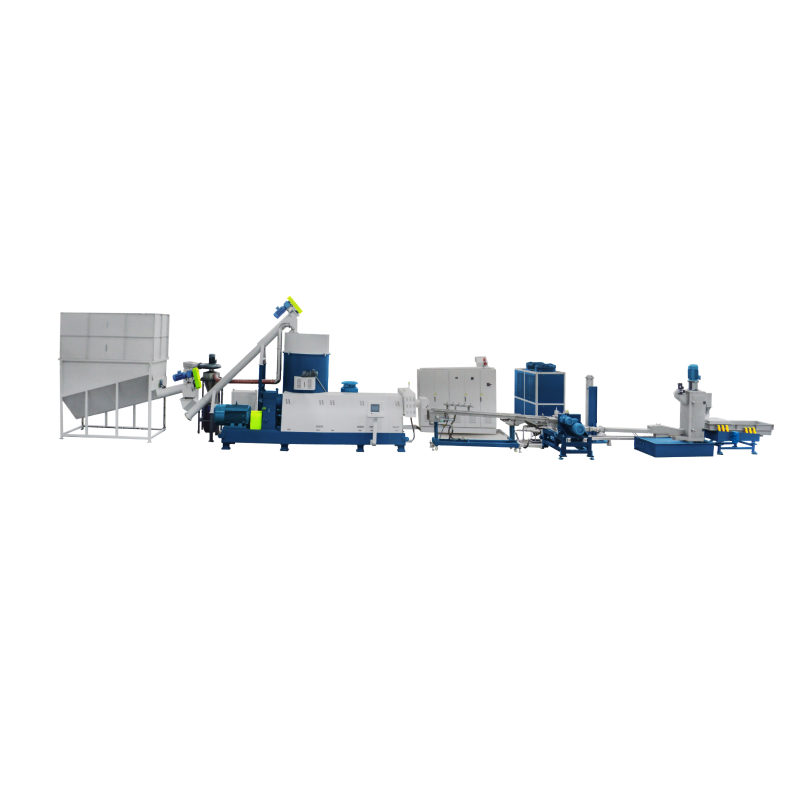
Stability in PET recycling operations depends on multiple interconnected factors including feedstock quality control, precise temperature management, equipment calibration, contamination prevention, and systematic maintenance scheduling. Modern PET recycling machines incorporate advanced process controls, real-time monitoring systems, and automated adjustment mechanisms designed to compensate for input variations and maintain consistent output characteristics. By implementing comprehensive operational strategies that address material preparation, process parameter optimization, equipment reliability, and quality assurance protocols, recycling facilities can achieve the stable production performance necessary for long-term business success and customer satisfaction in the circular economy.
Understanding Critical Process Parameters for Output Stability
Temperature Control Throughout the Recycling Process
Temperature management represents one of the most critical factors affecting output stability in any PET recycling machine. The crystallization behavior, viscosity changes, and molecular degradation of PET materials are highly temperature-sensitive, requiring precise thermal control across washing, drying, melting, and extrusion stages. Fluctuations in processing temperatures can lead to inconsistent melt flow rates, variable intrinsic viscosity levels, and unpredictable material properties in the final recycled product. Advanced recycling systems employ multi-zone heating elements with independent temperature controllers, allowing operators to maintain optimal thermal profiles that accommodate variations in input material characteristics while preserving polymer integrity.
For fiber-to-fiber applications, maintaining temperatures within narrow tolerance ranges during the melting and spinning processes ensures uniform fiber diameter, consistent tensile strength, and reliable dyeability in the finished textile products. Temperature deviations of even five to ten degrees Celsius can cause significant variations in crystallinity and orientation, affecting downstream processing and end-product performance. Implementing closed-loop temperature control systems with rapid response capabilities allows the PET recycling machine to automatically compensate for ambient temperature changes, material throughput variations, and equipment heat loss, thereby maintaining the thermal stability essential for consistent output quality.
Pressure and Flow Rate Optimization
Maintaining stable pressure profiles and controlled flow rates throughout the processing stages significantly impacts the consistency of output from a PET recycling machine. Pressure fluctuations in extruders, pumps, and filtration systems can cause variations in material residence time, mixing efficiency, and degassing effectiveness, leading to inconsistent melt quality and unpredictable product characteristics. Modern recycling equipment incorporates pressure transducers and flow meters that continuously monitor system performance, providing real-time data to control systems that adjust pump speeds, valve positions, and drive frequencies to maintain target parameters regardless of input variations or system disturbances.
The relationship between pressure, flow rate, and output stability becomes particularly critical in melt filtration stages where contamination removal efficiency depends on maintaining consistent pressure differentials across filter screens. Inadequate pressure control can result in breakthrough of contaminants during high-flow periods or excessive material loss during low-flow conditions. By establishing optimal pressure and flow rate setpoints based on material characteristics and production requirements, operators can ensure that the PET recycling machine delivers stable throughput with consistent contamination levels, supporting downstream processing efficiency and product quality specifications.
Residence Time Management and Material Handling
Controlling material residence time within various processing stages of a PET recycling machine directly influences output stability by ensuring consistent treatment duration for thermal conditioning, chemical reactions, and physical transformations. Variations in residence time can lead to incomplete drying, inconsistent decontamination, variable intrinsic viscosity restoration, or unpredictable crystallization behavior in the recycled material. Advanced systems employ precise feed rate control, constant screw speed regulation, and optimized barrel geometry to maintain consistent material advancement through each processing zone, ensuring that every particle receives uniform treatment regardless of batch-to-batch input variations.
Material handling systems that minimize segregation, prevent bridging, and ensure consistent feeding rates contribute significantly to output stability. Surge hoppers with level sensors, vibrating feeders with variable frequency drives, and gravimetric dosing systems help maintain steady material flow into the PET recycling machine, preventing the feed rate fluctuations that can cascade through downstream processes and compromise output consistency. Proper material handling also prevents the formation of agglomerates, fines accumulation, and moisture reabsorption that would otherwise introduce additional variability into the recycling process.
Implementing Effective Feedstock Quality Control
Input Material Specification and Sorting
Establishing rigorous feedstock specifications and implementing thorough sorting protocols form the foundation for stable output from any PET recycling machine. Input material variations in polymer type, color distribution, contamination levels, moisture content, and particle size create process disturbances that challenge even the most sophisticated control systems. Facilities achieving the highest output stability typically implement multi-stage sorting procedures that combine automated detection technologies such as near-infrared spectroscopy, X-ray fluorescence, and optical color sorting with manual quality checks to ensure feedstock consistency before materials enter the recycling process.
Defining acceptable ranges for critical input parameters including intrinsic viscosity, contamination thresholds, moisture levels, and color consistency enables operators to reject batches that fall outside specifications before they disrupt production. Many successful recycling operations maintain separate processing protocols for different feedstock grades, adjusting machine parameters to match material characteristics rather than attempting to process all inputs under identical conditions. This approach recognizes that stable output results from matching process conditions to material properties, allowing the PET recycling machine to operate within its optimal performance envelope consistently.
Contamination Removal and Material Preparation
Comprehensive contamination removal during material preparation stages prevents process disruptions and quality variations that compromise output stability. Foreign materials including paper labels, adhesives, polyolefin caps, aluminum components, and PVC contaminants introduce unpredictable variables into the recycling process, causing equipment fouling, melt flow inconsistencies, and quality defects in the finished product. Effective preparation systems incorporate multiple removal stages including density separation, air classification, metal detection, and hot caustic washing to eliminate contaminants before materials enter critical processing equipment.
The thoroughness of contamination removal directly correlates with downstream process stability in the PET recycling machine. Residual contaminants can cause sudden changes in melt viscosity, unexpected pressure spikes in filtration systems, die buildup in extrusion operations, and crystallization disturbances during solid-state processing. Implementing quality control checkpoints after each preparation stage allows operators to verify contamination removal effectiveness and make adjustments before materials enter the main recycling line, preventing the downstream consequences that would otherwise destabilize output consistency and product quality.
Moisture Control and Pre-Drying Protocols
Maintaining strict moisture control in feedstock materials proves essential for stable PET recycling machine operation since even small amounts of residual moisture can cause hydrolytic degradation, viscosity loss, and quality inconsistencies in the recycled polymer. PET materials are hygroscopic and readily absorb atmospheric moisture during storage and handling, making comprehensive pre-drying protocols critical for process stability. Modern recycling facilities employ dedicated drying systems with desiccant dehumidification, temperature-controlled drying chambers, and continuous moisture monitoring to ensure that materials entering the melting stages contain less than fifty parts per million residual moisture.
The relationship between moisture content and output stability extends beyond simple material degradation to encompass effects on process parameters including extruder pressure profiles, melt temperature consistency, and filtration efficiency. Moisture vaporization within processing equipment creates pressure fluctuations, foam formation, and localized cooling that disrupt stable operation. By implementing validated drying protocols with continuous moisture verification and establishing clear acceptance criteria before materials enter the PET recycling machine, facilities eliminate one of the primary sources of process variability and output inconsistency.
Optimizing Equipment Configuration and Maintenance
Regular Calibration and Sensor Verification
Systematic calibration of sensors, instruments, and control systems ensures that the PET recycling machine operates based on accurate process data and responds appropriately to changing conditions. Temperature sensors, pressure transducers, flow meters, level indicators, and analytical instruments all experience drift over time, potentially causing control systems to maintain incorrect setpoints or respond inappropriately to process variations. Establishing calibration schedules based on manufacturer recommendations, regulatory requirements, and historical performance data prevents measurement errors from accumulating and compromising output stability.
Beyond basic calibration, implementing sensor redundancy and cross-verification protocols provides additional assurance of measurement accuracy and process control reliability. Critical measurement points benefit from dual sensors with independent signal processing, allowing control systems to identify sensor failures or measurement inconsistencies before they impact production. Regular verification of control loop performance through step-change tests, disturbance rejection analysis, and setpoint tracking evaluation ensures that the PET recycling machine maintains responsive and stable control even as equipment ages and operating conditions evolve.
Preventive Maintenance Scheduling and Wear Monitoring
Implementing comprehensive preventive maintenance programs based on equipment runtime, processing conditions, and historical failure modes prevents unexpected breakdowns and gradual performance degradation that destabilize output from a PET recycling machine. Wear components including screw flights, barrel liners, filter screens, seals, bearings, and drive belts require scheduled inspection and replacement before failure to maintain consistent processing conditions. Advanced maintenance strategies incorporate predictive technologies such as vibration analysis, thermal imaging, oil analysis, and ultrasonic testing to identify developing problems before they cause production disruptions.
The economic benefits of preventive maintenance extend beyond avoiding unplanned downtime to encompass the output quality advantages of operating equipment in optimal condition. Worn screws create inconsistent mixing and variable residence times, degraded filters allow contamination breakthrough, failing bearings introduce vibration that affects process stability, and worn seals permit air infiltration that compromises material quality. By maintaining equipment in like-new condition through scheduled component replacement and proactive intervention, recycling facilities ensure that their PET recycling machine delivers the stable performance necessary for consistent output quality and production efficiency.
System Integration and Control Architecture
Modern PET recycling machines incorporate sophisticated control systems that integrate multiple process variables, implement advanced control algorithms, and provide operators with comprehensive process visibility for maintaining stable output. Distributed control systems with programmable logic controllers, human-machine interfaces, and supervisory control and data acquisition capabilities enable coordinated management of temperature zones, motor speeds, flow rates, and quality parameters across all processing stages. Proper configuration of control system architecture with appropriate response times, tuning parameters, and alarm limits ensures stable operation without excessive oscillation or delayed response to process disturbances.
Integration of quality measurement systems directly into process control loops enables real-time adjustment of operating parameters based on actual output characteristics rather than relying solely on indirect process measurements. Online viscosity monitoring, color measurement, contamination detection, and moisture analysis provide feedback that allows the PET recycling machine to automatically compensate for input variations and maintain target product specifications. This closed-loop quality control approach represents a significant advancement over traditional open-loop operation, delivering superior output stability by continuously optimizing process conditions based on measured results.
Establishing Operational Best Practices
Standard Operating Procedures and Process Documentation
Developing detailed standard operating procedures that document proven practices for startup, steady-state operation, material changes, and shutdown sequences ensures consistent execution by different operators and across multiple production shifts. Process documentation should specify parameter setpoints, acceptable operating ranges, response protocols for common disturbances, and quality verification requirements that collectively define stable operation of the PET recycling machine. Regular review and updating of procedures based on operational experience, equipment modifications, and continuous improvement initiatives keeps documentation relevant and effective.
Beyond basic procedures, implementing operator training programs that emphasize understanding of process fundamentals, recognition of stability indicators, and appropriate response to developing issues enhances human contribution to output consistency. Skilled operators who understand the relationships between process variables can identify subtle changes that precede major disturbances, make minor adjustments that prevent problems from escalating, and maintain stable production through routine variations in material characteristics and operating conditions. This combination of documented procedures and operator competency creates the operational foundation for reliable PET recycling machine performance.
Quality Monitoring and Statistical Process Control
Implementing systematic quality monitoring programs with statistical process control methodologies provides quantitative evidence of output stability and early warning of developing process problems. Regular sampling and testing of recycled PET materials for intrinsic viscosity, color parameters, contamination levels, moisture content, and mechanical properties generates data that reveals process capability and identifies trends toward specification limits. Control charts, capability indices, and trend analysis enable proactive intervention before output quality deteriorates beyond acceptable limits.
The discipline of statistical process control extends beyond quality measurement to encompass systematic investigation of special cause variations, implementation of corrective actions, and verification of improvement effectiveness. When output characteristics deviate from established control limits or exhibit non-random patterns, structured problem-solving methodologies identify root causes and guide implementation of permanent solutions. This systematic approach to maintaining process stability ensures that the PET recycling machine operates in a state of statistical control, delivering predictable output characteristics that meet customer requirements consistently.
Continuous Improvement and Performance Optimization
Adopting continuous improvement methodologies that systematically identify and eliminate sources of variability drives ongoing enhancement of output stability from PET recycling machines. Regular review of production data, quality metrics, maintenance records, and operator feedback reveals opportunities for parameter optimization, equipment upgrades, procedural refinements, and technology adoption that enhance stability. Improvement initiatives may address anything from refined material preparation protocols to advanced control algorithm implementation, each contributing incrementally to more consistent operation.
Benchmarking performance against industry standards, equipment manufacturer specifications, and historical best performance establishes targets that guide improvement efforts and measure progress. Facilities that achieve superior output stability typically employ structured improvement frameworks that prioritize initiatives based on potential impact, implementation feasibility, and resource requirements. This systematic approach to optimization recognizes that stability improvement represents an ongoing journey rather than a destination, with each enhancement building on previous gains to deliver increasingly consistent performance from the PET recycling machine.
FAQ
What are the most common causes of output instability in PET recycling machines?
The most frequent causes of unstable output include inconsistent feedstock quality with varying contamination levels and moisture content, inadequate temperature control leading to viscosity fluctuations, worn equipment components affecting mixing and conveying efficiency, improper maintenance scheduling causing unexpected failures, insufficient operator training resulting in inappropriate responses to process variations, and poor material handling creating feed rate inconsistencies. Addressing these root causes through comprehensive quality control, preventive maintenance, operator development, and process optimization typically resolves the majority of stability issues in PET recycling operations.
How often should critical components in a PET recycling machine be replaced?
Replacement intervals for critical components depend on processing conditions, material characteristics, operating hours, and manufacturer recommendations, but general guidelines include inspecting and potentially replacing extruder screws and barrels every twelve to eighteen months depending on material abrasiveness, changing melt filters when pressure drop exceeds specified limits or at predetermined intervals, replacing seals and gaskets annually or when leakage is detected, servicing bearings according to manufacturer schedules typically ranging from six to twelve months, and replacing drive belts and chains based on visual inspection and tension measurements. Facilities processing highly contaminated or abrasive materials may require more frequent component replacement, while those with superior feedstock preparation may extend intervals beyond standard recommendations.
Can automated control systems completely eliminate output variations?
While advanced control systems significantly reduce output variations and improve stability compared to manual operation, they cannot completely eliminate all variability due to inherent limitations in sensor accuracy, control response time, and the physical nature of polymer processing. Modern PET recycling machines with sophisticated control architectures typically maintain output parameters within plus or minus two to three percent of target values under normal operating conditions, representing substantial improvement over the five to ten percent variations common with basic control systems. Achieving optimal stability requires combining automated controls with high-quality feedstock, proper equipment maintenance, and skilled operator oversight rather than relying solely on automation to compensate for all sources of process variability.
What role does feedstock pre-processing play in achieving stable machine output?
Feedstock pre-processing plays a fundamental role in output stability by eliminating input variability before materials enter critical processing stages of the PET recycling machine. Comprehensive preparation including sorting for polymer purity, contamination removal through washing and separation, moisture reduction via controlled drying, and size reduction for consistent particle dimensions creates uniform input that allows processing equipment to operate under consistent conditions. Facilities investing in thorough pre-processing typically achieve significantly better output stability, higher product quality, reduced equipment wear, and lower overall processing costs compared to operations that attempt to handle variable feedstock through the main recycling line, demonstrating that upstream quality control represents the most effective strategy for ensuring consistent performance.
Table of Contents
- Understanding Critical Process Parameters for Output Stability
- Implementing Effective Feedstock Quality Control
- Optimizing Equipment Configuration and Maintenance
- Establishing Operational Best Practices
-
FAQ
- What are the most common causes of output instability in PET recycling machines?
- How often should critical components in a PET recycling machine be replaced?
- Can automated control systems completely eliminate output variations?
- What role does feedstock pre-processing play in achieving stable machine output?