
 EN
EN




Maintaining a pelletizer in optimal working condition requires a systematic approach that balances preventive care, timely interventions, and operator diligence. The pelletizer serves as a critical component in polymer processing facilities, transforming molten or viscous materials into uniform pellets for downstream applications. Without consistent maintenance routines, even the most advanced pelletizer models can experience unexpected downtime, reduced output quality, and accelerated wear on key components. Understanding the specific maintenance requirements for your pelletizer system enables production teams to minimize disruptions, extend equipment lifespan, and maintain product consistency across production runs.
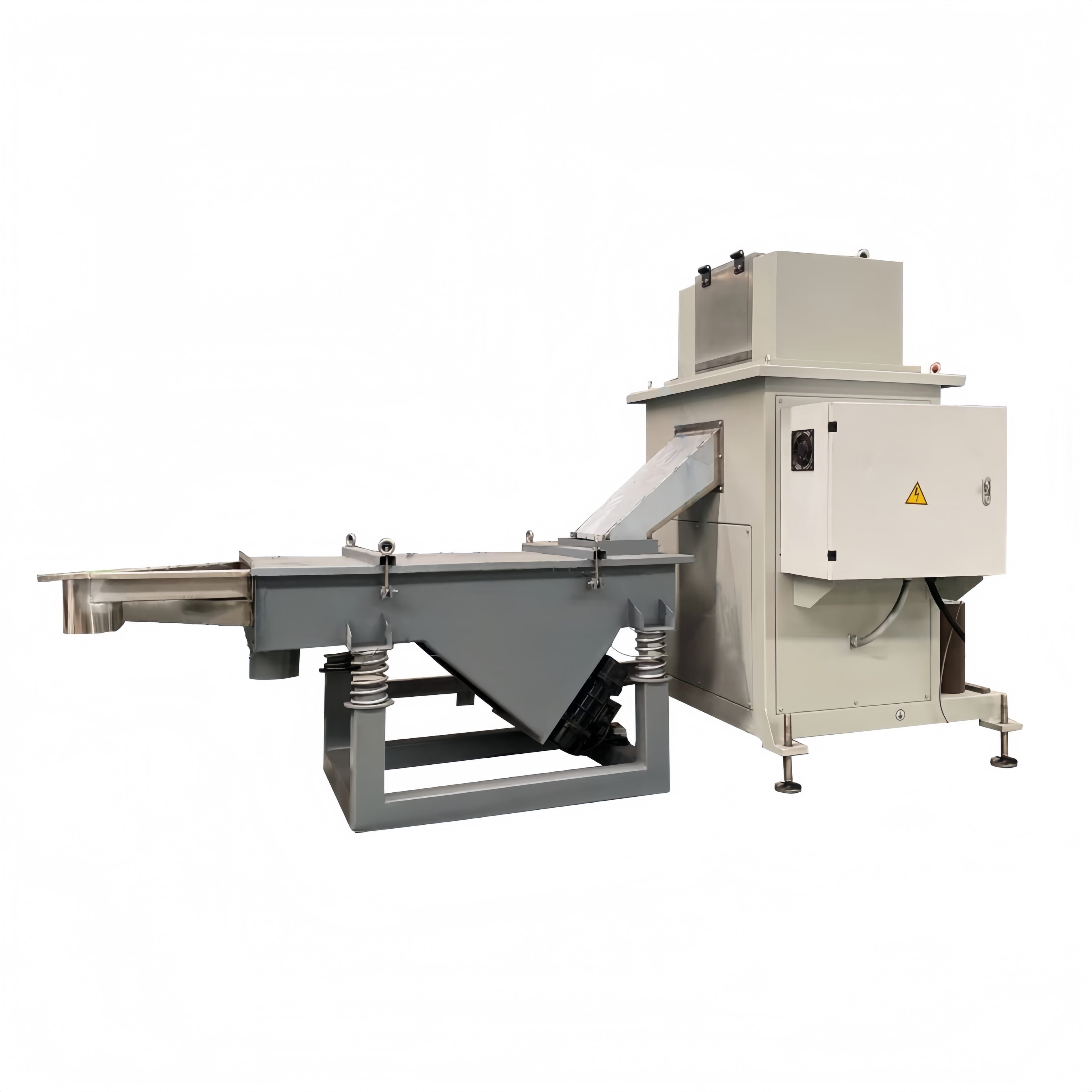
The complexity of pelletizer maintenance stems from the equipment's multifaceted operation, which involves mechanical cutting, thermal management, hydraulic systems, and precise motor coordination. Each subsystem demands tailored care protocols that address specific wear patterns and operational stresses. Establishing comprehensive maintenance routines for your pelletizer not only safeguards production schedules but also provides valuable insights into equipment performance trends, enabling data-driven decisions about upgrades, part replacements, and process optimization. This detailed exploration examines the essential maintenance routines that keep pelletizer systems running smoothly, from daily operator checks to quarterly deep-dive inspections.
Daily Operational Checks for Pelletizer Reliability
Visual Inspection Protocols
Daily visual inspections form the foundation of effective pelletizer maintenance, allowing operators to detect early warning signs before they escalate into costly failures. Begin each shift by examining the cutting chamber for material buildup, which can indicate improper blade positioning or suboptimal water flow in underwater pelletizing systems. Check for oil leaks around gearbox seals and hydraulic connections, as even minor seepage can signal seal degradation that requires immediate attention. The pelletizer housing should be inspected for unusual vibrations or temperature variations that deviate from normal operating parameters.
Examine the die face condition through observation windows or during brief shutdown periods, looking for polymer deposits, die hole blockages, or surface discoloration that suggests thermal imbalances. Verify that all safety guards remain securely fastened and that emergency stop mechanisms respond correctly when tested. Document any anomalies in the shift log, creating a historical record that helps maintenance teams identify recurring issues or progressive deterioration patterns. This systematic visual approach enables operators to catch approximately sixty percent of potential pelletizer problems before they impact production quality.
Temperature and Pressure Monitoring
Continuous monitoring of temperature and pressure readings provides critical insights into pelletizer health and process stability. Record inlet melt temperature, die plate temperature, and cooling water temperature at regular intervals throughout each shift, comparing these values against established baseline parameters for your specific polymer grade. Significant temperature deviations often indicate heater element degradation, thermocouple failure, or cooling system inefficiencies that require corrective action. Pressure readings at the extruder discharge and die plate inlet should remain within specified ranges, with sudden spikes suggesting screen pack contamination or die hole restrictions.
For water-ring pelletizer configurations, monitor the water supply pressure and return temperature to ensure adequate cooling capacity and proper circulation. Hydraulic system pressure should remain stable during blade positioning adjustments, with pressure drops indicating potential pump wear or fluid contamination. Modern pelletizer control systems often feature automated data logging capabilities, but manual verification remains essential for catching sensor drift or control system malfunctions. Establishing tight temperature and pressure control windows helps maintain consistent pellet quality while protecting the pelletizer from thermal stress and mechanical overload.
Lubrication System Verification
Daily lubrication checks ensure that all moving components within the pelletizer receive adequate protection against friction and wear. Verify lubricant levels in gearbox reservoirs, bearing housings, and automatic lubrication system tanks, topping off as necessary with manufacturer-specified grades. Inspect automatic lubrication dispensers to confirm proper cycling and distribution to all designated lubrication points, checking for clogged delivery lines or failed metering pumps. The pelletizer cutting assembly requires particular attention, as bearing surfaces operate under high loads and elevated temperatures that accelerate lubricant breakdown.
Monitor lubricant condition by examining samples for discoloration, particle contamination, or unusual odors that indicate oxidation or water infiltration. Clean or replace inline filters in centralized lubrication systems according to differential pressure readings or manufacturer intervals. For manually lubricated points, follow the prescribed schedule strictly, as missed lubrication cycles can lead to rapid bearing degradation and catastrophic failure. Proper lubrication maintenance extends pelletizer component life by reducing friction, dissipating heat, and preventing corrosive wear from process materials.
Weekly Maintenance Procedures for Pelletizer Systems
Cutting Blade Inspection and Adjustment
Weekly blade inspections allow maintenance teams to assess cutting edge condition and make necessary adjustments before pellet quality deteriorates. Remove the blade assembly according to safety lockout procedures and examine each cutting edge under magnification for chips, rounding, or irregular wear patterns. Measure blade-to-die gap using precision feeler gauges, ensuring uniform clearance across the entire die face that prevents pellet tails and reduces fines generation. The pelletizer blade geometry must maintain precise specifications, as deviations impact cutting efficiency and increase motor load.
Rotate or replace blades when edge wear exceeds manufacturer tolerances, typically indicated by increased motor current draw or declining pellet appearance. Clean blade mounting surfaces thoroughly before reinstallation, removing polymer residue and verifying that mounting bolts torque to specified values. Check blade balance and alignment using dial indicators, particularly on high-speed pelletizer designs where dynamic imbalance accelerates bearing wear. Document blade condition, rotation frequency, and replacement dates to establish predictive maintenance schedules based on actual wear rates rather than arbitrary time intervals.
Die Plate Cleaning and Condition Assessment
Weekly die plate maintenance prevents gradual performance degradation caused by polymer buildup and hole deterioration. Remove the die plate during scheduled production breaks and soak in appropriate cleaning solvents that dissolve carbonized polymer deposits without damaging the hole geometry. Use soft brass brushes or ultrasonic cleaning equipment to clear individual die holes, avoiding abrasive tools that can enlarge hole diameters or create surface roughness. Inspect die plate thickness for erosion patterns that suggest uneven melt flow or localized thermal stress within the pelletizer system.
Measure critical die hole dimensions using pin gauges or optical measurement systems, replacing plates when hole enlargement exceeds five percent of nominal diameter or when hole shape becomes significantly elliptical. Check die plate flatness using precision straightedges and feeler gauges, as warpage creates inconsistent blade contact and pellet quality variations. For heated die plates, verify heater element resistance and thermocouple accuracy to ensure proper temperature distribution across the die face. Maintaining die plate integrity directly impacts pelletizer output quality and processing efficiency.
Cooling System Maintenance
Weekly cooling system maintenance ensures adequate heat removal capacity for consistent pelletizer operation. Inspect water filters and strainers, cleaning or replacing elements when differential pressure rises above recommended thresholds. Check cooling water flow rates at key circuit branches, verifying that each pelletizer component receives specified flow volumes for effective temperature control. Examine heat exchanger surfaces for scale buildup or biological fouling that reduces thermal transfer efficiency, scheduling chemical cleaning when thermal performance declines.
For closed-loop cooling systems, test coolant concentration and pH levels, adjusting additive levels to maintain corrosion protection and prevent microbial growth. Verify cooling tower operation, including fan performance, fill media condition, and bleed-off rates that control dissolved solids concentration. Inspect all cooling water piping for leaks, corrosion, or flow restrictions that compromise pelletizer thermal management. Temperature control stability directly affects pellet crystallinity, moisture content, and bulk density, making cooling system reliability essential for product consistency.
Monthly Deep Maintenance Activities
Drive System Inspection and Alignment
Monthly drive system maintenance addresses mechanical components that experience continuous operational stress within the pelletizer assembly. Inspect motor mounting bolts and coupling connections for proper torque and alignment, using laser alignment tools to verify that shaft centerlines remain within specified tolerances. Check motor insulation resistance using megohmmeter testing, identifying winding degradation before catastrophic failure occurs. Examine drive belts or chain drives for wear, proper tension, and alignment, adjusting or replacing components that show signs of fatigue or damage.
Analyze motor current signatures during normal operation, comparing actual draw against nameplate ratings and historical trends to detect developing mechanical binding or electrical issues. Inspect variable frequency drive components, including cooling fans, control boards, and power terminals for dust accumulation, loose connections, or thermal stress indicators. The pelletizer drive system must maintain precise speed control and torque delivery, making regular assessment critical for preventing unexpected production interruptions and maintaining consistent pellet dimensions.
Gearbox and Bearing Service
Monthly gearbox maintenance involves comprehensive lubrication analysis and mechanical condition assessment. Draw oil samples from gearbox sumps for laboratory analysis, testing for viscosity breakdown, particle contamination, and wear metal concentrations that indicate internal component degradation. Perform vibration analysis on gearbox housings and bearing supports using spectrum analyzers to detect gear mesh issues, bearing defects, or shaft misalignment before damage becomes severe. The pelletizer gearbox operates under substantial loads that accelerate wear when lubrication or alignment conditions deteriorate.
Inspect gearbox breather vents and seals for proper function, ensuring adequate pressure equalization without allowing moisture or contaminant ingress. Check bearing housing temperatures using infrared thermography, identifying hot spots that suggest inadequate lubrication or developing bearing failure. Replace gearbox oil according to condition monitoring results or manufacturer intervals, using flushing procedures that remove degraded lubricant and wear particles. Verify backlash measurements on accessible gear sets, documenting progressive wear patterns that inform replacement planning.
Hydraulic System Maintenance
Monthly hydraulic system service maintains the precision control required for pelletizer blade positioning and screen changers. Test hydraulic fluid condition through laboratory analysis or onsite test kits, measuring viscosity, acid number, and particle count to determine remaining service life. Clean or replace hydraulic filters according to differential pressure indicators or manufacturer schedules, examining used filter elements for contamination sources. Inspect hydraulic cylinders for rod scoring, seal leakage, or drift under load that suggests internal wear requiring rebuild or replacement.
Verify accumulator precharge pressures and bladder integrity, testing pressure relief valves for proper setpoint and seal condition. Check hydraulic pump performance by measuring flow rates and pressure outputs under various load conditions, comparing results against baseline specifications. Examine all flexible hydraulic hoses for cracking, bulging, or abrasion damage, replacing components that approach their service life limits. The pelletizer hydraulic system demands clean fluid and leak-free operation to maintain the precise blade positioning necessary for quality pellet production.
Quarterly and Annual Maintenance Programs
Complete System Shutdowns and Inspections
Quarterly maintenance shutdowns enable comprehensive pelletizer inspections that cannot be performed during normal operation. Disassemble cutting chamber components for thorough cleaning and dimensional verification, measuring all critical clearances and wear surfaces against engineering specifications. Inspect internal water passages in underwater pelletizer systems for scale buildup or erosion that affects cooling efficiency. Remove and inspect all guards, covers, and access panels, verifying structural integrity and proper fit that maintains safety protection.
Perform electrical system testing, including insulation resistance measurements, ground continuity verification, and control circuit functionality checks. Test all safety interlocks and emergency stop systems under actual operating conditions, confirming proper response times and fail-safe operation. Calibrate temperature sensors, pressure transducers, and flow meters against certified reference standards, adjusting or replacing instruments that drift beyond acceptable accuracy ranges. These comprehensive shutdowns provide opportunities to address accumulated minor issues before they compound into major failures that compromise pelletizer reliability.
Predictive Maintenance Technology Integration
Advanced maintenance programs incorporate predictive technologies that forecast pelletizer component failures before they occur. Implement vibration monitoring systems that continuously track bearing condition, gear mesh quality, and rotating assembly balance through permanent accelerometer installations. Use thermographic imaging during quarterly inspections to create thermal baseline maps of pelletizer components, identifying progressive hot spots that indicate developing mechanical or electrical problems. Acoustic emission monitoring detects crack propagation and surface degradation in critical structural components that experience cyclic loading stresses.
Oil analysis programs provide trending data on lubricant condition and wear particle generation, enabling condition-based gearbox rebuilds rather than arbitrary time-based overhauls. Motor current signature analysis identifies rotor bar defects, winding shorts, and mechanical loading abnormalities that precede motor failure. Integrating these predictive technologies with computerized maintenance management systems creates comprehensive pelletizer health profiles that optimize maintenance timing, reduce spare parts inventory, and minimize unplanned downtime through proactive intervention.
Documentation and Continuous Improvement
Effective maintenance routines depend on thorough documentation that captures equipment history, failure patterns, and corrective action effectiveness. Maintain detailed maintenance logs that record all inspections, adjustments, repairs, and part replacements with precise timestamps and technician identification. Photograph component conditions during disassembly and reassembly, creating visual records that support failure analysis and training programs. Track mean time between failures for critical pelletizer components, using statistical analysis to identify chronic problem areas requiring design modifications or operating parameter adjustments.
Conduct quarterly maintenance review meetings that analyze recent failures, evaluate preventive maintenance effectiveness, and identify improvement opportunities. Compare pelletizer performance metrics across similar production lines to benchmark maintenance practices and share best practices. Update maintenance procedures based on field experience and manufacturer technical bulletins, ensuring that documented routines reflect current best practices. This continuous improvement approach transforms maintenance from reactive crisis management into proactive reliability engineering that maximizes pelletizer uptime and production efficiency.
FAQ
How often should pelletizer cutting blades be replaced?
Pelletizer cutting blade replacement frequency depends on processed material abrasiveness, operating conditions, and blade material quality. Most operations replace or rotate blades every one to three months under normal conditions, with abrasive-filled compounds requiring more frequent changes. Monitor motor current draw and pellet tail formation as practical indicators that blade sharpness has degraded below acceptable levels. Implementing a blade rotation schedule extends overall blade life by distributing wear across multiple cutting edges before complete replacement becomes necessary.
What are the signs that a pelletizer die plate needs replacement?
Die plate replacement becomes necessary when hole diameters enlarge beyond five percent of nominal size, hole patterns become significantly elliptical, or pellet length variation exceeds quality specifications. Visual indicators include severe erosion around individual holes, crack formation near bolt holes or edges, and permanent warpage that prevents flat seating against the pelletizer housing. Increased fines generation and irregular pellet shapes signal die plate degradation even before dimensional measurements confirm wear. Maintaining spare die plates with different hole patterns enables quick changeovers when processing different polymer grades or responding to wear-related quality issues.
Can pelletizer maintenance be performed while production continues?
Most routine pelletizer maintenance requires production shutdown for safety and access reasons, though some monitoring and external inspections can occur during operation. Daily visual checks, temperature readings, and vibration monitoring happen continuously without interrupting production. Weekly blade changes and die plate cleaning necessitate brief scheduled shutdowns, typically coordinated with material changeovers or production breaks. Design pelletizer systems with quick-change features and standardized tooling to minimize downtime during routine maintenance activities. Monthly and quarterly deep maintenance always requires complete shutdown with proper lockout-tagout procedures to ensure technician safety.
What spare parts inventory should be maintained for pelletizer systems?
Essential spare parts inventory for pelletizer operations includes multiple sets of cutting blades in various wear states for rotation programs, at least one spare die plate matching primary production requirements, and complete seal kits for hydraulic cylinders and gearbox shafts. Stock critical wear items including bearings for all shaft positions, drive belts or chains, and temperature sensors that fail unexpectedly. Maintain spare heater elements for heated die systems and common pneumatic or hydraulic valve components. The specific inventory depth depends on pelletizer criticality, supplier lead times, and acceptable downtime risk tolerance, with most operations maintaining sufficient parts for immediate response to common failure modes.