
 EN
EN



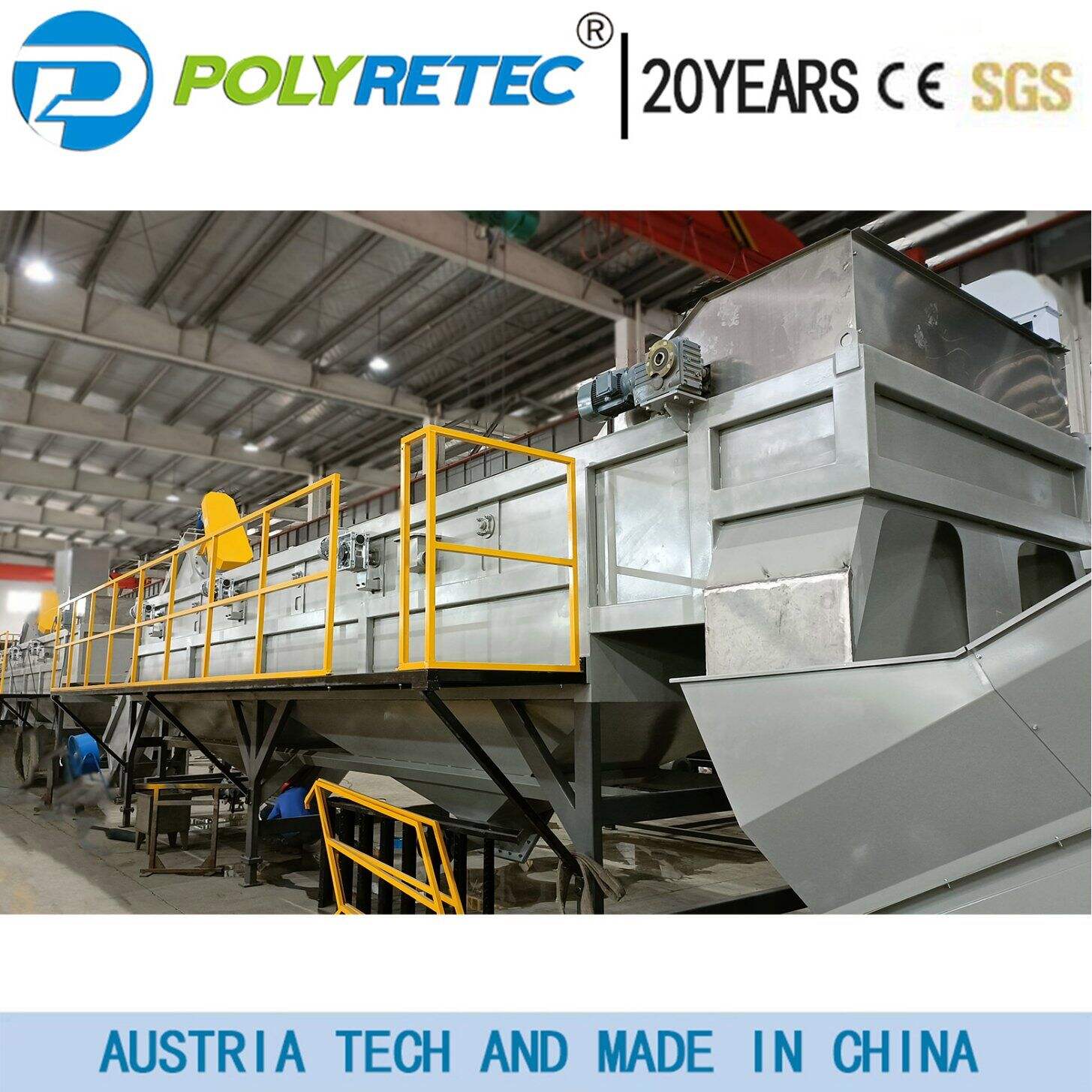
Plastic pelletizing recycling machines are essential industrial assets that convert waste plastic materials into reusable pellets, enabling manufacturers to contribute to circular economy initiatives while reducing raw material costs. However, like all complex manufacturing equipment, these machines can experience operational challenges that disrupt production efficiency, compromise pellet quality, and increase maintenance costs. Understanding how to systematically troubleshoot plastic pelletizing recycling machines is critical for plant managers, maintenance engineers, and production supervisors who need to minimize downtime and maintain consistent output quality in their recycling operations.
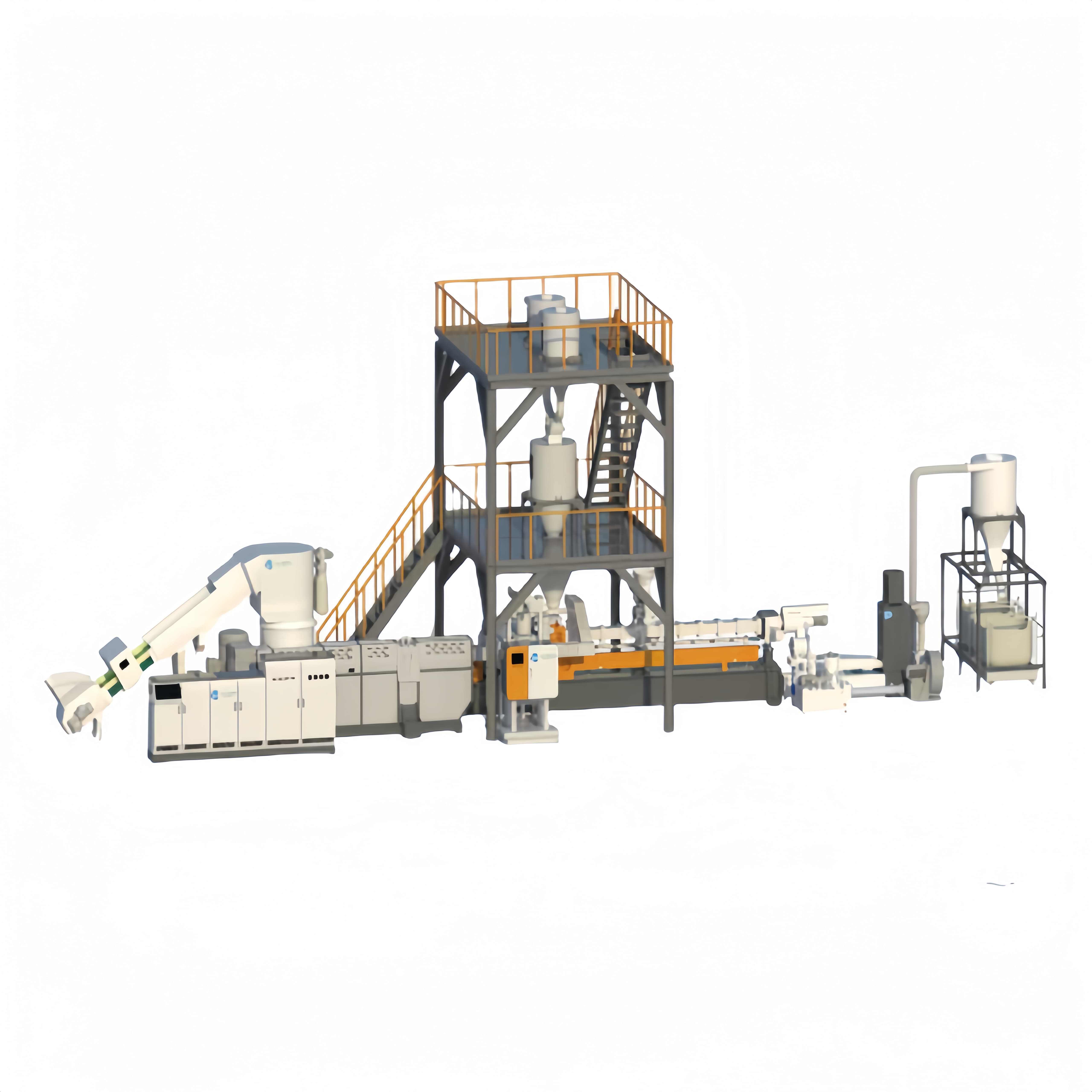
This comprehensive guide addresses the most common technical problems encountered in plastic pelletizing recycling machines, providing actionable diagnostic strategies and practical solutions. Whether you are dealing with inconsistent pellet dimensions, motor overload conditions, feed rate irregularities, or thermal processing issues, this article equips you with the systematic troubleshooting framework necessary to identify root causes quickly and implement effective corrective measures. By mastering these troubleshooting techniques, operations teams can extend equipment lifespan, improve product consistency, and maximize the return on investment from their recycling infrastructure.
Understanding Common Operational Failures in Plastic Pelletizing Systems
Feed System Irregularities and Material Blockages
Feed system problems represent one of the most frequent operational challenges in plastic pelletizing recycling machines. When the material feeding mechanism fails to deliver a consistent flow of plastic waste into the extruder, the entire pelletizing process becomes unstable. These irregularities often manifest as intermittent material starvation, where the screw operates without sufficient plastic, or as complete blockages that halt production entirely. The root causes typically include moisture contamination in the feedstock, improper material preparation, or mechanical wear in the feeding auger components.
Diagnosing feed system issues requires careful observation of the material flow pattern and systematic inspection of the feed hopper, screw feeder, and transition zones. Operators should first verify that the incoming plastic waste meets the recommended moisture content specifications, as excessive moisture can cause bridging in the hopper or clumping in the feed throat. Visual inspection of the feed screw for worn flights or damaged surfaces is essential, since even minor wear can significantly reduce material transport efficiency. Additionally, checking the alignment between the feed hopper and the extruder barrel helps identify misalignment issues that create dead zones or preferential flow patterns.
Corrective actions for feed system problems depend on the specific failure mode identified during diagnosis. For moisture-related issues, implementing pre-drying procedures or installing inline moisture reduction systems can resolve the problem. When mechanical wear is detected, replacing worn feed screw components or refurbishing the feed throat surfaces restores proper material flow. In cases where material preparation is inadequate, adjusting the size reduction equipment or modifying the screening process ensures that only properly sized plastic fragments enter the pelletizing system, preventing blockages and maintaining consistent throughput.
Extruder Motor Overload and Power Consumption Anomalies
Motor overload conditions in plastic pelletizing recycling machines signal underlying mechanical or process problems that demand immediate attention. When the extruder motor draws excessive current or trips on thermal overload protection, production stops and the risk of motor damage increases significantly. These overload situations typically result from excessive material throughput, improper screw speed settings, contamination in the plastic feedstock, or mechanical resistance caused by worn barrel surfaces or damaged screw elements. Understanding the relationship between motor load and process parameters is fundamental to effective troubleshooting.
Systematic diagnosis of motor overload begins with measuring actual current draw against the motor nameplate specifications during normal operation. If the current exceeds design limits, operators should progressively reduce feed rate while monitoring motor load to determine whether the overload is throughput-related or caused by mechanical resistance. Inspecting the discharge pressure at the die head provides additional diagnostic information, as abnormally high pressures indicate flow restrictions that force the motor to work harder. Temperature profile analysis along the extruder barrel can reveal localized cooling system failures or material degradation that increases melt viscosity and motor load.
Resolving motor overload conditions requires addressing the identified root cause through targeted interventions. When excessive throughput is the culprit, recalibrating feed rate controls to match the machine's rated capacity prevents recurrence. For contamination issues, improving feedstock sorting and screening processes eliminates hard contaminants that jam between screw flights and barrel walls. In situations where mechanical wear has increased operating torque, scheduling barrel and screw refurbishment or replacement becomes necessary. Additionally, optimizing the temperature profile to reduce melt viscosity without compromising pellet quality can lower motor load while maintaining production rates.
Temperature Control Deviations and Thermal Processing Problems
Maintaining precise temperature control throughout the barrel zones is critical for producing consistent, high-quality pellets from plastic pelletizing recycling machines. Temperature deviations from setpoints can cause numerous processing problems, including incomplete melting, thermal degradation, inconsistent melt viscosity, and poor pellet formation. These thermal control issues may stem from heater element failures, thermocouple malfunctions, cooling system inadequacies, or controller programming errors. Since different plastic types require specific thermal processing windows, temperature problems directly impact both product quality and machine reliability.
Troubleshooting temperature control problems begins with verifying the accuracy of temperature measurement devices. Using calibrated reference thermometers to check actual barrel surface temperatures against controller displays identifies faulty thermocouples or measurement circuit problems. Next, inspecting the performance of individual heating zones helps pinpoint specific heater band failures or power supply issues. Operators should also evaluate cooling system effectiveness by checking coolant flow rates, fan operation, and heat exchanger cleanliness, as inadequate cooling capacity prevents proper temperature regulation even when heating elements function correctly.
Corrective strategies for temperature control issues depend on whether the problem originates in heating, cooling, or measurement systems. Replacing failed heater bands or thermocouples restores accurate temperature control when sensor or heating element failures are confirmed. For cooling system deficiencies, cleaning clogged coolant passages, replacing worn pump components, or upgrading cooling capacity addresses the root cause. When controller programming errors are identified, reconfiguring PID parameters or updating control algorithms optimizes temperature stability. Implementing preventive maintenance schedules for thermal system components reduces the frequency of temperature-related disruptions in plastic pelletizing recycling machines.
Diagnosing Pellet Quality Defects and Dimensional Inconsistencies
Pellet Size Variation and Shape Irregularities
Consistent pellet dimensions are essential for downstream processing equipment and end-user applications, making size and shape irregularities significant quality concerns in plastic pelletizing recycling machines. When pellets exhibit excessive size variation, non-uniform shapes, or dimensional drift over time, the problem usually traces back to die face cutting system issues, melt flow inconsistencies, or cooling process variations. These defects not only affect material handling characteristics but also indicate underlying process instabilities that may worsen if left unaddressed. Systematic diagnosis of pellet quality problems requires examining both the cutting mechanism and the upstream melt preparation process.
Initial troubleshooting focuses on the die face and cutting blade assembly, where the actual pellet formation occurs. Inspecting blade sharpness, blade-to-die face clearance, and blade rotation speed helps identify mechanical factors affecting cut quality. Dull blades create ragged cuts and elongated pellets, while excessive clearance allows material to smear rather than cut cleanly. Simultaneously, evaluating melt temperature stability and pressure fluctuations at the die reveals whether inconsistent material properties contribute to dimensional variation. Collecting pellet samples at regular intervals during production and measuring their dimensions quantitatively establishes the magnitude and pattern of variation.
Addressing pellet quality defects requires coordinated adjustments to cutting system parameters and melt processing conditions. Replacing worn cutting blades and adjusting blade clearance to manufacturer specifications immediately improves cut quality in most cases. Optimizing die face temperature prevents melt freezing or excessive fluidity that causes shape irregularities. For systemic dimensional drift, implementing statistical process control monitoring helps operators detect trends early and make preemptive adjustments before quality falls outside specifications. Regular die face cleaning and maintenance prevents material buildup that gradually alters flow patterns and pellet characteristics in plastic pelletizing recycling machines.
Surface Defects and Pellet Appearance Issues
Surface quality defects such as rough texture, discoloration, surface bubbles, or contamination spots compromise the commercial value of recycled pellets and indicate process control weaknesses. These appearance issues often result from thermal degradation, moisture contamination, incomplete mixing, or contamination in the feedstock. While some surface defects are purely cosmetic, others signal serious processing problems that affect pellet mechanical properties and processing behavior. Distinguishing between minor cosmetic issues and indicators of fundamental process failures is essential for effective troubleshooting.
Diagnostic procedures for surface defects begin with detailed visual examination of pellets using magnification to characterize defect morphology. Bubbles or voids typically indicate moisture vaporization or trapped air, while discoloration suggests thermal degradation or contamination. Chemical analysis of affected pellets can identify specific contaminants or degradation products. Process parameter review focuses on melt temperature profiles, residence time distribution, and venting effectiveness, as these factors directly influence surface quality. Comparing pellets produced from different feedstock batches helps determine whether the problem originates in material quality or machine operation.
Remediation strategies target the identified root cause of surface defects. For moisture-related bubbling, enhancing feedstock drying or improving extruder venting removes volatiles before pellet formation. When thermal degradation causes discoloration, reducing barrel temperatures or shortening residence time prevents polymer breakdown. Contamination issues require improved feedstock sorting and screening protocols. Installing melt filtration systems in plastic pelletizing recycling machines removes particulate contaminants before they reach the die. Systematic process optimization, combined with rigorous feedstock quality control, consistently produces pellets with acceptable surface appearance for demanding applications.
Pellet Density Variations and Internal Structure Problems
Pellet density consistency directly affects material handling, dosing accuracy, and final product properties in downstream processing. When plastic pelletizing recycling machines produce pellets with significant density variation, problems manifest as segregation during transport, inconsistent melt flow behavior, and unpredictable final product characteristics. Density variations typically result from incomplete melting, variable void content, inconsistent cooling rates, or compositional inhomogeneity in mixed plastic feedstocks. Since density is an indirect indicator of numerous process variables, troubleshooting density problems requires comprehensive process analysis.
Measuring actual pellet density through displacement or gravimetric methods provides quantitative data for troubleshooting. Comparing density measurements across production batches, die locations, and time intervals reveals patterns that guide root cause identification. Cross-sectioning pellets and examining their internal structure under magnification identifies voids, unmixed regions, or incomplete fusion that explains density variations. Process data analysis should correlate density measurements with extruder screw speed, barrel temperature profiles, die pressure, and cooling water temperature to identify which variables most strongly influence density consistency.
Corrective actions for density problems focus on improving melt homogeneity and controlling cooling uniformity. Optimizing screw configuration and mixing section design enhances distributive and dispersive mixing, reducing compositional variations that cause density differences. Adjusting barrel temperature profiles ensures complete melting without excessive thermal exposure. Implementing more consistent cooling processes, whether through improved water bath temperature control or more uniform air cooling, reduces density variations caused by differential cooling rates. For feedstocks with inherently variable composition, implementing real-time density monitoring allows operators to make dynamic process adjustments that maintain pellet consistency despite raw material variations.
Resolving Mechanical Component Failures and Wear Issues
Screw and Barrel Wear Patterns and Performance Degradation
Progressive wear of the extruder screw and barrel surfaces is inevitable in plastic pelletizing recycling machines, particularly when processing contaminated or abrasive plastic waste streams. As wear increases, gaps between screw flights and the barrel wall grow larger, reducing the pumping efficiency and pressure-generating capability of the extruder. This degradation manifests as decreased throughput, increased power consumption per unit output, longer residence times, and difficulty maintaining consistent discharge pressure. Understanding wear mechanisms and implementing appropriate monitoring strategies prevents catastrophic failures and optimizes component replacement timing.
Detecting wear before it severely impacts production requires periodic measurement of key dimensional parameters. Using bore gauges to measure barrel internal diameter at multiple locations along its length quantifies wear distribution and identifies regions of maximum damage. Screw flight thickness measurements at critical locations reveal the extent of abrasive wear. Comparing current measurements against baseline dimensions from commissioning or previous inspections establishes wear rates and supports predictive maintenance planning. Additionally, monitoring operational indicators such as specific energy consumption, pressure development capability, and residence time provides indirect evidence of wear progression between physical inspections.
Managing screw and barrel wear involves both immediate operational adjustments and long-term component lifecycle strategies. In the short term, compensating for increased clearances by optimizing screw speed, temperature profile, and die resistance helps maintain acceptable production rates despite wear. When wear reaches critical levels, scheduling barrel resleeving or screw rebuilding restores original performance. For operations processing highly abrasive materials, specifying wear-resistant alloys, applying protective coatings, or implementing hardened screw flight overlays extends component life. Systematic wear monitoring programs integrated with computerized maintenance management systems optimize replacement timing, minimizing both unplanned downtime and premature component replacement costs in plastic pelletizing recycling machines.
Gearbox and Drive System Troubleshooting
The gearbox and drive system transmit motor power to the extruder screw, making their reliable operation essential for continuous production. Common gearbox problems include abnormal noise or vibration, oil leaks, excessive temperature rise, and bearing failures. These issues typically result from inadequate lubrication, contaminated lubricant, misalignment, bearing wear, or gear tooth damage. Since gearbox failures can cause extended downtime and expensive repairs, early detection and prompt intervention are critical. Implementing condition monitoring techniques enables predictive maintenance strategies that prevent catastrophic failures.
Diagnostic procedures for gearbox problems begin with sensory observations during operation. Unusual noise patterns such as grinding, clicking, or whining sounds indicate specific failure modes, with grinding suggesting gear tooth damage and clicking pointing to bearing defects. Vibration analysis using portable or permanently installed sensors detects developing problems before they become audible. Oil analysis programs that monitor lubricant contamination, viscosity, and wear particle content provide early warning of internal component degradation. Temperature monitoring at bearing housings and gearbox casings identifies inadequate cooling or excessive friction conditions.
Corrective actions range from simple maintenance interventions to major component replacements depending on problem severity. Addressing lubrication issues through oil changes, filter replacement, or correction of oil level resolves many common problems. When bearing damage is detected early, replacing affected bearings prevents secondary damage to shafts and gears. Gear tooth damage requires professional assessment to determine whether localized repairs are feasible or complete gearbox replacement is necessary. For recurrent problems, investigating root causes such as shaft misalignment, overloading, or inadequate cooling capacity prevents repeat failures. Establishing comprehensive gearbox maintenance protocols with specified inspection intervals, lubricant sampling schedules, and condition monitoring thresholds maximizes reliability in plastic pelletizing recycling machines.
Hydraulic System Malfunctions in Screen Changers and Die Head Assemblies
Hydraulic systems in plastic pelletizing recycling machines typically control screen changer operation, die head pressure, and sometimes feed system actuation. These hydraulic circuits must maintain precise pressure control, respond quickly to actuation commands, and operate reliably in high-temperature environments near the extruder. Common hydraulic problems include pressure loss, slow actuator response, fluid leaks, contamination-related valve failures, and overheating. Since hydraulic malfunctions directly interrupt production and may cause safety hazards, troubleshooting these systems requires both mechanical and fluid power expertise.
Troubleshooting hydraulic problems begins with systematic pressure and flow measurements at key circuit locations. Using calibrated pressure gauges to verify pump output, system pressure, and actuator pressure identifies whether problems originate in the pump, control valves, or actuators. Measuring actuator stroke times and comparing them to baseline values detects flow restrictions or control valve degradation. Visual inspection for external leaks at connections, seals, and hose assemblies is essential, as even small leaks can cause significant pressure loss. Fluid analysis evaluating contamination levels, viscosity, and additive depletion helps diagnose internal component wear and determines whether fluid replacement is necessary.
Resolving hydraulic issues requires targeted interventions based on diagnostic findings. Pressure loss problems may require pump repair or replacement, pressure relief valve adjustment, or leak repair. Slow actuator response often results from control valve contamination or wear, necessitating valve cleaning, seal replacement, or complete valve replacement. For contamination-related problems, installing higher-efficiency filtration and implementing stricter fluid maintenance protocols prevents recurrence. When fluid degradation is detected, complete system flushing and refilling with fresh hydraulic fluid restores proper operation. Maintaining hydraulic systems according to manufacturer specifications, including regular filter changes and fluid analysis, minimizes unexpected failures that interrupt production in plastic pelletizing recycling machines.
Optimizing Process Control and Automation System Performance
PLC and Control System Diagnostics
Modern plastic pelletizing recycling machines rely on programmable logic controllers and integrated control systems to manage complex process sequences, maintain setpoints, and implement safety interlocks. Control system failures can manifest as communication errors, incorrect sequencing, unresponsive operator interfaces, sensor signal losses, or erratic actuator behavior. These problems may stem from hardware failures, software bugs, configuration errors, electrical interference, or degraded wiring. Since control systems integrate all machine functions, their reliability directly determines overall equipment effectiveness and operational safety.
Diagnosing control system problems requires systematic evaluation of hardware components, communication networks, and software logic. Checking power supply voltages to PLC modules, input/output cards, and field devices identifies electrical supply issues. Reviewing diagnostic indicators on PLC modules and communication interfaces reveals module faults, communication errors, or configuration problems. Testing individual input and output points verifies that field devices communicate correctly with the controller. For intermittent problems, data logging and alarm history analysis help identify patterns that point to specific failure modes. Reviewing recent program changes or parameter modifications helps determine whether problems began after system modifications.
Correcting control system faults depends on whether problems originate in hardware, software, or configuration. Failed modules require replacement with compatible components and proper configuration to restore functionality. Communication errors may require network cable replacement, termination resistor installation, or communication parameter adjustment. Software logic errors necessitate program debugging and correction by qualified automation engineers. For recurring problems caused by electrical noise, implementing better cable routing, adding noise filters, or installing surge protection devices improves system reliability. Maintaining comprehensive backup copies of PLC programs, configuration files, and parameter settings enables rapid restoration after control system failures, minimizing production interruptions in plastic pelletizing recycling machines.
Sensor Calibration and Measurement System Accuracy
Accurate measurement of critical process variables such as temperature, pressure, flow rate, and motor current is fundamental to effective operation and troubleshooting of plastic pelletizing recycling machines. Measurement errors caused by sensor drift, calibration problems, or installation issues lead to inappropriate control actions, product quality variations, and diagnostic confusion. Temperature sensors may develop offset errors over time, pressure transducers can experience zero drift or span changes, and flow meters accumulate deposits that affect their readings. Establishing sensor calibration programs and implementing measurement validation procedures ensures that operators and control systems receive reliable data.
Verifying measurement accuracy requires comparing sensor readings against calibrated reference instruments under controlled conditions. For temperature measurements, using calibrated reference thermometers or thermocouple simulators checks sensor accuracy across the operating range. Pressure sensor verification involves comparing readings against calibrated pressure gauges or using dead-weight testers for high-accuracy applications. Flow meter calibration may require temporary installation of reference flow measurement devices or correlation with material throughput determined by weight measurement. Systematically documenting calibration results and tracking measurement drift patterns helps establish appropriate calibration intervals for each sensor type.
Addressing measurement system problems involves recalibration, sensor replacement, or installation improvement depending on the issue identified. Sensors exhibiting excessive drift or damage require replacement with properly specified components. Installation problems such as inadequate immersion depth for temperature sensors or pressure tap location errors necessitate physical modifications. Implementing measurement redundancy for critical variables, where feasible, provides cross-checking capability that quickly reveals sensor failures. Establishing a comprehensive measurement system maintenance program with defined calibration intervals, documentation requirements, and performance verification procedures maintains the measurement integrity essential for troubleshooting and optimizing plastic pelletizing recycling machines.
Production Data Analysis and Trend Monitoring
Systematic collection and analysis of production data transforms reactive troubleshooting into proactive problem prevention. Modern plastic pelletizing recycling machines can log extensive process data including temperatures, pressures, motor loads, throughput rates, and quality measurements. Analyzing this data reveals trends that precede failures, identifies subtle process degradation, and quantifies the impact of process changes. Implementing statistical process control techniques, establishing key performance indicators, and creating automated alert systems enable operations teams to detect and address problems before they cause significant production losses or quality issues.
Effective data analysis begins with identifying which variables most strongly correlate with product quality and equipment reliability. Creating time-series plots of critical variables reveals patterns such as gradual drift, cyclical variations, or sudden step changes that indicate specific failure modes. Calculating process capability indices for quality parameters quantifies how well the process meets specifications and highlights opportunities for improvement. Correlating equipment alarms with process conditions at the time of occurrence helps identify root causes of recurring problems. Benchmarking current performance against historical best performance periods identifies when degradation began and guides restoration efforts.
Implementing effective data-driven troubleshooting requires appropriate data infrastructure, analytical tools, and organizational processes. Installing data historians that capture and store process data at sufficient resolution enables retrospective analysis when problems occur. Developing customized dashboards that present key metrics and trends in accessible formats helps operators and engineers quickly assess system health. Training personnel in data interpretation and statistical analysis techniques builds organizational capability for evidence-based decision-making. Establishing formal review processes where production data is regularly analyzed and improvement actions are systematically implemented creates a culture of continuous improvement that maximizes the performance and reliability of plastic pelletizing recycling machines.
FAQ
What are the most common causes of inconsistent pellet quality in plastic pelletizing recycling machines?
Inconsistent pellet quality typically results from four primary factors: feed material variability, thermal processing instability, cutting system wear, and cooling process variations. When incoming plastic waste contains mixed polymer types, varying contamination levels, or inconsistent moisture content, the resulting melt properties fluctuate and produce variable pellet characteristics. Temperature control deviations across barrel zones cause incomplete melting or thermal degradation, directly affecting pellet appearance and properties. Worn cutting blades or improper blade-to-die clearance create irregular cuts and dimensional variations. Finally, non-uniform cooling rates caused by inconsistent water temperature or inadequate air cooling create density variations and surface defects. Addressing these factors through improved feedstock preparation, precise temperature control, regular cutting system maintenance, and optimized cooling processes significantly improves pellet consistency.
How can operators distinguish between motor overload caused by excessive throughput versus mechanical problems?
Distinguishing throughput-related overload from mechanical issues requires systematic testing of motor load response to feed rate changes. If motor amperage decreases proportionally when feed rate is reduced and returns to acceptable levels at lower throughput, the overload is throughput-related and indicates the feed rate exceeds machine capacity. However, if motor load remains high even at reduced feed rates or if load is higher than historical values at the same throughput, mechanical problems are likely. Additional diagnostic indicators include abnormal vibration, unusual noise, elevated gearbox temperature, or higher-than-normal discharge pressure at the die. Mechanical problems typically show more abrupt load increases and may exhibit load fluctuations even with steady feed rates, whereas throughput overload produces more consistent elevated load. Comparing current motor load curves against baseline data collected during commissioning or after maintenance provides valuable diagnostic information.
What maintenance practices most effectively extend the service life of extruder screws and barrels?
Extending screw and barrel life requires comprehensive attention to feedstock quality, operating parameters, and preventive maintenance. Implementing rigorous feedstock screening to remove hard contaminants such as metal fragments, stones, and high-density foreign materials dramatically reduces abrasive wear. Operating within manufacturer-recommended temperature ranges prevents thermal stress and material degradation that accelerates corrosive wear. Avoiding startup and shutdown procedures that expose components to thermal shock extends fatigue life. Maintaining proper screw speed to avoid excessive mechanical stress and optimizing temperature profiles to minimize melt viscosity reduces mechanical wear. Regular inspection and measurement programs that track wear progression enable timely intervention before damage becomes severe. For particularly abrasive materials, specifying screw and barrel materials with appropriate hardness and wear resistance or applying protective coatings provides additional durability. These practices, combined with proper lubrication of drive components and systematic component rotation where applicable, maximize the operational life of these critical components in plastic pelletizing recycling machines.
When should operators consider upgrading control systems versus continuing to maintain existing automation?
Control system upgrade decisions should consider several factors including component availability, technical support, functionality limitations, and integration with plant-wide systems. When replacement parts for existing control hardware become difficult to source or prohibitively expensive, upgrade timing approaches regardless of current functionality. If the control system vendor has discontinued technical support or software updates, security vulnerabilities and incompatibility with modern networks create operational risks that justify replacement. Functional limitations such as insufficient data logging capacity, inadequate alarming capabilities, or inability to implement advanced control strategies may warrant upgrades when these capabilities would deliver measurable operational improvements. Additionally, when existing controls cannot integrate with enterprise manufacturing execution systems or remote monitoring platforms, connectivity limitations may justify modernization. However, if the existing system functions reliably, parts remain available, and current capabilities meet operational needs, continuing maintenance is typically more cost-effective than premature replacement. Conducting a comprehensive cost-benefit analysis that quantifies both the investment required and the operational improvements expected helps make informed upgrade decisions for plastic pelletizing recycling machines.
Table of Contents
- Understanding Common Operational Failures in Plastic Pelletizing Systems
- Diagnosing Pellet Quality Defects and Dimensional Inconsistencies
- Resolving Mechanical Component Failures and Wear Issues
- Optimizing Process Control and Automation System Performance
-
FAQ
- What are the most common causes of inconsistent pellet quality in plastic pelletizing recycling machines?
- How can operators distinguish between motor overload caused by excessive throughput versus mechanical problems?
- What maintenance practices most effectively extend the service life of extruder screws and barrels?
- When should operators consider upgrading control systems versus continuing to maintain existing automation?