
 EN
EN


Setting up a PET bottle washing line represents a significant investment for recycling facilities, beverage manufacturers, and waste management companies seeking to process post-consumer plastic efficiently. The complexity of establishing such a system extends far beyond simply purchasing equipment—it requires careful consideration of technological capabilities, operational requirements, regulatory compliance, space constraints, and long-term scalability. A well-designed PET bottle washing line can transform contaminated plastic waste into clean, high-quality regrind suitable for bottle-to-bottle recycling or fiber production, but only when every element of the system is properly evaluated and integrated. Understanding what factors to prioritize during the planning phase ensures optimal performance, minimizes operational disruptions, and maximizes return on investment while contributing to circular economy goals.
The decision-making process for establishing a PET bottle washing line demands comprehensive analysis across multiple operational dimensions. From evaluating incoming material characteristics and contamination levels to selecting appropriate washing technologies and determining capacity requirements, each consideration directly impacts the facility's ability to produce recycled PET that meets stringent quality standards. Furthermore, factors such as water consumption, energy efficiency, automation level, maintenance accessibility, and process flexibility shape both the initial capital expenditure and ongoing operational costs. This article explores the critical considerations that recycling operators and facility managers must address when planning and implementing a PET bottle washing line, providing practical guidance for making informed decisions that align with production goals, quality requirements, and budget constraints.
Understanding Material Input Characteristics and Quality Requirements
Assessing Feedstock Composition and Contamination Levels
The first critical consideration when setting up a PET bottle washing line involves thoroughly understanding the characteristics of your incoming material stream. Post-consumer PET bottles arrive at recycling facilities with varying degrees of contamination, including residual beverages, labels, caps, adhesives, and foreign materials such as paper, aluminum, and other plastics. The composition of your feedstock directly determines the washing intensity and process stages required. Facilities processing primarily curbside-collected bottles face different challenges compared to those handling deposit-return materials, as collection methods significantly influence contamination levels. Conducting a detailed waste stream analysis helps identify the specific contaminants present, their concentrations, and seasonal variations that might affect processing requirements throughout the year.
Material color distribution also plays a crucial role in system design decisions for your PET bottle washing line. Clear, light blue, and green PET bottles command different market values and often require separate processing streams to maintain color purity. Some facilities choose to implement color sorting before washing, while others integrate optical sorters within the washing system itself. The ratio of colored to clear bottles in your feedstock influences both the sorting infrastructure needed and the market positioning of your final product. Additionally, understanding the thickness variation of incoming bottles helps determine crusher settings and washing duration, as thin-walled bottles behave differently during processing compared to thicker containers designed for carbonated beverages.
Defining Output Quality Standards and End-Market Requirements
Establishing clear quality specifications for your recycled PET output is essential before designing your washing system. Different end applications demand varying purity levels—bottle-to-bottle recycling requires the highest quality standards with contamination levels below 50 parts per million for polyolefins and near-zero levels for PVC. Fiber production or thermoforming applications may tolerate slightly higher contamination thresholds. Your PET bottle washing line must be configured to consistently achieve these specifications, which influences decisions about pre-washing intensity, hot washing temperature, friction washing stages, and final rinsing protocols. Engaging with potential customers early in the planning process ensures your system design aligns with actual market requirements rather than theoretical standards.
Quality considerations extend beyond simple contamination metrics to include moisture content, bulk density, particle size distribution, and residual fine content. Some end-users specify maximum moisture levels in washed flakes to prevent processing issues during extrusion, requiring investment in mechanical drying or thermal drying systems. Bulk density affects transportation economics and storage requirements, influencing decisions about densification equipment. Establishing comprehensive quality protocols during the planning phase, including testing procedures and acceptance criteria, ensures your PET bottle washing line delivers material that consistently meets commercial specifications. This approach minimizes the risk of producing off-spec material that requires reprocessing or sells at discounted prices, directly impacting facility profitability.
Evaluating Process Technologies and System Configuration
Selecting Appropriate Washing Stages and Technologies
The core processing stages of a PET bottle washing line typically include grinding, pre-washing, label removal, density separation, hot washing, friction washing, rinsing, and drying. However, the specific configuration and intensity of each stage should be tailored to your feedstock characteristics and quality targets. Pre-washing systems remove gross contamination and begin the label removal process, with some designs incorporating caustic solutions for enhanced cleaning while others rely on mechanical action and detergents. The choice between cold pre-washing and hot pre-washing affects both cleaning efficiency and energy consumption. Facilities processing heavily contaminated material often benefit from more intensive pre-washing, even though it increases water and chemical usage, because it reduces the burden on downstream washing stages and extends equipment life.
Hot washing represents the most critical cleaning stage in any PET bottle washing line, where elevated temperatures combined with caustic solutions and mechanical agitation remove stubborn contaminants like adhesives, oils, and residual product. The hot wash temperature, detention time, and chemical concentration must be carefully balanced—higher temperatures and longer retention improve cleaning but increase energy costs and potentially affect PET intrinsic viscosity. Modern systems typically operate between 80 and 95 degrees Celsius with retention times ranging from 15 to 45 minutes depending on contamination levels. Friction washers, which use high-speed rotating paddles to create intense mechanical action between flakes, further enhance cleaning and are particularly effective for removing surface contamination. The number of friction washing stages required depends on incoming material quality and target specifications, with some systems employing multiple sequential friction washers for demanding applications.
Determining System Capacity and Throughput Requirements
Accurately projecting your facility's processing capacity needs is fundamental to avoiding costly over-investment or capacity constraints that limit growth. A PET bottle washing line capacity should align with your material supply availability, market demand for recycled output, and operational schedule. Many facilities start with modest capacity—perhaps 1,000 to 2,000 kilograms per hour—and plan for expansion as supply chains develop and markets mature. Others enter the market with large-scale operations processing 4,000 kilograms per hour or more, justified by long-term supply contracts and established customer relationships. The capacity decision influences nearly every aspect of system design, from equipment sizing and utility requirements to building footprint and staffing levels.
Beyond nominal throughput, consider the flexibility of your PET bottle washing line to handle varying feed rates and material types. Some operations run continuously at steady-state capacity, while others experience significant variation in material availability requiring the ability to ramp production up or down efficiently. Equipment turndown capability—the ability to operate effectively at reduced throughput—becomes important for facilities with seasonal variation or fluctuating material supply. Additionally, plan for inevitable downtime due to maintenance, equipment failures, and process adjustments when calculating effective annual capacity. A washing line with 2,000 kilograms per hour nameplate capacity operating 16 hours per day, 300 days per year with 85 percent uptime delivers approximately 8,160 tons annually—significantly less than theoretical maximum capacity. Realistic capacity planning ensures your facility can meet customer commitments while accommodating operational realities.
Addressing Utility Infrastructure and Resource Management
Planning Water Consumption and Treatment Systems
Water management represents one of the most critical considerations when establishing a PET bottle washing line, as washing operations are inherently water-intensive. A typical washing system consumes between 1.5 and 4 cubic meters of fresh water per ton of processed PET, depending on system design and whether water recycling is implemented. This consumption level requires significant water supply infrastructure and can represent a substantial operating cost, particularly in regions with high water prices or limited availability. Advanced systems incorporate water recycling technology that treats and reuses process water, dramatically reducing fresh water requirements to as low as 0.3 to 0.5 cubic meters per ton. However, water recycling systems require additional capital investment in filtration, settling tanks, chemical treatment, and monitoring equipment.
Wastewater treatment requirements also demand careful consideration during planning phases. Effluent from a PET bottle washing line contains suspended solids, dissolved organics, oils, detergents, and caustic chemicals that typically cannot be discharged directly to municipal systems without treatment. Local environmental regulations dictate acceptable discharge parameters for pH, biochemical oxygen demand, chemical oxygen demand, suspended solids, and specific contaminants. Some facilities invest in on-site wastewater treatment plants with screening, settling, biological treatment, and pH adjustment to meet discharge standards. Others arrange for wastewater hauling to approved treatment facilities, which can be more economical for smaller operations but creates logistical complexity. Understanding local water supply costs, availability constraints, and wastewater discharge requirements during the planning phase prevents expensive surprises and ensures regulatory compliance.
Evaluating Energy Requirements and Efficiency Opportunities
Energy consumption constitutes a significant operational expense for any PET bottle washing line, primarily driven by heating water for hot washing stages, operating motors and pumps throughout the system, and drying washed flakes. A typical mid-scale washing line processing 2,000 kilograms per hour may consume 400 to 700 kilowatt-hours of electricity per ton of processed PET, depending on system design and process temperatures. Hot washing stages account for the largest energy share, as heating substantial water volumes from ambient to 85-95 degrees Celsius requires considerable thermal energy. Facilities with access to natural gas often implement gas-fired water heaters or steam systems for more economical heating compared to electric resistance heating. Heat recovery systems that capture thermal energy from hot process water for preheating incoming cold water can reduce heating energy consumption by 30 to 50 percent, though they require additional capital investment.
Motor efficiency across conveyors, pumps, washers, and dryers also impacts overall energy performance. Modern PET bottle washing line designs increasingly incorporate variable frequency drives that adjust motor speeds based on actual process requirements rather than running continuously at full power. These drives not only reduce energy consumption but also decrease mechanical wear and provide operational flexibility. Drying systems represent another significant energy consumer, particularly thermal dryers that use heated air to reduce moisture content below one percent. Mechanical dewatering through centrifugal dryers removes the majority of surface water using less energy than thermal drying, making multi-stage drying approaches—mechanical followed by thermal—more energy-efficient. Conducting an energy analysis during the design phase and exploring efficiency technologies helps minimize operating costs while potentially qualifying for utility rebates or energy efficiency incentives.
Considering Facility Layout and Operational Practicality
Optimizing Equipment Arrangement and Material Flow
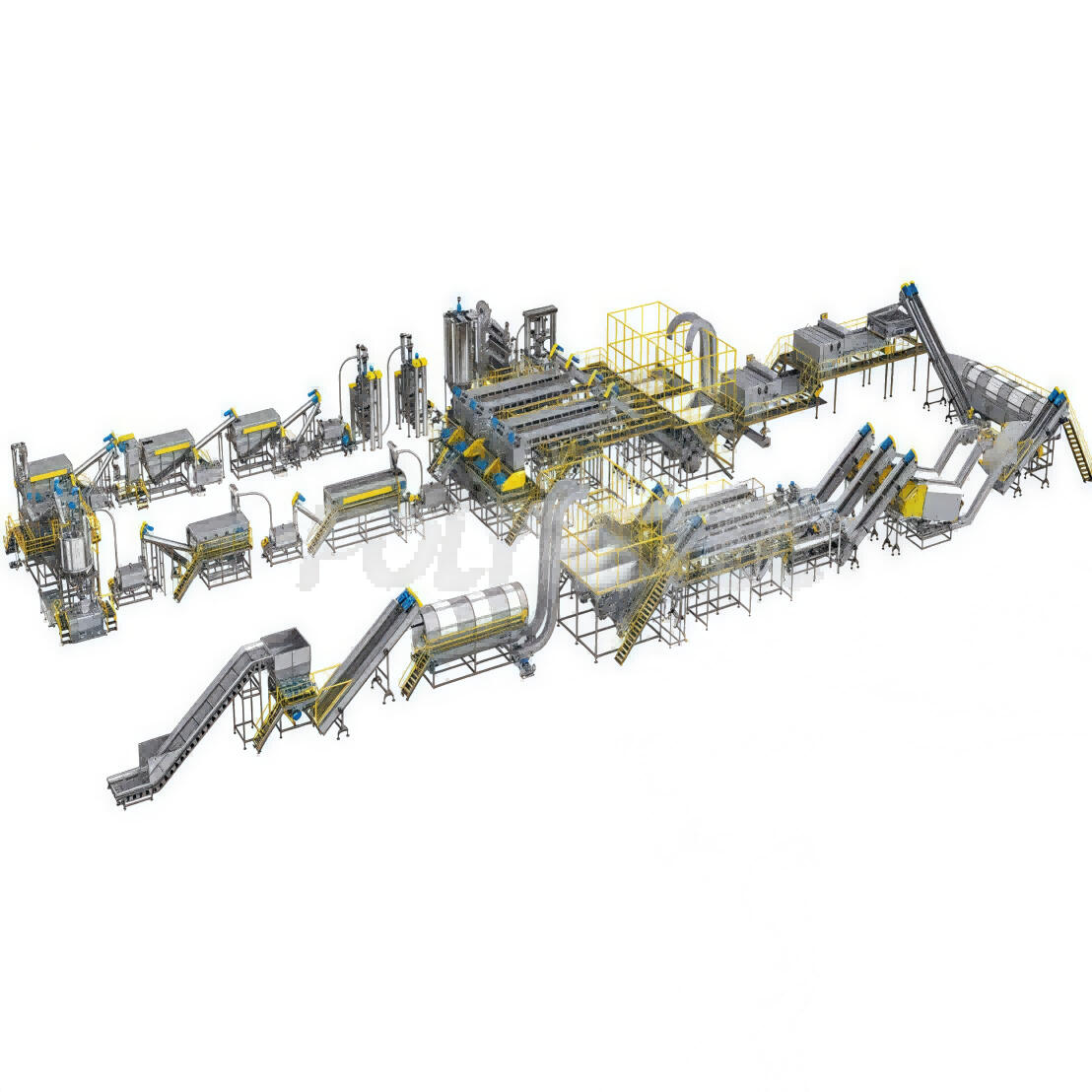
The physical layout of your PET bottle washing line significantly affects operational efficiency, maintenance accessibility, and future expansion possibilities. Process flow should follow a logical sequence that minimizes material handling, reduces contamination risks, and facilitates quality control. Many successful facilities arrange equipment in a linear or U-shaped configuration that progresses from bale breaking and sorting through washing stages to drying and storage, with clear separation between contaminated input areas and clean output zones. Elevation changes can be strategically employed to use gravity for material transport between process stages, reducing conveyor requirements and energy consumption. However, excessive vertical arrangements may complicate maintenance access and increase structural costs for multi-story installations.
Space allocation must account for more than just processing equipment footprint. Your facility design should incorporate adequate areas for incoming material storage, equipment maintenance access, utility systems, quality control laboratories, clean flake storage, and shipping operations. Maintenance accessibility deserves particular attention—equipment arranged too tightly creates hazardous working conditions and extends repair times. Industry best practice suggests maintaining clearance zones around major equipment pieces equal to at least the equipment width, allowing technicians to safely access motors, bearings, inspection ports, and other service points. Additionally, plan for spare parts storage near critical equipment to minimize downtime during repairs. A well-conceived layout for your PET bottle washing line balances efficient material flow with practical operational requirements, supporting both daily production and long-term maintenance needs.
Integrating Automation and Control Systems
The level of automation implemented in a PET bottle washing line directly impacts labor requirements, operational consistency, and production quality. Basic systems rely on manual control with operators adjusting equipment settings and monitoring process parameters visually. Mid-level automation incorporates programmable logic controllers that manage equipment sequencing, maintain process parameters like temperature and chemical dosing, and provide operator interfaces for monitoring and adjustment. Advanced systems employ fully integrated control platforms with real-time data logging, automatic parameter adjustment based on feedback sensors, predictive maintenance alerts, and remote monitoring capability. The appropriate automation level depends on facility scale, available labor skills, quality requirements, and budget constraints.
Quality monitoring integration within your PET bottle washing line automation system ensures consistent output specifications. Inline sensors can monitor critical parameters such as flake moisture content, particle size distribution, and even contamination levels through optical or near-infrared spectroscopy. This real-time feedback allows automatic process adjustments—increasing washing temperature or extending retention time when contamination levels rise, for example—maintaining output quality without constant operator intervention. However, sophisticated monitoring systems require significant investment and technical expertise for calibration and maintenance. Many facilities adopt a phased approach, starting with basic automation and progressively adding advanced control and monitoring capabilities as operational experience grows and budget allows. Consider future automation upgrades during initial facility design by installing conduit infrastructure, control panels with expansion capacity, and sensor mounting provisions even if not immediately utilized.
Addressing Maintenance, Safety, and Regulatory Compliance
Planning for Preventive Maintenance and Equipment Reliability
Equipment reliability directly determines the productivity and profitability of your PET bottle washing line, making maintenance planning a critical consideration during system design. High-wear components such as crusher blades, friction washer paddles, pump impellers, and conveyor belting require regular inspection and periodic replacement. Designing your system with maintenance-friendly features—quick-change crusher blades, easily accessible pump seals, inspection doors on washing vessels, and standardized fasteners—reduces downtime during routine service. Establishing relationships with equipment suppliers who provide responsive technical support, maintain spare parts inventory, and offer preventive maintenance training ensures rapid response when issues arise. Some operators negotiate service agreements that include regular maintenance visits and priority parts availability, particularly during the initial operational period when system behavior is still being optimized.
Developing a comprehensive preventive maintenance program before your PET bottle washing line begins production prevents costly breakdowns and extends equipment life. This program should document maintenance schedules for every system component, specifying daily operational checks, weekly lubrication requirements, monthly inspections, quarterly service tasks, and annual overhauls. Creating detailed maintenance procedures with step-by-step instructions, safety precautions, and required tools helps less experienced technicians perform work correctly and safely. Digital maintenance management systems that track completed tasks, schedule upcoming work, and monitor equipment performance trends have become increasingly affordable and valuable for optimizing maintenance efficiency. The investment in maintenance planning and systems during the setup phase pays substantial dividends through reduced downtime, lower repair costs, and longer equipment operational life.
Ensuring Worker Safety and Environmental Compliance
Safety considerations must be thoroughly integrated into your PET bottle washing line design and operational procedures. Plastic recycling facilities present numerous hazards including moving machinery, hot surfaces, slippery floors from water spillage, chemical exposure from cleaning agents, noise from grinding and washing operations, and confined space entry requirements for equipment maintenance. Comprehensive machine guarding that prevents access to rotating equipment while allowing visibility for operational monitoring is essential. Emergency stop systems strategically located throughout the processing line enable rapid shutdown in hazardous situations. Adequate ventilation prevents accumulation of dust and chemical vapors, while proper lighting ensures clear visibility of work areas and equipment status indicators.
Environmental compliance requirements vary significantly by jurisdiction but typically address air emissions, water discharge, noise levels, and waste management. Your PET bottle washing line may require air permits for dust collection systems, water discharge permits specifying effluent quality parameters, and waste manifests for contamination removed during washing. Some regions classify certain contaminants removed from plastic recycling as hazardous waste, requiring special handling and disposal procedures. Engaging environmental consultants familiar with plastic recycling operations during the planning phase helps identify applicable regulations and design appropriate compliance systems. Building compliance capabilities into your facility from the beginning avoids costly retrofits and potential regulatory enforcement actions. Additionally, demonstrating environmental responsibility through proper permitting, monitoring, and reporting enhances your facility's reputation and relationship with surrounding communities.
FAQ
What is the typical payback period for a PET bottle washing line investment?
The payback period for a PET bottle washing line typically ranges from three to seven years depending on system capacity, local material costs, recycled PET market prices, and operational efficiency. Larger facilities with economies of scale and higher automation levels generally achieve faster payback than smaller operations. Facilities with favorable conditions—low-cost contaminated PET feedstock, strong market demand for washed flakes, and efficient operations—may achieve payback in as little as two to three years. However, market volatility in both virgin PET prices and recycled material values can significantly impact profitability and extend payback periods during downturns. Conducting thorough financial modeling with conservative price assumptions helps establish realistic payback expectations.
How much space is required for installing a PET bottle washing line?
Space requirements for a PET bottle washing line vary considerably based on system capacity and configuration. A small washing line processing 500 to 1,000 kilograms per hour typically requires 500 to 1,000 square meters of floor space including equipment, material storage, and operational clearances. Mid-scale systems processing 2,000 kilograms per hour generally need 1,500 to 2,500 square meters, while large industrial installations processing 4,000 kilograms per hour or more may require 3,000 to 5,000 square meters or greater. These estimates include the processing line itself plus incoming material staging, clean flake storage, maintenance areas, and utility systems. Vertical system designs that stack washing stages reduce footprint requirements but increase structural complexity and may complicate maintenance access. Building height requirements typically range from 8 to 15 meters to accommodate equipment vertical dimensions and overhead material handling systems.
What qualifications should operators of a PET bottle washing line possess?
Operators of a PET bottle washing line should possess a combination of mechanical aptitude, process understanding, safety awareness, and quality consciousness. While formal education requirements vary, most facilities prefer operators with technical school training or industrial maintenance experience. Essential skills include the ability to monitor process parameters, identify abnormal conditions, perform routine adjustments, conduct basic troubleshooting, and maintain accurate production records. Operators must understand how different variables—temperature, chemical concentration, washing duration, and mechanical agitation—affect cleaning effectiveness and final product quality. Safety training covering machine operation, emergency procedures, chemical handling, and lockout-tagout protocols is mandatory. Many facilities provide comprehensive initial training when commissioning new washing lines, supplemented by ongoing skill development as operators gain experience and take on additional responsibilities for optimization and maintenance activities.
Can a PET bottle washing line process other plastic types besides PET bottles?
A PET bottle washing line is specifically designed and optimized for processing PET bottles, and its suitability for other plastic types is limited. The density separation stages that remove polyolefin contaminants like HDPE caps and polypropylene labels rely on PET having higher specific gravity than these materials, making the same separation principles ineffective for processing other plastics. The hot washing temperatures and chemical concentrations used for PET may be inappropriate for other polymers—some plastics degrade at PET washing temperatures while others require more aggressive chemical treatment. However, with process modifications, some PET washing lines can be adapted to process rigid HDPE containers like milk jugs or detergent bottles, though this typically requires different washing parameters, separate processing runs to prevent cross-contamination, and potentially different density separation configurations. For facilities considering multi-material processing, designing flexibility into the system from the beginning or investing in dedicated washing lines for each polymer type provides better quality control and operational efficiency.
Table of Contents
- Understanding Material Input Characteristics and Quality Requirements
- Evaluating Process Technologies and System Configuration
- Addressing Utility Infrastructure and Resource Management
- Considering Facility Layout and Operational Practicality
- Addressing Maintenance, Safety, and Regulatory Compliance
- FAQ