
 EN
EN



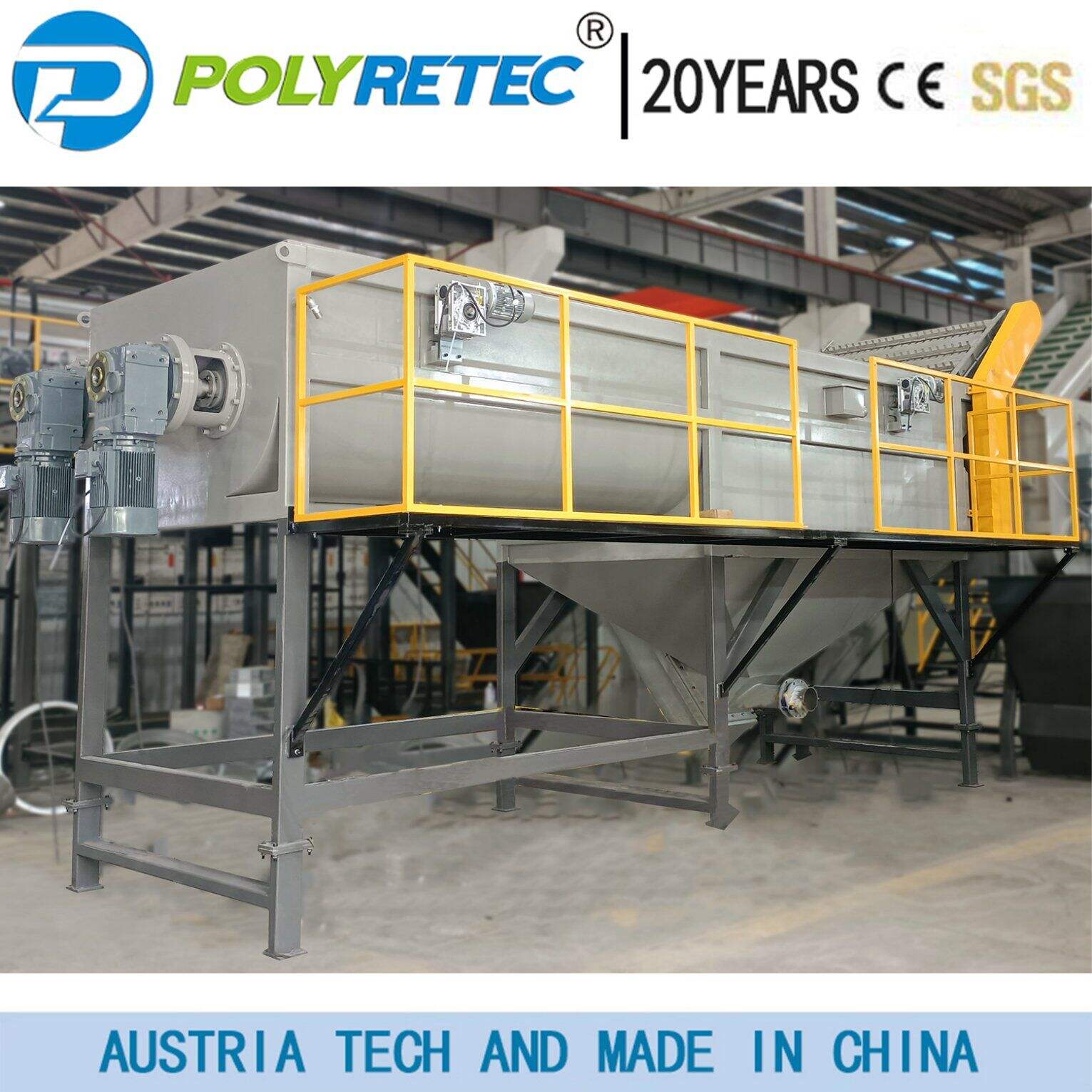
Operating a plastic recycling shredder in an industrial setting demands rigorous attention to worker safety, equipment integrity, and operational reliability. These powerful machines process substantial volumes of plastic waste daily, creating potential hazards ranging from mechanical entanglement to electrical malfunctions. Understanding which safety features are essential helps facility managers, safety officers, and procurement specialists make informed decisions that protect personnel while maintaining productivity. The right combination of protective mechanisms transforms a potentially dangerous operation into a controlled, secure industrial process that meets regulatory standards and industry best practices.
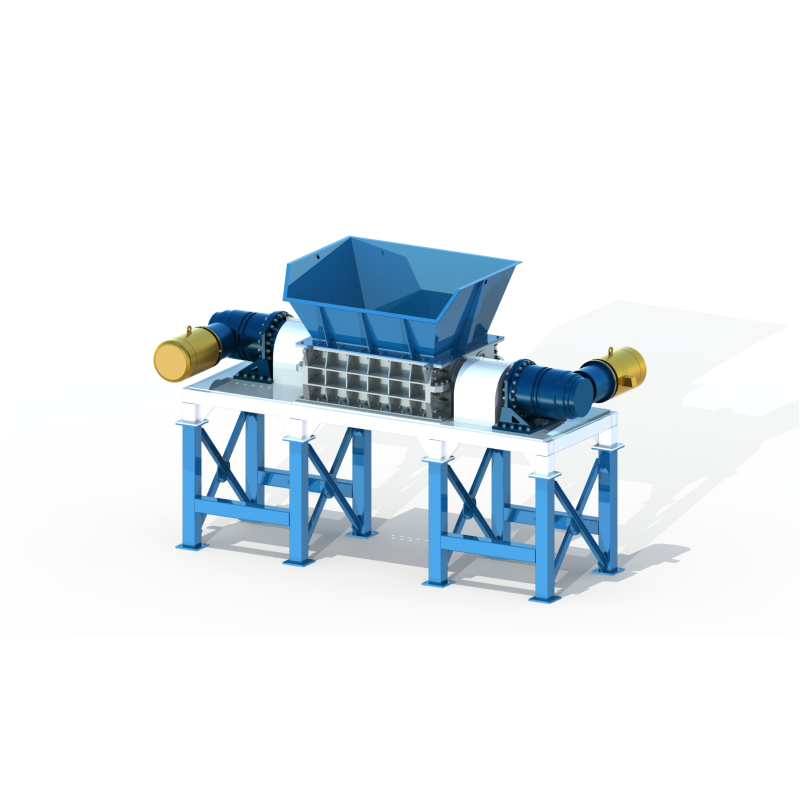
Modern plastic recycling shredder systems incorporate multiple layers of safety engineering designed specifically for the unique challenges of processing various plastic materials. From rigid PET bottles to flexible LDPE films, different plastic types create distinct operational risks that comprehensive safety systems must address. This article examines the critical safety features that should be integrated into any industrial plastic recycling shredder, explaining how each component functions, why it matters for workplace protection, and what standards operators should expect when evaluating equipment options. These insights apply whether you're upgrading existing machinery or specifying requirements for new installations.
Emergency Stop Systems and Operator Controls
Accessible Emergency Shutdown Mechanisms
Every plastic recycling shredder must feature multiple emergency stop buttons positioned at strategic locations around the machine perimeter. These bright red, mushroom-shaped buttons should be easily reachable from any operator station and require minimal force to activate. When engaged, the emergency stop must immediately cut power to the cutting chamber, halt blade rotation within seconds, and prevent automatic restart until the system undergoes deliberate reset procedures. The emergency shutdown circuit should operate independently from the main control system to ensure functionality even during electrical failures or control panel malfunctions.
Industrial facilities processing plastic waste often have multiple workers in proximity to shredding equipment during material loading, maintenance, or quality monitoring activities. Positioning emergency stops at feed hopper locations, discharge points, and near maintenance access panels ensures that any person observing a dangerous condition can halt operations instantly. The response time from button activation to complete blade stoppage represents a critical specification, with quality plastic recycling shredder units achieving full stops in under five seconds even when processing heavy loads.
Beyond physical buttons, modern safety systems incorporate pull-cord emergency stops that run the length of the machine for long conveyor-fed shredders. These cord systems allow workers at any point along the equipment to trigger shutdown by pulling the accessible cable, particularly valuable when material jams or equipment malfunctions occur away from fixed control stations. The pull-cord mechanism should maintain consistent tension and require inspection as part of regular maintenance protocols to verify continued functionality.
Lockout-Tagout Compatible Controls
Proper lockout-tagout capabilities form an essential safety feature for any plastic recycling shredder requiring maintenance or servicing. The main disconnect switch must accommodate multiple padlocks, allowing each technician working on the equipment to secure the power source with their personal lock. This prevents accidental or unauthorized equipment startup during maintenance procedures when workers may have hands or tools inside the cutting chamber or other hazardous zones.
The control panel design should clearly indicate all energy sources requiring isolation, including electrical power, hydraulic systems, and pneumatic lines. Some advanced plastic recycling shredder models incorporate electronic lockout systems that require authorized access codes and log all shutdown and restart events for compliance documentation. These digital systems provide facility managers with audit trails demonstrating adherence to safety protocols and help identify patterns that might indicate training gaps or procedural weaknesses.
Effective lockout-tagout systems also address stored energy hazards common in plastic shredding equipment. Heavy rotating blades retain significant kinetic energy even after power disconnection, and hydraulic accumulators may maintain pressure that could cause sudden mechanical movement. Safety protocols must include procedures for safely dissipating this stored energy, with the equipment design facilitating these steps through accessible pressure relief valves, blade positioning mechanisms, and clear visual indicators of system status.
Physical Guarding and Access Prevention
Comprehensive Machine Enclosures
Robust physical barriers around the cutting chamber and moving components represent the first line of defense in plastic recycling shredder safety design. Complete enclosures manufactured from heavy-gauge steel or reinforced composite materials prevent accidental contact with rotating blades, drive mechanisms, and material discharge areas during normal operation. These guards must withstand impact from ejected debris while providing necessary access points for material feeding and equipment servicing.
The feed opening requires special attention in guard design, balancing operational requirements for material introduction with protection against accidental operator contact with internal mechanisms. Quality plastic recycling shredder systems incorporate hopper designs with extended chutes that maintain safe distance between feed points and blade assemblies. Some configurations include gravity-fed hoppers that allow material loading from elevated platforms, physically separating workers from the shredding zone during continuous operation.
Discharge areas pose similar risks, particularly when handling shredded plastic output or clearing blockages. Fixed guards should cover belt drives, gear mechanisms, and other pinch points in the discharge system. Removable guard panels for maintenance access must incorporate interlock switches that prevent equipment operation when guards are removed, ensuring the cutting chamber remains inaccessible during powered operation. These interlocks should be designed to resist deliberate bypass attempts while remaining simple enough for authorized maintenance personnel to operate correctly.
Safety Interlock Systems
Advanced plastic recycling shredder designs integrate comprehensive interlock systems that monitor guard positions, access doors, and maintenance panels continuously during operation. These electronic or electromechanical switches immediately cut power to hazardous components when any protected area opens, preventing blade rotation before a panel can be fully removed. The interlock system should function independently from operator controls, creating a fail-safe condition that doesn't rely on human intervention to prevent dangerous access.
Magnetic or trapped-key interlock systems offer enhanced security over simple limit switches that could potentially be defeated or malfunction. Magnetic interlocks use coded sensors that verify proper guard installation, while trapped-key systems physically prevent guard removal unless the equipment has been properly de-energized and locked out. These sophisticated approaches significantly reduce the possibility of accidental or unauthorized access to hazardous areas during operation or incomplete shutdown procedures.
The interlock system configuration should address all potential access points, including material feed openings, maintenance doors, drive covers, and inspection hatches. Some plastic recycling shredder models incorporate progressive interlock hierarchies where certain low-risk panels can be opened during operation for monitoring purposes while critical safety guards trigger immediate shutdown. This nuanced approach balances operational visibility needs with comprehensive hazard protection, though conservative safety designs typically favor complete shutdown for any guard removal.
Overload Protection and Fire Prevention
Motor and Drive Safeguards
Electrical overload conditions represent both equipment damage risks and potential fire hazards in plastic recycling shredder operations. Quality machines incorporate thermal overload relays and current monitoring systems that automatically shut down drive motors when operating parameters exceed safe thresholds. These protective devices respond to conditions like bearing failures, material jams, or excessive feed rates that force motors to draw excessive current, preventing winding damage and potential electrical fires.
Variable frequency drives controlling plastic recycling shredder motors should include built-in overload protection with programmable trip parameters customized to specific operational profiles. These intelligent drives monitor multiple parameters including motor current, temperature, operating frequency, and duty cycle to detect abnormal conditions before they escalate into equipment failures or safety incidents. The drive system should provide clear visual and audible alarms when approaching overload conditions, giving operators opportunity to adjust feed rates or investigate underlying causes before automatic shutdown occurs.
Mechanical overload protection through shear pins, slip clutches, or hydraulic relief systems provides additional safeguarding against catastrophic failures. When unshredable objects enter the cutting chamber or blade assemblies encounter extreme resistance, these mechanical fuses disconnect drive power or relieve hydraulic pressure before structural damage occurs. The plastic recycling shredder design should allow relatively simple replacement of sacrificial components like shear pins, minimizing downtime while protecting expensive primary drive components from overload damage.
Fire Suppression Integration
Processing certain plastic materials creates fire risks from friction heat, static electricity discharge, or mechanical sparks when metal contaminants pass through cutting chambers. Industrial-grade plastic recycling shredder installations should incorporate automatic fire detection and suppression systems appropriate to the materials being processed. Temperature sensors positioned in the cutting chamber, discharge chutes, and collection systems provide early warning of developing fire conditions, triggering automated responses before flames spread.
Dry chemical or carbon dioxide suppression systems designed specifically for electrical equipment fires offer effective protection for plastic shredding operations. These systems deploy suppressant directly into the cutting chamber and motor compartments within seconds of detecting fire conditions, extinguishing flames while minimizing damage to mechanical components. The suppression system should integrate with the emergency shutdown circuit, simultaneously cutting electrical power and deploying suppressant for comprehensive fire response.
Regular maintenance of fire suppression systems represents a critical safety protocol often overlooked in industrial settings. Pressure gauges on suppressant cylinders require monthly inspection, detection sensors need periodic testing and calibration, and discharge nozzles must remain unobstructed and properly aimed. Some plastic recycling shredder manufacturers provide integrated monitoring systems that continuously verify fire suppression readiness, alerting maintenance personnel to any detected faults that could compromise emergency response capability.
Material Handling Safety Features
Feed Control and Anti-Bridging Systems
Safe material feeding represents a critical operational aspect often addressed through engineering controls rather than relying solely on operator vigilance. Advanced plastic recycling shredder designs incorporate feed control systems that regulate material introduction rates, preventing overloading conditions that could cause equipment strain, material ejection, or unsafe jamming situations. Conveyor-fed systems with variable speed controls allow automatic adjustment of feed rates based on motor load monitoring, maintaining optimal throughput while avoiding dangerous overload conditions.
Hopper designs with anti-bridging features prevent dangerous material blockages that might tempt operators to reach into feed openings to clear jams manually. Vibrating hopper walls, mechanical agitators, or air jet systems keep materials flowing smoothly toward the cutting chamber without requiring manual intervention in hazardous zones. When bridging does occur despite these preventive measures, the plastic recycling shredder should automatically detect the feed interruption and pause operation, preventing blade damage and eliminating the operational pressure that leads workers to bypass safety protocols.
Material presence sensors and flow monitoring systems provide additional layers of feeding safety. These devices detect when material flow stops or when feed rates exceed safe parameters, automatically adjusting operation or alerting operators to conditions requiring attention. Some sophisticated plastic recycling shredder installations incorporate vision systems that identify oversized items or potential contaminants before they enter the cutting chamber, triggering automatic feed rejection or shutdown to prevent equipment damage and associated safety risks.
Metal Detection and Foreign Object Protection
Plastic waste streams inevitably contain metal fasteners, wires, or other contaminants that pose significant hazards when entering shredding equipment. Metal detectors positioned in the feed stream before material reaches the cutting chamber identify ferrous and non-ferrous contaminants, triggering automatic feed stops or rejection mechanisms. This protects both equipment integrity and worker safety by preventing sparks, blade damage, and projectile ejection that occurs when metal objects contact high-speed cutting elements.
The metal detection system sensitivity requires careful calibration to identify hazardous contaminants while avoiding false positives from acceptable metal content in some plastic products. Quality plastic recycling shredder installations include adjustable detection thresholds and testing protocols to verify proper function at shift starts and after any system adjustments. Regular testing with standardized metal samples ensures consistent detection performance and identifies sensor degradation or positioning problems before they compromise protective effectiveness.
Beyond metal detection, comprehensive foreign object protection includes visual inspection opportunities, magnetic separation for ferrous materials, and operator training emphasizing contamination risks. Some facilities implement pre-sorting protocols that remove obvious contaminants before materials reach the plastic recycling shredder, creating an additional safety layer while protecting equipment from premature wear. The combination of procedural controls and automated detection systems provides robust protection against the varied contamination challenges inherent in recycling operations.
Operational Monitoring and Alert Systems
Real-Time Status Indicators
Comprehensive monitoring systems give operators continuous awareness of plastic recycling shredder operational status, enabling proactive responses to developing problems before they escalate into safety incidents. Visual indicators including status lights, digital displays, and graphical interfaces should communicate critical parameters like motor load, blade speed, system temperature, and hydraulic pressure at a glance. Color-coded warning systems help operators quickly distinguish normal conditions from situations requiring attention or immediate action.
Audible alarms supplement visual indicators for critical alerts that demand immediate operator response. These audio warnings should be clearly distinguishable from normal operational sounds and sufficiently loud to be heard throughout the work area despite ambient noise common in industrial recycling facilities. Different alarm tones or patterns can communicate specific conditions, allowing experienced operators to begin appropriate responses even before reaching control panels to assess detailed status information.
Advanced plastic recycling shredder systems incorporate predictive monitoring that analyzes operational trends to identify developing problems before they cause failures or safety incidents. Vibration monitoring detects bearing wear or blade imbalance, temperature trending identifies cooling system degradation, and power consumption analysis reveals mechanical resistance increases indicating wear or contamination issues. These predictive capabilities enable scheduled maintenance addressing problems during planned downtime rather than responding to unexpected failures that create greater safety risks and operational disruptions.
Remote Monitoring and Data Logging
Modern industrial safety practices increasingly incorporate remote monitoring capabilities that allow supervisors and maintenance personnel to observe plastic recycling shredder operation from secure locations away from the production floor. Network-connected control systems transmit real-time operational data to central monitoring stations, enabling specialized personnel to oversee multiple machines simultaneously while maintaining safe distances from operating equipment. This approach proves particularly valuable for lights-out operations or facilities with limited staffing where continuous direct observation isn't feasible.
Comprehensive data logging systems record all operational parameters, alarm events, emergency stops, and maintenance activities for compliance documentation and incident investigation. These permanent records demonstrate adherence to safety protocols for regulatory inspections while providing valuable information for root cause analysis when incidents do occur. Some plastic recycling shredder manufacturers provide cloud-based data platforms that enable trending analysis across multiple machines and facilities, identifying common failure modes or operational patterns associated with safety risks.
Integration with facility-wide safety systems allows plastic recycling shredder monitoring to trigger broader emergency responses when necessary. Fire alarm systems, building evacuation protocols, and emergency services notifications can be automatically initiated based on shredder status conditions, ensuring comprehensive response to serious incidents. This systems-level integration represents best practice for facilities processing substantial plastic volumes where shredding operations represent significant hazard sources requiring coordinated emergency management capabilities.
FAQ
How often should safety features on a plastic recycling shredder be inspected?
Safety systems on plastic recycling shredder equipment require inspection at multiple intervals depending on the specific component. Emergency stop buttons and interlock switches should undergo functional testing daily before operations begin, with documented results maintained for compliance records. More comprehensive inspections of guards, safety circuits, and monitoring systems should occur monthly as part of preventive maintenance schedules. Additionally, annual third-party safety audits by qualified equipment specialists help identify degradation or compliance gaps that internal inspections might miss. Any safety feature showing signs of damage, wear, or malfunction requires immediate attention regardless of scheduled inspection timing, with equipment remaining out of service until repairs restore full protective functionality.
Can older plastic recycling shredders be retrofitted with modern safety features?
Many legacy plastic recycling shredder installations can be upgraded with contemporary safety systems, though the extent of possible retrofitting depends on the equipment's basic design and structural condition. Adding emergency stop circuits, installing safety interlocks on access panels, and implementing overload protection represent relatively straightforward upgrades for most machines. More extensive modifications like comprehensive guard replacement or installation of automated monitoring systems may require significant mechanical and electrical work but remain feasible for structurally sound equipment. However, extremely old machines lacking fundamental safety design elements may prove more cost-effective to replace than retrofit, particularly when considering the cumulative expenses of incremental upgrades, installation downtime, and ongoing maintenance of improvised safety systems compared to purpose-built modern equipment.
What training should operators receive regarding plastic recycling shredder safety features?
Comprehensive operator training for plastic recycling shredder safety begins with equipment-specific instruction covering all safety features, their purposes, and proper operation procedures. Workers must understand emergency shutdown procedures, lockout-tagout protocols, and appropriate responses to various alarm conditions before operating equipment independently. Training should include hands-on demonstration of safety features rather than classroom instruction alone, ensuring operators can physically locate and activate emergency controls under stress conditions. Refresher training should occur annually at minimum, with additional sessions following any equipment modifications, incident investigations, or when introducing new personnel to the operation. Documentation of all training activities creates compliance records while helping identify knowledge gaps that require additional instruction.
Are there industry standards that specify required safety features for plastic recycling shredders?
Multiple regulatory frameworks and industry standards address safety requirements for plastic recycling shredder equipment, though specific mandates vary by jurisdiction and application. OSHA regulations in the United States establish general machine guarding requirements applicable to shredding equipment, while European machinery directives provide detailed specifications for equipment sold in EU markets. Industry organizations including ANSI and ISO publish consensus standards covering specific aspects of shredding equipment safety, though compliance with these voluntary standards isn't legally mandated in all locations. Many industrial insurance providers require adherence to recognized safety standards as conditions of coverage, creating practical compliance incentives beyond regulatory requirements. Equipment purchasers should specify compliance with relevant standards during procurement and verify that delivered machines include appropriate documentation demonstrating conformance with applicable safety requirements for their operating jurisdiction.
Table of Contents
- Emergency Stop Systems and Operator Controls
- Physical Guarding and Access Prevention
- Overload Protection and Fire Prevention
- Material Handling Safety Features
- Operational Monitoring and Alert Systems
-
FAQ
- How often should safety features on a plastic recycling shredder be inspected?
- Can older plastic recycling shredders be retrofitted with modern safety features?
- What training should operators receive regarding plastic recycling shredder safety features?
- Are there industry standards that specify required safety features for plastic recycling shredders?