
 EN
EN



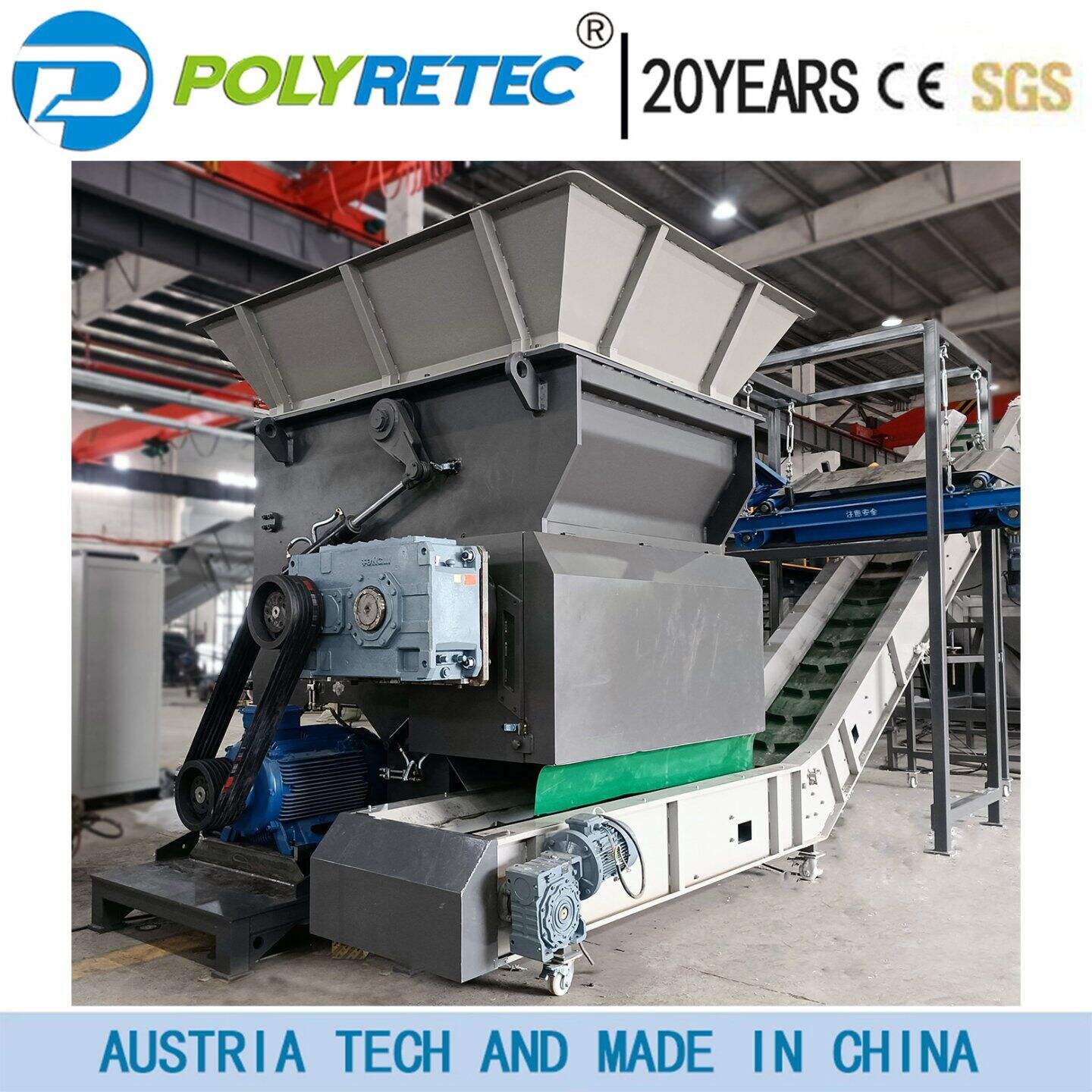
In the global effort to reduce plastic waste and promote circular economy practices, industrial plastic recycling operations face a critical challenge: how to efficiently process diverse plastic materials into reusable feedstock. A plastic recycling shredder serves as the essential first stage in this transformation, breaking down bulky plastic waste into manageable fragments that can be further processed, cleaned, and reintroduced into manufacturing cycles. Understanding the concrete advantages of implementing this equipment helps waste management companies, recycling facilities, and manufacturers make informed decisions about their material recovery infrastructure. The benefits extend far beyond simple size reduction, encompassing operational efficiency, cost optimization, environmental compliance, and material quality improvements that directly impact the profitability and sustainability of recycling operations.
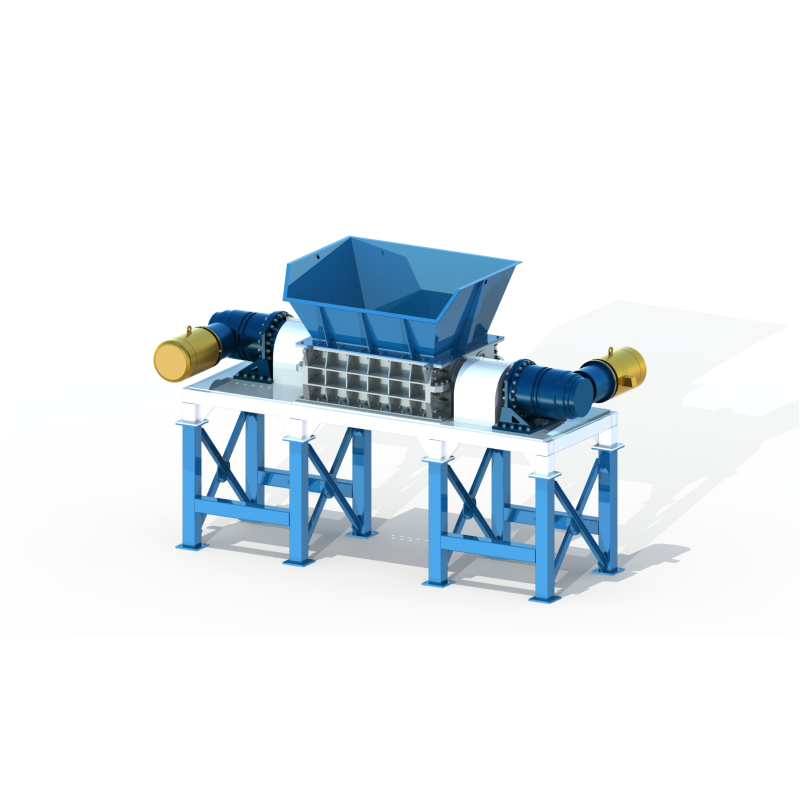
The adoption of a plastic recycling shredder represents a strategic investment that addresses multiple operational bottlenecks simultaneously. Modern shredding systems are engineered to handle the heterogeneous nature of post-consumer and post-industrial plastic waste, from rigid containers and automotive components to flexible films and mixed polymer streams. By transforming these varied inputs into uniform particle sizes, the equipment creates optimal conditions for downstream separation, washing, and pelletizing processes. This article examines the multifaceted benefits that make plastic recycling shredders indispensable in contemporary waste valorization facilities, exploring how they enhance throughput capacity, reduce labor dependency, improve material recovery rates, and contribute to both economic viability and environmental stewardship in the plastics recycling sector.
Enhanced Processing Efficiency and Throughput Capacity
Dramatic Reduction in Material Volume
One of the most immediate benefits of implementing a plastic recycling shredder is the substantial reduction in material volume, which fundamentally transforms logistics and handling throughout the recycling facility. Plastic waste arrives at recycling centers in bulky, irregular forms that occupy excessive space in storage areas, transportation vehicles, and processing queues. A properly configured shredding system can reduce the volume of incoming plastic materials by seventy to eighty-five percent, depending on the material type and target particle size. This compression effect translates directly into lower storage costs, as the same warehouse footprint can accommodate significantly more processed material awaiting further treatment. Transportation economics also improve dramatically when shredded plastics can be loaded more densely into trucks and containers, reducing the number of trips required between collection points and processing facilities.
The volume reduction achieved through shredding creates cascading operational advantages beyond simple space savings. Material handling equipment such as conveyors, hoppers, and feeders operate more efficiently when dealing with uniform, compacted plastic fragments rather than unwieldy whole items. Workers spend less time manually sorting and positioning oversized pieces, as the shredder accepts mixed loads and processes them into consistent output streams. This standardization of material form factor enables automation of subsequent processing steps, including magnetic separation, density-based sorting, and optical identification systems that require predictable particle dimensions to function effectively. Facilities that integrate a plastic recycling shredder into their workflow typically report throughput increases of thirty to fifty percent compared to operations relying on manual breaking or less capable size reduction equipment.
Accelerated Processing Cycles
The time required to transform raw plastic waste into recyclable feedstock decreases significantly when a dedicated plastic recycling shredder anchors the processing line. Traditional methods of breaking down plastic materials, such as manual cutting, sawing, or using general-purpose grinders, create production bottlenecks that limit overall facility capacity. Industrial shredders designed specifically for plastic materials feature aggressive cutting geometries, high-torque drive systems, and intelligent feed control mechanisms that maintain consistent throughput regardless of material variability. These systems can process several tons of mixed plastic waste per hour, depending on machine size and configuration, establishing a pace that supports continuous operation across multiple shifts without accumulation of unprocessed inventory.
The acceleration of processing cycles enabled by modern shredding technology allows recycling operations to respond more dynamically to market demands and material availability. When commodity plastic prices fluctuate or when specific polymer types become more valuable, facilities equipped with efficient shredders can quickly pivot their processing priorities to capitalize on market opportunities. The rapid conversion of bulky waste into shredded material also shortens the residence time of accumulated plastics on site, reducing fire risk, pest attraction, and the degradation that occurs when materials sit exposed to weather and UV radiation for extended periods. For operations processing post-consumer plastics with potential contamination concerns, faster throughput means less opportunity for odors or leachates to develop, improving workplace conditions and regulatory compliance.
Optimization for Downstream Processes
A plastic recycling shredder functions as the critical preparatory stage that determines the efficiency of all subsequent processing operations. Washing systems, for example, achieve far superior cleaning results when working with uniformly sized particles rather than intact bottles or irregularly shaped waste. The increased surface area exposure and consistent particle dimensions allow detergents and mechanical agitation to remove contaminants more thoroughly and with lower water and energy consumption. Similarly, density separation tanks used to segregate different polymer types rely on predictable particle behavior in fluid media, which is only achievable when materials have been reduced to consistent sizes through effective shredding. Without this preliminary size reduction, separation equipment must operate at reduced capacity or with compromised accuracy.
The compatibility between shredded plastic output and downstream processing equipment extends to pelletizing and extrusion operations as well. Extruders that melt and reform plastic into new products or raw material pellets require steady, consistent feed rates to maintain optimal barrel temperatures and mixing characteristics. Shredded plastic fragments flow more reliably through hoppers and feed screws than whole items or inconsistently sized pieces, reducing jamming, bridging, and the material segregation problems that plague systems handling poorly prepared feedstock. This consistency translates into higher quality recycled resin output, with more uniform melt flow characteristics and fewer contaminant inclusions, ultimately commanding better market prices and expanding the range of applications for which the recycled material is suitable.
Economic Advantages and Cost Reduction
Labor Cost Minimization
The implementation of a plastic recycling shredder delivers substantial reductions in labor requirements, addressing one of the most significant and persistent cost factors in recycling operations. Manual handling of bulky plastic waste is labor-intensive, physically demanding, and inherently limited in throughput capacity. Workers tasked with breaking down large items, cutting apart assembled products, or feeding materials into processing equipment face repetitive motion injuries, fatigue-related performance degradation, and the simple limitation that human physical capacity cannot match the processing rate of automated machinery. By mechanizing the size reduction step, facilities can redeploy personnel from repetitive manual tasks to higher-value activities such as quality control, equipment maintenance, and process optimization.
The labor savings extend beyond direct headcount reduction to encompass associated employment costs including benefits, training, safety equipment, and workers compensation insurance. Recycling operations are classified as relatively high-risk work environments due to the potential for cuts, strains, and equipment-related injuries. Reducing manual handling through automated shredding decreases incident rates and the associated costs of medical treatment, lost time, and regulatory reporting. Additionally, facilities equipped with modern plastic recycling shredders require less specialized manual skill in the sorting and preparation stages, as the equipment can process mixed loads without extensive pre-sorting. This flexibility allows operations to staff positions with less experienced workers at lower wage rates while still maintaining high processing standards, improving overall labor cost efficiency.
Energy Efficiency and Operating Cost Control
Modern plastic recycling shredders incorporate design features that optimize energy consumption relative to material throughput, delivering lower per-ton processing costs compared to alternative size reduction methods. Advanced drive systems employ high-efficiency motors, intelligent load sensing, and variable frequency drives that adjust power consumption based on actual material resistance rather than running continuously at maximum capacity. These systems consume energy only in proportion to the work being performed, significantly reducing electrical costs during periods of lighter material flow or when processing softer, less resistant plastic types. The engineering focus on torque optimization rather than raw speed ensures that shredders accomplish their cutting work with minimal wasted energy dissipation as heat or vibration.
The energy efficiency of dedicated plastic recycling shredders becomes even more apparent when compared to the total energy budget of alternative processing approaches. Facilities attempting to size-reduce plastics using granulators, hammer mills, or general industrial shredders often find that these machines consume more electricity per ton of material processed, particularly when dealing with tough, resilient plastic types or materials with reinforcement elements. The specialized cutting chamber geometry and blade configurations found in purpose-built plastic shredders complete the size reduction with fewer cutting passes and less energy input. Over the course of continuous operation processing hundreds or thousands of tons annually, these per-unit energy savings accumulate into substantial reductions in facility utility costs, improving profit margins and enhancing competitiveness in commodity recycled resin markets.
Maintenance Cost Predictability
Quality plastic recycling shredders are engineered for durability and maintainability, offering predictable operating costs that support accurate financial planning and budgeting. Robust construction using wear-resistant materials in cutting chambers, shafts, and drive components minimizes the frequency of replacement part requirements. When maintenance is required, well-designed systems feature accessible service points, modular component replacement capabilities, and comprehensive documentation that reduces downtime duration. The availability of wear part kits with pre-determined replacement intervals allows operations to schedule maintenance during planned production breaks rather than responding reactively to unexpected failures that halt production and require emergency repair expenses.
The total cost of ownership for a plastic recycling shredder compares favorably to alternative equipment when evaluated over multi-year operational periods. While initial capital investment may appear higher than simpler cutting or grinding equipment, the combination of higher throughput capacity, lower labor requirements, reduced energy consumption, and predictable maintenance expenses typically delivers payback within eighteen to thirty-six months for facilities processing moderate to high volumes. The extended service life of industrial-grade shredders, often exceeding fifteen to twenty years with proper maintenance, further improves the long-term economic case. Depreciation schedules spread the equipment cost across many years of productive operation, during which the cumulative savings in labor, energy, and processing efficiency far exceed the original purchase and installation investment.
Material Quality and Recovery Rate Improvements
Contamination Liberation and Removal
An often-underappreciated benefit of plastic recycling shredders is their role in liberating contaminants from plastic materials, thereby improving the purity and market value of recovered polymers. Post-consumer plastic waste typically arrives at recycling facilities with various attached contaminants including labels, adhesives, caps made from different materials, metal inserts, and residual product contents. The mechanical action of the shredding process physically separates many of these contaminants from the base plastic material, breaking adhesive bonds and fragmenting composite assemblies into their constituent materials. This liberation effect creates distinct particles that can be separated through subsequent density flotation, magnetic extraction, or air classification processes, whereas intact items would pass through these separation stages with contaminants still attached.
The improvement in material purity achieved through effective shredding directly correlates with the quality grade and price premium that recycled plastic can command in resin markets. Manufacturing applications have increasingly stringent specifications regarding contamination levels, particularly for food-contact applications or technical parts requiring consistent performance characteristics. By incorporating a plastic recycling shredder as the entry point to the processing chain, facilities establish the foundation for achieving these higher purity standards. The uniform particle size output also enables more effective washing and rinsing, as water and cleaning agents can penetrate and flush contaminants from the increased surface area of shredded fragments. This synergy between shredding, contamination liberation, and subsequent purification processes represents a multiplicative quality improvement rather than merely additive gains from individual process steps.
Polymer Type Separation Enhancement
The segregation of different plastic polymer types is essential for producing high-value recycled resins, and plastic recycling shredders significantly enhance the effectiveness of sorting technologies. Automated sorting systems including near-infrared spectroscopy, X-ray fluorescence, and density-based separation all perform more accurately when analyzing uniform particle sizes rather than irregular whole items. The shredding process creates consistent material presentation to optical scanners and detection equipment, reducing misidentification errors and improving sorting purity rates. Particles with similar size and shape characteristics exhibit more predictable behavior in air jets, flotation tanks, and electrostatic separation fields, allowing automated systems to achieve separation purities exceeding ninety-five percent for some polymer combinations.
The economic impact of improved polymer segregation extends throughout the value chain of recycled plastics. Pure, single-polymer streams command significantly higher market prices than mixed plastic bales, often two to five times greater per ton depending on polymer type and market conditions. This price premium reflects the direct usability of pure materials in manufacturing applications without additional sorting or compatibility challenges. By investing in a plastic recycling shredder that enables effective downstream sorting, facilities transform low-value mixed waste into multiple revenue streams of differentiated, higher-value polymer commodities. The return on this quality improvement often represents the difference between marginally profitable recycling operations and robust, sustainable business models that can weather commodity price fluctuations.
Recovery Rate Maximization
Material recovery rates, defined as the percentage of incoming plastic waste successfully converted into saleable recycled resin, improve measurably when operations incorporate dedicated plastic recycling shredders. Without effective size reduction, significant quantities of plastic material are lost to rejection streams during sorting, washing, and quality control stages. Oversized items jam equipment, undersized fines escape collection systems, and irregular shapes fail to engage with automated handling mechanisms. These losses accumulate across the processing chain, sometimes resulting in effective recovery rates below sixty percent of input material. In contrast, facilities using properly configured shredders to create uniform particle sizes typically achieve recovery rates exceeding eighty percent, with some optimized systems reaching eighty-five to ninety percent recovery.
The financial implications of recovery rate improvements are substantial when calculated across annual processing volumes. A facility processing five thousand tons of plastic waste annually sees an additional five hundred tons of saleable output when improving recovery rates from seventy to eighty percent. At typical recycled resin prices, this incremental recovery represents hundreds of thousands of dollars in additional annual revenue generated from the same input material volume. The plastic recycling shredder enables this improvement by ensuring that material enters downstream processes in forms that equipment can reliably handle, sort, clean, and convert to finished product. The reduction in rejected material and processing losses also decreases waste disposal costs, as less material exits the facility as non-recyclable residue requiring landfill disposal or incineration.
Environmental Benefits and Sustainability Contributions
Landfill Diversion and Waste Reduction
The primary environmental benefit of plastic recycling shredders lies in their enablement of large-scale plastic waste diversion from landfills and natural environments. By making recycling operations economically viable and operationally efficient, these systems facilitate the recovery of millions of tons of plastic materials that would otherwise contribute to environmental pollution and resource depletion. The shredding process itself represents the critical gateway that transforms bulky, unusable plastic waste into feedstock suitable for remanufacturing, directly supporting circular economy objectives. Each ton of plastic successfully recycled through shredder-enabled processes represents avoided landfill space consumption, reduced marine and terrestrial plastic pollution, and decreased demand for virgin petroleum-based polymer production.
The scalability advantages provided by industrial plastic recycling shredders enable recycling facilities to accept and process waste streams that smaller-scale or manual operations would reject as too difficult or uneconomical to handle. This expanded processing capability means that more diverse plastic waste types enter recovery channels, including automotive plastics, agricultural films, industrial packaging, and durable goods components that have historically been directed to disposal. As processing capacity expands through efficient shredding infrastructure, collection networks can extend their reach to capture plastic waste from more geographic areas and waste generation sources, creating a more comprehensive material recovery system that progressively reduces the environmental burden of plastic consumption.
Carbon Footprint Reduction
Recycling plastic through shredder-enabled processes delivers significant carbon emission reductions compared to manufacturing virgin polymers from petroleum feedstocks. The production of virgin plastic resins is energy-intensive, requiring petroleum extraction, refining, cracking processes, and polymerization under controlled conditions. Life cycle analyses consistently demonstrate that recycled plastic production generates forty to seventy percent less greenhouse gas emissions per ton of material compared to virgin polymer manufacturing, depending on polymer type and recycling process efficiency. By enabling economically viable recycling operations, plastic recycling shredders contribute directly to these emission reductions across the material supply chain, helping manufacturers meet sustainability targets and reducing the overall carbon intensity of plastic-based products.
The energy efficiency characteristics of modern plastic recycling shredders compound these environmental benefits by minimizing the carbon footprint of the recycling process itself. Systems engineered for optimal power consumption reduce the indirect emissions associated with electricity generation required for recycling operations. When recycling facilities source power from renewable energy grids or install on-site solar generation, the combination of efficient shredding equipment and clean energy creates near-zero-carbon material recovery pathways. This synergy positions recycled plastics as increasingly competitive alternatives to virgin materials not only on economic grounds but also for corporate buyers prioritizing supply chain decarbonization and environmental product declarations that account for embodied carbon in material inputs.
Resource Conservation and Circular Economy Support
Beyond waste diversion and emission reduction, plastic recycling shredders contribute to broader resource conservation objectives by enabling the repeated cycling of finite petroleum resources through multiple use generations. Petroleum-derived plastics represent transformed fossil carbon that, absent recycling, would complete only a single use cycle before permanent disposal. By facilitating effective material recovery, shredders extend the useful service life of the original petroleum input across multiple product generations, dramatically improving resource utilization efficiency. This circular flow reduces the extraction pressure on remaining petroleum reserves, preserving these finite resources for applications where alternatives remain unavailable or less suitable, such as specialized chemicals and high-performance materials.
The circular economy concept depends fundamentally on practical, economically viable mechanisms for returning materials to productive use after their initial service life concludes. Plastic recycling shredders represent essential infrastructure enabling this circularity for polymer materials, creating the technical foundation upon which sustainable material management systems are built. As regulatory frameworks increasingly mandate recycled content in plastic products and as corporate sustainability commitments drive demand for recovered materials, the availability of efficient shredding and processing infrastructure becomes a limiting factor determining how quickly circular economy transitions can occur. Investment in plastic recycling shredders therefore represents not merely equipment acquisition but participation in the systemic transformation toward sustainable material flows that regenerate rather than deplete natural resource stocks.
Operational Flexibility and Adaptability
Multi-Material Processing Capability
Modern plastic recycling shredders are engineered with versatility that allows facilities to process diverse plastic waste streams without requiring multiple specialized machines. The adjustable cutting chamber configurations, interchangeable blade sets, and variable speed controls enable operators to optimize performance for different material characteristics including hardness, thickness, brittleness, and composition. A single well-configured plastic recycling shredder can effectively handle rigid plastics like high-density polyethylene containers, flexible materials such as polyethylene films, tough engineering plastics including polycarbonate and ABS, and even challenging materials with embedded reinforcements or multiple layers. This multi-material capability reduces capital investment requirements and facility footprint compared to operations needing separate equipment for each waste stream type.
The adaptability of plastic recycling shredders extends to processing contaminated or composite materials that would defeat less robust equipment. Post-consumer plastics often arrive with residual contents, attached labels, metal closures, and other contaminants that must be accommodated during initial size reduction. Industrial-grade shredders incorporate features such as overload protection, reverse operation modes, and robust cutting elements that can tolerate occasional non-plastic intrusions without damage or excessive downtime. This tolerance for real-world waste stream variability makes the equipment suitable for diverse operational contexts, from municipal solid waste recovery facilities handling mixed residential collection to specialized industrial recycling operations processing manufacturing scrap with known composition but variable form factors.
Scalable Throughput Adjustment
The throughput capacity of plastic recycling shredders can be matched to specific operational requirements through equipment sizing and configuration choices, providing scalability as recycling operations grow or market conditions change. Smaller facilities or operations targeting niche waste streams can implement compact shredder models with throughput ratings of one to three tons per hour, sufficient for processing localized collection volumes while maintaining economic viability. As material availability increases or as operations expand into new waste streams, facilities can upgrade to larger capacity systems processing five to fifteen tons hourly or more, without fundamentally redesigning the overall processing workflow. This scalability pathway allows recycling businesses to grow incrementally, matching infrastructure investment to actual material flow and revenue generation rather than requiring large up-front commitments based on uncertain future volumes.
The operational flexibility of adjustable throughput extends to managing variable material supply patterns that characterize many recycling operations. Seasonal fluctuations, episodic collection campaigns, and market-driven shifts in material pricing all create periods of high and low material availability. Plastic recycling shredders with variable speed controls and feed rate adjustment capability allow operators to modulate processing intensity to match actual material flow, maintaining equipment utilization during low-volume periods while scaling up capacity when material accumulates. This operational agility improves equipment return on investment by maximizing productive operating hours and enables facilities to respond opportunistically to material availability without being constrained by fixed-capacity processing bottlenecks that either limit throughput during peak periods or waste capacity during slower intervals.
Integration with Automated Systems
Contemporary plastic recycling shredders are designed for seamless integration with upstream and downstream automated equipment, creating cohesive processing lines that minimize manual intervention and maximize operational efficiency. Conveyor interfaces, sensor integration points, and programmable control systems allow shredders to communicate with material feeding equipment, contamination detection systems, and downstream separation machinery. This connectivity enables sophisticated process control strategies where the shredder adjusts its operating parameters based on real-time feedback from quality monitoring systems or coordinates its throughput rate with the capacity constraints of subsequent processing stages. The resulting integrated systems operate more consistently and efficiently than standalone equipment requiring manual coordination between process steps.
The integration capability extends to data collection and operational monitoring systems that support continuous improvement and predictive maintenance strategies. Modern plastic recycling shredders equipped with sensor arrays and control system interfaces can track operational parameters including throughput rates, power consumption, vibration patterns, and cutting element wear indicators. This performance data feeds into facility management systems that identify optimization opportunities, predict maintenance requirements before failures occur, and generate operational metrics supporting process refinement. The digitalization of shredder operations transforms these machines from simple mechanical equipment into intelligent system components that contribute to overall facility performance optimization, demonstrating how contemporary recycling infrastructure increasingly resembles advanced manufacturing environments in its sophistication and data-driven management approach.
FAQ
How does a plastic recycling shredder differ from a regular industrial shredder?
A plastic recycling shredder incorporates specific design elements optimized for the unique properties of plastic materials, distinguishing it from general-purpose industrial shredders. These specialized features include cutting blade geometries engineered to slice rather than tear plastic, reducing the generation of fine dust and stringy residues that complicate downstream processing. The shaft speeds and torque characteristics are calibrated for plastic's tendency to deform rather than fracture cleanly, ensuring complete size reduction without excessive heat generation that could melt or fuse particles. Additionally, plastic recycling shredders typically feature wider blade spacing and more aggressive cutting angles to accommodate the flexibility and resilience of thermoplastic materials, whereas general industrial shredders designed for wood, paper, or metal may use configurations unsuitable for effective plastic processing. The drive systems also differ, with plastic-specific shredders employing high-torque, lower-speed configurations that prevent material wrapping around shafts and jamming, a common problem when using inappropriate equipment for plastic waste.
What particle size should a plastic recycling shredder produce for optimal downstream processing?
The optimal output particle size from a plastic recycling shredder depends on the specific downstream processing requirements and the intended end use of the recycled material. For operations feeding into washing and density separation systems, particle sizes between twenty-five and fifty millimeters typically provide the best balance, offering sufficient surface area for effective cleaning while remaining large enough for efficient separation and minimal loss of fines. Facilities producing flake for direct sale to compounders and manufacturers often target particle sizes in the ten to twenty millimeter range, creating material that flows well through pneumatic conveying systems and extruder hoppers while providing consistent melting behavior. Operations planning subsequent grinding or granulation stages may accept larger initial shredding outputs of fifty to one hundred millimeters, using the shredder purely for preliminary size reduction before finer processing. The adjustability of screen sizes and cutting configurations in quality plastic recycling shredders allows operators to optimize output particle dimensions for their specific process chain, making this a configurable parameter rather than a fixed equipment limitation.
Can plastic recycling shredders handle contaminated or mixed plastic waste streams?
Industrial-grade plastic recycling shredders are specifically engineered to process real-world contaminated and mixed plastic waste, which represents the majority of material encountered in commercial recycling operations. These systems incorporate robust cutting elements manufactured from hardened tool steels or specialized alloys that resist wear and damage from occasional contaminants such as metal fasteners, glass fragments, or dense materials embedded in plastic assemblies. Overload sensing and automatic reversal features protect the equipment when encountering objects too hard or large to shred, allowing removal without causing mechanical damage. The capability to handle mixed polymer streams without pre-sorting is particularly valuable, as manual separation of different plastic types prior to shredding is labor-intensive and often economically prohibitive. The shredder processes the mixed material into uniform particles that can then be separated using automated sorting technologies such as density flotation or optical identification systems, which function more effectively on shredded particles than on intact items. However, the presence of excessive contamination, particularly abrasive materials or extremely hard objects, will accelerate wear on cutting elements and may reduce throughput rates, so some level of gross contamination removal through manual pre-sorting or automated pre-screening typically optimizes overall system performance and equipment longevity.
What factors determine the return on investment timeline for a plastic recycling shredder?
The return on investment period for a plastic recycling shredder is influenced by multiple interconnected factors including processing volume, labor cost differential, material value improvement, and operational efficiency gains. Higher throughput facilities processing several thousand tons annually typically achieve faster payback, as the equipment cost is amortized across larger material volumes and revenue generation. The labor cost environment significantly impacts ROI calculations, with operations in high-wage markets seeing more dramatic savings from automation and consequently shorter payback periods, often eighteen to thirty months. Material quality improvements enabled by effective shredding also accelerate returns, particularly when facilities upgrade from producing low-value mixed bales to sorted, clean polymer streams commanding premium pricing, potentially doubling or tripling per-ton revenue. Energy efficiency gains, though individually smaller, accumulate substantially over continuous operation and contribute measurably to payback calculations. Additional factors include equipment financing terms, depreciation tax benefits, and whether the shredder enables processing of previously unhandled waste streams that create entirely new revenue channels. Most commercial plastic recycling operations report achieving full equipment cost recovery within two to four years, after which the shredder generates ongoing value through reduced operating costs and improved material quality for the remainder of its fifteen to twenty year service life, delivering substantial cumulative returns on the initial investment.
Table of Contents
- Enhanced Processing Efficiency and Throughput Capacity
- Economic Advantages and Cost Reduction
- Material Quality and Recovery Rate Improvements
- Environmental Benefits and Sustainability Contributions
- Operational Flexibility and Adaptability
-
FAQ
- How does a plastic recycling shredder differ from a regular industrial shredder?
- What particle size should a plastic recycling shredder produce for optimal downstream processing?
- Can plastic recycling shredders handle contaminated or mixed plastic waste streams?
- What factors determine the return on investment timeline for a plastic recycling shredder?