
 EN
EN



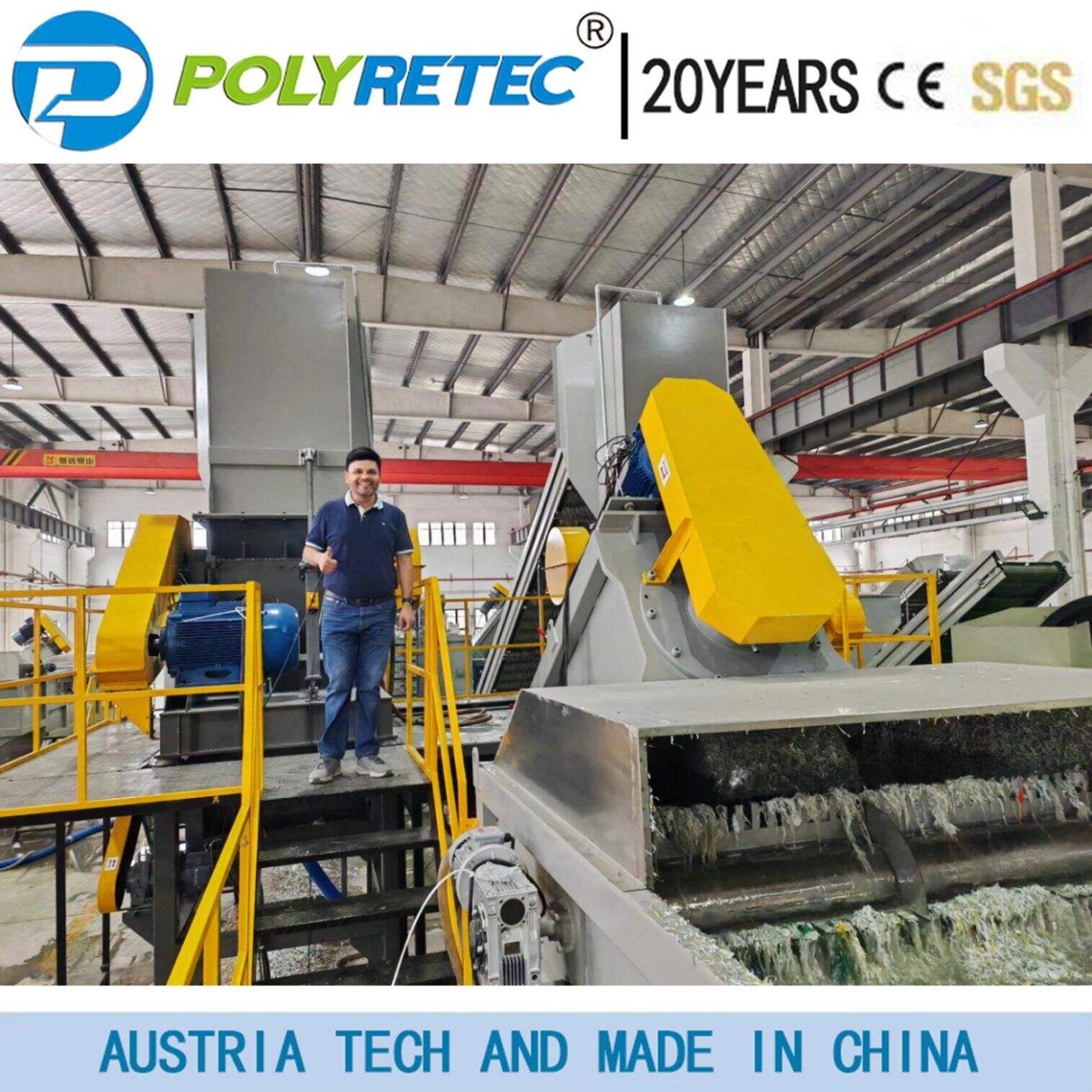
Understanding the full scope of materials that a plastic recycling shredder can handle is essential for operations planning, investment decisions, and process optimization in waste management facilities. A plastic recycling shredder serves as the critical first stage in transforming post-consumer and post-industrial plastic waste into reusable feedstock, yet many facility managers underestimate the breadth of compatible materials beyond common bottles and containers. The versatility of modern shredding equipment extends across rigid thermoplastics, flexible films, composite structures, and even contaminated waste streams that were previously considered non-recyclable. This comprehensive guide examines the specific material categories processable by industrial-grade shredders, the technical factors determining compatibility, and how material characteristics influence equipment selection and operational parameters.
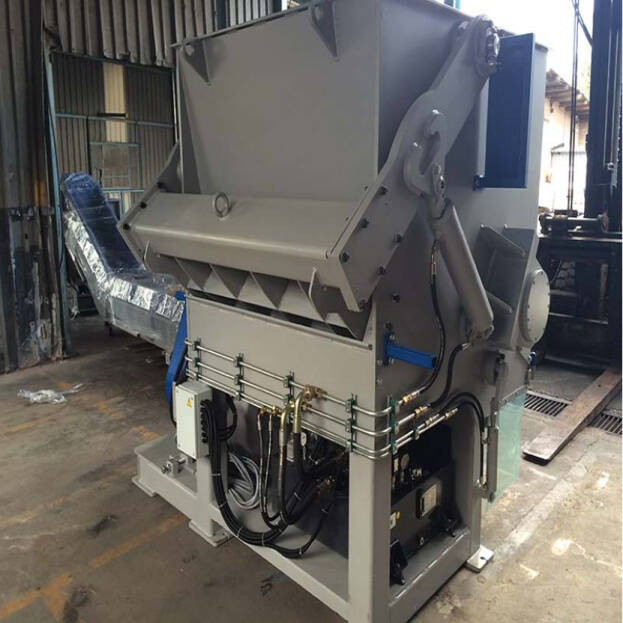
The material processing capabilities of a plastic recycling shredder fundamentally depend on rotor design, blade configuration, screen size, and motor power specifications, with each factor directly influencing which polymer types and physical forms the equipment can effectively reduce to target particle sizes. From high-density polyethylene containers to multi-layer packaging films, from polystyrene foam blocks to fiber-reinforced composites, the range of processable materials continues expanding as shredder technology evolves to meet circular economy demands. This article provides facility managers, recycling entrepreneurs, and procurement professionals with detailed material-specific guidance to match waste stream composition with appropriate shredding equipment, ensuring operational efficiency while maximizing material recovery rates across diverse plastic waste categories.
Rigid Thermoplastic Materials for Shredding Operations
Polyethylene Terephthalate and Container Waste
Polyethylene terephthalate represents one of the most commonly processed materials in plastic recycling shredder applications, primarily sourced from beverage bottles, food containers, and consumer packaging. The material's inherent brittleness when subjected to impact forces makes it particularly suitable for mechanical size reduction, with standard shredder configurations achieving consistent particle sizes between eight and twenty-five millimeters depending on screen specifications. PET containers typically arrive at recycling facilities in baled or loose form, often containing residual liquids, labels, and cap materials that the shredder must accommodate without jamming or excessive wear on cutting components.
The processing characteristics of PET require attention to moisture management and contamination levels, as excessive liquid content can create material bridging in the shredding chamber and reduce throughput efficiency by up to forty percent compared to dry feed conditions. Modern plastic recycling shredder systems incorporate drainage provisions and moisture-tolerant rotor designs specifically to handle PET waste streams with five to ten percent residual liquid content without operational disruption. The resulting shredded output maintains sufficient particle uniformity for subsequent washing, density separation, and extrusion reprocessing, with properly configured equipment delivering contamination separation rates exceeding ninety-five percent when integrated with downstream washing systems.
High-Density and Low-Density Polyethylene Processing
High-density polyethylene materials including milk jugs, detergent bottles, and industrial drums present different shredding challenges compared to PET due to the polymer's higher ductility and tendency to deform rather than fracture under cutting forces. A plastic recycling shredder designed for HDPE processing typically employs hook-style or double-hook blade profiles that grab and tear the material rather than relying solely on shear cutting action, with blade tip speeds ranging from twenty-five to forty meters per second to overcome the material's resistance to fragmentation. The equipment must generate sufficient torque to process thick-walled containers and industrial packaging without stalling, requiring drive systems rated at one hundred fifty percent of continuous duty capacity to handle shock loads during startup and when processing nested or compacted material.
Low-density polyethylene films and bags represent particularly challenging feedstock for shredding operations due to material wrapping around rotor shafts and tendency to pass through screens without adequate size reduction. Specialized plastic recycling shredder configurations incorporate anti-wrapping devices, increased blade overlap, and optimized clearances between rotating and stationary components to effectively process LDPE films down to target particle sizes between fifteen and forty millimeters. Throughput rates for film materials typically range from thirty to sixty percent of rigid HDPE capacity due to material density differences and the need for multiple cutting passes to achieve specification particle size, making proper equipment sizing critical when facilities handle mixed rigid and flexible polyethylene waste streams in significant volumes.
Polypropylene and Chemical-Resistant Polymer Shredding
Polypropylene materials including automotive components, industrial containers, and consumer durable goods require robust plastic recycling shredder specifications due to the polymer's high impact strength and chemical resistance properties that complicate mechanical processing. The material's semi-crystalline structure and relatively high melting point create processing conditions where blade sharpness and cutting geometry become critical performance factors, with dull or improperly profiled cutting edges causing material deformation and heating rather than clean particle separation. Industrial shredders handling significant polypropylene volumes typically specify premium blade steel compositions with Rockwell hardness ratings between fifty-five and sixty HRC, combined with frequent blade rotation or replacement schedules to maintain consistent particle quality throughout extended production runs.
The chemical resistance characteristics that make polypropylene valuable for industrial applications also mean contaminated feedstock containing oils, solvents, or process residues can be safely processed through plastic recycling shredder equipment without risk of material degradation or hazardous emissions during size reduction operations. This compatibility extends equipment utility beyond clean scrap processing into contaminated industrial waste streams including used battery cases, chemical storage containers, and automotive fluid reservoirs that contain residual process materials requiring specialized handling. Proper ventilation and dust collection systems remain essential when shredding contaminated polypropylene to capture any volatile compounds released during particle formation, with industrial hygiene standards requiring minimum air exchange rates of fifteen complete chamber volumes per hour during continuous operation.
Flexible Films and Sheet Materials Processing
Post-Consumer Film Waste Characteristics
Post-consumer film materials including grocery bags, stretch wrap, and consumer packaging films present unique challenges for plastic recycling shredder operations due to low bulk density, high flexibility, and tendency to entangle during feeding and cutting processes. These materials typically arrive at recycling facilities in baled form with densities ranging from fifty to one hundred fifty kilograms per cubic meter, requiring either pre-processing to increase density or specialized feeding systems that control material presentation to the cutting chamber. The material's tendency to wrap around rotating components necessitates shredder designs incorporating ram feeders, anti-wrap bars, and increased blade overlap percentages compared to rigid material configurations.
Successful film processing through a plastic recycling shredder requires careful attention to feed rate control and material conditioning, as excessive feed speeds overwhelm cutting capacity while insufficient material presentation causes inefficient equipment utilization and increased specific energy consumption per kilogram processed. Modern systems incorporate variable-speed hydraulic rams or conveyor feeding systems with automatic load sensing that adjusts material delivery based on real-time power draw monitoring, maintaining optimal cutting conditions across varying feedstock characteristics. Output particle sizes for film materials typically range larger than rigid plastics due to material behavior, with twenty to fifty millimeter particles representing standard specifications that balance downstream handling requirements against shredder throughput capacity and energy efficiency considerations.
Multi-Layer and Laminated Structure Processing
Multi-layer packaging films combining different polymer types with aluminum foil or paper substrates can be processed through industrial plastic recycling shredder equipment despite the material complexity, though laminate structures present additional considerations for blade wear and particle separation in downstream operations. The shredding process effectively delaminates many bonded structures through mechanical tearing and flexing action, creating mixed-material particles that require subsequent density separation or electrostatic sorting to isolate individual polymer fractions for material-specific recycling streams. Equipment specifications for laminate processing emphasize blade durability and replacement accessibility, as abrasive aluminum layers and fiber components accelerate cutting edge wear compared to homogeneous polymer processing.
The processing capabilities of a plastic recycling shredder handling laminated materials extend to increasingly complex packaging structures including metallized films, printed substrates, and adhesive-bonded constructions that were historically landfilled due to separation difficulties. Mechanical shredding serves as the essential first step in advanced recycling workflows that combine size reduction with chemical treatments, solvent extraction, or thermal processing to recover individual material components from composite structures. Throughput rates for laminated materials typically decrease twenty to thirty-five percent compared to homogeneous film processing due to increased material strength and higher cutting energy requirements, making accurate capacity planning essential when facilities anticipate significant volumes of multi-layer packaging waste in their feedstock mix.
Agricultural and Industrial Film Applications
Agricultural films including greenhouse coverings, silage wrap, and mulch films represent substantial material volumes suitable for plastic recycling shredder processing, though contamination with soil, organic matter, and UV degradation products creates specific operational challenges. These materials typically exhibit reduced mechanical properties compared to virgin films due to outdoor exposure and environmental weathering, with brittleness increasing and tear strength decreasing as UV degradation progresses through service life. The contamination loads in agricultural films commonly range from five to twenty percent by weight, requiring equipment configurations that tolerate high dirt content without excessive blade wear or system clogging.
Industrial stretch films and pallet wrap materials provide cleaner feedstock compared to agricultural sources, with contamination levels typically below two percent and more consistent material properties that facilitate predictable shredding performance. A plastic recycling shredder processing these materials achieves higher throughput rates and longer blade service intervals due to reduced abrasive loading and minimal organic contamination. The material's high cling properties and tendency to compact during handling require attention to feeding system design, with positive displacement rams or variable-speed conveyors preventing material bridging at the shredder inlet. Output quality from industrial film shredding operations typically meets specifications for direct pelletization without intermediate cleaning steps, enabling streamlined processing workflows and improved economic returns for recycling operations handling clean industrial plastic waste streams.
Foam Materials and Expanded Polymer Processing
Polystyrene Foam Reduction Capabilities
Expanded polystyrene foam materials including packaging blocks, insulation boards, and food service containers represent extremely low-density feedstock that a plastic recycling shredder can effectively process despite volumetric handling challenges and minimal material resistance to cutting forces. The cellular structure of EPS foam creates material that compresses rather than cuts under blade contact, requiring specialized shredder configurations with increased screen openings and reduced compression ratios to prevent material compaction within the cutting chamber. Throughput capacity for foam materials is fundamentally limited by volumetric feeding constraints rather than power requirements, with typical installations processing two to five cubic meters of loose foam per hour depending on material density and target particle specifications.
The economics of foam shredding often depend on density increase achieved during size reduction, as the processed material occupies significantly less volume than source feedstock and becomes suitable for efficient transportation to reprocessing facilities. A properly configured plastic recycling shredder can reduce foam material volume by seventy to eighty-five percent through mechanical compression and particle size reduction, transforming bulky waste into manageable feedstock for melting, dissolution, or compaction into dense blocks. Equipment specifications for foam processing emphasize large feed opening dimensions, low blade speeds to prevent material scattering, and enclosed chambers with dust collection provisions to capture fine particles generated during the reduction process.
Polyurethane and Crosslinked Foam Materials
Polyurethane foams from furniture, automotive seating, and industrial cushioning applications present different processing characteristics compared to polystyrene due to the material's elastomeric properties and tendency to tear rather than fracture during shredding operations. These materials require plastic recycling shredder designs incorporating aggressive blade geometries with pronounced hook profiles that grab and rip the cellular structure rather than relying on shear cutting action. The crosslinked molecular structure of many polyurethane foams creates highly resilient materials that resist size reduction, with multiple cutting passes sometimes required to achieve target particle dimensions between twenty-five and seventy-five millimeters.
Contamination concerns in polyurethane foam processing include dust generation from friable aged materials, fire retardant chemical content in some foam grades, and fabric or adhesive attachments from original product assemblies. A plastic recycling shredder handling these materials requires enhanced dust collection capacity compared to thermoplastic processing, with filter systems capable of capturing particles down to five microns to maintain air quality standards in occupied work areas. The resulting shredded foam finds applications in carpet underlay, sound dampening panels, and recreational surface materials where particle size uniformity is less critical than in thermoplastic recycling applications, making the relatively loose particle size distribution from foam shredding operations acceptable for most end-use markets.
Technical Foam and Specialized Cellular Materials
Technical foam materials including closed-cell polyethylene, cross-linked EVA, and specialty insulation foams can be processed through industrial plastic recycling shredder equipment, though material resilience and crosslinked structures require robust equipment specifications and realistic throughput expectations. These materials often incorporate additives for flame resistance, thermal stability, or chemical resistance that increase blade wear rates and may create processing dust with specific handling requirements. Equipment configurations for technical foam processing typically specify premium blade materials, increased clearance settings to prevent material jamming, and comprehensive dust collection systems that isolate fine particles generated during size reduction.
The market applications for recycled technical foams remain more limited compared to thermoplastic materials due to crosslinked molecular structures that prevent remelting and reforming through conventional plastics processing equipment. Shredded technical foams primarily serve as particulate fillers, impact absorption materials, or soil amendment components where original material properties provide functional value in granular form. A plastic recycling shredder serving technical foam applications must be specified based on volumetric capacity rather than mass throughput, with realistic production planning accounting for the low bulk density and high resilience characteristics that limit processing speeds compared to rigid thermoplastic materials.
Composite Materials and Contaminated Waste Streams
Fiber-Reinforced Plastic Processing Considerations
Fiber-reinforced plastic composites including fiberglass-reinforced polyester, carbon fiber epoxy structures, and glass-filled thermoplastics present significant challenges for plastic recycling shredder operations due to extreme abrasiveness and high material strength that accelerate blade wear and power consumption. These materials require specialized equipment specifications including carbide-tipped or hardfaced blade edges, reinforced rotor shafts, and oversized drive systems to withstand the cutting forces and shock loads generated during composite processing. Blade service life when processing fiber-reinforced materials typically decreases to ten to twenty percent of the operating hours achievable with homogeneous thermoplastics, creating substantial consumable costs that must be factored into processing economics.
The output from composite shredding operations consists of mixed particles containing polymer matrix material, fiber fragments, and liberated reinforcement strands that require careful handling to prevent equipment damage in downstream processing equipment. A plastic recycling shredder processing these materials must incorporate magnetic separation for steel reinforcement removal and air classification systems to separate lightweight fiber fragments from denser polymer particles. The resulting material fractions find limited applications in secondary markets due to contamination and property degradation, with most shredded composite materials directed toward energy recovery applications or specialized use as aggregate materials in construction products where fiber content provides reinforcement benefits.
Electronic Waste Plastic Component Recovery
Plastic components from electronic waste including computer housings, appliance panels, and equipment enclosures can be effectively processed through industrial plastic recycling shredder systems, though metal fasteners, circuit board fragments, and electronic components create contamination challenges requiring downstream separation. These materials typically consist of ABS, polycarbonate, or high-impact polystyrene formulations containing flame retardant additives that may restrict recycled material applications depending on regulatory requirements and end-market specifications. Equipment processing electronic waste plastics requires comprehensive contaminant removal systems including magnetic separation, eddy current separation, and density sorting to isolate polymer fractions from metal components and achieve recyclate purity standards.
The value proposition for shredding electronic waste plastics depends heavily on effective downstream separation and the ability to produce specification-grade recyclate meeting purity requirements for remanufacturing applications. A plastic recycling shredder serves as the initial size reduction stage in integrated processing lines that combine mechanical separation with manual sorting and quality verification to recover clean polymer fractions suitable for compounding into new electronic product housings or durable goods applications. Processing economics require sufficient feedstock volumes to justify capital investment in comprehensive separation equipment, with minimum facility scales typically exceeding five hundred tons per month of electronic waste input to achieve positive operating margins when producing specification-grade recycled plastic resins.
Contaminated Industrial Plastic Waste Processing
Industrial plastic waste containing residual process materials, oils, or chemical contamination can be safely processed through properly specified plastic recycling shredder equipment, with material compatibility and worker safety considerations determining acceptable contamination types and concentration levels. Equipment handling contaminated materials requires explosion-proof electrical specifications when volatile substances are present, enhanced ventilation to capture fumes or vapors released during size reduction, and materials of construction resistant to chemical attack from residual contaminants. The shredding process does not remove contamination but reduces particle size to facilitate subsequent washing, thermal treatment, or safe disposal depending on contamination type and concentration.
Regulatory compliance considerations become paramount when shredding contaminated plastic waste, with facility permits specifying acceptable material types, contamination limits, and emissions control requirements that dictate equipment specifications and operational procedures. A plastic recycling shredder processing contaminated materials must incorporate containment provisions preventing contaminant release to the environment, with sealed processing chambers, liquid collection systems, and appropriate personal protective equipment for operators. The resulting shredded material often requires treatment as hazardous waste if contamination exceeds regulatory thresholds, making accurate characterization and segregation of contaminated feedstock essential for maintaining compliance and controlling disposal costs in industrial waste processing operations.
Material-Specific Equipment Selection Factors
Blade Configuration and Rotor Design Matching
Selecting appropriate blade configurations represents the most critical decision factor when matching a plastic recycling shredder to specific material processing requirements, with blade profile, cutting angle, and edge geometry directly determining equipment effectiveness across different polymer types and physical forms. Hook-style blades with aggressive grab angles between thirty and forty-five degrees excel at processing ductile materials like polyethylene and polypropylene that require tearing action rather than shear cutting, while straight or slightly angled blades with twenty to thirty degree cutting angles perform better on brittle materials like PET and polystyrene that fracture cleanly under impact forces. The blade arrangement pattern including staggered positioning, overlap percentage, and spacing relative to screen openings influences particle size distribution and material residence time within the cutting chamber.
Rotor diameter and peripheral speed specifications must align with material strength characteristics and target particle sizes, with larger diameter rotors generating higher blade tip speeds that increase cutting effectiveness on tough materials but may cause excessive fines generation when processing brittle plastics. A plastic recycling shredder intended for diverse material processing typically specifies rotor diameters between four hundred and eight hundred millimeters operating at peripheral speeds of twenty-five to forty meters per second, providing balanced performance across material types while maintaining acceptable wear rates and energy consumption. Dual-shaft configurations offer advantages for challenging materials by providing positive material capture between counter-rotating blade arrays, though single-shaft designs with hydraulic rams achieve higher throughput rates on free-flowing rigid materials that feed consistently without bridging or jamming.
Screen Selection and Particle Size Control
Screen specifications including hole diameter, open area percentage, and material thickness fundamentally determine output particle size distribution and equipment throughput capacity, with smaller screen openings producing finer particles at the cost of reduced processing rates and increased power consumption. Standard plastic recycling shredder screens range from twenty to one hundred millimeters in hole diameter, with fifty millimeter screens representing the most common specification providing balanced performance for general recycling applications. The relationship between screen opening size and actual particle dimensions depends on material characteristics, with ductile materials often producing elongated particles that pass through screens at dimensions significantly larger than the nominal opening size.
Screen open area percentage affects material discharge rates and power requirements, with higher open area designs facilitating faster particle evacuation and reduced energy consumption but potentially compromising structural strength and service life. Modern plastic recycling shredder screens typically provide thirty-five to fifty percent open area through optimized hole patterns and minimal web thickness between openings, balancing material flow characteristics against mechanical durability requirements. Screen replacement represents a significant maintenance activity and operating cost factor, with wear rates varying from several months in heavy-duty contaminated material processing to over one year in clean scrap applications, making screen accessibility and cost factors important in equipment selection decisions.
Power and Drive System Specifications
Drive system specifications including motor power rating, torque characteristics, and overload protection capabilities must match material strength properties and anticipated feed conditions to prevent equipment stalling and ensure consistent processing throughput. A plastic recycling shredder processing mixed rigid plastics typically requires specific power inputs ranging from thirty to seventy-five kilowatts per ton per hour of rated capacity, with tougher materials like polycarbonate and fiber-reinforced composites demanding power levels at the upper end of this range or beyond. Motor sizing must account for startup loads and jamming conditions that can generate instantaneous power demands exceeding two hundred percent of continuous operating requirements, with drive systems incorporating soft-start controls or variable frequency drives to manage electrical demand and protect mechanical components.
Torque characteristics become particularly important when processing bulky or nested materials that create intermittent high-load conditions, with direct-drive systems offering maximum torque availability but requiring larger motors compared to belt or gear-reduced configurations that can provide mechanical advantage during overload conditions. Modern plastic recycling shredder installations increasingly specify variable frequency drive control systems that enable speed adjustment for different material types, optimize energy consumption during light load conditions, and provide enhanced protection against overload damage through real-time current monitoring and automatic shutdown capabilities. The drive system selection significantly influences equipment cost, operating efficiency, and maintenance requirements, making careful analysis of material characteristics and processing requirements essential for optimal equipment specification.
FAQ
Can a plastic recycling shredder process materials with metal attachments or contaminants?
Most industrial plastic recycling shredders can tolerate minor metal contamination such as staples, small fasteners, or embedded metal components without immediate damage, though regular exposure to metal objects accelerates blade wear and may cause rotor shaft misalignment over time. Equipment specifications should include metal detection systems or magnetic separation upstream of the shredder when processing waste streams known to contain significant metal content, preventing damage and reducing maintenance requirements. Materials with large metal attachments like hinges, handles, or structural reinforcements typically require manual pre-sorting or specialized equipment to remove metal components before shredding, as these items can jam equipment or cause catastrophic blade failure if fed into standard plastic processing shredders.
What contamination levels can be tolerated when shredding post-consumer plastic waste?
Acceptable contamination levels depend on contaminant type and subsequent processing requirements, with organic matter like food residue, paper labels, and dirt generally tolerable at levels up to fifteen percent by weight without significantly impacting shredder operation, though downstream washing and separation equipment becomes necessary to achieve recyclate quality standards. Liquid contamination including water or beverage residues can typically be processed at levels up to ten percent moisture content with appropriate drainage provisions, while higher liquid content causes material bridging and reduces throughput efficiency. Chemical contamination requires case-specific evaluation based on material compatibility with shredder components and safety considerations, with volatile or reactive substances potentially requiring specialized equipment specifications or rendering materials unsuitable for mechanical recycling altogether.
How does particle size from shredding affect downstream recycling processes?
Particle size directly influences washing efficiency, density separation effectiveness, and melting behavior in extrusion equipment, with smaller particles providing greater surface area for contaminant removal but potentially creating handling difficulties and increased fines losses in water-based separation systems. Most recycling operations target shredded particle sizes between twenty-five and fifty millimeters as optimal for balancing washing effectiveness against material handling requirements and subsequent processing efficiency. Excessively large particles may not melt completely during extrusion processing, creating contamination and quality issues in final products, while very fine particles below ten millimeters can be lost during washing operations and may create dust handling challenges in dry processing systems.
What throughput capacity should be specified when selecting a plastic recycling shredder?
Throughput capacity specifications should be based on actual material density, contamination levels, and required particle size rather than relying solely on manufacturer ratings that typically assume ideal feed conditions and clean materials. A properly sized plastic recycling shredder for commercial recycling operations should be specified at approximately sixty to seventy percent of maximum rated capacity to accommodate material variability, contamination, and maintenance downtime while maintaining consistent production schedules. Facility planning should account for material-specific throughput variations, with film processing typically achieving forty to sixty percent of rigid plastic capacity rates, contaminated materials reducing throughput by twenty to thirty-five percent, and foam materials limited by volumetric feeding constraints rather than power capacity, requiring significantly larger equipment for equivalent mass processing rates compared to rigid plastic applications.
Table of Contents
- Rigid Thermoplastic Materials for Shredding Operations
- Flexible Films and Sheet Materials Processing
- Foam Materials and Expanded Polymer Processing
- Composite Materials and Contaminated Waste Streams
- Material-Specific Equipment Selection Factors
-
FAQ
- Can a plastic recycling shredder process materials with metal attachments or contaminants?
- What contamination levels can be tolerated when shredding post-consumer plastic waste?
- How does particle size from shredding affect downstream recycling processes?
- What throughput capacity should be specified when selecting a plastic recycling shredder?