
 EN
EN



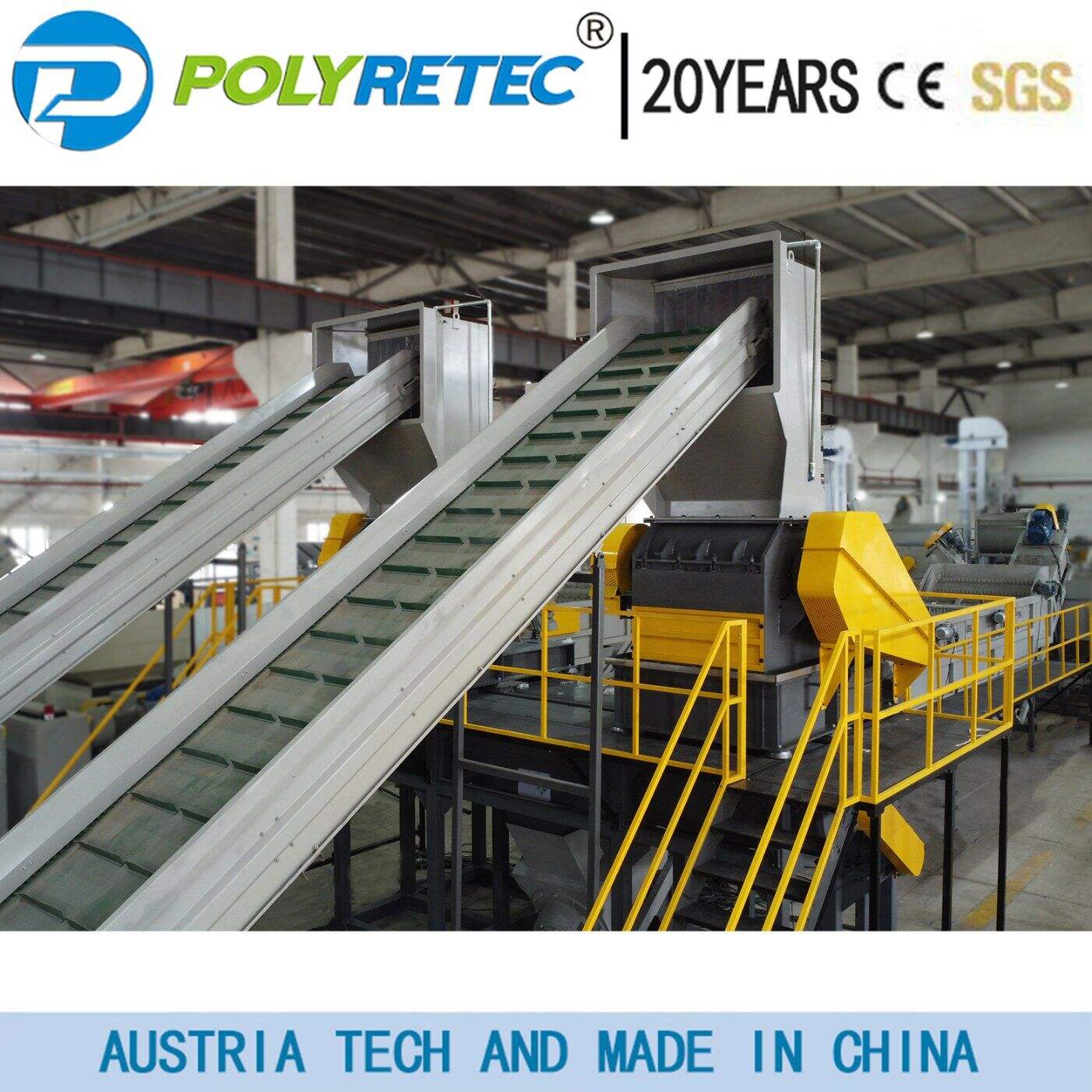
The growing volume of plastic waste presents a significant environmental challenge, yet it also represents an untapped resource for manufacturing and industrial production. A plastic recycling shredder serves as the critical first step in transforming discarded plastic materials into reusable feedstock, enabling manufacturers to recover value from waste streams while reducing dependence on virgin materials. By mechanically breaking down large plastic items into smaller, uniform fragments, these industrial machines unlock the potential for plastics to re-enter production cycles, supporting circular economy objectives and reducing landfill burden. Understanding how a plastic recycling shredder functions reveals why it has become indispensable in modern waste management infrastructure.
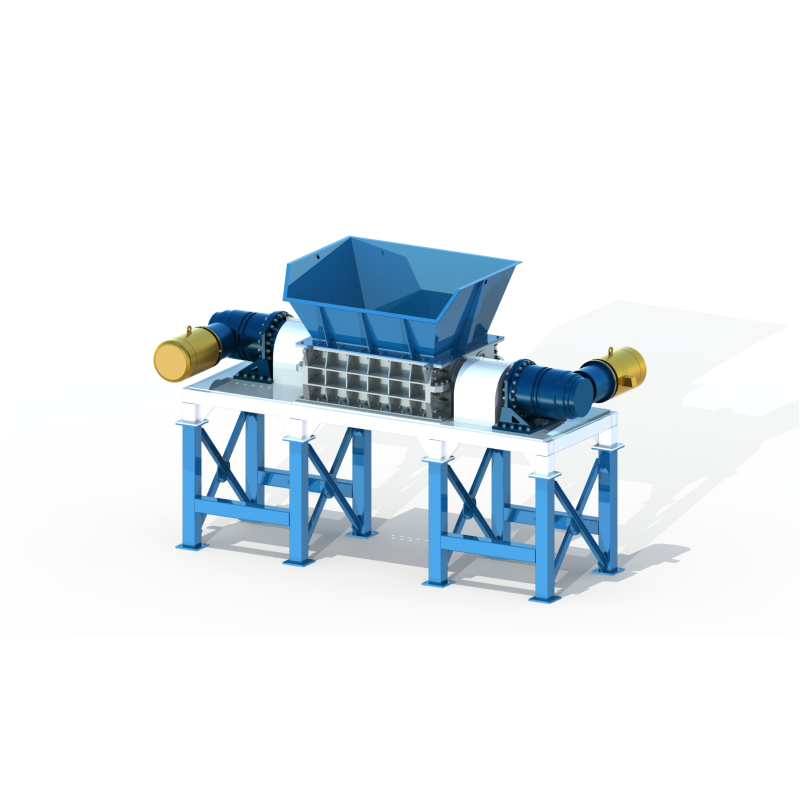
The mechanical process employed by a plastic recycling shredder directly addresses one of the most persistent barriers to material reuse: the physical form and size variability of plastic waste. Post-consumer and post-industrial plastics arrive at recycling facilities in countless shapes, densities, and contamination levels, making them difficult to handle, sort, and process without preliminary size reduction. By converting bulky items such as bottles, containers, films, and rigid plastics into consistent particle sizes, the shredder prepares materials for subsequent sorting, washing, and reprocessing operations. This transformation is not merely mechanical but fundamentally economic, as it increases the throughput efficiency of downstream equipment and enhances the quality of recycled output, ultimately making material reuse both technically feasible and commercially viable.
Mechanical Breakdown and Particle Size Standardization
Primary Size Reduction Mechanism
A plastic recycling shredder operates through rotating shaft assemblies equipped with cutting blades or teeth designed to engage and fracture plastic materials. The shredder receives unsorted plastic waste, which may include rigid containers, flexible films, or composite structures, and subjects them to high-torque mechanical forces. These forces generate shear, tension, and compression stresses that exceed the material's structural integrity, causing controlled fragmentation. The resulting particles typically range from coarse flakes to fine chips, depending on screen size and blade configuration, ensuring that all material exits the machine within a target size distribution suitable for further processing.
The consistency of particle size achieved by the plastic recycling shredder is critical for downstream operations such as density separation, washing, and extrusion. Uniform particles allow for more predictable behavior in flotation tanks, where different polymer types are separated based on density differences. Similarly, consistent fragment sizes ensure even heating and melting during extrusion, reducing defects in recycled pellets and improving the quality of final products. Without this initial size standardization, recycling facilities would face bottlenecks, increased energy consumption, and higher rejection rates, undermining the economic case for material reuse.
Handling Diverse Plastic Types and Contamination
Plastic waste streams contain a wide variety of polymer types, including polyethylene, polypropylene, polystyrene, polyethylene terephthalate, and polyvinyl chloride, each with distinct mechanical properties. A plastic recycling shredder must accommodate this diversity, processing brittle plastics that shatter easily alongside ductile materials that resist cutting. Advanced shredder designs incorporate adjustable blade geometries, variable shaft speeds, and interchangeable cutting tools to handle different material behaviors effectively. This adaptability ensures that mixed plastic waste can be processed without requiring extensive manual sorting, reducing labor costs and increasing facility throughput.
Contamination from labels, adhesives, metal caps, and organic residues further complicates the recycling process. The plastic recycling shredder begins the contamination removal process by liberating attached materials through mechanical action, allowing subsequent magnetic separators and washing systems to extract non-plastic components more efficiently. While the shredder alone cannot remove all contaminants, it breaks bonds between different materials, exposing surfaces for cleaning and making contamination more accessible to downstream purification equipment. This preparatory role is essential for achieving the purity levels required by end-users who demand recycled plastics with properties comparable to virgin resins.
Enhanced Processing Efficiency and Throughput
Optimizing Material Flow in Recycling Facilities
Recycling facilities operate under continuous pressure to maximize throughput while controlling operational costs. The plastic recycling shredder acts as a throughput enabler by converting bulky, space-consuming waste into dense, manageable fragments that flow smoothly through conveyors, hoppers, and processing equipment. Large plastic items such as pallets, crates, and drums can occupy significant floor space and create handling challenges, slowing down material intake and creating safety hazards. By reducing these items to uniform particles within minutes, the shredder eliminates material handling bottlenecks and enables continuous feed to downstream processes.
The volumetric reduction achieved by the plastic recycling shredder also translates into transportation and storage efficiencies. Shredded plastic occupies a fraction of the original waste volume, reducing the number of truck trips required to transport materials between collection points and processing facilities. This reduction lowers fuel consumption, transportation costs, and carbon emissions associated with waste logistics. Within the facility itself, shredded material can be stored in silos or bins, optimizing warehouse space utilization and enabling batch processing that aligns with production schedules. These logistical improvements contribute directly to the overall economic viability of plastic recycling operations.
Energy Efficiency and Equipment Longevity
Operating a plastic recycling shredder requires electrical energy to drive motors and hydraulic systems, but the energy invested at this stage yields significant downstream savings. By producing uniform particle sizes, the shredder reduces the energy required for subsequent grinding, melting, and extrusion operations. Smaller, consistent fragments melt more evenly and quickly in extruders, reducing cycle times and energy consumption per kilogram of recycled material. This energy efficiency cascade means that the initial investment in shredding technology pays dividends throughout the recycling process, improving overall system efficiency and reducing operational costs.
Proper sizing through shredding also extends the service life of downstream equipment. When oversized or irregularly shaped plastic pieces enter grinders, extruders, or pelletizers, they can cause jamming, excessive wear on cutting surfaces, and mechanical failures. The plastic recycling shredder prevents these issues by ensuring that only appropriately sized material enters subsequent processing stages. This protective function reduces maintenance frequency, lowers spare parts costs, and minimizes unplanned downtime, enhancing the reliability and profitability of recycling operations. Facilities that invest in robust shredding systems often report longer intervals between major equipment overhauls and lower total cost of ownership across their processing lines.
Material Quality Enhancement for Reprocessing
Surface Area Expansion and Cleaning Effectiveness
When a plastic recycling shredder fractures plastic items into smaller pieces, it dramatically increases the total surface area of the material. This expanded surface area is crucial for effective washing and decontamination processes that follow shredding. Chemical cleaning agents, hot water, and mechanical scrubbing act more efficiently on small particles than on large intact objects, penetrating crevices and removing adhered contaminants such as food residues, dirt, and ink. The increased surface-to-volume ratio achieved through shredding allows cleaning systems to achieve higher purity levels in shorter processing times, improving both the quality and economics of recycled output.
Enhanced surface exposure also facilitates better detection and removal of non-plastic contaminants during automated sorting. Optical sorters, metal detectors, and density separators all perform more reliably when processing uniform, small fragments rather than large, irregular objects. For example, near-infrared sensors can accurately identify polymer types on small flakes where light penetration and reflection patterns are consistent, whereas large containers with varying thicknesses may produce ambiguous readings. By standardizing material presentation through shredding, recycling facilities can deploy advanced sorting technologies more effectively, achieving higher separation accuracies and producing cleaner single-polymer streams for reprocessing.
Improving Melt Quality and Pellet Consistency
The ultimate goal of plastic recycling is to produce recycled pellets or flakes that meet specifications for manufacturing applications, often competing directly with virgin plastic resins. A plastic recycling shredder contributes to this quality objective by ensuring that material entering extruders has uniform thermal mass and melting behavior. When plastic fragments are consistent in size, they heat uniformly in extruder barrels, reducing the formation of gels, black specks, and other defects that compromise material properties. Uniform melting also allows better control over melt temperature and residence time, parameters that directly influence molecular weight retention and mechanical performance of recycled plastics.
Consistency in particle size translates into consistency in final pellet quality, a critical requirement for manufacturers who demand predictable material behavior in injection molding, blow molding, and extrusion applications. Recycled plastics that exhibit wide variations in melt flow index, tensile strength, or color stability face limited market acceptance and lower prices. By providing the foundation for controlled reprocessing through effective shredding, facilities can produce recycled materials that command premium prices and gain acceptance in demanding applications such as automotive components, packaging, and construction materials. This quality improvement closes the loop on material reuse, transforming waste into a genuine substitute for virgin resources.
Economic and Environmental Impact of Shredding Technology
Reducing Dependence on Virgin Plastic Production
Every kilogram of plastic waste successfully processed by a plastic recycling shredder and converted into reusable material represents a corresponding reduction in demand for virgin plastic production. Virgin plastic manufacturing is energy-intensive, relying heavily on petroleum feedstocks and generating significant greenhouse gas emissions during extraction, refining, and polymerization. By enabling efficient material recovery, shredding technology helps displace virgin plastic consumption, reducing the environmental footprint associated with plastic production. This displacement effect is particularly significant in high-volume applications such as packaging, where recycled content is increasingly mandated by regulation and consumer preference.
The economic value created through material reuse extends beyond direct cost savings on raw materials. Manufacturers using recycled plastics often qualify for green certifications, eco-labels, and corporate sustainability credits that enhance brand reputation and market positioning. Additionally, governments worldwide are implementing extended producer responsibility schemes and plastic taxes that penalize virgin material use while incentivizing recycled content. A plastic recycling shredder thus serves as a strategic asset, enabling businesses to comply with evolving regulations, capture incentive payments, and differentiate their products in environmentally conscious markets. The economic case for investing in shredding and recycling infrastructure strengthens as policy frameworks increasingly favor circular material flows.
Landfill Diversion and Waste Management Benefits
Plastic waste that is not recycled typically ends up in landfills or incinerators, both of which carry environmental and social costs. Landfills consume valuable land, generate methane emissions, and pose risks of groundwater contamination from leachate. Incineration, while recovering some energy, releases carbon dioxide and potentially toxic emissions if not properly controlled. The plastic recycling shredder provides a practical pathway for diverting plastic waste from these disposal routes, keeping materials in productive use and reducing the environmental burden of waste management. Municipalities and waste management companies increasingly view shredding and recycling as essential components of integrated waste strategies aimed at achieving zero-waste goals.
Diverting plastic waste through recycling also creates economic opportunities in the form of jobs, investment in processing infrastructure, and development of secondary material markets. Recycling facilities employing plastic recycling shredder technology generate employment for equipment operators, maintenance technicians, quality control specialists, and logistics personnel. The growth of recycling industries stimulates demand for complementary services such as collection, sorting, and transportation, creating distributed economic benefits across communities. By transforming waste from a disposal problem into a resource opportunity, shredding technology contributes to sustainable economic development models that align environmental stewardship with job creation and industrial innovation.
FAQ
What types of plastic can be processed by a plastic recycling shredder?
A plastic recycling shredder is designed to handle a wide range of plastic types, including rigid plastics such as bottles, containers, and automotive parts made from polyethylene, polypropylene, and polystyrene, as well as flexible materials like films and bags. The machine can also process engineering plastics such as ABS and polycarbonate, though blade configuration and motor power may need adjustment based on material hardness and brittleness. Mixed plastic waste streams are commonly processed, with downstream sorting equipment separating different polymer types after shredding.
How does shredding improve the economics of plastic recycling operations?
Shredding improves recycling economics by increasing throughput, reducing transportation and storage costs, and enhancing the quality of recycled output. Uniform particle sizes enable faster processing in washing, sorting, and extrusion equipment, reducing labor and energy costs per kilogram of material processed. Higher material quality achieved through effective shredding commands better prices in secondary material markets, improving revenue. Additionally, volumetric reduction lowers logistics expenses and warehouse space requirements, contributing to overall cost efficiency.
Can a plastic recycling shredder handle contaminated plastic waste?
Yes, a plastic recycling shredder can process contaminated plastic waste, though it does not remove contaminants entirely on its own. The shredding action breaks bonds between plastics and attached materials such as labels, adhesives, and dirt, liberating contaminants and increasing surface area for subsequent washing and separation processes. Downstream equipment including magnetic separators, air classifiers, and wash tanks complete the purification process. Effective contamination management requires an integrated system where the shredder serves as the first stage of a multi-step cleaning and sorting operation.
What maintenance does a plastic recycling shredder require to ensure reliable operation?
Regular maintenance of a plastic recycling shredder includes inspecting and sharpening or replacing cutting blades, checking shaft bearings for wear, monitoring hydraulic system pressure and fluid levels, and ensuring drive motor alignment and belt tension. Operators should clean screens and discharge areas to prevent material buildup and check for unusual vibrations or noise that may indicate mechanical issues. Following manufacturer-recommended maintenance schedules and using quality replacement parts extends equipment lifespan and minimizes unplanned downtime, ensuring consistent processing performance and throughput.
Table of Contents
- Mechanical Breakdown and Particle Size Standardization
- Enhanced Processing Efficiency and Throughput
- Material Quality Enhancement for Reprocessing
- Economic and Environmental Impact of Shredding Technology
-
FAQ
- What types of plastic can be processed by a plastic recycling shredder?
- How does shredding improve the economics of plastic recycling operations?
- Can a plastic recycling shredder handle contaminated plastic waste?
- What maintenance does a plastic recycling shredder require to ensure reliable operation?