
 EN
EN



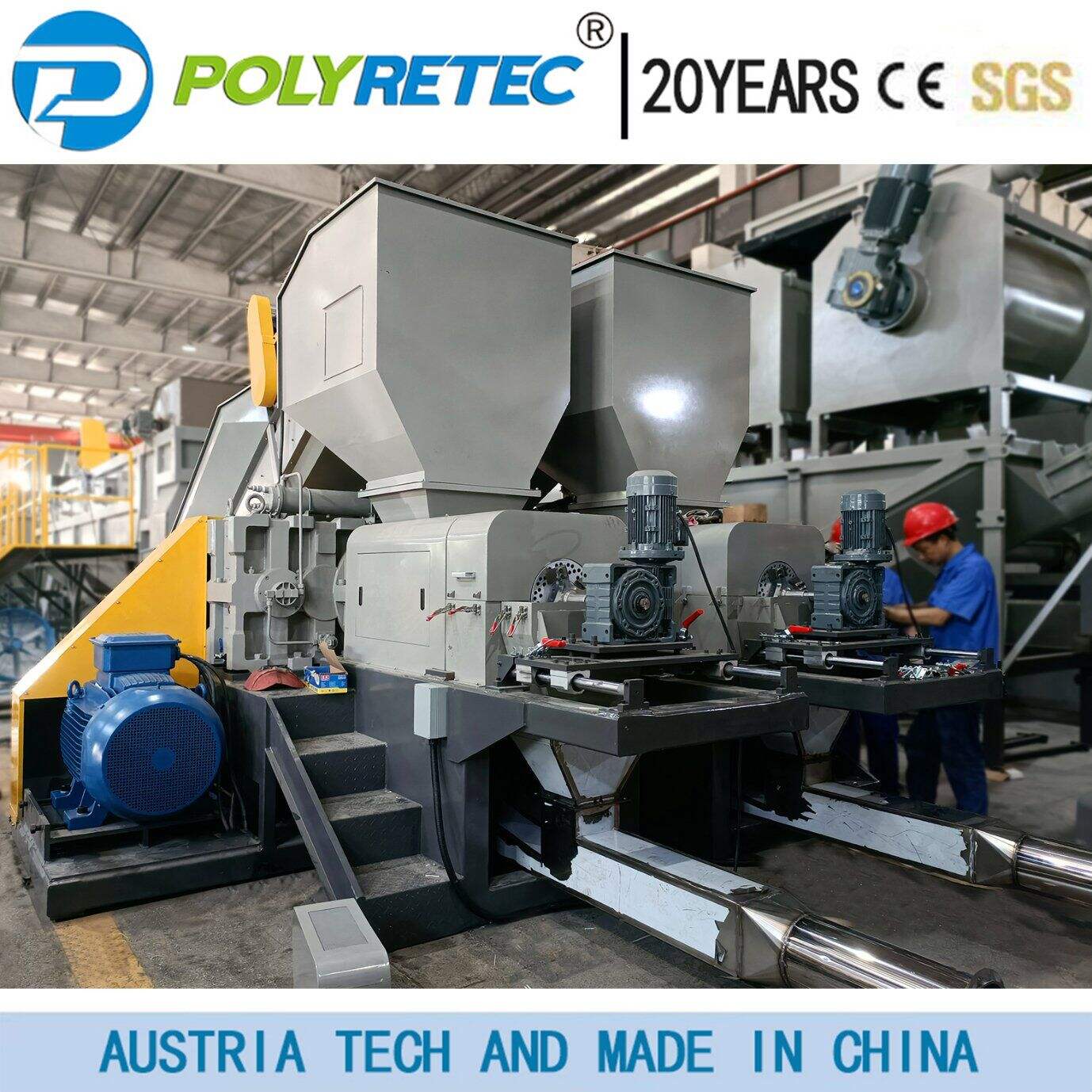
Maintaining a PET pelletizing machine is essential for ensuring consistent production quality, minimizing downtime, and extending the lifespan of your equipment. In the competitive landscape of plastic recycling and manufacturing, the performance of your PET pelletizing machine directly impacts operational efficiency, product quality, and profitability. This comprehensive guide explores proven maintenance strategies, preventive care protocols, and operational best practices that keep your equipment running at peak performance throughout its service life.
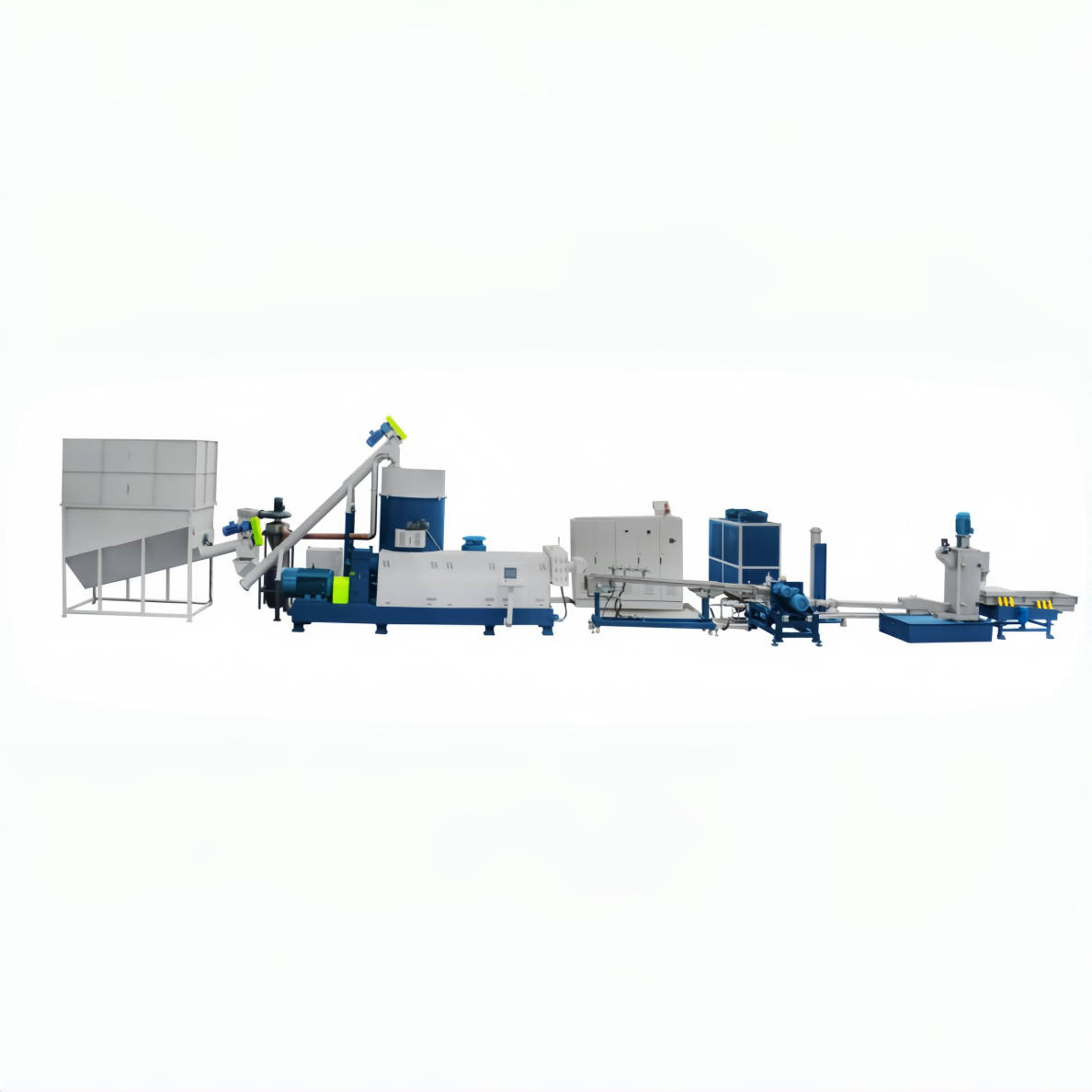
Whether you operate a single-line facility or manage multiple production units, understanding the maintenance requirements of your PET pelletizing machine enables you to implement systematic care routines that prevent unexpected failures. This article addresses the critical maintenance procedures, troubleshooting techniques, and performance optimization methods that experienced operators and maintenance teams rely on to achieve maximum uptime and consistent pellet quality in demanding industrial environments.
Understanding Critical Components Requiring Regular Maintenance
Extruder Barrel and Screw Assembly Maintenance
The extruder barrel and screw assembly form the heart of any PET pelletizing machine, where polymer melting and homogenization occur under precise temperature and pressure conditions. Regular inspection of barrel wear patterns helps identify potential issues before they compromise pellet quality or cause system failures. Operators should monitor barrel temperature profiles daily, checking for any deviations from standard operating parameters that might indicate heating element degradation or thermal sensor malfunction.
Screw wear assessment should be conducted quarterly or after processing approximately 500 tons of material, depending on the abrasiveness of your feedstock and the presence of fillers or additives. Visual inspection during scheduled downtime reveals wear patterns on flight edges, root diameters, and mixing elements that directly affect material conveyance and melt quality. Maintaining proper clearance between screw flights and barrel walls ensures optimal shear rates and prevents material degradation from excessive residence time.
Lubrication of the gearbox driving the screw assembly requires attention to both oil level and quality. Synthetic gear oils designed for high-temperature applications maintain viscosity under the thermal loads typical in PET processing. Oil analysis programs that test for metal particulates, viscosity breakdown, and contamination provide early warning of bearing wear or gear tooth degradation, allowing planned maintenance before catastrophic failure occurs.
Die Head and Screen Changer System Care
The die head assembly controls strand formation and directly influences final pellet dimensions and quality. Regular cleaning of die face plates prevents carbon buildup and oxidized polymer deposits that cause strand breakage or dimensional inconsistencies. Most operations benefit from weekly die face cleaning using approved brass brushes and purging compounds specifically formulated for PET processing temperatures.
Screen changer maintenance varies significantly based on system type, with continuous screen changers requiring different care protocols than hydraulic slide-plate designs. Monitoring pressure differential across filter screens provides real-time indication of contamination levels and optimal change timing. Establishing screen change intervals based on actual pressure data rather than arbitrary time schedules optimizes both filter media costs and PET pelletizing machine performance.
Hydraulic systems operating screen changers demand regular fluid checks, seal inspections, and cylinder rod protection from polymer contamination. Maintaining hydraulic oil cleanliness through proper filtration and scheduled fluid replacement prevents valve sticking and ensures consistent screen change cycles. Temperature monitoring of hydraulic components identifies cooling system issues before they lead to seal failure or fluid degradation.
Cooling and Pelletizing System Maintenance
Water temperature control in strand cooling baths critically affects pellet crystallinity and dimensional stability. Weekly water quality testing ensures proper conductivity levels and absence of biological growth that can compromise heat transfer efficiency. Water filtration systems require regular backwashing or media replacement to maintain clarity and prevent strand contamination from suspended particles.
Pelletizer knife blade condition directly determines pellet length consistency and surface quality. Blade inspection should occur during every production shift, with formal sharpening or replacement scheduled based on pellet quality metrics rather than arbitrary time intervals. Most operations achieve optimal results by rotating blade sets every 48 to 72 hours of operation, maintaining sharp cutting edges that produce clean cuts without fines generation.
Pelletizer rotor balance affects vibration levels and bearing life significantly. Quarterly vibration analysis using calibrated instruments identifies developing imbalance conditions before they cause bearing damage or motor coupling failures. Keeping spare rotor assemblies pre-balanced and ready for installation minimizes downtime during planned maintenance windows.
Establishing Preventive Maintenance Schedules
Daily Operational Checks and Adjustments
Daily maintenance routines for a PET pelletizing machine begin before production starts, with systematic checks of all safety interlocks, emergency stops, and machine guarding. Operators should verify proper operation of all temperature controllers, confirming that barrel zones, die head, and auxiliary heating elements reach setpoints within expected timeframes. Unusual heating delays often indicate element degradation or controller calibration drift requiring immediate attention.
Motor amperage monitoring during startup and steady-state operation provides valuable insight into drive system health and material processing consistency. Establishing baseline amperage values for standard production conditions enables quick identification of abnormal loads caused by material contamination, screw wear, or drive system issues. Recording these values in maintenance logs creates trend data valuable for predictive maintenance planning.
Cooling water flow rates and temperatures require verification at the beginning of each shift, ensuring adequate heat removal capacity for planned production rates. Blocked strainers or partially closed valves reduce flow rates gradually, often going unnoticed until processing issues emerge. Simple flow meter checks and visual inspection of cooling water clarity take minutes but prevent hours of troubleshooting and production losses.
Weekly Maintenance Procedures
Weekly maintenance activities for a PET pelletizing machine focus on cleaning, lubrication, and detailed inspection of high-wear components. Thorough cleaning of the pelletizer housing removes accumulated fines and polymer dust that can interfere with equipment operation or create housekeeping hazards. Proper cleaning also facilitates detailed visual inspection of structural components, guards, and safety devices.
Lubrication of pelletizer bearings, conveyor chains, and all grease fittings follows manufacturer specifications regarding grease type and quantity. Over-lubrication causes problems equal to under-lubrication, with excess grease potentially contaminating product or accelerating seal wear. Maintaining accurate lubrication records ensures consistency across shifts and provides documentation useful for troubleshooting recurring issues.
Belt tension inspection on all drive systems prevents slippage and premature wear. Proper tension allows minimal deflection under moderate finger pressure while avoiding excessive bearing loads from over-tightening. Replacing belts in complete sets rather than individually maintains balanced load distribution and prevents premature failure of new belts paired with stretched components.
Monthly and Quarterly Maintenance Tasks
Monthly maintenance windows provide opportunities for more extensive inspection and testing procedures that cannot be completed during normal production. Thermal imaging of electrical panels, motor connections, and heating elements identifies hot spots indicating loose connections or component degradation. Addressing these issues proactively prevents unexpected failures and reduces fire risk in production environments.
Quarterly maintenance for a PET pelletizing machine should include complete calibration verification of all temperature controllers, pressure transducers, and process instruments. Calibration drift over time leads to processing inconsistencies that affect product quality subtly before becoming obvious problems. Maintaining calibration records demonstrates quality system compliance and provides traceability for troubleshooting quality investigations.
Alignment checks of coupled equipment including motors, gearboxes, and drive components prevent premature bearing failure and reduce vibration-related problems. Laser alignment tools enable precision verification and adjustment that extends component life significantly compared to casual alignment practices. Documenting alignment measurements creates baseline data useful for detecting structural shifts or foundation settling over equipment lifetime.
Optimizing Performance Through Operational Best Practices
Material Handling and Preparation Standards
Feed material quality profoundly affects PET pelletizing machine maintenance requirements and performance consistency. Implementing rigorous material inspection protocols before processing identifies contamination, moisture content issues, and physical property variations that could compromise equipment or product quality. Pre-drying PET to specified moisture levels prevents hydrolytic degradation during processing and reduces maintenance needs related to material degradation products.
Consistent feed rate control maintains stable processing conditions that minimize stress on drive systems and temperature control equipment. Feed rate fluctuations force frequent adjustment of processing parameters, accelerating component wear and reducing product consistency. Installing gravimetric feeders or loss-in-weight systems provides the precise material delivery control that optimizes both product quality and equipment longevity.
Segregating material grades and colors prevents cross-contamination issues that can necessitate extensive purging and cleaning procedures. Dedicated storage systems, clearly labeled feed hoppers, and strict changeover protocols reduce the frequency of intensive cleaning operations that stress equipment and consume production time. These organizational practices complement mechanical maintenance in sustaining optimal PET pelletizing machine performance.
Process Parameter Documentation and Trending
Systematic documentation of processing parameters creates valuable data for identifying gradual performance degradation before it causes quality problems or equipment failures. Recording barrel zone temperatures, melt pressures, motor loads, and production rates during stable operation establishes baseline references for troubleshooting abnormal conditions. Digital data logging systems automate this documentation while enabling statistical analysis impossible with manual recording methods.
Trending key performance indicators over weeks and months reveals gradual changes indicating developing maintenance needs. Slowly increasing motor amperage might indicate progressive screw wear or barrel erosion, while gradually rising melt pressure suggests screen changer performance degradation or die plate contamination. Recognizing these trends enables planned maintenance during scheduled downtime rather than reactive repairs during production hours.
Quality metric tracking including pellet dimensions, bulk density, moisture content, and appearance characteristics provides indirect but valuable insight into PET pelletizing machine condition. Quality deterioration often precedes obvious mechanical symptoms, giving maintenance teams advance notice of developing issues. Correlating quality trends with process parameters and maintenance activities builds institutional knowledge that improves troubleshooting effectiveness over time.
Operator Training and Engagement
Well-trained operators represent the first line of defense against equipment problems, identifying abnormal conditions during early stages when corrective action is simplest and least costly. Comprehensive training programs covering both normal operation and troubleshooting techniques enable operators to distinguish between minor adjustments and conditions requiring maintenance intervention. This knowledge prevents both unnecessary service calls and delayed response to genuine problems.
Establishing clear communication protocols between operations and maintenance teams ensures that observed anomalies receive appropriate attention. Structured reporting systems using standardized terminology prevent misunderstandings and ensure that critical information reaches decision-makers quickly. Regular meetings between operations and maintenance personnel to review equipment performance foster collaborative problem-solving and continuous improvement.
Empowering operators to perform basic maintenance tasks including cleaning, lubrication, and minor adjustments increases equipment uptime while building operator investment in equipment care. Clearly defined responsibility boundaries prevent confusion about which tasks operators should handle versus those requiring specialized maintenance skills. This approach leverages operator familiarity with equipment behavior while respecting the technical expertise required for complex maintenance procedures.
Troubleshooting Common Performance Issues
Addressing Quality Inconsistencies
Pellet dimension variations often indicate problems with cooling water temperature consistency, pelletizer blade condition, or strand tension irregularities. Systematic troubleshooting begins with verifying that all process parameters match established standards before investigating mechanical causes. Temperature fluctuations in cooling water affect strand diameter, which directly translates to pellet length variations even when cutting blade operation remains consistent.
Excessive fines generation typically results from dull pelletizer blades, improper blade-to-die clearance, or vibration issues affecting cutting precision. Monitoring fines levels as a key performance indicator enables proactive blade maintenance before quality deterioration becomes severe. Some operations establish automatic blade change protocols based on cumulative production tonnage, eliminating subjective judgment from blade maintenance decisions.
Color or clarity issues in recycled PET pelletizing applications often trace to contamination in feed material or inadequate filtration capacity. While not strictly a maintenance issue, addressing these quality problems may require more frequent screen changes or filter pack modifications that affect maintenance schedules. Understanding the interaction between material quality and PET pelletizing machine performance helps maintenance teams support production quality objectives effectively.
Resolving Mechanical Performance Problems
Unusual noise or vibration in a PET pelletizing machine demands immediate investigation, as these symptoms often precede significant failures. Bearing problems announce themselves through characteristic frequency patterns detectable with vibration analysis equipment or sometimes simply by experienced operators listening carefully. Early bearing replacement based on vibration data prevents catastrophic failures that damage shafts or housings requiring extensive repairs.
Temperature control difficulties may result from failed heating elements, degraded thermal sensors, or controller calibration issues. Methodical troubleshooting using backup sensors or portable temperature measurement devices isolates sensor problems from actual temperature control failures. Maintaining spare heating elements and sensors minimizes downtime when component replacement becomes necessary during troubleshooting.
Drive system problems including motor overheating, frequent overload trips, or erratic speed control require investigation of both mechanical and electrical factors. Mechanical overload from material contamination or screw wear causes symptoms similar to electrical problems like phase imbalance or motor winding degradation. Comprehensive troubleshooting considers all potential causes rather than focusing prematurely on a single suspected issue.
Managing Wear-Related Performance Degradation
Gradual throughput reduction in a PET pelletizing machine often indicates progressive wear in the extruder screw or barrel despite absence of obvious quality problems. Measuring actual throughput against historical baselines reveals this degradation, which may not be apparent during routine operation. Production capacity verification during quarterly maintenance periods provides objective evidence for planning major component replacement before performance becomes unacceptable.
Increased melt pressure at constant production rates signals restriction in the flow path, whether from die contamination, screen changer issues, or excessive filtration media loading. Isolating the source requires systematic pressure measurement at multiple points along the melt path. This diagnostic approach identifies the specific component requiring attention rather than implementing unnecessary maintenance procedures based on assumptions.
Energy consumption increases without corresponding production gains indicate declining mechanical efficiency from wear or suboptimal processing conditions. Tracking specific energy consumption per ton of production creates a sensitive indicator of overall system health. Rising energy consumption despite maintaining other process parameters within specification provides early warning of developing problems requiring investigation.
Implementing Advanced Maintenance Strategies
Condition-Based Maintenance Programs
Transitioning from time-based to condition-based maintenance for your PET pelletizing machine optimizes maintenance resource allocation while reducing unnecessary interventions. Condition monitoring technologies including vibration analysis, thermal imaging, and oil analysis provide objective data about component health. This approach replaces arbitrary maintenance schedules with interventions timed to actual equipment needs based on measured conditions.
Implementing condition-based maintenance requires initial investment in monitoring equipment and training, but delivers significant returns through reduced downtime and extended component life. Sensors permanently installed on critical components enable continuous monitoring with automated alerts when parameters exceed acceptable thresholds. This real-time awareness allows maintenance teams to plan interventions during scheduled downtime rather than responding to unexpected failures.
Success with condition-based maintenance depends on establishing appropriate baseline values and threshold limits for your specific equipment and operating conditions. Generic guidelines provide starting points, but optimal parameters emerge from monitoring your particular PET pelletizing machine under actual operating conditions. Building this knowledge base requires several months of data collection but creates predictive capabilities impossible with conventional maintenance approaches.
Spare Parts Management and Planning
Strategic spare parts inventory balances the cost of maintaining inventory against the production impact of extended downtime waiting for components. Critical items with long lead times or single-source suppliers warrant maintaining stock despite inventory carrying costs. Analysis of historical failure patterns and supplier delivery performance guides inventory decisions, ensuring availability of parts most likely needed while avoiding excessive capital tied up in slow-moving inventory.
Establishing relationships with equipment manufacturers and authorized parts suppliers provides access to technical support and genuine components engineered specifically for your PET pelletizing machine. While aftermarket parts may offer cost savings, compatibility issues or performance compromises can negate apparent savings. Critical components particularly benefit from OEM parts backed by manufacturer engineering expertise and warranty protection.
Organizing spare parts storage with clear labeling, environmental protection, and inventory tracking systems ensures that parts remain serviceable and locatable when needed. Periodic inventory audits verify physical stock against records while identifying obsolete items or components approaching shelf-life limits. Well-managed spare parts programs contribute directly to minimizing downtime during both planned and unplanned maintenance activities.
Continuous Improvement and Performance Optimization
Formal continuous improvement programs focusing on PET pelletizing machine performance capture lessons learned from maintenance activities and operational experience. Regular review meetings analyzing recent problems, solutions implemented, and results achieved build organizational knowledge while identifying recurring issues requiring systematic solutions. This structured approach transforms reactive maintenance into proactive performance optimization.
Benchmarking your maintenance performance against industry standards or similar operations within your organization identifies improvement opportunities and validates effective practices. Metrics including mean time between failures, maintenance cost per ton produced, and overall equipment effectiveness provide objective measures of maintenance program success. Tracking these indicators over time demonstrates improvement and justifies resource allocation for maintenance activities.
Engaging equipment suppliers in periodic performance reviews leverages their expertise and experience across many installations. Suppliers often identify optimization opportunities or recommend updates based on field experience with similar equipment. These collaborative relationships benefit both parties, with suppliers gaining valuable application feedback while customers access technical expertise supporting performance improvement initiatives.
FAQ
How often should screw and barrel replacement occur on a PET pelletizing machine?
Screw and barrel replacement intervals vary significantly based on material characteristics, processing conditions, and production volume, but most operations achieve 18 to 36 months of service processing virgin PET with minimal fillers. Recycled materials or filled compounds accelerate wear, potentially requiring replacement every 12 to 18 months. Regular measurement of screw diameter and barrel bore provides objective data for replacement decisions rather than relying solely on time intervals. Monitoring throughput capacity, melt temperature consistency, and specific energy consumption helps identify performance degradation indicating approaching end of service life before quality problems emerge.
What are the signs that pelletizer blades need sharpening or replacement?
Increasing fines content in the pellet product represents the most reliable indicator of blade dulling, often appearing before visible pellet quality degradation. Pellet length inconsistency, stringing between pellets, or rough cut surfaces also indicate blade problems requiring attention. Most operations establish fines content limits triggering blade service regardless of operating hours, typically when fines exceed 1-2% of total production. Visual inspection during production breaks reveals wear patterns on blade edges, with rounding or chipping indicating need for sharpening or replacement. Establishing regular blade rotation schedules based on production tonnage rather than calendar time optimizes cutting performance while simplifying maintenance planning.
Can preventive maintenance actually reduce overall maintenance costs for PET pelletizing equipment?
Well-designed preventive maintenance programs consistently reduce total maintenance costs by 20-40% compared to purely reactive approaches, primarily through avoiding catastrophic failures that cause expensive secondary damage. Replacing a bearing during scheduled maintenance costs a fraction of repairing shaft damage, housing cracks, or motor replacement resulting from bearing failure during operation. Preventive maintenance also minimizes emergency premium freight costs and production losses from unplanned downtime. The key to cost-effective preventive maintenance lies in focusing resources on truly critical items with known wear patterns rather than performing unnecessary services on components with minimal failure risk. Data-driven approaches using condition monitoring optimize maintenance timing and resource allocation.
What temperature variations in barrel zones should trigger investigation during operation?
Temperature deviations exceeding 5-10 degrees Celsius from setpoint in any barrel zone warrant investigation, as these variations affect melt quality and processing consistency. Systematic deviation patterns across multiple zones may indicate controller calibration issues or problems with central temperature control systems. Individual zone deviations more commonly result from heating element degradation, thermal sensor problems, or excessive heat loss from damaged insulation. Sudden temperature increases sometimes indicate thermal sensor failure providing false readings rather than actual temperature excursions. Verifying actual temperatures using backup sensors or portable measurement devices confirms the nature of temperature deviations before implementing corrective actions.
Table of Contents
- Understanding Critical Components Requiring Regular Maintenance
- Establishing Preventive Maintenance Schedules
- Optimizing Performance Through Operational Best Practices
- Troubleshooting Common Performance Issues
- Implementing Advanced Maintenance Strategies
-
FAQ
- How often should screw and barrel replacement occur on a PET pelletizing machine?
- What are the signs that pelletizer blades need sharpening or replacement?
- Can preventive maintenance actually reduce overall maintenance costs for PET pelletizing equipment?
- What temperature variations in barrel zones should trigger investigation during operation?