
 EN
EN



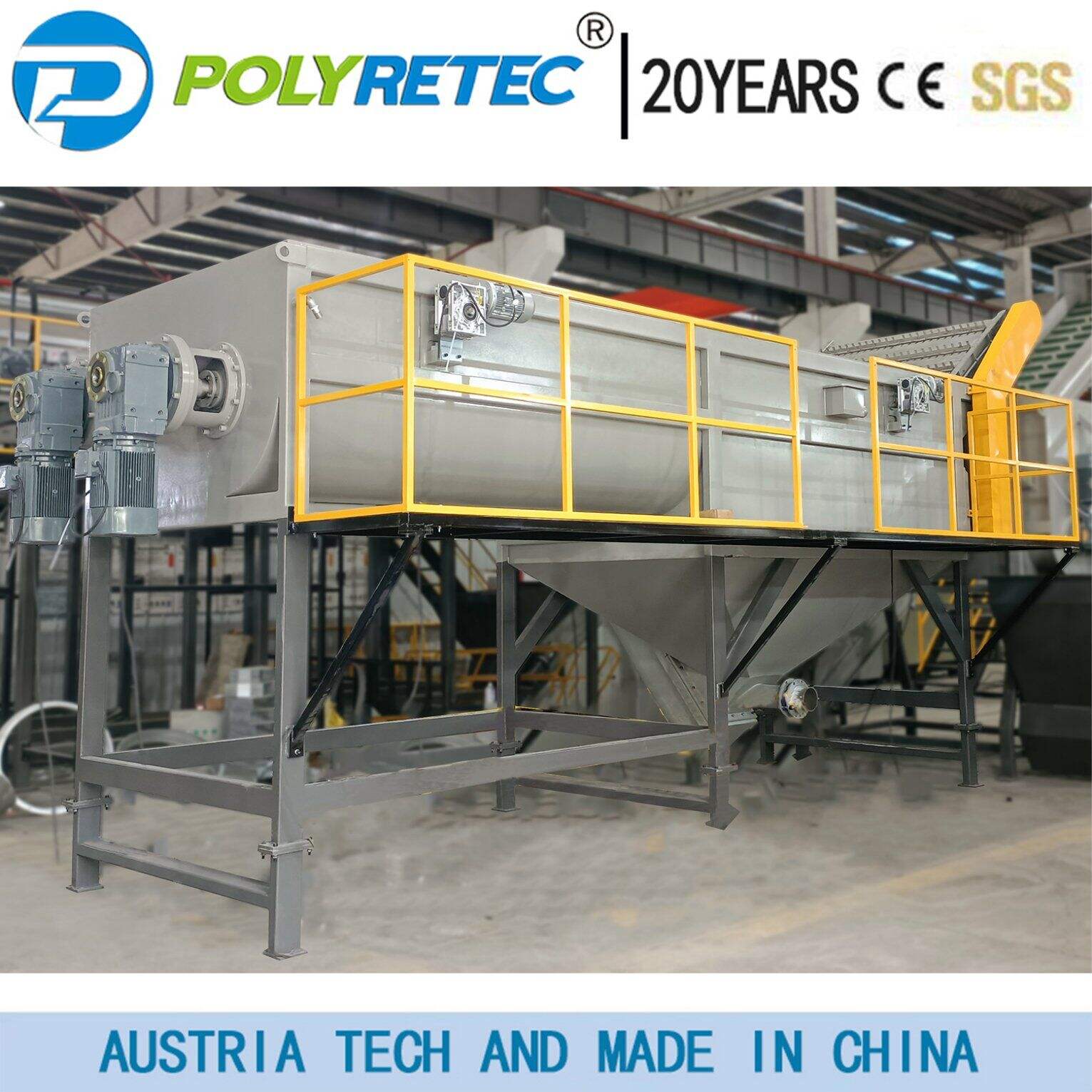
The global plastic waste crisis has reached unprecedented levels, with polyethylene terephthalate materials accounting for a significant portion of environmental pollution. Industrial facilities and recycling operations face mounting pressure to implement effective waste management strategies that transform post-consumer and post-industrial plastic waste into reusable resources. Among the technological solutions available today, PET pelletizing machines have emerged as critical infrastructure for businesses seeking to minimize waste streams while creating economic value from materials that would otherwise end up in landfills or natural ecosystems.
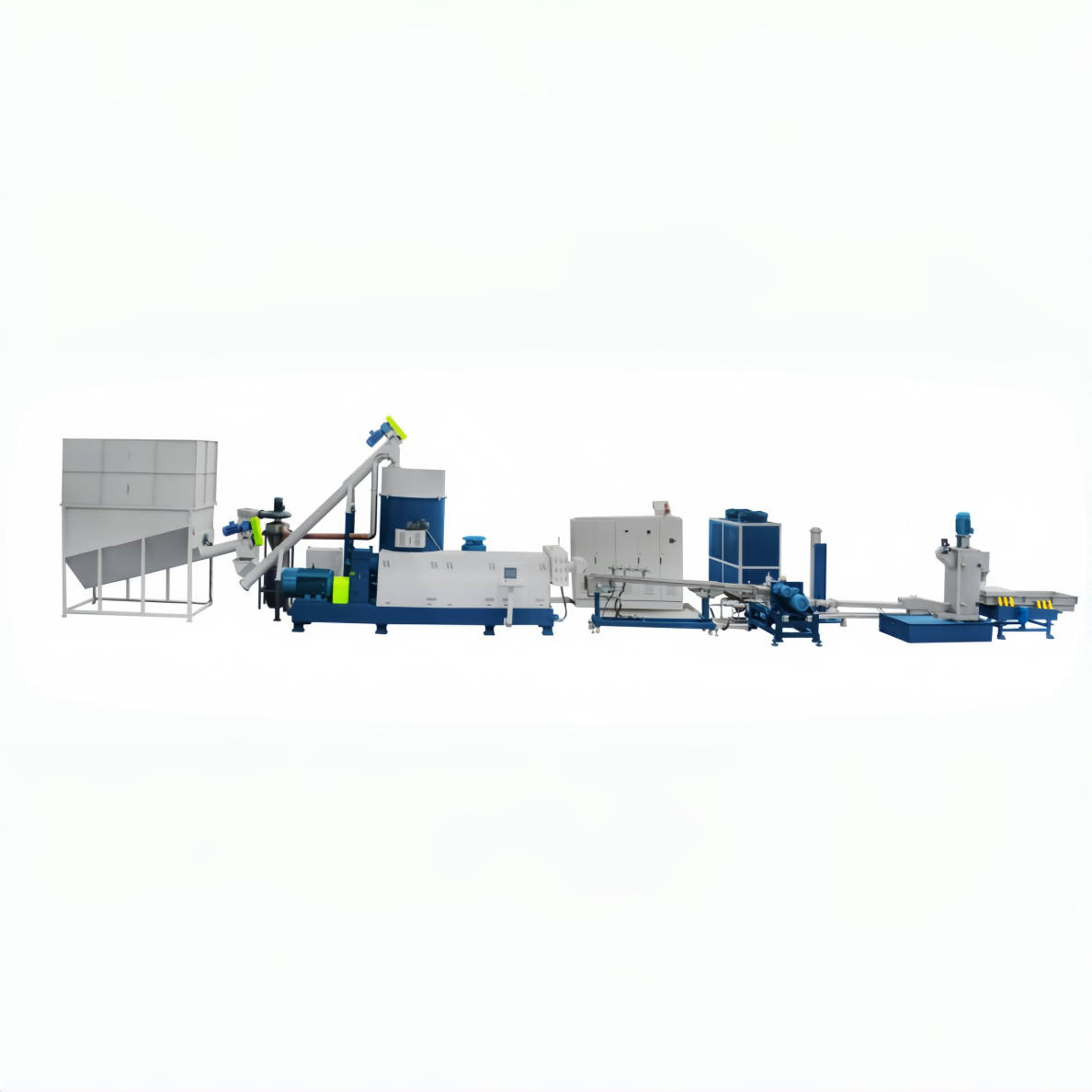
Understanding why PET pelletizing machines serve as essential tools for waste reduction requires examining both the technical capabilities of these systems and their broader impact on circular economy initiatives. These sophisticated processing units convert contaminated, irregular, or degraded plastic waste into uniform pellets that meet stringent quality specifications for manufacturing applications. By enabling the transformation of waste materials into production-ready feedstock, these machines address multiple environmental challenges simultaneously while creating sustainable business models for organizations across beverage, packaging, textile, and industrial sectors.
The Fundamental Role of PET Pelletizing Machines in Closing Material Loops
Converting Waste Streams Into Manufacturing Resources
PET pelletizing machines function as the critical bridge between waste collection systems and manufacturing processes. These units process contaminated bottles, film scraps, fiber waste, and industrial rejects through integrated washing, shredding, melting, and extrusion stages. The output consists of standardized pellets with controlled melt flow index, intrinsic viscosity, and color characteristics that manufacturers can directly substitute for virgin resin. This conversion capability eliminates the need for raw material extraction and primary polymerization, which represent the most energy-intensive and environmentally damaging phases of plastic production.
The waste-to-resource transformation enabled by PET pelletizing machines creates immediate material circularity within industrial operations. Beverage companies can process their own production waste and defective bottles back into preform manufacturing lines. Textile manufacturers can reclaim fiber production scraps for reintroduction into spinning operations. This closed-loop capability reduces both procurement costs and disposal expenses while dramatically decreasing the environmental footprint associated with linear take-make-dispose production models that dominated industrial practice for decades.
Addressing Volume and Contamination Challenges
Raw plastic waste presents significant handling difficulties due to low bulk density, irregular shapes, and contamination with labels, adhesives, food residues, and mixed materials. PET pelletizing machines overcome these challenges through integrated preprocessing systems that densify materials while removing contaminants. The resulting pellets occupy approximately one-tenth the volume of equivalent flake material, dramatically reducing storage space requirements and transportation costs. This volume reduction represents a crucial factor in making recycling operations economically viable, particularly in regions with high logistics costs or limited warehouse infrastructure.
Contamination management capabilities distinguish industrial-grade PET pelletizing machines from simpler processing equipment. Advanced filtration systems remove particulate contamination down to 50 microns, while vacuum degassing removes volatile organic compounds and moisture that would otherwise compromise pellet quality. Melt filtration through continuous screen changers prevents production interruptions while maintaining consistent output quality. These contamination control features enable processors to accept lower-grade feedstock that would be unsuitable for direct flake-to-product applications, thereby expanding the range of waste materials that can be diverted from disposal streams.
Enabling Economic Viability of Recycling Operations
The economic equation for plastic recycling operations depends heavily on producing output materials that command market prices sufficient to offset collection, sorting, and processing costs. PET pelletizing machines enhance economic viability by producing materials that closely match virgin resin specifications, enabling recyclers to capture premium pricing in competitive markets. Properly processed recycled pellets typically sell at 70-90% of virgin resin prices, compared to washed flakes that may only command 40-60% of virgin pricing. This price differential creates significantly stronger business cases for comprehensive recycling infrastructure investment.
Beyond direct material sales, PET pelletizing machines enable vertical integration opportunities that further improve operational economics. Processors can negotiate supply agreements directly with manufacturers, securing stable demand and avoiding commodity market volatility. Some operations implement toll processing models where manufacturers supply waste materials and purchase back finished pellets, creating guaranteed feedstock and customer relationships. These business model innovations, enabled by pelletizing capability, transform waste management from a cost center into a profit-generating operation.
Environmental Impact Quantification and Sustainability Benefits
Carbon Footprint Reduction Through Material Substitution
The environmental case for PET pelletizing machines centers on avoided emissions associated with virgin resin production. Manufacturing polyethylene terephthalate from petroleum feedstocks generates approximately 3.0 to 3.5 kilograms of carbon dioxide equivalent per kilogram of resin produced, accounting for extraction, refining, polymerization, and distribution. Recycling through pelletizing systems reduces this footprint to approximately 0.5 to 0.8 kilograms of carbon dioxide equivalent per kilogram, representing an 75-85% reduction in greenhouse gas emissions for equivalent functional material.
These emission reductions scale significantly when examining industrial production volumes. A single PET pelletizing machine operating at 500 kilograms per hour capacity processing 6,000 operating hours annually produces 3,000 metric tons of recycled pellets. This production volume prevents approximately 7,500 to 8,250 metric tons of carbon dioxide equivalent emissions compared to virgin resin manufacturing. For context, this emission avoidance equals removing approximately 1,600 to 1,800 passenger vehicles from roads for one year, demonstrating the substantial climate impact of individual processing facilities.
Landfill Diversion and Ecosystem Protection
PET pelletizing machines directly address the plastic waste accumulation crisis by providing economically viable alternatives to disposal. Each processing line diverts thousands of metric tons of material annually from landfills, incineration facilities, or environmental leakage pathways. Given that polyethylene terephthalate takes an estimated 450 years to naturally decompose in landfill conditions, material processed through pelletizing systems represents centuries of avoided environmental persistence. This temporal dimension of waste reduction creates environmental benefits that compound across decades and generations.
The ecosystem protection benefits extend beyond simple landfill diversion. Plastic waste that escapes collection systems frequently enters waterways and eventually accumulates in marine environments where it fragments into microplastics consumed by aquatic organisms. By creating economic incentives for waste collection through providing markets for collected materials, PET pelletizing machines strengthen the entire waste management value chain. Higher collection rates in regions with established pelletizing facilities demonstrate this indirect environmental benefit, as materials with processing destinations command collection attention that materials lacking markets do not receive.
Resource Conservation Beyond Carbon Metrics
While carbon footprint reductions receive primary attention in sustainability discussions, PET pelletizing machines deliver broader resource conservation benefits. Virgin resin production requires substantial water consumption for cooling, washing, and processing stages, with estimates ranging from 15 to 25 liters of water per kilogram of finished resin. Recycling through pelletizing systems reduces water consumption to approximately 3 to 5 liters per kilogram, representing 80-85% reduction. In water-stressed regions, this conservation benefit may prove equally or more significant than carbon reduction for overall environmental impact assessment.
Energy consumption patterns similarly favor pelletized recycling over virgin production. Manufacturing virgin polyethylene terephthalate requires approximately 70 to 85 megajoules of energy per kilogram of resin when accounting for feedstock extraction, transportation, and processing. Recycling operations consume approximately 15 to 25 megajoules per kilogram, representing roughly 70-75% energy savings. These energy reductions translate directly to reduced fossil fuel consumption and associated environmental impacts including air pollution, habitat disruption from extraction activities, and geopolitical tensions surrounding resource access and control.
Technical Capabilities That Enable Waste Reduction Goals
Processing Flexibility for Mixed and Contaminated Feedstocks
Modern PET pelletizing machines incorporate adaptive processing controls that accommodate significant variations in feedstock quality, moisture content, and contamination levels. This flexibility represents a crucial factor in waste reduction capability because real-world waste streams rarely match the clean, sorted materials found in laboratory testing conditions. Advanced systems adjust barrel temperatures, screw speeds, and residence times automatically based on melt viscosity sensors and pressure monitoring, maintaining output quality despite feedstock inconsistency. This adaptive capability allows processors to accept materials that would otherwise require disposal due to quality concerns.
The ability to process mixed-color streams further enhances waste reduction potential. While bottle-to-bottle recycling requires stringent color sorting to produce clear or specific-colored output, pelletizing for fiber or industrial applications can accept mixed colors that would otherwise be rejected from premium recycling streams. Some PET pelletizing machines incorporate inline color measurement and batch tracking systems that enable processors to create consistent colored pellet grades from variable inputs, opening markets for materials that lack color uniformity. This capability significantly expands the proportion of collected waste that can be economically processed rather than discarded.
Quality Control Systems for Consistent Output Specifications
Manufacturers accepting recycled materials demand consistency that matches virgin resin specifications. PET pelletizing machines meet these requirements through integrated quality control systems that monitor and adjust critical parameters continuously during production. Inline intrinsic viscosity measurement ensures molecular weight consistency crucial for applications like bottle preforms and textile fibers. Melt flow index testing verifies processability characteristics that affect downstream manufacturing efficiency. Color measurement systems quantify optical properties that determine suitability for various applications. These quality assurance capabilities enable recycled pellets to directly substitute for virgin materials without process modifications or performance compromises.
The consistency enabled by sophisticated PET pelletizing machines directly impacts waste reduction by ensuring that recycled materials meet application requirements without supplemental virgin resin blending. When recycled pellets require blending with virgin materials to achieve specifications, the effective waste reduction decreases proportionally. High-quality pelletizing that produces materials suitable for 100% recycled content applications maximizes environmental benefits while providing economic advantages to both recyclers and manufacturers. This quality-driven approach to waste reduction distinguishes industrial pelletizing operations from simpler mechanical recycling methods that produce lower-specification outputs requiring virgin material supplementation.
Capacity Scalability for Regional Waste Processing
PET pelletizing machines are available in capacity ranges from 100 kilograms per hour for small-scale operations to 3,000 kilograms per hour for major industrial facilities. This scalability allows waste reduction infrastructure to match regional waste generation volumes and collection system capabilities. Small municipalities can implement appropriately sized systems that process local collection volumes without requiring long-distance transportation to centralized mega-facilities. Conversely, major metropolitan areas can deploy high-capacity installations that efficiently process the substantial material volumes generated by dense populations and concentrated industrial activities.
Modular system designs further enhance scalability by allowing capacity expansion through adding parallel processing lines rather than replacing entire installations. This incremental growth capability reduces capital barriers to entry while providing operational flexibility as collection systems mature and feedstock volumes increase. Regional waste reduction strategies benefit from this scalability by enabling phased infrastructure development that matches investment capacity and risk tolerance while building toward comprehensive processing capabilities. The ability to start small and expand systematically removes significant barriers that prevent many regions from developing local recycling infrastructure.
Integration With Broader Circular Economy Initiatives
Supply Chain Transformation and Extended Producer Responsibility
PET pelletizing machines serve as enabling technology for extended producer responsibility programs that require manufacturers to manage end-of-life disposal for their products. By providing economically viable processing pathways for post-consumer materials, these systems make producer take-back programs practically feasible rather than purely compliance exercises. Beverage companies implementing bottle deposit systems can process collected materials through owned or contracted pelletizing facilities, creating truly circular supply chains where products become feedstock for subsequent production cycles. This integration of processing capability with collection infrastructure represents the operational foundation for functional circular economies.
The supply chain implications extend to procurement strategies and supplier relationships. Manufacturers with access to consistent recycled pellet supplies can reduce exposure to petroleum price volatility that affects virgin resin costs. Long-term supply agreements with pelletizing operations provide price stability and predictability that improves financial planning and competitive positioning. Some companies have vertically integrated by acquiring pelletizing capacity, ensuring material security while capturing processing margins. These strategic responses to pelletizing availability demonstrate how waste processing infrastructure influences broader industrial organization and competitive dynamics.
Policy Support and Regulatory Compliance
Regulatory frameworks increasingly mandate recycled content in manufactured products, with requirements ranging from 25% to 50% recycled material in beverage bottles across various jurisdictions. PET pelletizing machines provide the processing infrastructure necessary for compliance with these mandates by producing materials that meet food-contact safety standards and performance specifications. Without adequate pelletizing capacity, manufacturers face compliance challenges that may require reformulating products, modifying production processes, or accepting supply constraints. The availability of processing infrastructure therefore directly enables regulatory compliance while avoiding disruptions to established manufacturing operations.
Government incentive programs frequently target pelletizing infrastructure as strategic investments for waste reduction goals. Capital grants, tax incentives, and accelerated depreciation provisions reduce investment barriers for processing facility development. Some jurisdictions implement feed-in tariff equivalents for recycled materials, guaranteeing minimum prices that ensure operational viability during market downturns. These policy mechanisms recognize that PET pelletizing machines represent public infrastructure for waste management goals rather than purely private commercial equipment. The policy support reflects governmental understanding that waste reduction targets require processing capacity investment that market forces alone may not adequately incentivize.
Technology Development and Continuous Improvement
Ongoing technological advancement in PET pelletizing machines continuously expands waste reduction potential through improved efficiency, broader feedstock acceptance, and enhanced output quality. Recent innovations include solid-state polymerization integration that rebuilds molecular weight degraded during processing, enabling bottle-to-bottle recycling without virgin material supplementation. Advanced filtration technologies remove smaller particle sizes and broader contamination types, allowing processing of more challenging waste streams. Energy recovery systems capture waste heat for facility heating or electricity generation, improving overall process efficiency and environmental performance.
The innovation trajectory for PET pelletizing machines responds to evolving waste reduction challenges and market requirements. Development efforts focus on reducing energy consumption, increasing throughput rates, minimizing maintenance requirements, and expanding compatible material types. Some advanced systems now process multilayer packaging materials with polyethylene terephthalate components, addressing waste streams previously considered non-recyclable. Others incorporate artificial intelligence for predictive maintenance and process optimization, reducing downtime and maximizing material recovery. This continuous improvement cycle ensures that pelletizing technology remains relevant and effective as waste reduction challenges evolve and intensify.
FAQ
What volume of plastic waste can a typical PET pelletizing machine process annually?
Industrial PET pelletizing machines typically process between 500 and 2,500 kilograms per hour depending on system configuration and capacity rating. Operating on standard industrial schedules of approximately 6,000 to 7,500 hours annually accounting for maintenance downtime, a mid-range 1,000 kilogram per hour system processes between 6,000 and 7,500 metric tons of plastic waste per year. This volume represents the equivalent of approximately 200 to 250 million standard beverage bottles annually, demonstrating substantial waste diversion capability from individual processing installations.
How do PET pelletizing machines compare to mechanical flake recycling for waste reduction effectiveness?
While mechanical flake recycling provides valuable material recovery, PET pelletizing machines deliver superior waste reduction outcomes through several mechanisms. Pelletizing enables processing of more contaminated feedstocks that flake systems must reject, expanding the proportion of collected waste that can be recycled rather than disposed. The uniform pellet format commands higher market prices and enables direct substitution for virgin resin, creating stronger economic incentives for waste collection. Additionally, pelletizing reduces transportation costs and storage requirements through volume reduction, making recycling operations economically viable in more geographic locations and market conditions compared to flake-only processing approaches.
What quality standards must recycled pellets meet to effectively reduce waste through virgin material displacement?
Effective virgin material displacement requires recycled pellets to match specifications including intrinsic viscosity between 0.70 and 0.85 deciliters per gram for most applications, melt flow index appropriate for intended processing methods, color values within acceptable tolerance ranges, and contamination levels below 50 parts per million for general applications or below 5 parts per million for food-contact uses. Meeting these specifications ensures manufacturers can utilize recycled pellets without process modifications, quality compromises, or performance concerns. PET pelletizing machines with integrated quality control systems consistently produce materials meeting these standards, enabling genuine circular material flows rather than downcycling into progressively lower-value applications.
Can PET pelletizing machines process materials beyond post-consumer bottles to maximize waste reduction?
Modern PET pelletizing machines process diverse material forms including post-consumer bottles, industrial fiber waste from textile manufacturing, thermoformed packaging trays, strapping materials, and production scrap from preform and bottle manufacturing. This feedstock flexibility significantly expands waste reduction potential by providing processing pathways for materials that lack alternative recycling options. Some advanced systems handle materials with paper labels, adhesive residues, and minor contamination from other plastics, further broadening the waste streams that can be economically recovered. The ability to process mixed material forms within single operations improves facility utilization while reducing the sorting precision required in collection systems, thereby increasing overall recycling rates across diverse waste sources.
Table of Contents
- The Fundamental Role of PET Pelletizing Machines in Closing Material Loops
- Environmental Impact Quantification and Sustainability Benefits
- Technical Capabilities That Enable Waste Reduction Goals
- Integration With Broader Circular Economy Initiatives
-
FAQ
- What volume of plastic waste can a typical PET pelletizing machine process annually?
- How do PET pelletizing machines compare to mechanical flake recycling for waste reduction effectiveness?
- What quality standards must recycled pellets meet to effectively reduce waste through virgin material displacement?
- Can PET pelletizing machines process materials beyond post-consumer bottles to maximize waste reduction?