
 EN
EN



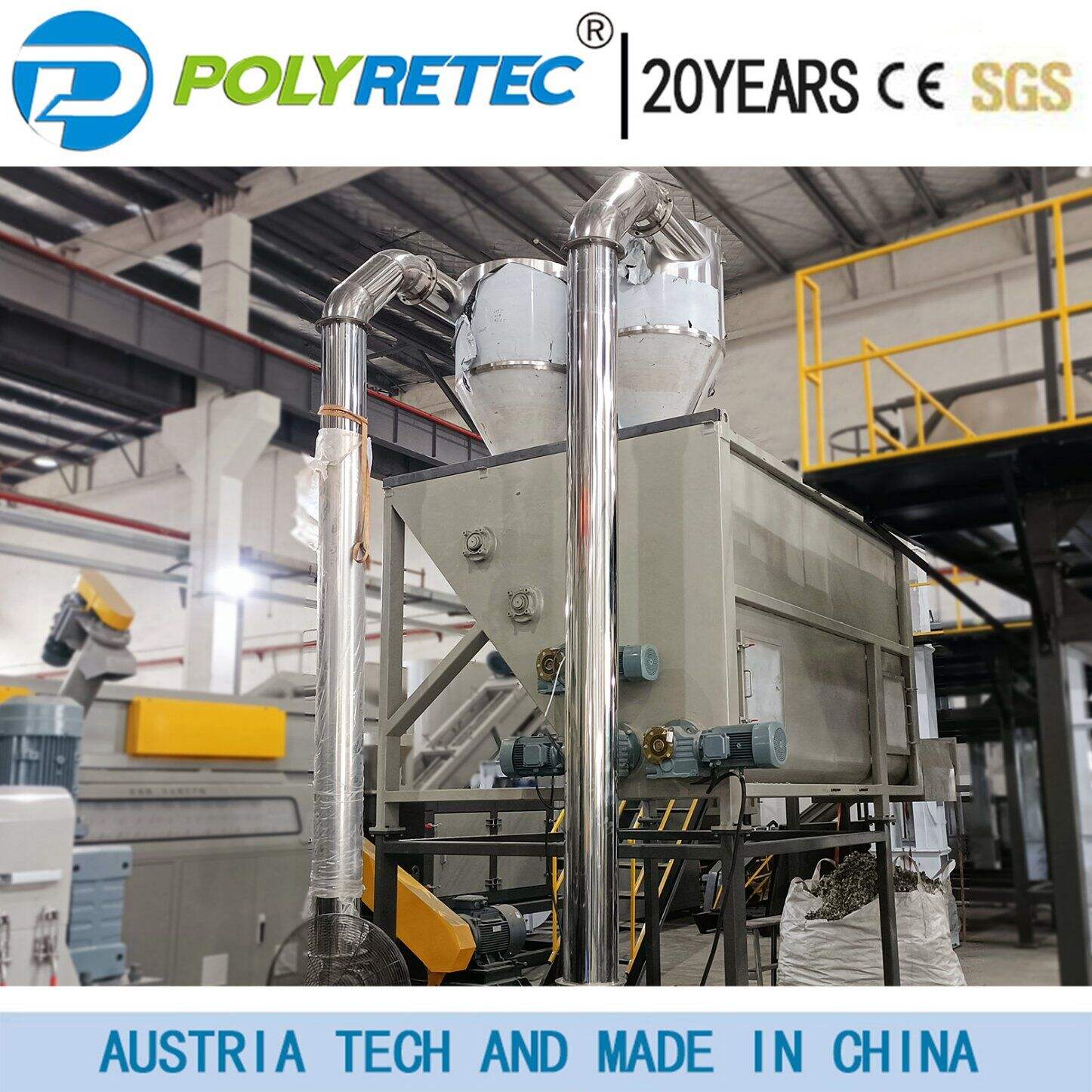
Implementing a comprehensive plastic scrap recycling system represents a strategic imperative for manufacturers, processors, and industrial operations seeking to reduce waste costs, enhance sustainability credentials, and create new revenue streams from previously discarded materials. This implementation guide provides actionable frameworks for establishing effective plastic scrap recycling operations, covering process design, equipment selection, quality control protocols, and operational optimization strategies that transform post-industrial and post-consumer plastic waste into valuable recyclate suitable for remanufacturing applications.

The successful implementation of plastic scrap recycling infrastructure requires systematic planning that addresses material characterization, contamination management, process technology selection, and integration with existing production workflows. Organizations ranging from injection molding facilities generating runner and sprue waste to packaging converters handling trim scrap must develop tailored approaches that account for polymer type, contamination levels, throughput requirements, and end-product specifications. This guide walks through the critical implementation stages, equipment considerations, process parameters, and performance benchmarks that define successful plastic scrap recycling operations capable of delivering consistent quality recyclate while achieving meaningful environmental and economic outcomes.
Pre-Implementation Assessment and Planning
Material Stream Analysis and Characterization
Effective plastic scrap recycling begins with comprehensive characterization of available waste streams, documenting polymer types, contamination profiles, generation rates, and current disposal costs. Conduct detailed audits that identify all plastic waste sources within your facility, segregating materials by resin family such as polyethylene, polypropylene, polyethylene terephthalate, polystyrene, and engineering thermoplastics. Record monthly generation volumes for each stream, noting seasonal variations and production schedule impacts that influence feedstock availability. This baseline data establishes the foundation for equipment sizing, process design decisions, and economic modeling that determines implementation feasibility.
Material characterization extends beyond simple polymer identification to include contamination assessment that significantly impacts processing requirements and recyclate quality. Evaluate the presence of labels, adhesives, coatings, printing inks, metal inserts, multi-material laminates, and cross-contamination from mixed waste handling. Quantify moisture content, particularly for hygroscopic polymers like nylon and polycarbonate that require pre-drying before processing. Document color variations, additive packages, and melt flow characteristics that influence recycling process parameters and determine whether segregation by grade is necessary to maintain recyclate specifications acceptable for target applications.
Economic Feasibility and Business Case Development
Building a compelling business case for plastic scrap recycling implementation requires detailed financial modeling that captures both cost savings from avoided disposal and potential revenue from recyclate sales or internal reuse. Calculate current waste management expenses including hauling fees, landfill tipping charges, and administrative overhead associated with waste stream management. Compare these baseline costs against the capital investment required for recycling equipment, installation, and facility modifications, along with ongoing operational expenses for labor, utilities, maintenance, and quality control. Most industrial plastic scrap recycling systems achieve payback periods between eighteen months and four years depending on waste volumes, material types, and local disposal costs.
Revenue potential from plastic scrap recycling depends on recyclate quality, market conditions, and whether materials are sold externally or reintegrated into internal manufacturing processes. High-quality, single-polymer recyclate from clean industrial scrap commands premium pricing, particularly for engineering resins and specialty polymers where virgin material costs are substantial. Internal reuse typically delivers higher economic value by eliminating both disposal costs and virgin material purchases, though it requires careful quality validation to ensure recycled content meets product performance specifications. Factor in potential carbon credits, sustainability reporting benefits, and corporate social responsibility value that increasingly influence customer preferences and regulatory compliance requirements in comprehensive economic assessments.
Equipment Selection and Process Design
Size Reduction and Shredding Systems
Size reduction represents the critical first stage in most plastic scrap recycling operations, transforming bulky waste materials into uniform particles suitable for washing, separation, and reprocessing. Granulators serve as the primary size reduction equipment for relatively clean industrial scrap, utilizing rotating knife assemblies and stationary bed knives to cut plastic into granules typically ranging from five to twenty millimeters. Select granulator models based on material type, with slow-speed units preferred for film and sheet materials that tend to wrap around high-speed rotors, while faster machines efficiently process rigid parts and thick-walled components. Throughput capacity should align with waste generation rates while providing twenty to thirty percent reserve capacity to accommodate production fluctuations.
Shredders handle heavier contaminated materials, large bulky items, and mixed waste streams that exceed granulator capabilities, employing dual-shaft or single-shaft designs with robust cutting systems capable of processing metal inserts, dense composites, and heavily contaminated feedstock. Two-stage size reduction systems combine an initial shredding step to break down large items followed by granulation for final particle sizing, delivering superior particle uniformity and processing efficiency for challenging materials. Incorporate magnetic separation, metal detection, and density-based sorting equipment downstream of size reduction to remove contaminants before advanced processing stages. Dust collection and noise attenuation systems are essential accessories that maintain workplace safety and environmental compliance during size reduction operations.
Washing and Contamination Removal Infrastructure
Contamination removal through washing systems dramatically improves recyclate quality for materials exposed to dirt, oils, labels, adhesives, and other surface contaminants common in post-consumer and some post-industrial plastic scrap recycling applications. Friction washers employ high-speed agitation in water baths with optional detergent addition to scrub particle surfaces, removing labels and adhesives while separating lighter contaminants that float or heavier materials that sink. Temperature control and retention time adjustments optimize cleaning efficiency for different polymer types and contamination levels. Hot water washing at temperatures between sixty and ninety degrees Celsius enhances cleaning performance but increases energy consumption and may soften certain thermoplastics.
Sink-float separation tanks exploit density differences to segregate mixed polymer types and remove high-density contaminants like polyvinyl chloride, polyethylene terephthalate, and inorganic materials from lower-density polyolefins. Design separation systems with sufficient residence time for complete density-based sorting, typically requiring tank lengths that provide three to five minutes of retention. Incorporate countercurrent rinsing stages to remove residual detergents and dissolved contaminants that could impact downstream processing or final product quality. Centrifugal dryers reduce moisture content in washed materials to below two percent, while thermal drying systems achieve moisture levels below half of one percent required for hygroscopic engineering thermoplastics before melt processing in plastic scrap recycling extruders.
Extrusion and Pelletizing Technology
Extrusion systems convert cleaned and dried plastic scrap into uniform pellets suitable for remanufacturing applications, melting the polymer under controlled temperature and pressure conditions while filtering contaminants and homogenizing material properties. Single-screw extruders handle clean, well-characterized industrial scrap with consistent melt characteristics, offering lower capital costs and simpler operation compared to twin-screw designs. Twin-screw extruders provide superior mixing, devolatilization, and contamination tolerance essential for challenging feedstocks including multi-layer materials, contaminated scrap, and polymer blends requiring compatibilization. Select extruder diameter and length-to-diameter ratio based on throughput requirements, with longer barrels providing enhanced mixing and degassing performance.
Filtration systems integrated into extrusion lines remove unmelted contaminants, gels, and degraded polymer that could compromise pellet quality or cause defects in final products manufactured from recycled resin. Screen changers with continuous or semi-continuous operation maintain consistent melt pressure and minimize production interruptions during filter media replacement. Pelletizing systems employ strand pelletizing for simpler operations where molten polymer is extruded through a die plate into water baths, cooled, and cut into cylindrical pellets, or underwater pelletizing for higher throughput applications where rotating knives cut the melt immediately as it exits the die face submerged in water. Pellet drying, screening, and packaging systems complete the processing line, delivering finished recyclate ready for internal reuse or external sale.
Operational Implementation and Process Optimization
Material Handling and Workflow Integration
Efficient material handling infrastructure ensures smooth plastic scrap recycling operations by minimizing manual labor, reducing contamination risks, and maintaining consistent feedstock supply to processing equipment. Design collection systems with strategically positioned bins, gaylords, or hoppers at waste generation points throughout manufacturing facilities, clearly labeled to prevent cross-contamination between polymer types. Implement color-coded segregation protocols and provide operator training on proper waste sorting practices that maintain feedstock purity essential for producing specification-grade recyclate. Pneumatic conveying systems, belt conveyors, or forklift protocols move collected materials to centralized storage areas where inventory management practices ensure first-in-first-out material rotation.
Integrate plastic scrap recycling operations with production schedules to optimize equipment utilization and manage energy costs through strategic timing of batch processing. Establish buffer storage capacity for both incoming scrap and finished pellets that accommodates production variations and prevents process bottlenecks. Automated feeding systems maintain consistent material flow to size reduction and extrusion equipment, improving process stability and reducing operator intervention. Real-time monitoring systems track throughput rates, energy consumption, equipment performance, and quality metrics, providing operational visibility that enables rapid response to process deviations and supports continuous improvement initiatives focused on maximizing recycling efficiency and recyclate quality.
Quality Control and Specification Management
Rigorous quality control protocols ensure plastic scrap recycling operations consistently produce recyclate meeting specifications for target applications, whether internal reuse or external sales. Establish sampling procedures that collect representative material at critical process stages including incoming feedstock verification, post-washing contamination checks, and finished pellet characterization. Test methods should encompass melt flow index measurements to assess processability, density determination to confirm polymer purity, tensile strength and impact resistance evaluation to verify mechanical performance, and color measurement to ensure appearance consistency. Moisture content testing is particularly critical for engineering thermoplastics where excessive moisture causes hydrolytic degradation during melt processing.
Develop clear acceptance criteria for incoming scrap materials that specify allowable contamination levels, acceptable polymer types, and prohibited materials that could damage equipment or compromise recyclate quality. Implement statistical process control methods that monitor key quality parameters over time, establishing control limits that trigger corrective actions when process drift occurs. Document all quality test results, process parameters, and corrective actions in comprehensive records that support traceability requirements and facilitate root cause analysis when quality issues arise. For recyclate intended for regulated applications such as food contact or medical device manufacturing, establish validation protocols demonstrating consistent compliance with applicable safety standards and regulatory requirements.
Performance Monitoring and Continuous Improvement
Systematic performance monitoring transforms plastic scrap recycling from a waste management activity into a value-generating operation through data-driven optimization of key performance indicators. Track yield efficiency by measuring the mass of finished pellets relative to incoming scrap feedstock, identifying losses to contamination removal, volatilization, and process waste that represent improvement opportunities. Monitor energy consumption per kilogram of recyclate produced, benchmarking performance against industry standards and implementing energy efficiency measures such as motor upgrades, insulation improvements, and waste heat recovery. Calculate equipment utilization rates and overall equipment effectiveness metrics that quantify productive operating time versus downtime for maintenance, material changeovers, and unplanned stoppages.
Establish regular review cycles that analyze performance trends, identify improvement opportunities, and implement corrective actions to enhance plastic scrap recycling operations. Conduct periodic equipment inspections and preventive maintenance according to manufacturer recommendations, replacing wear components before failure causes unplanned downtime or quality issues. Evaluate opportunities for process automation, advanced separation technologies, or capacity expansion as waste volumes increase or new material streams become available. Engage operators and maintenance personnel in continuous improvement activities, leveraging their practical experience to identify bottlenecks, safety concerns, and operational inefficiencies that may not be apparent from management perspectives alone.
Advanced Considerations for Complex Applications
Multi-Material and Contaminated Feedstock Strategies
Processing contaminated or multi-material plastic scrap recycling feedstocks requires specialized approaches that extend beyond basic mechanical recycling to achieve acceptable recyclate quality. Near-infrared spectroscopy and X-ray fluorescence sorting technologies automatically identify and separate different polymer types in mixed waste streams, enabling recovery of individual resin families from commingled sources. Density separation systems exploit specific gravity differences to segregate polymers, remove heavy contaminants like polyvinyl chloride from polyolefin streams, and separate polyethylene terephthalate from polypropylene and polyethylene. Electrostatic separation leverages differences in triboelectric charging characteristics to sort dissimilar polymers after size reduction and drying.
Chemical treatment processes address contamination challenges that mechanical cleaning cannot resolve, including deinking systems that remove printing inks from packaging films, solvent washing to eliminate stubborn adhesives and coatings, and surface etching to remove oxidized layers from weathered materials. Compatibilization strategies enable intentional blending of otherwise incompatible polymer mixtures through reactive processing with coupling agents or impact modifiers that improve interfacial adhesion and mechanical properties. Such approaches expand the range of plastic scrap recycling feedstocks that can be economically processed while maintaining recyclate quality sufficient for demanding applications, though they increase process complexity and operational costs compared to clean single-polymer recycling.
Regulatory Compliance and Environmental Permitting
Implementing plastic scrap recycling operations requires navigation of environmental regulations governing waste handling, air emissions, water discharge, and workplace safety that vary by jurisdiction and facility location. Determine whether your operation requires waste processing permits, air quality permits for volatile organic compound emissions from washing and drying operations, or water discharge permits for process effluent. Stormwater management plans may be necessary for outdoor material storage areas to prevent contamination of surface water. Establish compliance programs that monitor permitted parameters, maintain required records, and submit periodic reports to regulatory authorities demonstrating adherence to permit conditions.
Workplace safety regulations require implementation of machine guarding on size reduction equipment, dust collection systems to control respirable particulates, noise exposure monitoring and hearing protection programs, and hazard communication protocols for cleaning chemicals and additives used in plastic scrap recycling processes. Develop standard operating procedures that document safe work practices, emergency response protocols, and personal protective equipment requirements. Conduct regular safety training for operators and maintenance personnel covering equipment lockout procedures, confined space entry protocols where applicable, and proper handling of hot materials and pressurized systems associated with extrusion operations. Integrate environmental and safety compliance into operational routines through checklists, audits, and management review processes that maintain regulatory adherence while supporting efficient production.
FAQ
What initial investment is required for implementing plastic scrap recycling in a manufacturing facility?
Initial investment for plastic scrap recycling implementation varies significantly based on waste volumes, material types, and desired recyclate quality, typically ranging from fifty thousand dollars for basic granulation systems handling clean industrial scrap to over one million dollars for complete washing, separation, and extrusion lines processing contaminated materials. Small-scale operations recycling under five hundred kilograms per hour of clean single-polymer scrap can implement effective systems with granulators, metal detectors, and material handling equipment in the seventy-five thousand to one hundred fifty thousand dollar range. Mid-scale operations processing one to three tons per hour with moderate contamination require washing systems, advanced separation technology, and extrusion equipment representing investments between three hundred thousand and six hundred thousand dollars. Large integrated systems with automated sorting, multi-stage washing, twin-screw extrusion, and sophisticated quality control infrastructure exceed one million dollars but deliver superior recyclate quality and processing flexibility for diverse feedstocks.
How do quality specifications for recycled plastic pellets compare to virgin resin requirements?
Quality specifications for recycled plastic pellets vary depending on intended applications, with clean post-industrial recyclate from well-controlled sources often meeting or approaching virgin resin specifications for non-critical applications, while post-consumer recyclate typically exhibits broader property ranges requiring careful application matching. Melt flow index variations in recycled materials generally span wider ranges than virgin resins due to thermal history effects and potential degradation during initial processing and recycling, necessitating process parameter adjustments in downstream manufacturing. Mechanical properties including tensile strength and impact resistance typically decrease by ten to thirty percent in recycled materials compared to virgin equivalents, though this reduction can be minimized through careful feedstock selection, gentle processing conditions, and stabilizer addition. Color consistency represents a significant challenge for recycled materials unless source-separated by color or processed with pigments to achieve uniform appearance, while contamination specifications for recycled pellets permit higher levels of gels, blacks specs, and foreign materials than virgin resin standards allow.
Can different types of plastic waste be recycled together or must they be strictly segregated?
Strict segregation of different polymer types delivers optimal recyclate quality and broadest application suitability in plastic scrap recycling operations, though certain compatible polymer combinations can be intentionally blended with acceptable property compromises for less demanding applications. Polyethylene and polypropylene represent partially compatible polyolefins that can be co-processed in ratios up to thirty percent minor component without catastrophic property loss, though resulting blends exhibit reduced clarity and somewhat compromised mechanical performance compared to pure resins. Incompatible polymer combinations such as polyethylene terephthalate with polyolefins, polystyrene with polyamides, or polyvinyl chloride with most other thermoplastics produce recyclate with severely degraded properties unsuitable for most applications and should be rigorously segregated. Advanced sorting technologies including near-infrared spectroscopy enable automated separation of mixed polymer streams, recovering individual resin families from commingled sources, while compatibilization additives can improve property retention in intentional blends though at increased cost and processing complexity.
What operational challenges most frequently impact plastic scrap recycling system performance?
Contamination control represents the most pervasive operational challenge in plastic scrap recycling, with even small amounts of incompatible materials, moisture, oils, or particulates significantly degrading recyclate quality and potentially causing equipment damage or process disruptions. Inconsistent feedstock quality arising from variable waste generation practices, seasonal production changes, or inadequate segregation protocols creates process instability requiring frequent parameter adjustments and increasing off-specification product rates. Equipment wear on size reduction components, extruder screws, and filter screens necessitates regular maintenance and replacement to maintain processing efficiency and product quality, with abrasive fillers, glass reinforcement, and contaminating materials accelerating wear rates. Throughput limitations emerge when waste generation exceeds initial equipment capacity projections, requiring capital investment in additional processing lines or higher-capacity equipment to maintain operational efficiency. Energy costs significantly impact recycling economics, particularly for operations requiring extensive drying, high-temperature washing, or intensive extrusion processing, making energy efficiency optimization essential for long-term economic sustainability of plastic scrap recycling programs.
Table of Contents
- Pre-Implementation Assessment and Planning
- Equipment Selection and Process Design
- Operational Implementation and Process Optimization
- Advanced Considerations for Complex Applications
-
FAQ
- What initial investment is required for implementing plastic scrap recycling in a manufacturing facility?
- How do quality specifications for recycled plastic pellets compare to virgin resin requirements?
- Can different types of plastic waste be recycled together or must they be strictly segregated?
- What operational challenges most frequently impact plastic scrap recycling system performance?