
 EN
EN



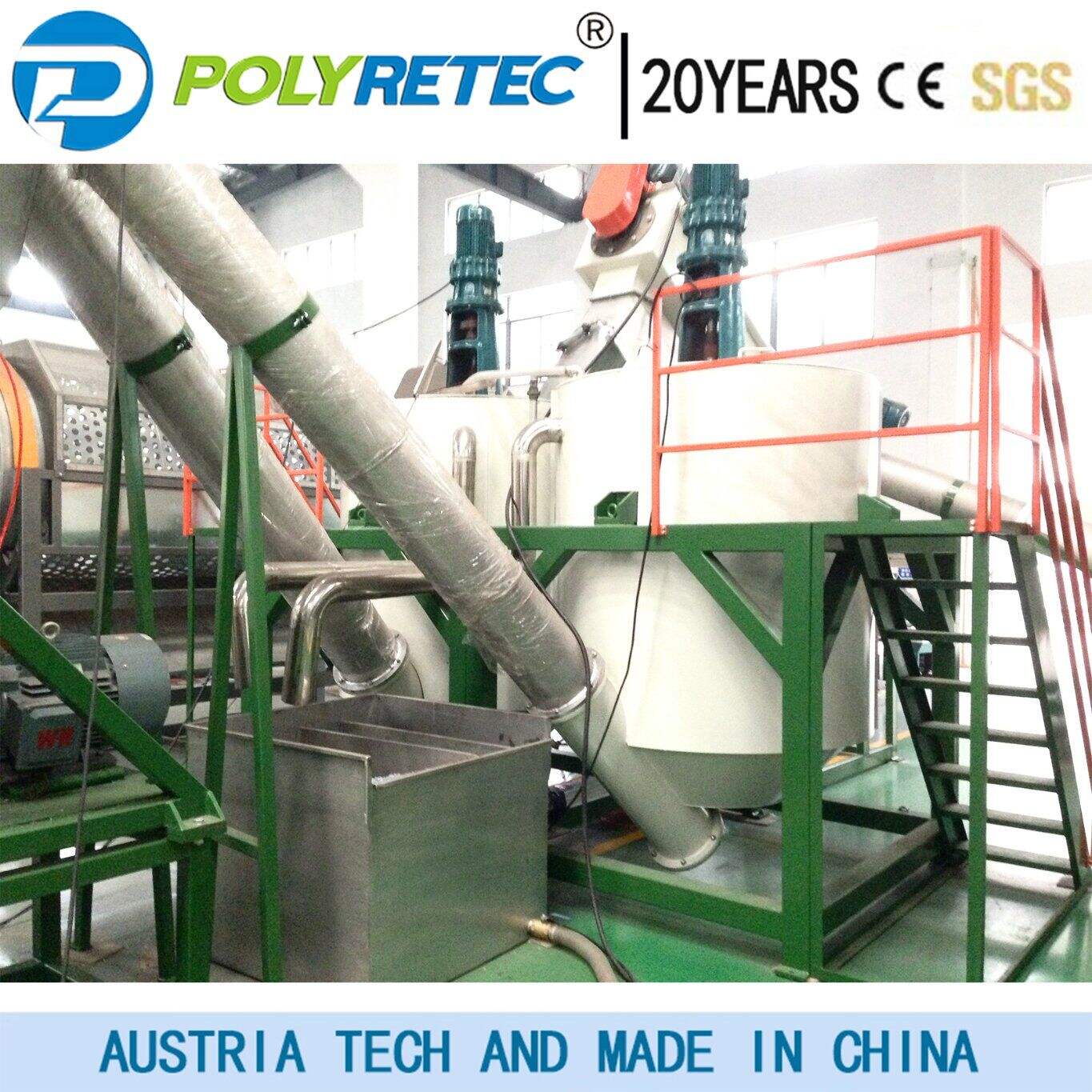
The global plastic waste crisis has reached unprecedented levels, with over 300 million tons of plastic waste generated annually worldwide. Within this environmental challenge, a plastic recycling shredder emerges as a critical technological solution that transforms discarded plastic materials into reusable resources. This mechanical processing equipment serves as the foundation of sustainable plastic waste management, enabling industries to convert what was once considered waste into valuable raw materials for new production cycles.
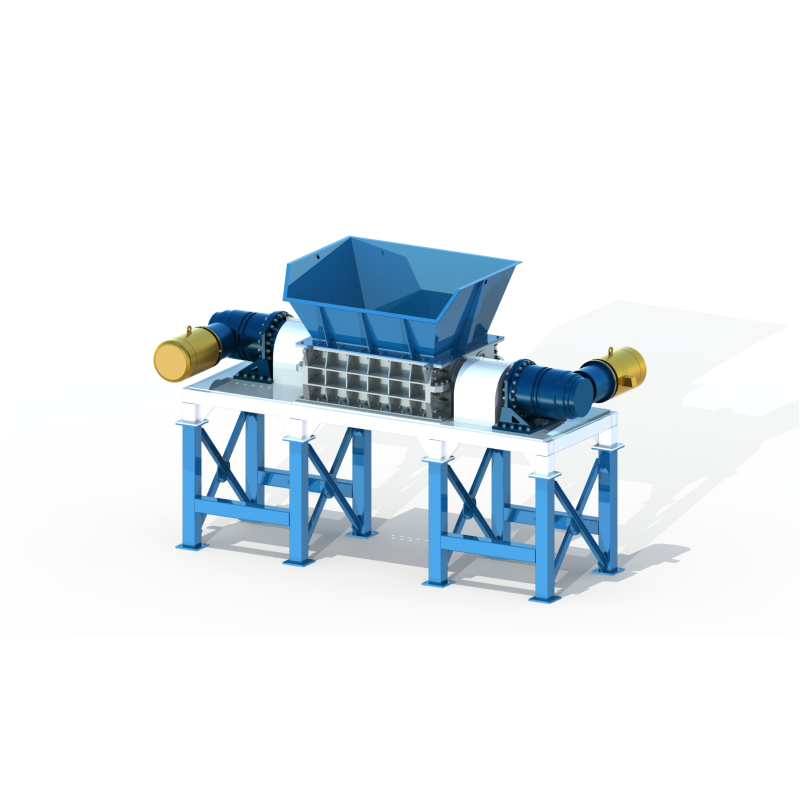
Understanding the role of a plastic recycling shredder in sustainability requires examining both its immediate mechanical function and its broader environmental impact. These machines represent the first critical step in the circular economy model for plastics, where waste materials are systematically processed and reintegrated into manufacturing processes. The sustainability benefits extend far beyond simple waste reduction, encompassing energy conservation, resource preservation, and the fundamental restructuring of how industries approach plastic material lifecycle management.
Mechanical Foundation of Sustainable Plastic Processing
Primary Size Reduction Function
A plastic recycling shredder performs the essential task of reducing large plastic waste items into uniformly sized fragments that can be effectively processed in subsequent recycling stages. This size reduction process is crucial for sustainability because it maximizes the surface area of plastic materials, enabling more efficient melting, cleaning, and reformation processes. The mechanical shredding action breaks down complex plastic items such as containers, automotive parts, and industrial components into manageable pieces that can flow through automated recycling systems.
The sustainability impact of this primary processing step cannot be overstated. Without effective shredding, plastic waste would remain in forms too large and irregular for efficient recycling, leading to higher rejection rates and increased landfill disposal. The plastic recycling shredder ensures that maximum material recovery is achieved from each piece of waste plastic, directly contributing to resource conservation and waste stream reduction.
Material Homogenization Process
Beyond simple size reduction, a plastic recycling shredder creates material homogenization that is essential for sustainable recycling operations. The shredding process breaks down plastic items with varying thicknesses, densities, and compositions into relatively uniform fragments. This homogenization enables downstream processes such as washing, sorting, and melting to operate with greater efficiency and consistency.
The sustainability benefits of material homogenization extend to energy efficiency in recycling plants. When plastic fragments are uniform in size and composition distribution, the energy required for melting and reformation processes is significantly reduced. This energy reduction directly translates to lower carbon emissions and reduced operational costs, making plastic recycling more economically viable and environmentally beneficial. The plastic recycling shredder thus serves as an energy optimization tool within the broader sustainability framework.
Resource Conservation and Circular Economy Integration
Virgin Material Displacement
The most significant sustainability role of a plastic recycling shredder lies in its contribution to virgin material displacement. By processing waste plastics into reusable raw materials, these machines directly reduce the demand for newly manufactured plastic resins derived from petroleum-based feedstocks. Each ton of plastic waste processed through a recycling shredder represents a corresponding reduction in crude oil extraction and petrochemical processing requirements.
This displacement effect creates cascading environmental benefits throughout the plastic production chain. Reduced virgin material demand translates to lower greenhouse gas emissions from oil extraction, refining, and polymer synthesis processes. The plastic recycling shredder enables this resource conservation by ensuring that waste plastic materials are efficiently prepared for reprocessing, maximizing the yield of recycled content that can substitute for virgin resins in new product manufacturing.
Waste Stream Diversion
A plastic recycling shredder plays a critical role in diverting plastic waste from disposal pathways that contribute to environmental degradation. Landfill diversion is particularly important for sustainability, as plastic materials can persist in landfill environments for hundreds of years, potentially leaching harmful compounds into soil and groundwater systems. The shredding process enables plastic waste to enter productive recycling streams rather than accumulating in disposal sites.
Ocean plastic pollution prevention represents another crucial sustainability function of plastic recycling shredders. By processing plastic waste efficiently within terrestrial recycling systems, these machines help prevent plastic materials from entering waterways and ultimately reaching marine environments. The improved processing efficiency enabled by proper shredding increases the economic viability of plastic recycling programs, encouraging higher collection and processing rates that reduce the likelihood of plastic waste entering natural ecosystems.
Energy Efficiency and Carbon Footprint Reduction
Processing Energy Optimization
The design and operation of a plastic recycling shredder directly impacts the energy efficiency of recycling operations, which is fundamental to overall sustainability performance. Modern shredding systems incorporate energy-efficient motors, optimized cutting geometries, and intelligent control systems that minimize power consumption while maximizing throughput. This energy optimization is critical because energy consumption represents one of the largest operational costs and environmental impacts in plastic recycling facilities.
The sustainability benefits of energy-efficient shredding extend beyond the immediate processing operation. When a plastic recycling shredder operates with optimal energy efficiency, it reduces the overall carbon footprint of recycled plastic materials, making them more environmentally attractive compared to virgin plastic alternatives. This enhanced environmental profile of recycled plastics encourages broader adoption of recycled content in manufacturing applications, creating positive feedback loops that support sustainable material practices.
Downstream Process Enhancement
A plastic recycling shredder enhances the efficiency of downstream recycling processes, contributing to overall energy savings throughout the recycling operation. Properly shredded plastic fragments require less energy for washing, sorting, and melting processes compared to irregularly sized waste materials. This energy reduction at each subsequent processing stage compounds to create significant overall efficiency improvements in recycling facilities.
The cumulative energy savings enabled by effective shredding translate directly to reduced greenhouse gas emissions from recycling operations. Lower energy consumption means reduced electricity demand, which typically results in lower fossil fuel combustion at power generation facilities. The plastic recycling shredder thus contributes to sustainability through both direct operational efficiency and indirect emissions reduction throughout the energy supply chain that powers recycling facilities.
Economic Viability and Market Development
Processing Cost Reduction
The economic sustainability of plastic recycling depends heavily on processing cost efficiency, where a plastic recycling shredder plays a fundamental role. By reducing plastic waste to optimal fragment sizes in a single mechanical operation, shredders minimize the need for multiple processing steps and reduce overall handling costs. This cost efficiency is essential for making recycled plastic materials price-competitive with virgin alternatives, encouraging broader market adoption of sustainable materials.
Lower processing costs enabled by efficient shredding create economic incentives for increased plastic waste collection and recycling. When recycling operations can process plastic waste profitably, they generate economic demand for waste materials that would otherwise be disposed of in landfills or incinerators. The plastic recycling shredder thus supports the development of robust waste collection networks that are essential for large-scale sustainability improvements in plastic material management.
Quality Consistency for Market Applications
Market acceptance of recycled plastic materials depends on consistent quality characteristics that enable reliable use in manufacturing applications. A plastic recycling shredder contributes to this quality consistency by producing uniform fragment sizes that lead to more consistent melting behavior and physical properties in recycled plastic resins. This consistency is crucial for expanding the range of applications where recycled plastics can successfully substitute for virgin materials.
The sustainability impact of improved quality consistency extends to reduced material waste in manufacturing processes. When recycled plastic materials exhibit predictable characteristics, manufacturers experience lower rejection rates and reduced production waste, further enhancing the overall environmental benefits of plastic recycling. The plastic recycling shredder serves as a quality foundation tool that enables sustainable material substitution across diverse industrial applications.
Technology Integration and Future Sustainability Potential
Advanced Sorting Integration
Modern plastic recycling shredders increasingly integrate with advanced sorting technologies to enhance sustainability outcomes. Optical sorting systems, density separation equipment, and automated contaminant removal systems work more effectively when processing uniformly sized plastic fragments produced by shredding operations. This technological integration enables higher purity recycled materials that can command premium prices and find applications in demanding end-use markets.
The sustainability benefits of integrated processing systems extend to improved material recovery rates and reduced contamination in recycled plastic streams. When a plastic recycling shredder operates as part of a comprehensive processing system, the overall efficiency of plastic waste conversion increases substantially, maximizing the environmental benefits per unit of waste processed and supporting the economic viability of advanced recycling facilities.
Digital Monitoring and Optimization
Digital monitoring technologies increasingly enable plastic recycling shredders to operate with optimized sustainability performance through real-time process control and predictive maintenance capabilities. Smart sensors monitor energy consumption, throughput rates, and equipment condition to ensure optimal efficiency while minimizing environmental impact. This technological advancement supports continuous improvement in sustainability performance throughout the operational lifecycle of shredding equipment.
Predictive maintenance enabled by digital monitoring reduces equipment downtime and extends operational lifespan, contributing to resource conservation through reduced equipment replacement requirements. The plastic recycling shredder benefits from these technological advances through improved reliability and efficiency, supporting consistent sustainability performance in recycling operations over extended periods.
FAQ
How does a plastic recycling shredder contribute to reducing greenhouse gas emissions?
A plastic recycling shredder reduces greenhouse gas emissions through multiple pathways. Primary reduction occurs by enabling recycled plastic production, which requires significantly less energy than virgin plastic manufacturing from petroleum feedstocks. Secondary reduction results from waste diversion that prevents methane emissions from landfilled plastic waste and reduces incineration requirements. The energy-efficient operation of modern shredding equipment further minimizes direct emissions from recycling processes.
What types of plastic waste can sustainability benefit from shredder processing?
Most thermoplastic materials benefit from shredder processing for sustainability applications, including polyethylene, polypropylene, polystyrene, and PET plastics commonly found in packaging, automotive, and consumer goods. Mixed plastic waste streams gain particular sustainability benefits from shredding because the process enables effective sorting and separation of different polymer types. Industrial plastic waste, including large components and manufacturing scrap, achieves maximum sustainability impact through shredder processing due to high material volumes and quality consistency.
How does shredder efficiency impact the overall sustainability of plastic recycling operations?
Shredder efficiency directly determines the sustainability performance of entire recycling operations through energy consumption, throughput capacity, and material recovery rates. High-efficiency shredders process more plastic waste per unit of energy consumed, reducing the carbon footprint of recycled materials. Efficient shredding also improves downstream process performance, creating compound efficiency gains throughout recycling facilities. Poor shredder efficiency can create bottlenecks that reduce overall facility throughput and increase per-unit environmental impacts.
What role does shredder maintenance play in sustaining environmental benefits?
Proper maintenance of plastic recycling shredders is essential for sustained environmental benefits because equipment degradation leads to increased energy consumption, reduced throughput, and higher material waste rates. Regular maintenance ensures optimal cutting performance, minimizes downtime that can lead to waste accumulation, and extends equipment lifespan to maximize the return on embodied energy and materials in manufacturing. Preventive maintenance strategies support consistent sustainability performance while reducing the need for premature equipment replacement.
Table of Contents
- Mechanical Foundation of Sustainable Plastic Processing
- Resource Conservation and Circular Economy Integration
- Energy Efficiency and Carbon Footprint Reduction
- Economic Viability and Market Development
- Technology Integration and Future Sustainability Potential
-
FAQ
- How does a plastic recycling shredder contribute to reducing greenhouse gas emissions?
- What types of plastic waste can sustainability benefit from shredder processing?
- How does shredder efficiency impact the overall sustainability of plastic recycling operations?
- What role does shredder maintenance play in sustaining environmental benefits?