
 EN
EN


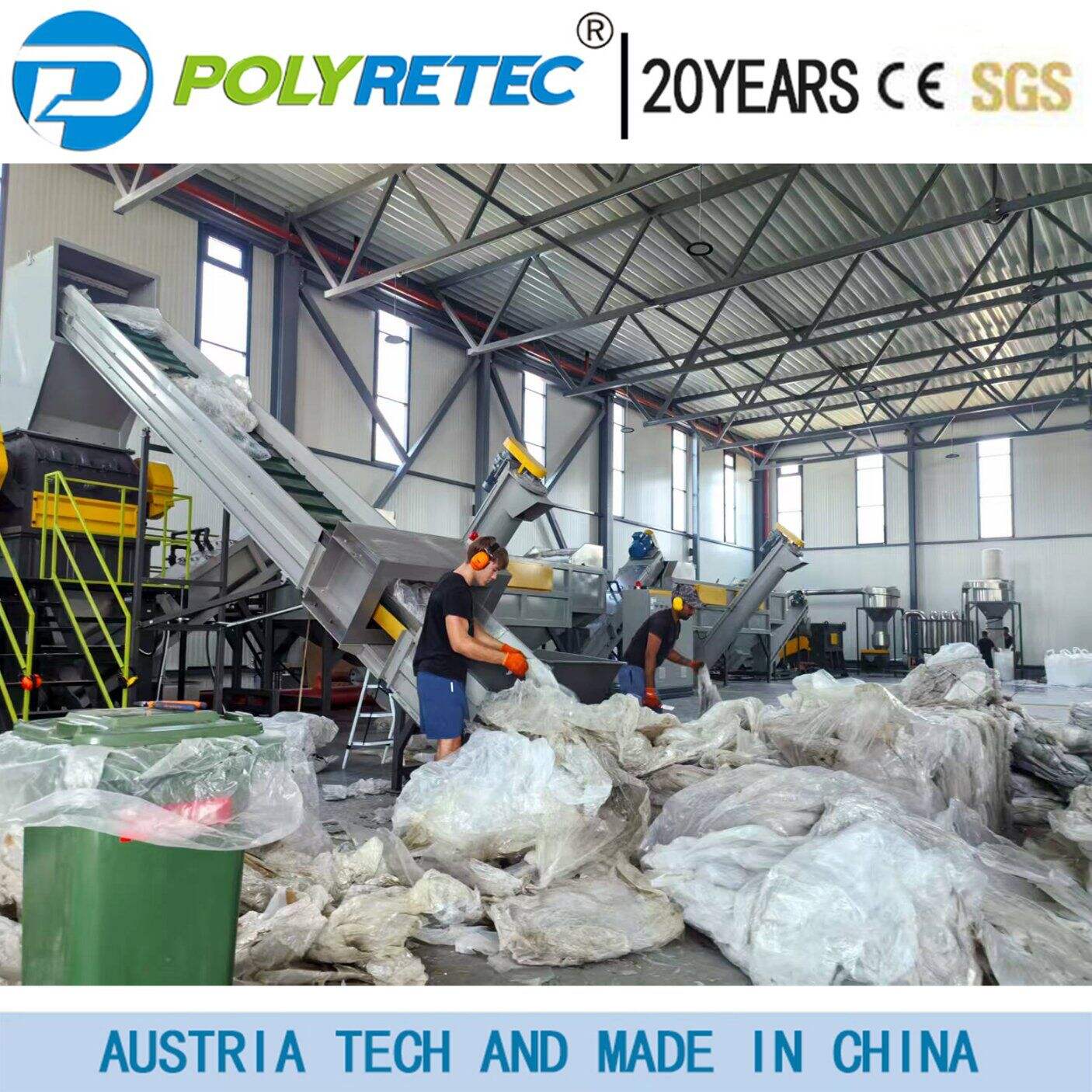
Maintaining high efficiency in a PET bottle washing plant requires a comprehensive understanding of operational workflows, equipment maintenance protocols, and process optimization strategies. As recycling demands escalate globally and contamination standards tighten, processing facilities face mounting pressure to maximize throughput while ensuring consistent output quality. A well-maintained PET bottle washing plant not only achieves higher material recovery rates but also reduces energy consumption, minimizes downtime, and extends equipment lifespan, directly impacting profitability and environmental compliance.
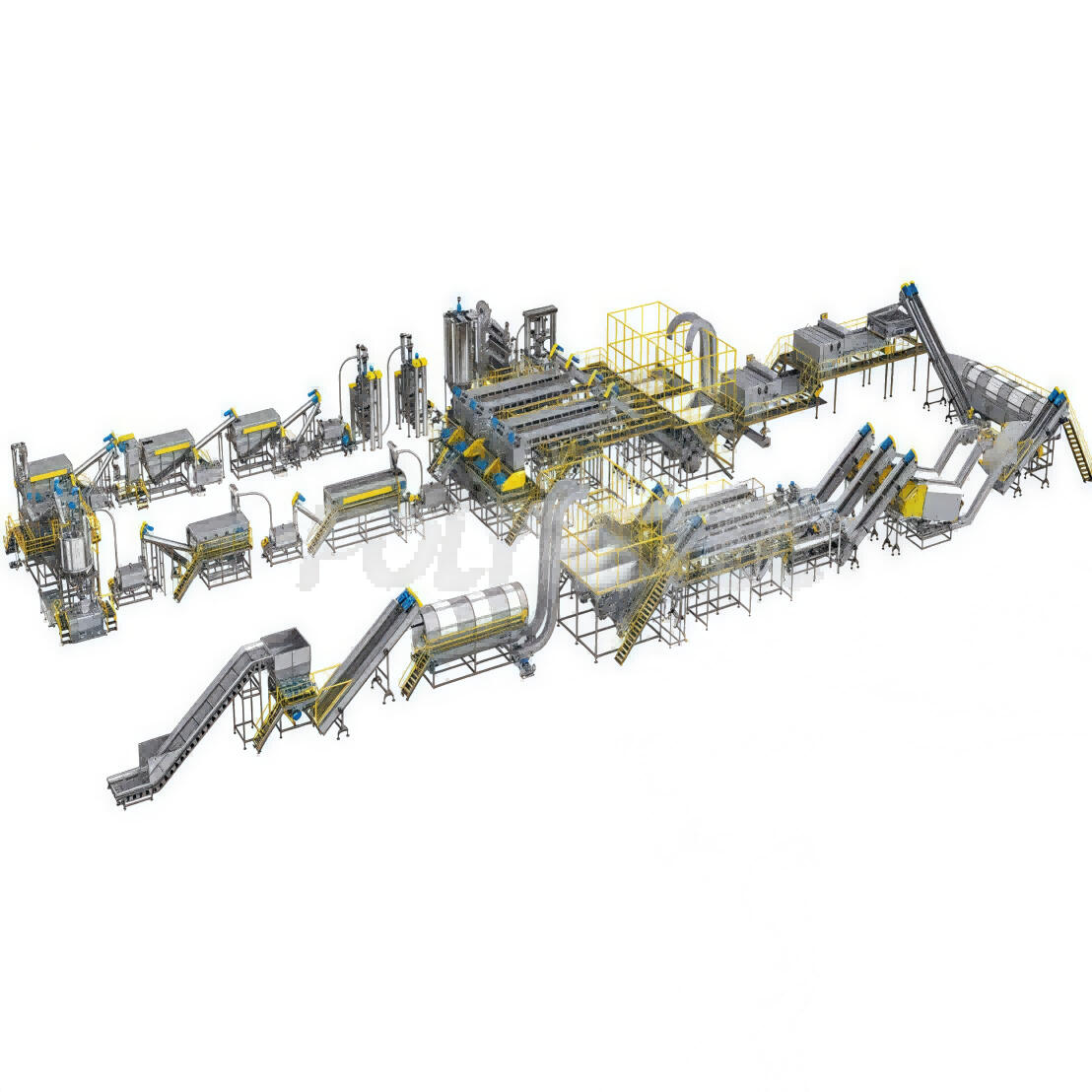
The journey toward sustained operational excellence in a PET bottle washing plant begins with recognizing that efficiency is not a static achievement but a dynamic balance between mechanical reliability, process control, and workforce competency. Each component within the washing line, from initial sorting through final drying, contributes to the overall system performance. When operators implement systematic maintenance routines, monitor critical performance indicators, and respond proactively to emerging issues, they create a resilient production environment capable of handling variable feedstock quality while maintaining target output specifications.
Understanding Critical Performance Factors in PET Bottle Washing Operations
The Role of Feedstock Quality Control
The foundation of efficiency in any PET bottle washing plant starts long before material enters the washing system. Incoming feedstock quality directly influences downstream processing efficiency, as contaminated or mixed-material bales require more intensive processing and generate higher wear rates on equipment. Establishing rigorous intake inspection protocols allows operators to identify problematic loads early, segregate materials requiring special handling, and adjust processing parameters accordingly. This proactive approach prevents contamination cascades that can compromise entire production batches and cause costly line shutdowns.
Advanced facilities implement multi-stage pre-sorting systems that remove non-PET materials, oversized items, and high-contaminant bottles before they reach primary washing stages. These pre-sorting investments pay dividends throughout the process by reducing mechanical stress on shredders, minimizing chemical consumption in washing tanks, and improving final flake purity. When feedstock enters the PET bottle washing plant in a consistent, well-characterized state, operators can fine-tune processing parameters for optimal throughput rather than constantly adjusting for material variability.
Equipment Calibration and Operational Set Points
Maintaining precise operational set points across all processing stages represents a critical efficiency driver that many facilities underestimate. Temperature control in hot wash tanks, retention time in friction washers, and spin speed in centrifugal dryers all require careful calibration to balance cleaning effectiveness against energy consumption and throughput targets. Deviation from optimal parameters even by small margins can cascade into significant efficiency losses, as inadequately cleaned material requires reprocessing while over-processing wastes energy and accelerates equipment wear.
Modern PET bottle washing plant operations benefit from automated monitoring systems that track key performance indicators in real time and alert operators to drift from target ranges. These systems enable rapid intervention before minor deviations evolve into production problems. Regular calibration schedules for sensors, actuators, and control systems ensure that automated adjustments remain accurate and responsive. Facilities that document optimal settings for different feedstock types can quickly adapt processing parameters when material characteristics change, maintaining consistent efficiency across varied operational conditions.
Implementing Preventive Maintenance Protocols for Maximum Uptime
Systematic Inspection Routines for Mechanical Components
The mechanical complexity of a PET bottle washing plant demands disciplined preventive maintenance that addresses wear patterns before they cause failures. Conveyor systems, shredder blades, pump impellers, and bearing assemblies all experience predictable degradation patterns based on operational hours and material characteristics. Establishing inspection schedules aligned with manufacturer recommendations and adjusted for actual operating conditions allows maintenance teams to replace components during planned downtime rather than responding to unexpected breakdowns that halt production.
Critical wear points deserve particular attention, as their failure disproportionately impacts overall system efficiency. Shredder blade condition directly affects particle size distribution and downstream processing efficiency, while pump seal integrity influences water consumption and chemical concentration consistency. Documentation of inspection findings creates valuable trend data that reveals whether specific components are wearing faster than expected, signaling potential operational adjustments or supplier quality issues that require attention.
Lubrication Management and Bearing Protection
Proper lubrication management represents one of the most cost-effective maintenance strategies for sustaining efficiency in a PET bottle washing plant. Bearings throughout the washing line operate in challenging environments with moisture exposure, temperature fluctuations, and contamination risks. Implementing scheduled lubrication routines using manufacturer-specified lubricants prevents premature bearing failure, reduces friction losses, and minimizes unexpected downtime that devastates production schedules.
Advanced facilities adopt condition-based lubrication strategies that monitor bearing temperature and vibration signatures to optimize relubrication intervals. This approach prevents both under-lubrication that accelerates wear and over-lubrication that can cause seal failure and contamination. Sealed bearing assemblies in critical locations reduce maintenance demands but require vigilant monitoring for early failure indicators. When maintenance teams prioritize bearing health through systematic lubrication protocols, they eliminate a leading cause of unplanned stoppages while reducing total maintenance costs.
Optimizing Water and Chemical Management Systems
Water Circulation and Quality Control
Water management directly impacts both operational costs and environmental compliance in a PET bottle washing plant. Efficient facilities implement closed-loop water systems that minimize fresh water consumption through multi-stage filtration and strategic water reuse. Primary wash water, once filtered to remove suspended solids, can serve pre-rinse functions in earlier processing stages, creating a cascading water use pattern that dramatically reduces total consumption while maintaining cleaning effectiveness at each stage.
Monitoring water quality parameters including suspended solids concentration, pH levels, and chemical residues enables operators to optimize filtration cycles and determine when water requires replacement. Excessive suspended solids reduce cleaning efficiency and increase pump wear, while chemical buildup can affect final product specifications. Automated water quality monitoring systems provide continuous feedback that allows real-time adjustments, preventing the gradual efficiency degradation that occurs when water conditions drift outside optimal ranges.
Chemical Dosing Precision and Cost Control
Chemical consumption represents a significant operational expense in PET bottle washing plant operations, making precise dosing control essential for cost efficiency. Caustic solutions and detergents must maintain specific concentration ranges to achieve effective label and adhesive removal without damaging PET material or creating disposal challenges. Over-dosing wastes expensive chemicals and complicates wastewater treatment, while under-dosing compromises cleaning effectiveness and necessitates reprocessing.
Automated chemical dosing systems equipped with concentration monitoring provide consistent chemical delivery regardless of throughput fluctuations or water temperature variations. These systems adjust dosing rates based on real-time feedback, maintaining optimal cleaning conditions while minimizing chemical waste. Facilities that implement precise dosing control typically achieve chemical cost reductions exceeding twenty percent compared to manual dosing approaches, while simultaneously improving cleaning consistency and reducing environmental impact.
Establishing Effective Process Monitoring and Data Analysis
Key Performance Indicator Tracking
Sustained efficiency in a PET bottle washing plant requires systematic tracking of performance metrics that reveal operational trends and emerging issues before they impact production. Critical indicators include throughput rates, energy consumption per ton processed, water usage ratios, final flake quality measurements, and equipment downtime frequency. When operators establish baseline performance levels and monitor deviations, they gain early warning of efficiency degradation that might otherwise go unnoticed until problems become severe.
Advanced facilities implement digital dashboards that aggregate data from multiple sensors and control systems, presenting real-time performance visualization that enables rapid decision-making. These systems can identify subtle efficiency losses such as gradual increases in energy consumption or declining throughput rates that signal developing maintenance needs. Historical data analysis reveals seasonal patterns, equipment aging trends, and the impact of operational changes, informing strategic decisions about equipment upgrades, process modifications, and maintenance scheduling.
Root Cause Analysis for Recurring Issues
When efficiency problems recur despite corrective actions, systematic root cause analysis becomes essential for breaking the cycle of reactive maintenance and achieving lasting improvements. A PET bottle washing plant experiencing frequent shredder jams, for example, might address symptoms through more frequent blade changes without investigating whether feedstock contamination, feed rate control, or blade geometry represents the true underlying cause. Investing time in thorough problem investigation prevents wasted resources on ineffective solutions.
Structured root cause methodologies guide investigation teams through systematic examination of contributing factors, from equipment conditions through operational procedures and material characteristics. Documentation of findings and implemented solutions creates institutional knowledge that prevents problem recurrence and informs training programs. Facilities that cultivate a culture of thorough problem investigation rather than quick fixes consistently achieve higher long-term efficiency and lower total operating costs.
Training and Workforce Development for Operational Excellence
Operator Skill Development Programs
The technical sophistication of modern PET bottle washing plant equipment demands operator competencies that extend beyond basic machine operation. Effective operators understand the interdependencies between processing stages, recognize early indicators of developing problems, and make informed decisions about parameter adjustments. Structured training programs that develop these competencies transform operators from button-pushers into active contributors to efficiency optimization.
Comprehensive training covers not only standard operating procedures but also equipment maintenance basics, troubleshooting methodologies, and quality control principles. Cross-training operators across multiple positions creates workforce flexibility that maintains productivity during absences and enables rapid response to bottlenecks. When operators understand how their actions impact downstream processes and final product quality, they make better real-time decisions that collectively sustain high efficiency.
Creating a Culture of Continuous Improvement
Long-term efficiency gains in a PET bottle washing plant emerge from organizational cultures that encourage workforce participation in problem-solving and process optimization. Frontline operators possess intimate knowledge of equipment behavior and process quirks that formal engineering analysis might miss. Establishing channels for operators to report observations, suggest improvements, and participate in problem-solving initiatives unlocks this valuable expertise while building employee engagement.
Successful continuous improvement programs include regular team meetings to review performance data, discuss challenges, and celebrate efficiency gains. Implementing operator suggestions demonstrates management commitment to improvement and reinforces the value of workforce contributions. Facilities that sustain active improvement cultures consistently outperform those relying solely on engineering-driven optimization, as they harness collective experience and generate ongoing incremental gains that compound into significant competitive advantages.
FAQ
What are the most common causes of efficiency loss in a PET bottle washing plant?
The most frequent efficiency losses stem from inadequate feedstock pre-sorting leading to equipment overload, deferred maintenance causing unexpected breakdowns, improper chemical dosing reducing cleaning effectiveness, and insufficient operator training resulting in suboptimal parameter settings. Additionally, water system fouling and worn mechanical components create gradual performance degradation that compounds over time if not addressed through systematic monitoring and preventive maintenance protocols.
How frequently should major equipment components be inspected and replaced?
Inspection frequency depends on operational intensity and material characteristics, but critical components like shredder blades typically require assessment every 200-500 operating hours, conveyor components every 1000 hours, and pump impellers every 2000-3000 hours. Replacement schedules should be based on measured wear rather than fixed intervals, as feedstock variation significantly affects degradation rates. Establishing baseline wear patterns during initial operations allows facilities to develop customized maintenance schedules optimized for their specific conditions.
What role does automation play in maintaining PET bottle washing plant efficiency?
Automation enhances efficiency by maintaining consistent processing parameters despite throughput variations, enabling rapid response to process deviations, and reducing labor requirements for routine monitoring tasks. Automated systems excel at precise chemical dosing, water quality management, and temperature control where human operators struggle with consistency. However, automation effectiveness depends on proper calibration, regular maintenance of sensors and actuators, and operator understanding of system capabilities and limitations to enable appropriate manual intervention when necessary.
How can facilities balance efficiency optimization with environmental sustainability goals?
Efficiency and sustainability align more often than conflict in PET bottle washing plant operations. Water recycling systems simultaneously reduce consumption costs and environmental impact, while energy-efficient equipment lowers both utility expenses and carbon footprint. Precise chemical dosing minimizes disposal challenges while cutting costs. The key lies in adopting a systems perspective that evaluates improvements based on total lifecycle impact rather than isolated metrics, recognizing that sustainable practices typically enhance rather than compromise operational efficiency when properly implemented.
Table of Contents
- Understanding Critical Performance Factors in PET Bottle Washing Operations
- Implementing Preventive Maintenance Protocols for Maximum Uptime
- Optimizing Water and Chemical Management Systems
- Establishing Effective Process Monitoring and Data Analysis
- Training and Workforce Development for Operational Excellence
-
FAQ
- What are the most common causes of efficiency loss in a PET bottle washing plant?
- How frequently should major equipment components be inspected and replaced?
- What role does automation play in maintaining PET bottle washing plant efficiency?
- How can facilities balance efficiency optimization with environmental sustainability goals?