
 EN
EN



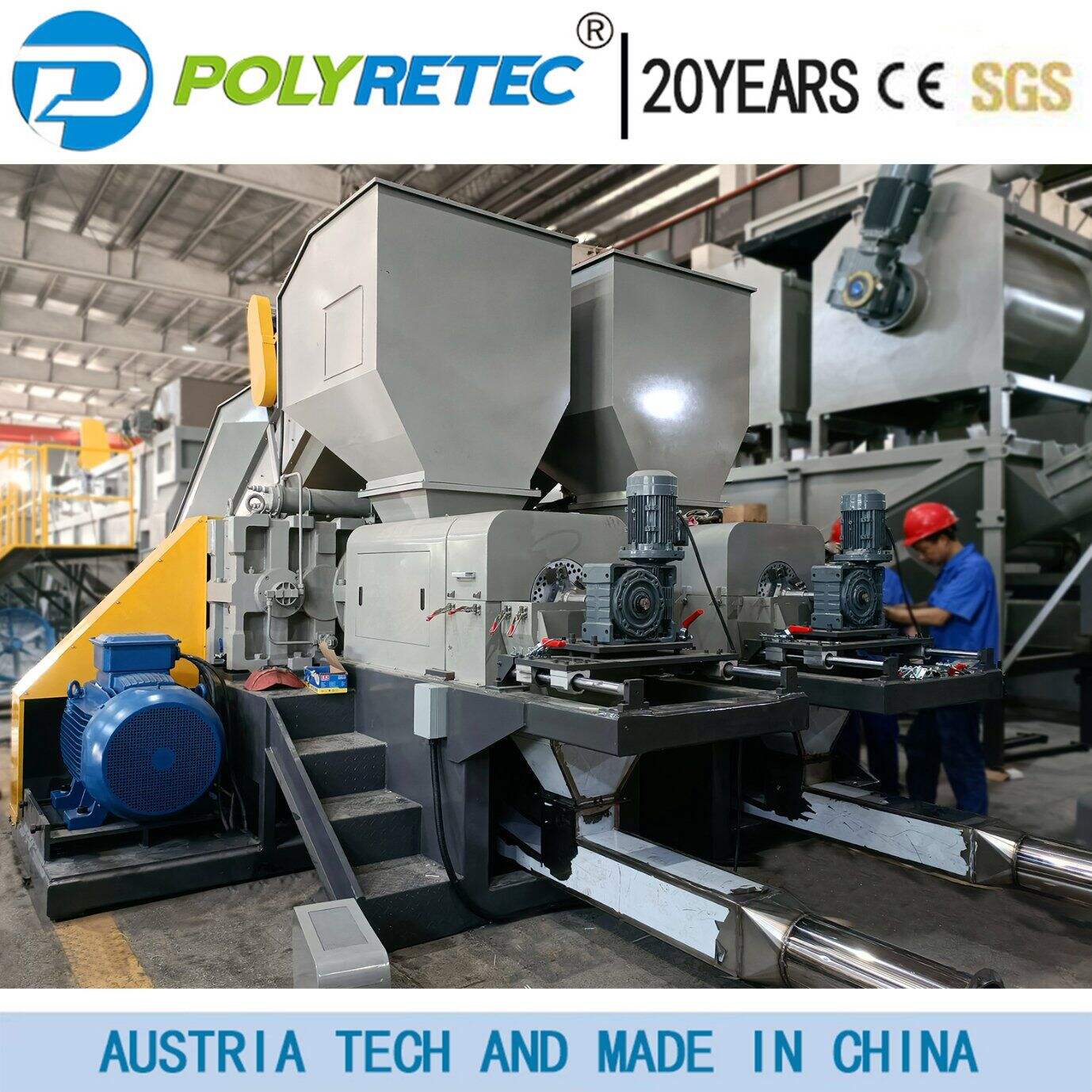
The demand for sustainable plastic processing has driven significant advancements in film recycling machines, transforming how manufacturers approach waste management and material recovery. Modern industrial facilities face increasing pressure to optimize their recycling operations while maintaining high-quality output standards. Effective recycling processes not only reduce environmental impact but also create valuable secondary materials that can compete with virgin plastics in various applications. Understanding the key factors that influence output quality becomes essential for maximizing both operational efficiency and profitability in today's competitive marketplace.
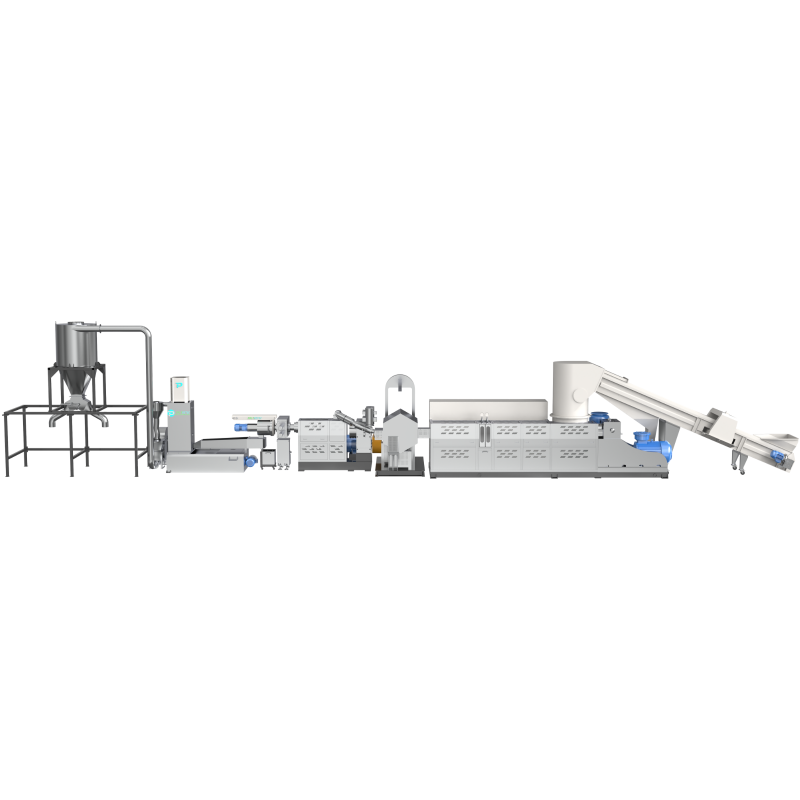
Understanding Film Recycling Technology Fundamentals
Core Processing Mechanisms
Film recycling machines operate through sophisticated mechanical and thermal processes that break down contaminated plastic films into reusable pellets. The primary components include shredding units, washing systems, melting chambers, and pelletizing mechanisms that work in synchronized sequence. Each stage requires precise control parameters to ensure consistent material flow and temperature management. Advanced machines incorporate multiple sensors and feedback systems that monitor processing conditions in real-time, allowing operators to make immediate adjustments when quality deviations occur.
Temperature control represents one of the most critical factors affecting output quality throughout the recycling process. Different plastic film types require specific melting points and thermal profiles to maintain polymer integrity during processing. Excessive heat can degrade molecular chains, resulting in brittle or discolored final products, while insufficient temperatures may lead to incomplete melting and poor pellet formation. Modern systems utilize multi-zone heating elements with independent temperature controls, enabling operators to create optimal thermal gradients for various material types.
Material Preparation Standards
Proper material preparation significantly impacts the effectiveness of film recycling machines and directly influences final product quality. Contaminated films must undergo thorough sorting to remove non-plastic materials, adhesive residues, and incompatible polymer types that could compromise the recycling process. Pre-washing procedures eliminate surface dirt, oils, and chemical residues that might interfere with subsequent processing steps. Establishing standardized preparation protocols ensures consistent input quality and reduces variability in downstream operations.
Size reduction through controlled shredding creates uniform feed material that promotes even heating and consistent melting throughout the recycling system. Optimal shred size depends on machine specifications, material thickness, and target throughput rates, requiring careful calibration to balance processing efficiency with quality requirements. Oversized pieces may not melt completely, while excessively small fragments can create feeding difficulties or excessive dust generation that affects system performance.
Optimizing Processing Parameters
Temperature Management Strategies
Implementing precise temperature management strategies ensures optimal polymer processing conditions throughout the entire recycling operation. Multi-zone temperature profiling allows operators to create specific thermal environments for different processing stages, from initial melting through final pellet formation. Gradual temperature transitions prevent thermal shock that could damage polymer structures or create internal stresses in finished pellets. Regular calibration of temperature sensors and heating elements maintains accuracy and prevents drift that could compromise quality consistency.
Advanced film recycling machines incorporate sophisticated thermal management systems that respond automatically to material variations and processing conditions. These systems utilize predictive algorithms to anticipate temperature requirements based on feed rate, material composition, and ambient conditions. Proper thermal management also extends equipment life by reducing thermal cycling stress on mechanical components and heating elements.
Flow Rate Control Mechanisms
Maintaining optimal material flow rates through film recycling machines requires careful balance between throughput targets and quality requirements. Excessive feed rates can overwhelm heating capacity, resulting in incomplete melting and poor pellet uniformity, while inadequately slow rates reduce productivity and increase energy costs per unit processed. Variable speed drive systems allow precise control of material advancement through different processing zones, enabling operators to match flow rates to heating capacity and processing requirements.
Consistent material flow also depends on proper feeder design and maintenance to prevent bridging, segregation, or irregular material distribution. Vibratory feeders, screw conveyors, and belt systems require regular inspection and adjustment to maintain uniform material presentation to processing equipment. Flow monitoring systems provide real-time feedback on material movement, allowing operators to detect and correct flow irregularities before they impact product quality.
Quality Control and Monitoring Systems
Real-Time Monitoring Technologies
Modern film recycling machines integrate comprehensive monitoring systems that track critical quality parameters throughout the processing cycle. Infrared temperature sensors, pressure transducers, and optical inspection systems provide continuous feedback on processing conditions and product characteristics. Data logging capabilities enable trend analysis and statistical process control, helping operators identify quality patterns and optimize processing parameters proactively. These monitoring systems also facilitate predictive maintenance by tracking equipment performance indicators that signal potential problems before failures occur.
Automated quality control systems can detect variations in pellet size, color, and density, triggering immediate adjustments or material diversion when specifications exceed acceptable limits. Machine learning algorithms analyze historical data to identify correlations between processing parameters and quality outcomes, enabling continuous improvement in recycling operations. Integration with enterprise resource planning systems provides comprehensive traceability from raw material receipt through finished product shipment.
Sample Testing Protocols
Establishing rigorous sample testing protocols ensures consistent quality verification throughout film recycling operations. Regular sampling at predetermined intervals provides statistical confidence in product quality while identifying trends that might indicate equipment drift or material variations. Testing procedures should include visual inspection, dimensional measurement, density analysis, and melt flow index determination to characterize pellet properties comprehensively. Standardized testing methods ensure reproducible results and enable meaningful comparison across different production runs.
Laboratory testing capabilities should extend beyond basic physical properties to include thermal analysis, molecular weight determination, and contamination assessment when required by customer specifications or regulatory requirements. Maintaining detailed testing records supports quality certifications and provides valuable data for troubleshooting quality issues or optimizing processing parameters. Regular calibration of testing equipment ensures measurement accuracy and maintains confidence in quality data.
Maintenance and Equipment Optimization
Preventive Maintenance Schedules
Implementing comprehensive preventive maintenance schedules maximizes equipment reliability and maintains consistent output quality from film recycling machines. Regular inspection and replacement of wear components prevents gradual performance degradation that could compromise product specifications. Lubrication schedules, bearing replacements, and seal maintenance ensure smooth operation and prevent contamination that might affect recycled material purity. Scheduled maintenance windows minimize production disruptions while maintaining equipment in optimal operating condition.
Maintenance planning should consider component life cycles, operating conditions, and quality requirements to develop appropriate service intervals. Critical components such as heating elements, temperature sensors, and cutting blades require more frequent attention due to their direct impact on product quality. Maintenance documentation provides valuable feedback for optimizing service schedules and identifying recurring issues that might indicate design improvements or operational modifications.
Equipment Calibration Procedures
Regular calibration of film recycling machines ensures accurate control systems and consistent processing conditions that directly impact output quality. Temperature controllers, pressure sensors, and flow measurement devices require periodic verification against certified standards to maintain accuracy. Calibration records demonstrate compliance with quality management systems and provide traceability for quality investigations. Automated calibration systems can perform routine verifications without production interruption, maintaining continuous quality assurance.
Calibration procedures should include both individual component verification and integrated system performance testing to ensure proper coordination between different control elements. Documentation of calibration results enables trend analysis that can identify sensor drift or systematic errors before they significantly impact product quality. Emergency calibration procedures provide rapid response capability when quality deviations suggest control system problems.
Advanced Process Enhancement Techniques
Contamination Control Methods
Effective contamination control throughout film recycling machines requires systematic approaches to identify, remove, and prevent foreign material introduction. Multi-stage screening systems remove oversized contaminants, while density separation techniques eliminate materials with different specific gravities. Magnetic separators extract ferrous metals, and optical sorting systems can identify and remove materials with different optical properties. Each contamination control stage requires proper maintenance and optimization to maintain effectiveness without excessive material losses.
Air classification systems provide additional contamination control by separating materials based on aerodynamic properties, effectively removing lightweight contaminants such as paper labels or organic debris. Static elimination equipment prevents dust accumulation that could affect product quality or create safety hazards. Regular inspection and cleaning of contamination control equipment ensures continued effectiveness and prevents buildup that could compromise separation efficiency.
Additive Integration Systems
Controlled additive integration enhances recycled material properties and ensures consistent quality in finished pellets from film recycling machines. Stabilizer packages protect against thermal degradation during processing and subsequent use, while colorants provide consistent appearance in final products. Precise metering systems ensure accurate additive concentrations while preventing excessive dosing that could affect material properties or processing characteristics. Additive feed systems require regular calibration and maintenance to maintain dosing accuracy and prevent contamination.
Compatibility testing ensures that additives do not adversely interact with recycled materials or compromise processing equipment. Proper mixing systems distribute additives uniformly throughout the recycled material, preventing concentration variations that could affect product performance. Documentation of additive usage supports quality traceability and enables optimization of additive packages for specific applications or customer requirements.
FAQ
What factors most significantly impact pellet quality in film recycling machines?
Temperature control, material preparation quality, and contamination levels represent the three most critical factors affecting pellet quality. Proper temperature management prevents polymer degradation while ensuring complete melting, thorough material preparation removes contaminants that could compromise processing, and effective contamination control maintains material purity throughout the recycling process. Additionally, consistent feed rates and proper equipment maintenance contribute significantly to overall quality outcomes.
How often should film recycling machines undergo calibration procedures?
Calibration frequency depends on equipment usage, operating conditions, and quality requirements, but most systems benefit from monthly temperature calibration and quarterly comprehensive system verification. Critical control instruments may require weekly or daily checks in high-volume operations, while less critical components can follow manufacturer recommendations. Establishing calibration schedules based on historical drift data and quality requirements ensures optimal performance while minimizing maintenance costs.
What preprocessing steps improve recycling efficiency and output quality?
Effective preprocessing includes thorough sorting to remove non-plastic materials, washing to eliminate surface contaminants, and controlled size reduction to create uniform feed material. Material drying prevents moisture-related processing problems, while density separation removes materials with different specific gravities. Pre-heating incoming material can improve processing efficiency and reduce thermal stress on recycling equipment, ultimately enhancing final product quality.
How can operators identify and resolve quality issues quickly during processing?
Real-time monitoring systems provide immediate feedback on critical parameters such as temperature, pressure, and pellet characteristics, enabling rapid identification of quality deviations. Establishing clear response procedures for common quality issues allows operators to implement corrective actions quickly. Regular sampling and testing provide additional quality verification, while maintaining detailed process logs helps identify patterns that might indicate developing problems requiring preventive action.
Table of Contents
- Understanding Film Recycling Technology Fundamentals
- Optimizing Processing Parameters
- Quality Control and Monitoring Systems
- Maintenance and Equipment Optimization
- Advanced Process Enhancement Techniques
-
FAQ
- What factors most significantly impact pellet quality in film recycling machines?
- How often should film recycling machines undergo calibration procedures?
- What preprocessing steps improve recycling efficiency and output quality?
- How can operators identify and resolve quality issues quickly during processing?