
 EN
EN



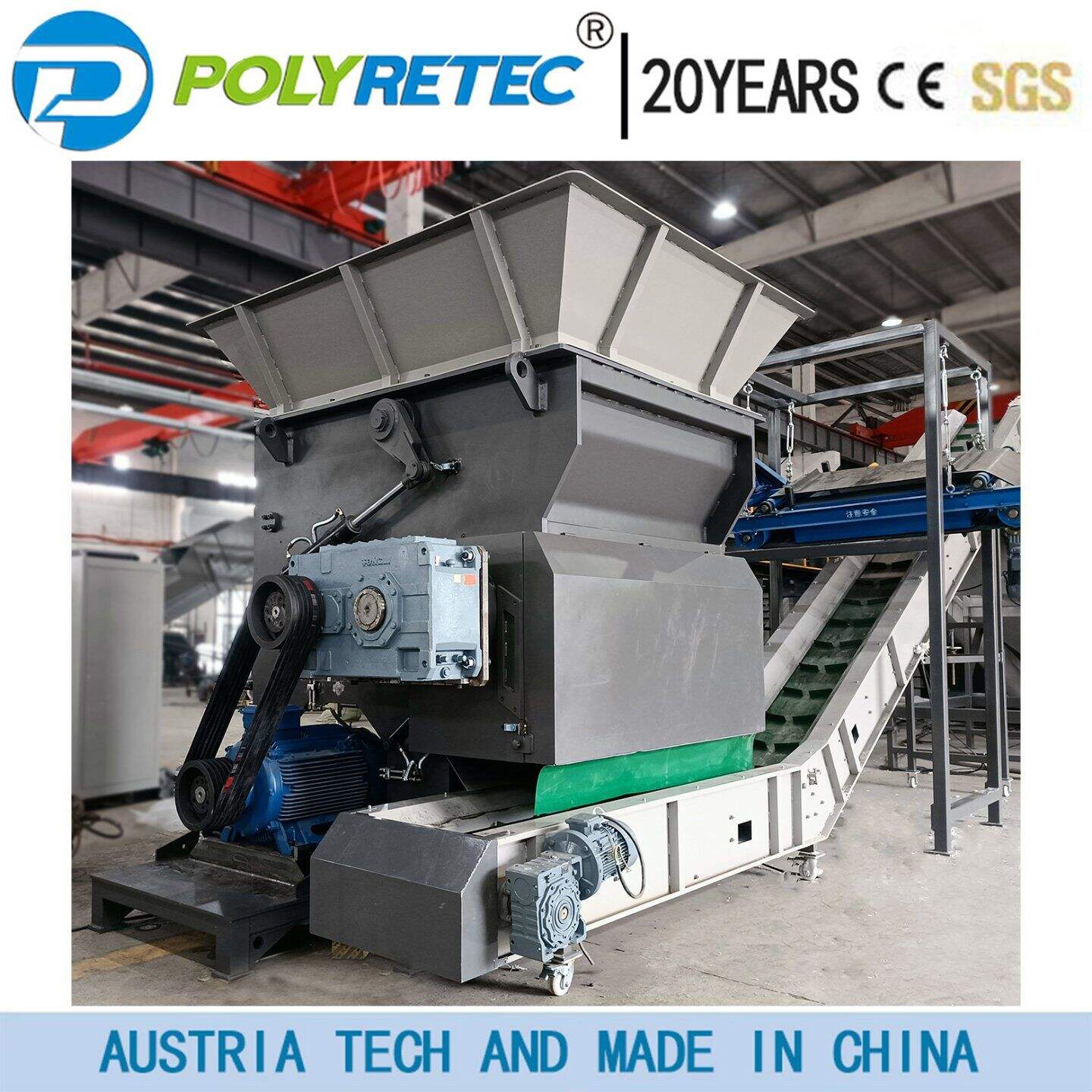
Manufacturing industries face mounting pressure to optimize production processes while minimizing waste generation. Modern production facilities generate substantial amounts of material waste during processing, leading to increased operational costs and environmental concerns. A pelletizer machine emerges as a sophisticated solution that transforms waste materials into valuable pellets, effectively reducing overall production waste while creating additional revenue streams. This advanced equipment converts various types of manufacturing byproducts into uniform pellets that can be reused or sold as raw materials.
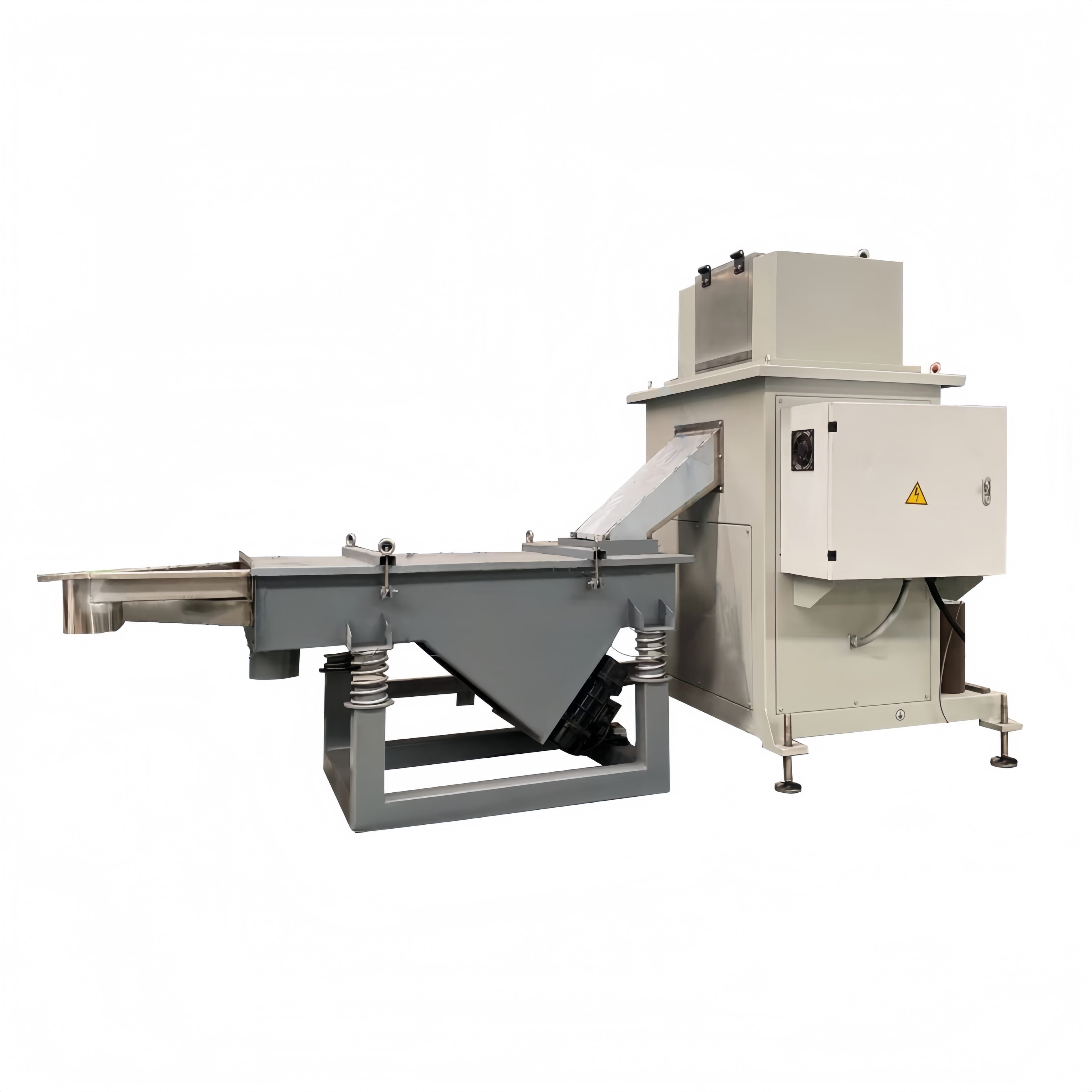
The implementation of pelletizing technology represents a significant advancement in waste management strategies across multiple industries. These machines process diverse materials including plastic scraps, rubber waste, biomass residues, and chemical byproducts. The pelletizer machine operates through controlled heating, melting, and extrusion processes that convert irregular waste materials into standardized pellet forms. This transformation not only reduces waste volume but also creates products with consistent quality and specifications that meet industrial requirements.
Understanding Pelletizer Technology and Operations
Core Components and Functionality
The pelletizer machine consists of several essential components working in synchronized operation to achieve optimal waste reduction. The feeding system introduces raw materials into the processing chamber where heating elements raise temperatures to appropriate melting points. Advanced temperature control systems ensure consistent processing conditions while preventing material degradation. The extrusion mechanism forces molten material through precision dies that shape the output into uniform pellets of predetermined dimensions.
Modern pelletizer machines incorporate sophisticated monitoring systems that track temperature, pressure, and throughput parameters in real-time. These control mechanisms enable operators to adjust processing conditions based on material characteristics and desired output specifications. The cooling system rapidly solidifies extruded material while maintaining pellet integrity and preventing deformation. Cutting mechanisms operate at precise intervals to create pellets with consistent length and weight specifications.
Material Processing Capabilities
A pelletizer machine demonstrates remarkable versatility in processing various waste materials commonly generated in industrial operations. Thermoplastic wastes including polyethylene, polypropylene, and polystyrene respond exceptionally well to pelletizing processes. The machine effectively processes contaminated plastic materials after appropriate cleaning and preparation procedures. Rubber compounds and elastomeric materials undergo successful pelletizing when processing parameters are adjusted for their specific thermal characteristics.
Biomass materials such as wood chips, agricultural residues, and organic waste streams can be processed into fuel pellets or feedstock for other applications. The pelletizer machine handles varying moisture content levels through integrated drying systems that prepare materials for optimal processing conditions. Chemical industry byproducts including polymer waste and synthetic material scraps transform into valuable pelletized products suitable for reintroduction into manufacturing processes.
Waste Reduction Benefits and Environmental Impact
Quantifiable Waste Reduction Metrics
Industrial facilities utilizing pelletizer machines typically achieve waste reduction rates ranging from 70% to 95% depending on material types and processing efficiency. These machines convert bulky, irregular waste materials into compact pellets that occupy significantly less storage space and transportation volume. The standardized pellet format facilitates easier handling, storage, and distribution compared to original waste materials. Manufacturing operations report substantial decreases in waste disposal costs and landfill contributions following pelletizer machine implementation.
Volume reduction represents one of the most significant advantages of pelletizing technology. Loose plastic waste materials can be compressed into pellets with density increases of 300% to 500% over original forms. This compression directly translates to reduced storage requirements and lower transportation costs when moving materials between facilities. The pelletizer machine enables facilities to transform waste streams that previously required costly disposal into valuable commodities with market demand.
Environmental Sustainability Advantages
The environmental benefits of pelletizer machine implementation extend beyond immediate waste reduction to encompass broader sustainability objectives. Converting waste materials into reusable pellets reduces reliance on virgin raw materials, thereby decreasing environmental impact associated with resource extraction and processing. The circular economy principles embodied in pelletizing technology contribute to reduced carbon footprints and improved environmental stewardship.
Energy consumption analysis reveals that pelletizing waste materials requires significantly less energy than producing equivalent quantities of virgin materials. The pelletizer machine operates with high energy efficiency while processing materials at lower temperatures than required for primary production. This energy advantage compounds environmental benefits by reducing overall energy consumption and associated greenhouse gas emissions throughout the manufacturing supply chain.
Economic Advantages and Return on Investment
Cost Reduction Analysis
Implementing a pelletizer machine generates substantial cost savings through multiple channels including reduced waste disposal fees, decreased raw material purchases, and additional revenue from pellet sales. Waste disposal costs represent significant operational expenses for many manufacturing facilities, particularly those generating large volumes of materials requiring specialized handling. The pelletizer machine eliminates or dramatically reduces these disposal costs by converting waste into valuable products.
Raw material cost reductions result from substituting pelletized waste materials for virgin inputs in manufacturing processes. Many applications accept pelletized materials as direct replacements for virgin materials, enabling substantial procurement savings. The quality consistency achieved through pelletizing ensures that recycled materials meet specifications required for various applications. Transportation costs decrease due to improved material density and standardized packaging options available with pelletized products.
Revenue Generation Opportunities
The pelletizer machine creates new revenue streams by producing marketable pellets from previously worthless waste materials. Industrial pellets command premium prices in markets serving plastics manufacturing, fuel production, and chemical processing industries. The consistent quality and specifications achieved through modern pelletizing technology enable access to high-value market segments that require reliable material properties.
Market demand for recycled pellets continues growing as industries seek sustainable alternatives to virgin materials. Pelletized products often qualify for environmental incentives and sustainability credits that provide additional economic value. The pelletizer machine enables facilities to establish long-term supply contracts with downstream customers requiring consistent pellet deliveries. These contractual relationships provide stable revenue sources while supporting corporate sustainability initiatives.
Industry Applications and Case Studies
Plastics Manufacturing Implementation
Plastics manufacturing facilities represent prime applications for pelletizer machine technology due to substantial waste generation during production processes. Injection molding operations produce significant quantities of runners, sprues, and defective parts that traditionally require disposal or costly recycling procedures. The pelletizer machine processes these materials on-site, converting waste directly into feedstock suitable for subsequent production cycles.
Film and sheet production facilities generate edge trim and off-specification materials that constitute major waste streams requiring management. Installing a pelletizer machine enables immediate conversion of these materials into pellets that can be blended with virgin resins for continued production. This closed-loop approach eliminates waste generation while maintaining product quality standards. The consistent pellet quality ensures reliable processing characteristics when reintroduced into production equipment.
Chemical Industry Applications
Chemical processing facilities utilize pelletizer machines to manage diverse waste streams including polymer scraps, catalyst residues, and process byproducts. The controlled processing environment enables safe handling of potentially hazardous materials while maintaining worker safety standards. Specialized pelletizer machine configurations accommodate corrosive materials and high-temperature applications common in chemical manufacturing operations.
Pharmaceutical and specialty chemical manufacturers benefit from pelletizing technology that processes expired products and off-specification materials into forms suitable for energy recovery or alternative applications. The pelletizer machine ensures complete material transformation while maintaining containment of potentially sensitive compounds. This processing capability supports regulatory compliance requirements while maximizing material recovery rates.
Selection Criteria and Technical Specifications
Capacity and Throughput Requirements
Selecting an appropriate pelletizer machine requires careful analysis of material throughput requirements and processing capacity needs. Production facilities must evaluate current waste generation rates and projected growth to ensure adequate processing capability. Machine capacity ratings typically range from small laboratory units processing several pounds per hour to industrial systems handling multiple tons per hour of material throughput.
The pelletizer machine selection process involves matching equipment capabilities to specific material characteristics and processing requirements. Different materials require varying processing conditions including temperature ranges, residence times, and pressure levels. Understanding these requirements ensures optimal equipment selection that achieves desired waste reduction goals while maintaining operational efficiency. Proper sizing prevents bottlenecks that could limit overall facility productivity.
Quality Control and Output Specifications
Modern pelletizer machines incorporate advanced quality control systems that monitor pellet dimensions, density, and consistency throughout production cycles. These systems ensure output materials meet stringent specifications required for various applications. Automated sorting and screening systems remove out-of-specification pellets while maintaining high-quality product streams. Quality control capabilities directly impact the market value and application suitability of pelletized products.
Temperature control precision affects pellet quality and processing efficiency in pelletizer machine operations. Advanced temperature monitoring systems maintain optimal processing conditions while preventing material degradation or incomplete melting. Consistent temperature profiles ensure uniform pellet characteristics that meet application requirements. The pelletizer machine design incorporates multiple heating zones that accommodate varying material properties and processing needs.
Maintenance and Operational Considerations
Preventive Maintenance Programs
Successful pelletizer machine operation requires comprehensive maintenance programs that ensure consistent performance and extend equipment lifespan. Regular maintenance schedules include inspection of heating elements, cleaning of processing chambers, and calibration of control systems. Proper maintenance prevents unexpected downtime while maintaining processing efficiency and product quality standards. Facilities typically develop maintenance protocols based on operating hours, material throughput, and manufacturer recommendations.
Component replacement schedules for pelletizer machines focus on wear-prone elements including cutting blades, die plates, and heating elements. These components experience regular wear during normal operation and require periodic replacement to maintain optimal performance. Establishing replacement schedules based on operating conditions prevents unexpected failures while optimizing maintenance costs. Proper inventory management ensures critical spare parts remain available for scheduled maintenance activities.
Operational Safety and Training
Operating a pelletizer machine requires comprehensive safety protocols that protect personnel while ensuring efficient waste processing operations. High-temperature processing conditions and rotating machinery present potential hazards requiring appropriate safety measures. Training programs educate operators on proper procedures, emergency responses, and safety equipment usage. Regular safety audits verify compliance with established protocols while identifying potential improvement opportunities.
Personnel training for pelletizer machine operation encompasses technical procedures, safety protocols, and troubleshooting techniques. Operators learn to recognize normal operating conditions and identify potential problems before they impact production. Understanding material characteristics and processing requirements enables operators to optimize machine performance while maintaining safety standards. Ongoing training programs ensure operators remain current with evolving technology and best practices.
Future Developments and Technology Trends
Advanced Control Systems Integration
Future pelletizer machine developments focus on integrating artificial intelligence and machine learning capabilities that optimize processing parameters automatically. These advanced systems analyze material characteristics and adjust operating conditions in real-time to maximize efficiency and product quality. Predictive maintenance algorithms monitor equipment condition and schedule maintenance activities before failures occur. Integration with facility-wide control systems enables coordinated operation with other production equipment.
Internet of Things connectivity enables remote monitoring and control of pelletizer machine operations from centralized locations. Cloud-based data analysis provides insights into processing efficiency, maintenance needs, and optimization opportunities. These connectivity features support multi-facility operations while enabling expert technical support from equipment manufacturers. Advanced analytics identify trends and patterns that inform operational improvements and strategic planning decisions.
Energy Efficiency Innovations
Emerging pelletizer machine technologies incorporate heat recovery systems that capture and reuse thermal energy from processing operations. These systems reduce overall energy consumption while maintaining processing effectiveness. Advanced insulation materials and heating element designs minimize energy losses while providing precise temperature control. Energy efficiency improvements reduce operating costs while supporting environmental sustainability objectives.
Next-generation pelletizer machines utilize variable frequency drives and energy-efficient motors that optimize power consumption based on processing requirements. These systems automatically adjust energy usage to match material throughput and processing conditions. Smart energy management systems coordinate power consumption with facility energy availability and utility rate structures. The pelletizer machine evolution continues toward enhanced efficiency and reduced environmental impact through technological advancement.
FAQ
What types of materials can be processed in a pelletizer machine?
A pelletizer machine can process various materials including thermoplastic waste, rubber compounds, biomass residues, and chemical byproducts. The versatility of modern pelletizing technology accommodates materials with different melting points, moisture content, and contamination levels. Proper material preparation and parameter adjustment ensure optimal processing results for diverse waste streams commonly generated in industrial operations.
How much waste reduction can be achieved with pelletizer technology?
Waste reduction rates with pelletizer machine implementation typically range from 70% to 95% depending on material types and processing efficiency. Volume reduction often exceeds these percentages due to increased material density in pelletized form. The actual reduction achieved depends on original waste characteristics, processing parameters, and intended application requirements for the resulting pellets.
What is the typical return on investment period for a pelletizer machine?
Return on investment periods for pelletizer machine installations typically range from 18 months to 4 years depending on waste generation volumes, disposal costs, and pellet market values. Facilities with higher waste generation rates and disposal costs generally achieve faster payback periods. Additional revenue from pellet sales and reduced raw material purchases accelerate investment recovery timelines significantly.
How does a pelletizer machine impact product quality compared to virgin materials?
Modern pelletizer machines produce pellets with quality characteristics comparable to virgin materials for many applications. Advanced processing controls maintain consistent material properties while removing contaminants and achieving uniform specifications. The pelletizer machine design ensures proper temperature and pressure conditions that preserve material integrity throughout the conversion process, resulting in high-quality pelletized products suitable for demanding applications.
Table of Contents
- Understanding Pelletizer Technology and Operations
- Waste Reduction Benefits and Environmental Impact
- Economic Advantages and Return on Investment
- Industry Applications and Case Studies
- Selection Criteria and Technical Specifications
- Maintenance and Operational Considerations
- Future Developments and Technology Trends
- FAQ