
 EN
EN



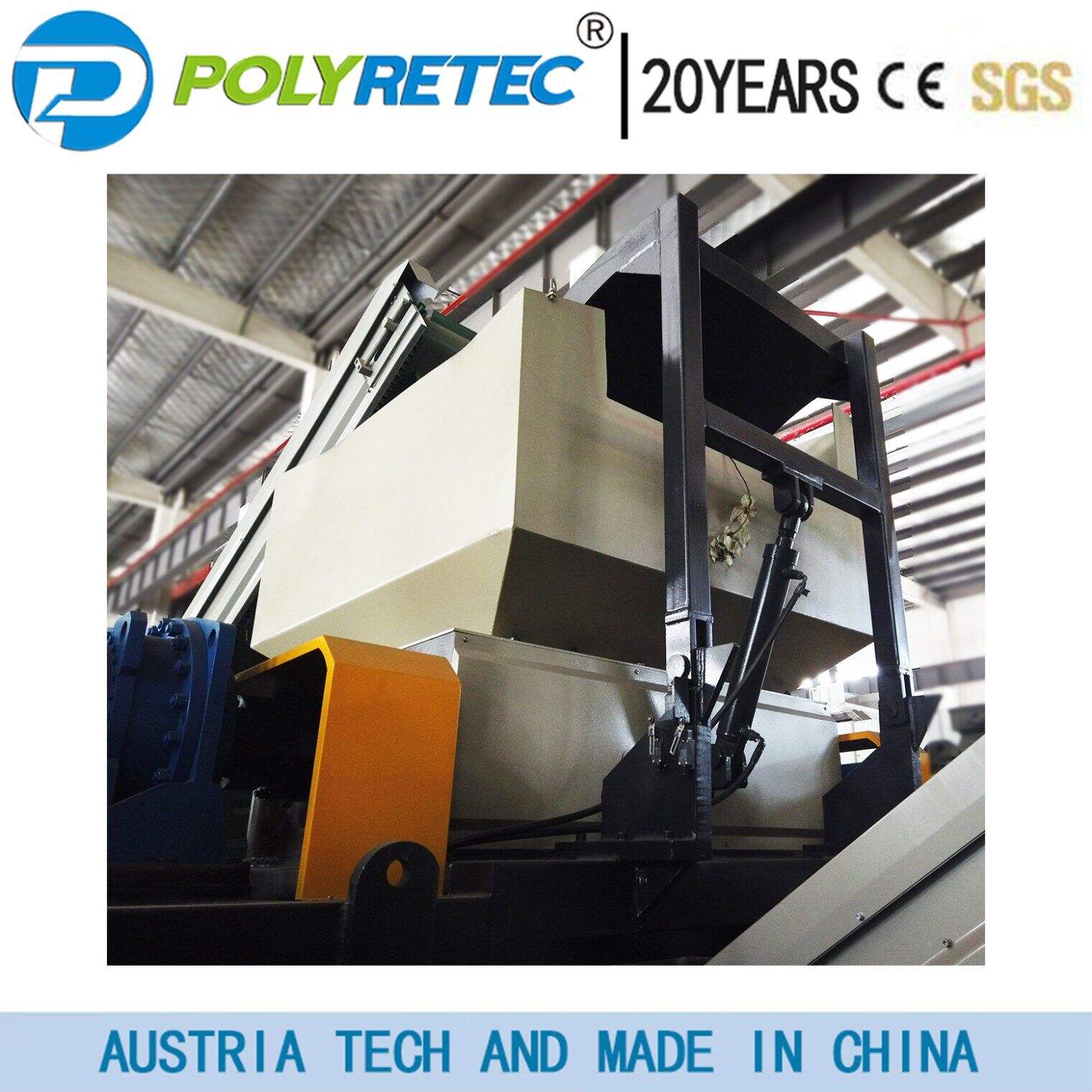
The global demand for recycled PET plastics continues to surge as industries prioritize sustainable manufacturing practices and circular economy principles. Modern PET pelletizing machine technology has evolved significantly to meet these growing requirements, offering enhanced efficiency, superior product quality, and reduced environmental impact. These advanced systems play a crucial role in transforming waste PET materials into high-grade pellets suitable for various industrial applications, from food packaging to textile manufacturing.
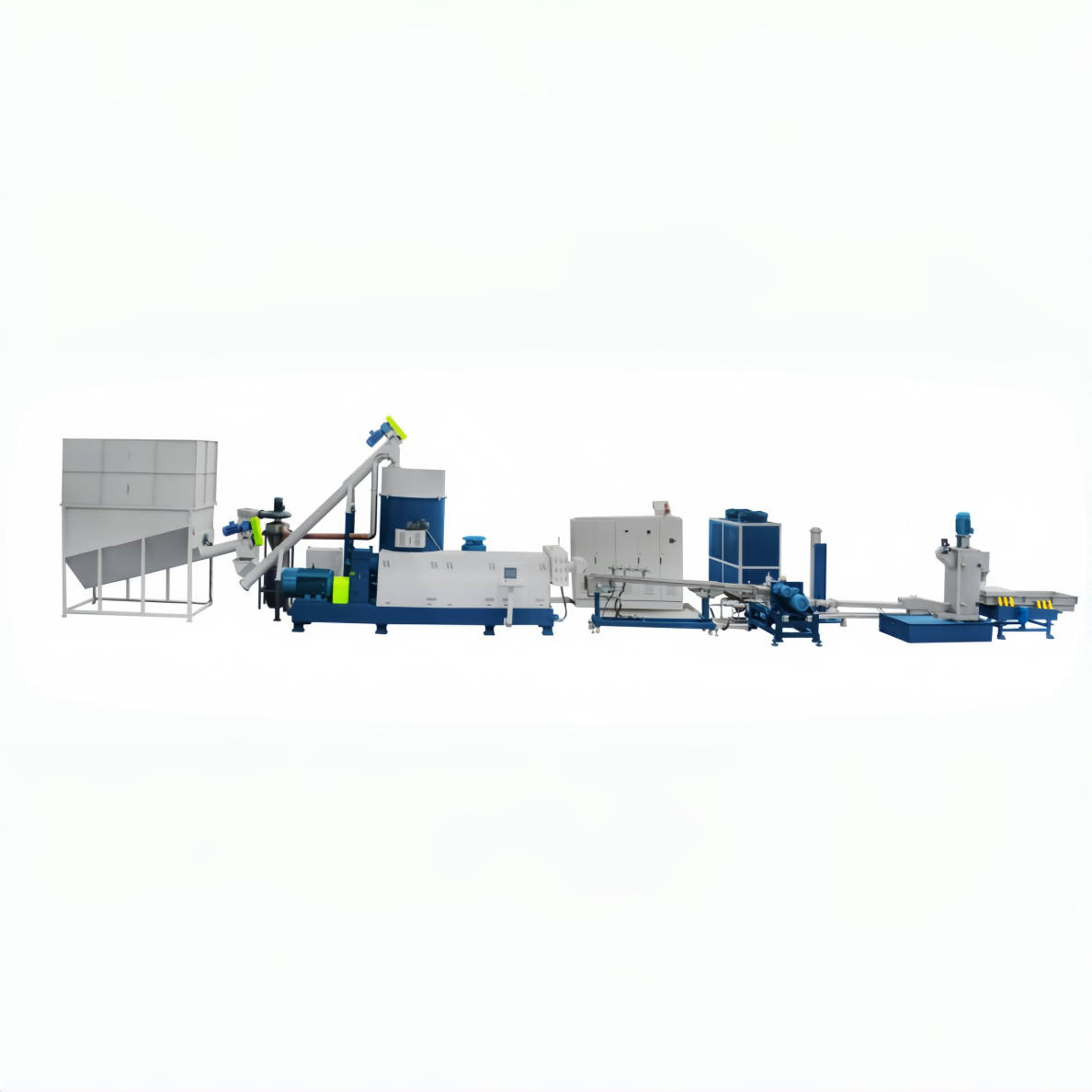
Contemporary recycling facilities and plastic processing companies require machinery that can handle diverse input materials while maintaining consistent output quality. The latest generation of pelletizing equipment incorporates advanced control systems, energy-efficient designs, and automated monitoring capabilities that significantly improve operational performance. Understanding the key features of modern systems helps manufacturers make informed decisions when selecting equipment for their specific processing requirements.
Advanced Twin Screw Extrusion Technology
High-Performance Screw Design
Modern PET pelletizing machines utilize sophisticated twin screw configurations that optimize material flow and mixing characteristics. The screw geometry features specialized zones designed for different processing stages, including feeding, melting, homogenization, and pressure building. Advanced screw elements incorporate barrier sections that separate solid and molten phases, ensuring uniform temperature distribution and eliminating potential quality variations in the final pellets.
The segmented screw design allows for customization based on specific material properties and processing requirements. Manufacturers can configure different screw elements to handle varying moisture content, contamination levels, and material viscosities commonly found in recycled PET feedstock. This flexibility enables processors to maintain consistent product quality regardless of input material variations.
Enhanced Barrel Construction
Contemporary barrel designs feature advanced heating and cooling systems that provide precise temperature control throughout the extrusion process. Multi-zone temperature management enables operators to create optimal thermal profiles for different PET grades and processing conditions. The barrel construction typically incorporates high-quality steel alloys with specialized coatings that resist wear and corrosion, extending equipment lifespan and reducing maintenance requirements.
Vacuum degassing capabilities integrated into the barrel design effectively remove volatile compounds and moisture from the molten PET material. This feature is particularly important when processing recycled content, as it eliminates contaminants that could negatively impact final product quality and color characteristics.
Intelligent Process Control Systems
Automated Monitoring and Adjustment
Modern systems incorporate sophisticated process control technology that continuously monitors critical parameters such as temperature, pressure, screw speed, and material flow rates. Real-time data collection enables automated adjustments to maintain optimal processing conditions and product specifications. Advanced sensors throughout the system provide comprehensive feedback on material behavior and equipment performance.
The control systems feature intuitive operator interfaces that display real-time process data and historical trends. Operators can easily identify potential issues before they impact production quality or equipment reliability. Remote monitoring capabilities allow technical support teams to provide assistance and troubleshooting support without on-site visits.
Quality Assurance Integration
Integrated quality control systems monitor pellet characteristics including size distribution, bulk density, and moisture content throughout the production process. Automated sampling and testing capabilities ensure consistent product quality while reducing manual inspection requirements. Statistical process control algorithms identify trends and variations that might indicate equipment wear or process drift.
Advanced vision systems can detect color variations, contamination, and physical defects in real-time, automatically adjusting process parameters or triggering material diversion to maintain product specifications. These quality assurance features are particularly valuable when processing mixed or contaminated recycled PET materials.
Energy Efficiency and Environmental Considerations
Optimized Power Consumption
Contemporary PET pelletizing machine designs prioritize energy efficiency through advanced motor technology and optimized mechanical configurations. Variable frequency drives enable precise speed control while reducing power consumption during different operating phases. High-efficiency heating systems minimize thermal losses and reduce overall energy requirements.
Heat recovery systems capture waste thermal energy from the extrusion process and redirect it for preheating incoming materials or facility heating purposes. These energy recovery features can significantly reduce operational costs while improving the overall environmental footprint of the recycling operation.
Emissions Control and Filtration
Advanced filtration systems remove contaminants and impurities from the molten PET stream, producing clean pellets suitable for high-value applications. Multi-stage filtration typically includes coarse screens for large particles, fine mesh filters for small contaminants, and specialized systems for removing paper labels and adhesive residues commonly found in recycled PET bottles.
Emission control systems capture and treat volatile organic compounds released during the melting process, ensuring compliance with environmental regulations. These systems often incorporate thermal oxidizers or carbon adsorption technology to minimize atmospheric emissions and create safer working environments.
Pelletizing and Finishing Systems
Underwater Pelletizing Technology
Modern underwater pelletizing systems provide superior pellet quality and consistency compared to traditional strand pelletizing methods. The underwater cutting process creates uniform, spherical pellets with minimal fines generation and excellent handling characteristics. Water temperature and flow rate control systems maintain optimal cutting conditions for different PET grades and processing speeds.
Advanced die plate designs minimize pressure drop while ensuring uniform strand formation across all die holes. Automated die face cleaning systems maintain cutting efficiency and prevent pellet quality degradation during extended production runs. The underwater environment also provides immediate cooling, which helps preserve material properties and prevents thermal degradation.
Drying and Packaging Integration
Integrated drying systems remove residual moisture from freshly cut pellets, ensuring they meet strict moisture specifications required for subsequent processing applications. Efficient dewatering and thermal drying stages work in combination to achieve target moisture levels while minimizing energy consumption and processing time.
Automated packaging systems can fill various container sizes and types while maintaining accurate weight control and preventing contamination. Dust collection and air filtration systems create clean packaging environments that preserve pellet quality during storage and transportation phases.
Maintenance and Operational Features
Accessibility and Service Design
Contemporary machine designs prioritize maintenance accessibility through strategic component placement and quick-change features. Hydraulic screen changers enable filter replacement without stopping production, while modular screw designs allow for individual element replacement without complete screw removal. These features significantly reduce maintenance downtime and associated production losses.
Predictive maintenance systems monitor equipment condition through vibration analysis, temperature monitoring, and wear pattern recognition. Early warning systems alert operators to potential issues before they result in equipment failures or product quality problems. Comprehensive maintenance scheduling software helps optimize service intervals and parts inventory management.
Safety and Compliance Features
Modern systems incorporate comprehensive safety systems including emergency stops, safety interlocks, and protective barriers that exceed industry safety standards. Automated safety checks verify proper equipment configuration before startup, preventing operator errors that could lead to accidents or equipment damage.
Compliance documentation systems automatically generate production records, quality certificates, and traceability data required by various industry standards and customer specifications. These systems simplify audit processes and ensure consistent documentation practices across multiple shifts and operators.
Material Handling and Feed Systems
Flexible Feed Configuration
Advanced feed systems accommodate various input material formats including baled bottles, flake materials, and pre-processed chips. Variable speed feeders maintain consistent material flow regardless of input density variations or bridging tendencies. Multiple feed ports enable the addition of colorants, additives, or virgin materials at optimal locations within the processing sequence.
Metal detection systems identify and remove metallic contaminants before they enter the extrusion zone, protecting equipment components and maintaining product quality. Automated rejection systems divert contaminated materials without interrupting main production flow, maintaining overall processing efficiency.
Storage and Conveying Systems
Integrated material handling systems transport finished pellets from the pelletizing unit to storage silos or packaging stations through closed conveying systems that prevent contamination and dust generation. Pneumatic conveying systems maintain gentle handling characteristics that preserve pellet integrity and minimize fines generation.
Advanced silo management systems monitor inventory levels and material flow patterns, automatically scheduling production runs and material transfers to optimize facility efficiency. Level sensors and flow monitoring devices provide real-time feedback on system performance and potential blockage conditions.
FAQ
What types of PET materials can modern pelletizing machines process
Modern PET pelletizing machines can process various forms of recycled PET including whole bottles, flaked materials, fiber waste, and thermoformed containers. The systems are designed to handle different contamination levels and can accommodate mixed color streams while maintaining high output quality. Advanced preprocessing and cleaning capabilities enable these machines to work with materials that contain moderate levels of paper labels, adhesives, and other common contaminants found in post-consumer PET waste streams.
How do energy efficiency features impact operational costs
Energy efficiency features in modern PET pelletizing machines typically reduce operational costs by 15-30% compared to older equipment designs. Variable frequency drives optimize motor power consumption based on actual processing loads, while advanced heating systems minimize thermal losses. Heat recovery systems capture waste energy for reuse, and improved insulation reduces external energy requirements. These efficiency improvements not only reduce utility costs but also contribute to lower carbon footprints and improved sustainability metrics for recycling operations.
What maintenance requirements should operators expect
Routine maintenance for modern PET pelletizing machines typically includes daily visual inspections, weekly lubrication schedules, and monthly filter replacements. Major maintenance activities such as screw element inspection and barrel liner replacement are usually required every 6-12 months depending on processing volumes and material conditions. Predictive maintenance systems help optimize service schedules by monitoring equipment condition in real-time, often extending maintenance intervals while preventing unexpected failures that could disrupt production schedules.
How do modern systems ensure consistent pellet quality
Consistent pellet quality is maintained through integrated process control systems that continuously monitor and adjust critical parameters including temperature profiles, pressure levels, and material flow rates. Automated quality control systems measure pellet characteristics such as size distribution, bulk density, and moisture content throughout production. Advanced filtration removes contaminants, while precise underwater cutting systems create uniform pellet geometry. Statistical process control algorithms identify quality trends and automatically adjust process parameters to maintain specifications within tight tolerances.