
 EN
EN


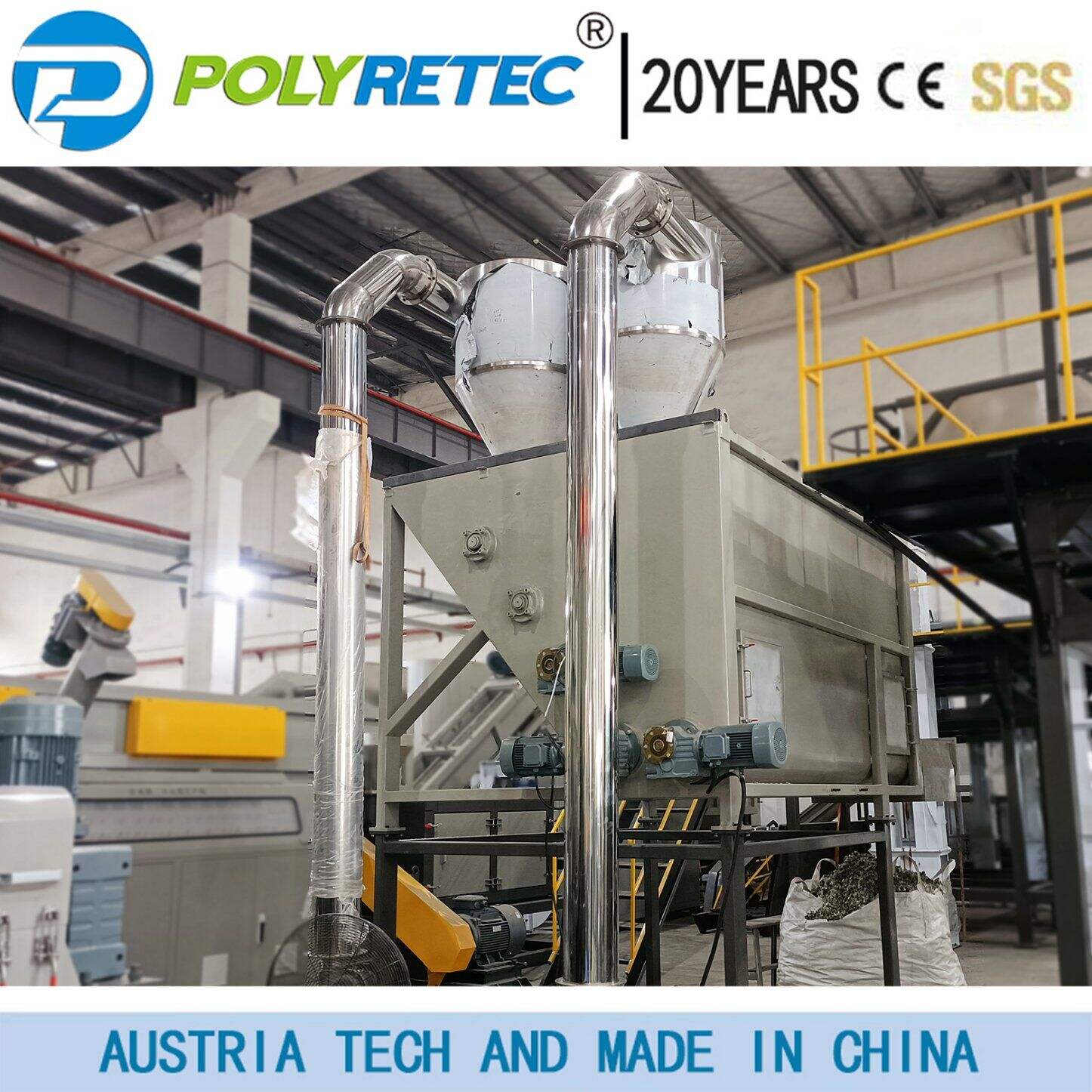
Maintaining operational excellence in recycling facilities requires careful attention to every component of the process. A well-managed PET bottle washing plant serves as the backbone of sustainable plastic recycling operations, transforming contaminated bottles into clean flakes ready for remanufacturing. The efficiency of these specialized facilities directly impacts both environmental outcomes and economic profitability, making proper maintenance and optimization crucial for long-term success.
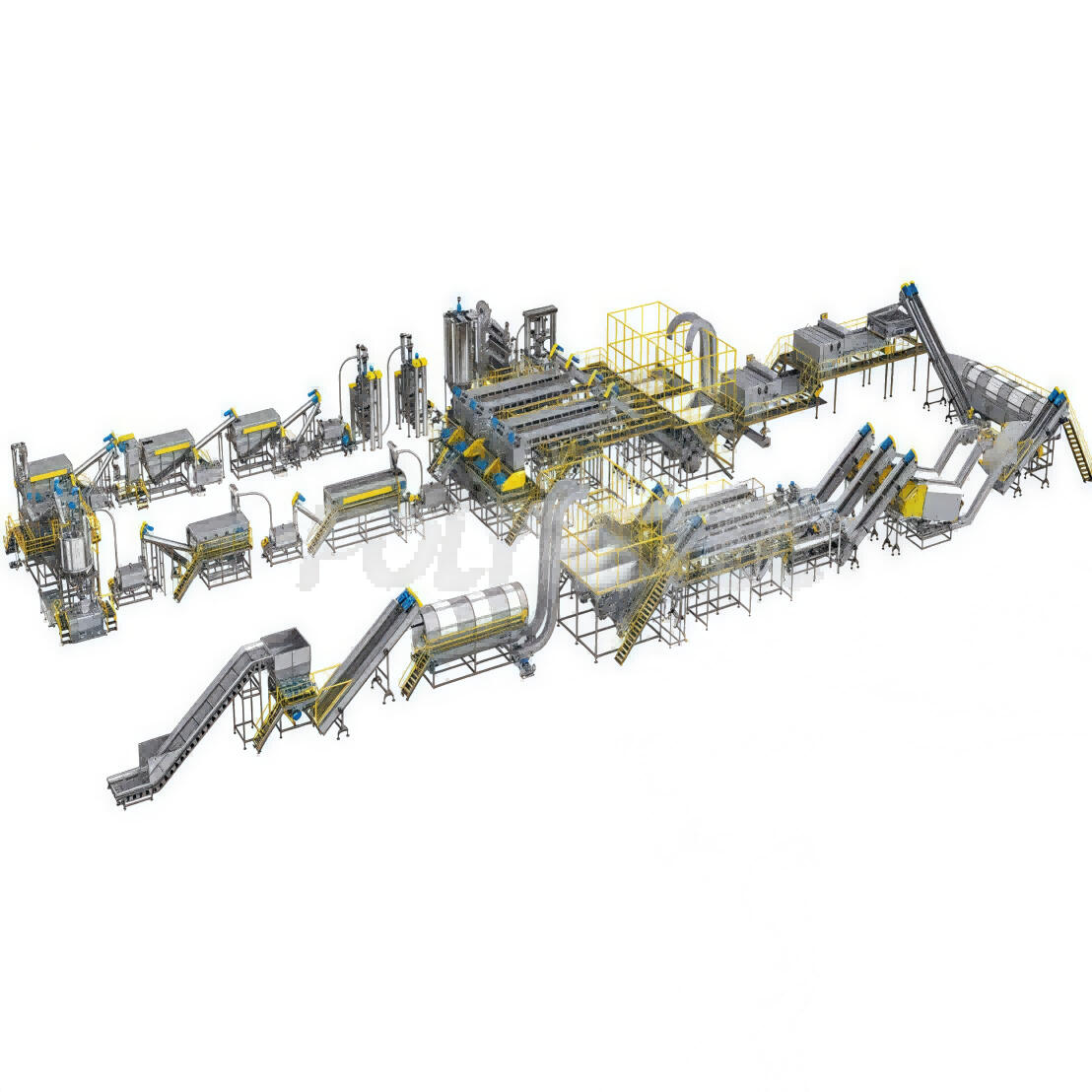
The complexity of modern recycling systems demands systematic approaches to equipment care, process monitoring, and quality control. Understanding the interconnected nature of washing line components helps facility managers identify potential bottlenecks before they impact overall throughput. From initial sorting stages through final drying processes, each element contributes to the plant's ability to deliver consistent, high-quality output that meets stringent industry specifications.
Essential Equipment Maintenance Strategies
Conveyor System Optimization
Conveyor systems form the circulatory network of any modern recycling facility, requiring consistent monitoring to prevent disruptions. Regular belt tension adjustments prevent premature wear while ensuring smooth material flow throughout the processing line. Lubrication schedules for drive motors and roller bearings should follow manufacturer specifications, typically requiring attention every 500 to 1000 operating hours depending on environmental conditions.
Contamination buildup on conveyor surfaces reduces efficiency and can damage sensitive downstream equipment. Daily cleaning protocols using appropriate solvents remove adhesive residues and label fragments that accumulate during normal operations. Belt alignment checks should occur weekly, as misalignment causes uneven wear patterns and increases energy consumption while reducing overall system reliability.
Washing Tank Maintenance Protocols
Hot wash tanks represent critical components where temperature control and chemical concentration directly affect cleaning effectiveness. Regular calibration of heating elements ensures consistent water temperatures between 85-95°C, optimal for removing stubborn adhesives and organic contamination. pH monitoring systems require monthly calibration to maintain proper caustic soda levels, typically ranging from 12-14 pH for effective label and adhesive removal.
Agitation systems within washing tanks need regular inspection for wear on impeller blades and shaft seals. Worn components reduce mixing efficiency, leading to inconsistent cleaning results and potential quality issues in final products. Replacement schedules should consider operating hours and the abrasive nature of recycled materials, with most facilities planning impeller replacement every 2000-3000 operating hours.
Process Control and Monitoring Systems
Temperature Management Excellence
Precise temperature control throughout the washing process ensures optimal cleaning efficiency while minimizing energy consumption. Automated monitoring systems should track temperature variations in real-time, with alarm thresholds set to alert operators of deviations beyond acceptable ranges. Heat recovery systems can capture thermal energy from hot wash stages to preheat incoming water, reducing overall energy costs by 15-25% in well-designed installations.
Thermal insulation around washing tanks and piping systems prevents heat loss while maintaining consistent processing temperatures. Regular inspection of insulation materials identifies areas where repairs or replacements are needed to maintain energy efficiency. Steam traps and condensate return systems require periodic maintenance to ensure proper operation and prevent energy waste through steam loss.
Chemical Dosing System Accuracy
Automated chemical dosing systems maintain consistent cleaning agent concentrations throughout extended production runs. Calibration of dosing pumps should occur monthly, with flow rate verification using precision measurement tools to ensure accurate chemical delivery. Backup dosing systems provide redundancy for critical cleaning stages, preventing production interruptions when primary systems require maintenance or repair.
Chemical storage and handling systems need regular inspection for corrosion or degradation that could affect product quality. Tank level sensors and automated reordering systems help maintain adequate chemical inventories while preventing overstocking that could lead to product degradation. Safety systems including emergency shutdown procedures and chemical containment measures require quarterly testing to ensure proper operation during potential incidents.
Quality Control Implementation
Contamination Detection Methods
Advanced optical sorting systems identify and remove contaminated materials before they enter washing stages, protecting equipment and ensuring final product quality. Regular calibration of optical sensors maintains detection accuracy for various contamination types including different plastic grades, metals, and organic materials. Maintenance schedules for air jet systems ensure reliable ejection of detected contaminants from the product stream.
Laboratory testing protocols verify cleaning effectiveness through regular sampling and analysis of processed flakes. Contamination levels should remain below 50 parts per million for food-grade applications, requiring precise analytical equipment and trained personnel. Documentation of test results provides traceability and helps identify trends that might indicate equipment degradation or process drift requiring corrective action.
Final Product Quality Assurance
Color sorting systems remove off-color flakes that could affect final product appearance and marketability. LED lighting systems in sorting chambers require regular cleaning and replacement to maintain consistent illumination for accurate color detection. Compressed air systems powering rejection mechanisms need moisture removal and pressure regulation to ensure reliable operation throughout production shifts.
Moisture content monitoring ensures proper drying before packaging and storage, preventing mold growth and material degradation during transportation. Infrared moisture analyzers require calibration using certified reference standards to maintain measurement accuracy within acceptable tolerances. Packaging systems should maintain moisture barriers while allowing proper ventilation to prevent condensation during temperature changes.
Energy Efficiency Optimization
Power Consumption Management
Energy monitoring systems track power consumption patterns across all equipment components, identifying opportunities for efficiency improvements. Variable frequency drives on motor systems allow speed optimization based on production requirements, reducing energy consumption during periods of lower throughput. Power factor correction equipment ensures efficient electrical system operation while minimizing utility demand charges.
Scheduled maintenance of electrical components prevents power losses due to loose connections, worn contacts, or degraded insulation. Thermal imaging surveys identify overheating components before failures occur, preventing unexpected downtime and potential safety hazards. Energy-efficient lighting systems using LED technology reduce facility power consumption while providing better illumination for quality control activities.
Heat Recovery Integration
Heat exchangers capture thermal energy from hot wash water for preheating incoming cold water, significantly reducing heating costs. Regular cleaning of heat exchanger surfaces prevents buildup that reduces thermal transfer efficiency and increases pressure drop across the system. Automatic backwashing systems help maintain optimal performance while minimizing manual maintenance requirements.
Waste heat recovery from drying systems can provide space heating or process heat for other facility operations. Proper insulation and ductwork design ensure maximum energy capture while preventing heat loss to surrounding areas. Integration with facility HVAC systems allows recovered heat to offset heating costs during cooler months, improving overall energy efficiency.
Preventive Maintenance Scheduling
Component Lifecycle Management
Systematic tracking of component operating hours enables proactive replacement before failures occur, preventing costly unplanned downtime. Maintenance management systems document service history, parts consumption, and performance trends for each critical component. Standardized maintenance procedures ensure consistent service quality regardless of which technician performs the work.
Spare parts inventory management balances carrying costs against downtime risks, maintaining adequate stock levels for critical components while avoiding excessive inventory investment. Strategic partnerships with equipment suppliers can provide expedited delivery of replacement parts when needed. Condition monitoring techniques including vibration analysis and oil sampling help predict component failure timing for better maintenance planning.
Documentation and Record Keeping
Comprehensive maintenance records support warranty claims, regulatory compliance, and equipment valuation for financial reporting. Digital maintenance systems enable real-time access to equipment history, facilitating faster troubleshooting and repair decisions. Regular backup of maintenance data prevents loss of critical information due to system failures or cyber security incidents.
Performance trending analysis identifies gradual degradation patterns that might indicate need for process adjustments or equipment upgrades. Maintenance cost tracking helps justify capital investments in more reliable equipment or process improvements. Integration with production reporting systems provides comprehensive visibility into how maintenance activities affect overall facility performance and profitability.
Staff Training and Development
Operator Skill Enhancement
Regular training programs ensure operators understand proper equipment operation procedures and can identify early signs of potential problems. Hands-on training with actual equipment components helps develop practical troubleshooting skills that reduce response times during operational issues. Cross-training programs provide operational flexibility while ensuring adequate coverage during planned maintenance activities or staff absences.
Safety training programs emphasize proper lockout procedures, chemical handling protocols, and emergency response actions. Regular safety meetings review incident reports and near-miss situations to prevent similar occurrences. Personal protective equipment requirements and proper usage techniques require reinforcement through ongoing training and supervisor oversight.
Maintenance Team Development
Technical training keeps maintenance personnel current with evolving equipment technologies and service techniques. Manufacturer-sponsored training programs provide detailed knowledge of specific equipment systems and recommended maintenance practices. Professional development opportunities including industry certifications enhance team capabilities while improving job satisfaction and retention rates.
Mentorship programs pair experienced technicians with newer team members, transferring valuable institutional knowledge and practical skills. Regular skills assessments identify training needs and help develop individual career advancement plans. Tool and equipment training ensures proper usage of specialized maintenance equipment while preventing damage due to incorrect application.
Troubleshooting Common Issues
Production Bottleneck Resolution
Systematic bottleneck analysis identifies constraints that limit overall system throughput, enabling targeted improvements for maximum impact. Flow measurement and monitoring throughout the process line reveals where materials accumulate or processing slows. Quick changeover procedures minimize downtime when switching between different material grades or container sizes.
Equipment reliability improvements focus on components with highest failure rates or longest repair times. Predictive maintenance techniques help schedule repairs during planned maintenance windows rather than during production periods. Backup system capabilities provide continued operation when primary equipment requires extended maintenance or repair.
Quality Issue Investigation
Root cause analysis procedures help identify underlying factors contributing to quality problems rather than just addressing symptoms. Process parameter monitoring and trending analysis reveals correlations between operating conditions and product quality variations. Customer feedback integration helps identify quality issues that might not be detected through internal testing procedures.
Corrective action implementation includes both immediate fixes and long-term improvements to prevent recurrence of similar issues. Documentation of quality incidents and corrective actions supports continuous improvement initiatives and regulatory compliance requirements. Regular review of quality metrics helps identify trends that might indicate need for process adjustments or equipment modifications.
FAQ
What is the typical maintenance frequency for critical components in a recycling facility?
Critical components typically require daily visual inspections, weekly lubrication of moving parts, and monthly calibration of monitoring systems. Major components like motors and pumps usually need comprehensive service every 1000-2000 operating hours, while wear items such as screens and conveyor belts may require replacement every 6-12 months depending on throughput and material characteristics.
How can facilities reduce energy consumption while maintaining processing efficiency?
Energy reduction strategies include implementing variable speed drives on motors, optimizing heating system temperatures, and installing heat recovery equipment. Regular maintenance of electrical systems prevents energy losses, while proper insulation reduces heating costs. Monitoring systems help identify equipment operating inefficiently, and scheduling production during off-peak utility hours can reduce energy costs by 20-30%.
What quality standards should recycled PET flakes meet for food-grade applications?
Food-grade recycled PET must meet strict contamination limits including less than 50 ppm of foreign materials, specific color requirements, and moisture content below 0.2%. The material must pass migration testing for food contact safety and maintain proper intrinsic viscosity levels. Regular third-party testing and certification ensure compliance with FDA and international food safety regulations.
How can operators identify potential equipment problems before they cause production shutdowns?
Early warning signs include unusual noise levels, temperature variations, vibration changes, and declining product quality metrics. Regular inspection of wear items, monitoring of power consumption patterns, and tracking of processing times help identify developing problems. Implementing condition monitoring systems with automated alerts enables proactive maintenance scheduling before failures occur, preventing costly unplanned downtime.
Table of Contents
- Essential Equipment Maintenance Strategies
- Process Control and Monitoring Systems
- Quality Control Implementation
- Energy Efficiency Optimization
- Preventive Maintenance Scheduling
- Staff Training and Development
- Troubleshooting Common Issues
-
FAQ
- What is the typical maintenance frequency for critical components in a recycling facility?
- How can facilities reduce energy consumption while maintaining processing efficiency?
- What quality standards should recycled PET flakes meet for food-grade applications?
- How can operators identify potential equipment problems before they cause production shutdowns?