
 EN
EN



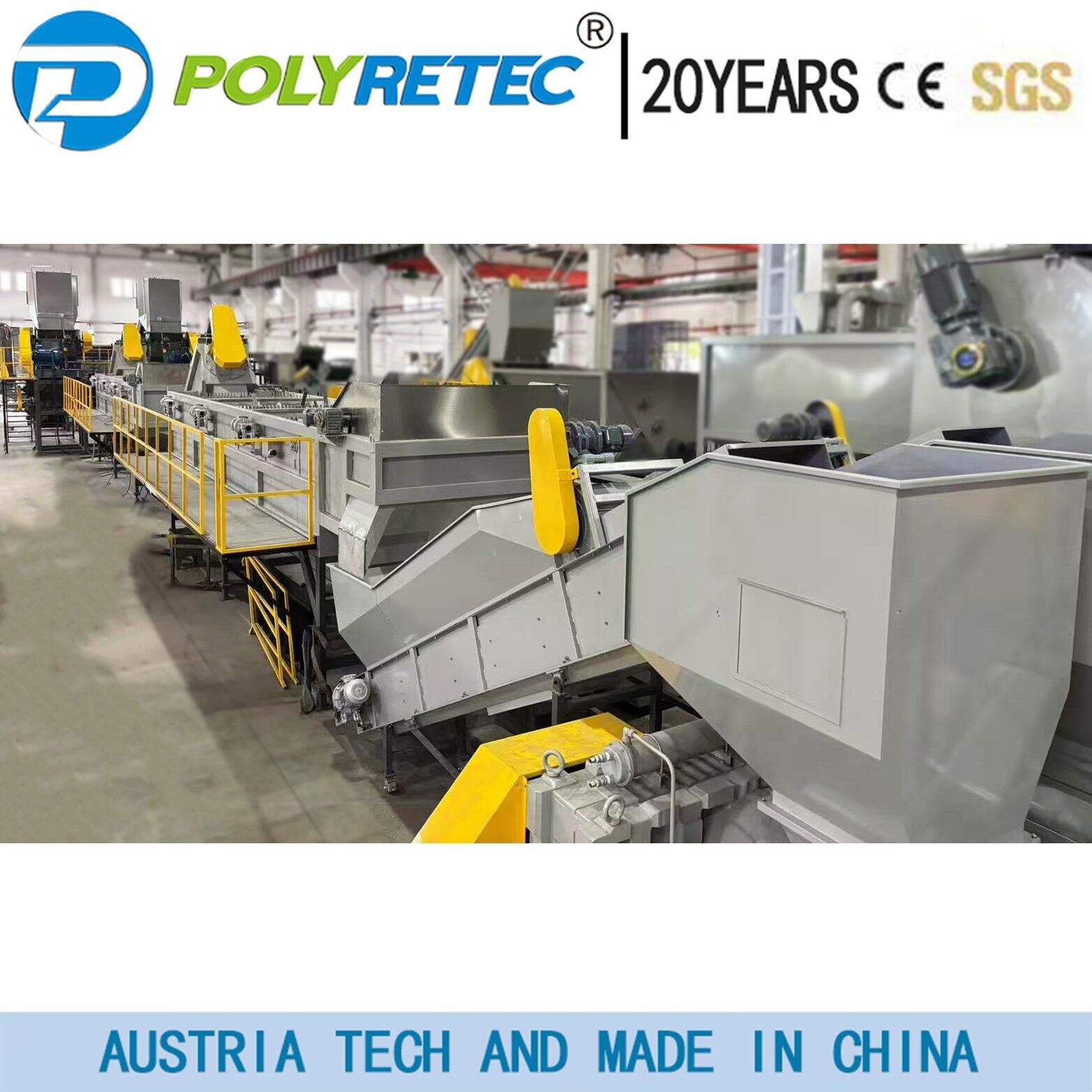
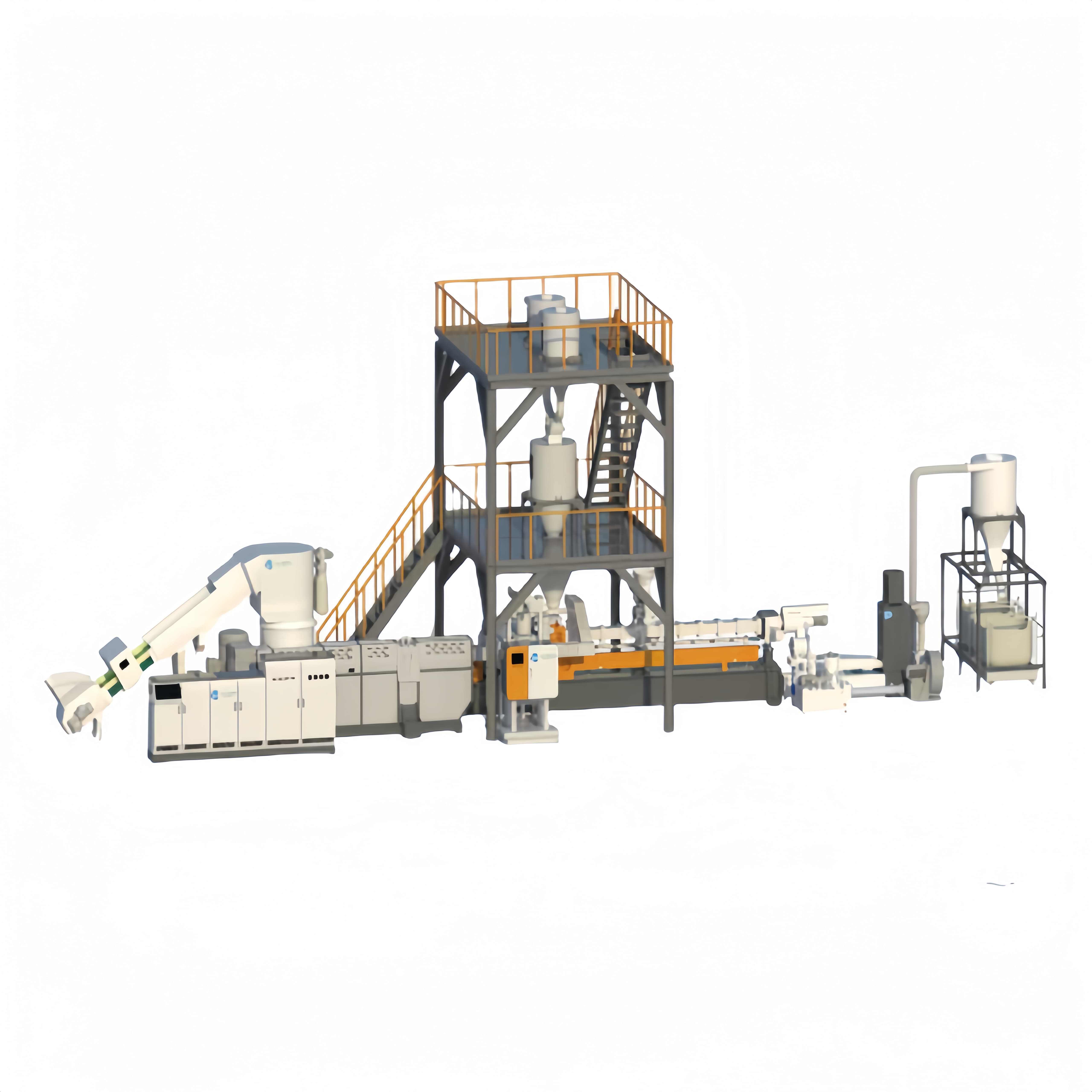
Modern industrial facilities rely heavily on plastic pelletizing recycling machines to transform waste plastic materials into valuable reusable pellets. These sophisticated systems play a crucial role in the circular economy by converting discarded plastic products back into raw materials for manufacturing new items. However, like any complex industrial equipment, these machines can encounter various operational challenges that require systematic troubleshooting approaches. Understanding common issues and their solutions is essential for maintaining optimal performance and ensuring consistent production quality in recycling operations.
Understanding Common Operational Challenges
Temperature Control Issues
Temperature regulation represents one of the most critical aspects of successful plastic pelletizing operations. When plastic pelletizing recycling machines experience temperature fluctuations, the quality of output pellets can suffer dramatically. Inconsistent heating can result in partially melted materials, irregular pellet sizes, or complete system shutdowns. Operators must monitor temperature zones carefully, ensuring that each heating element maintains its designated range throughout the production cycle.
Temperature-related problems often stem from faulty heating elements, damaged thermocouples, or inadequate insulation around processing chambers. Regular calibration of temperature sensors ensures accurate readings and prevents costly production errors. Additionally, environmental factors such as ambient temperature changes can affect machine performance, requiring adjustments to compensate for seasonal variations or facility climate control issues.
Feed Rate and Material Flow Problems
Maintaining consistent material flow through the processing system is essential for producing uniform pellets. Irregular feed rates can cause blockages, uneven melting, or excessive wear on internal components. These issues typically manifest as fluctuating production volumes, inconsistent pellet quality, or unusual noise patterns during operation. Proper material preparation, including adequate drying and size reduction, significantly impacts feed consistency.
Material flow problems can also arise from improper screw design or worn components within the extruder assembly. Regular inspection of conveying screws, barrel wear patterns, and feed throat conditions helps identify potential issues before they cause significant production disruptions. Adjusting feed rates based on material characteristics and processing conditions optimizes throughput while maintaining quality standards.
Mechanical Component Troubleshooting
Extruder Screw and Barrel Issues
The extruder screw and barrel assembly forms the heart of most plastic pelletizing recycling machines, making their proper maintenance crucial for reliable operation. Wear patterns on screw flights or barrel surfaces can significantly impact melting efficiency and output quality. Excessive clearance between screw and barrel reduces pressure buildup, leading to poor mixing and inconsistent melt quality. Regular measurement of clearances and inspection for wear patterns helps determine when replacement becomes necessary.
Screw damage often results from processing contaminated materials containing metal particles or other foreign objects. Implementing effective material screening procedures prevents such damage and extends component life. Additionally, proper startup and shutdown procedures minimize thermal shock to these critical components, reducing the risk of cracking or warping that can compromise performance.
Cutting and Pelletizing System Malfunctions
The cutting mechanism responsible for forming pellets from extruded material requires precise adjustment and regular maintenance to function properly. Dull or misaligned cutting blades produce irregular pellet shapes, excessive fines, or stringy material that fails to separate cleanly. Blade replacement schedules should account for material characteristics and production volumes to maintain optimal cutting performance.
Die plate condition directly affects pellet formation and cutting efficiency. Worn or damaged die holes can cause material buildup, irregular flow patterns, or complete blockages. Regular cleaning and inspection of die plates, combined with proper material filtration upstream, extends die life and maintains consistent pellet quality throughout production runs.
Quality Control and Output Optimization
Pellet Size and Shape Consistency
Achieving consistent pellet dimensions requires careful coordination between cutting speed, material flow rate, and die design parameters. Variations in any of these factors can result in pellets that fail to meet specifications, affecting downstream processing or customer requirements. Monitoring systems that track pellet dimensions in real-time enable operators to make immediate adjustments when deviations occur.
Environmental conditions within the cutting chamber, including temperature and humidity, influence pellet formation. Proper cooling water circulation and temperature control prevent pellets from sticking together or deforming during the cutting process. Regular calibration of measuring equipment ensures accurate assessment of pellet quality throughout production cycles.
Contamination Prevention and Material Purity
Maintaining material purity throughout the pelletizing process is essential for producing high-quality recycled pellets suitable for demanding applications. Contamination can occur at various stages, from initial material handling through final pellet packaging. Plastic pelletizing recycling machines incorporate multiple filtration stages to remove contaminants, but proper maintenance of these systems is crucial for their effectiveness.
Screen pack replacement schedules should account for material characteristics and contamination levels in feed stock. Clogged screens not only reduce filtration efficiency but can also cause pressure buildup leading to equipment damage. Implementing proper material pre-processing procedures, including washing and density separation, reduces the contamination load on downstream filtration systems.
Preventive Maintenance Strategies
Regular Inspection Schedules
Establishing comprehensive inspection schedules prevents minor issues from developing into major problems that require costly repairs or extended downtime. Daily visual inspections should focus on obvious signs of wear, unusual noises, or changes in operating parameters. Weekly inspections can include more detailed examinations of critical components such as drive systems, heating elements, and cutting mechanisms.
Monthly maintenance activities typically involve thorough cleaning, lubrication of moving parts, and verification of safety systems. These regular maintenance intervals help identify trends in component wear and allow for proactive replacement before failures occur. Documenting inspection results creates valuable historical data for optimizing maintenance schedules and predicting future maintenance needs.
Lubrication and Component Care
Proper lubrication is essential for maintaining the longevity and performance of mechanical components in plastic pelletizing recycling machines. Different components require specific lubricant types and application frequencies based on operating conditions and manufacturer specifications. Gear boxes, bearing assemblies, and hydraulic systems each have unique lubrication requirements that must be met consistently.
Lubricant quality monitoring helps detect early signs of component wear or contamination. Oil analysis programs can identify metal particles, moisture, or chemical contamination that indicates developing problems. Regular lubricant changes based on operating hours and condition assessments ensure optimal protection for critical mechanical components.
Advanced Troubleshooting Techniques
Process Parameter Monitoring
Modern plastic pelletizing recycling machines incorporate sophisticated monitoring systems that track multiple process parameters simultaneously. These systems provide valuable diagnostic information when troubleshooting operational issues. Pressure readings throughout the system can indicate blockages, wear patterns, or material flow problems before they become critical.
Energy consumption patterns often reveal developing mechanical problems or process inefficiencies. Sudden increases in power consumption may indicate bearing failures, material blockages, or changes in material characteristics. Trending this data over time helps identify gradual changes that might otherwise go unnoticed until they cause significant problems.
Material Characterization and Testing
Understanding the characteristics of input materials is crucial for optimizing processing parameters and preventing equipment problems. Different plastic types require specific processing conditions, and contaminated or degraded materials may need special handling procedures. Regular testing of incoming materials helps anticipate processing challenges and adjust machine settings accordingly.
Output pellet testing verifies that processing parameters are producing acceptable results and can identify trends that indicate developing issues. Melt flow index testing, density measurements, and contamination analysis provide quantitative data for process optimization and quality control. This information helps correlate processing conditions with output quality, enabling more effective troubleshooting when problems arise.
FAQ
What are the most common causes of irregular pellet formation
Irregular pellet formation typically results from inconsistent material flow, dull cutting blades, or improper die temperature control. Material moisture content variations can also cause pellet deformation, while worn die plates create uneven flow patterns that affect pellet shape and size consistency.
How often should screen packs be replaced in recycling systems
Screen pack replacement frequency depends on material contamination levels and processing volumes, but generally ranges from daily to weekly intervals. Monitoring pressure drop across screen packs provides a reliable indicator of when replacement is needed, with significant pressure increases signaling clogged screens.
What temperature ranges are optimal for different plastic types
Processing temperatures vary significantly by plastic type, with polyethylene typically requiring 180-220°C, polypropylene needing 200-250°C, and PET requiring 270-290°C. These ranges must be adjusted based on material grade, contamination levels, and desired output characteristics.
How can operators detect early signs of screw and barrel wear
Early wear indicators include increased energy consumption, reduced output rates, longer residence times, and declining melt quality. Regular measurement of screw-to-barrel clearances using specialized gauges provides quantitative assessment of wear progression, allowing for proactive maintenance planning.