
 EN
EN



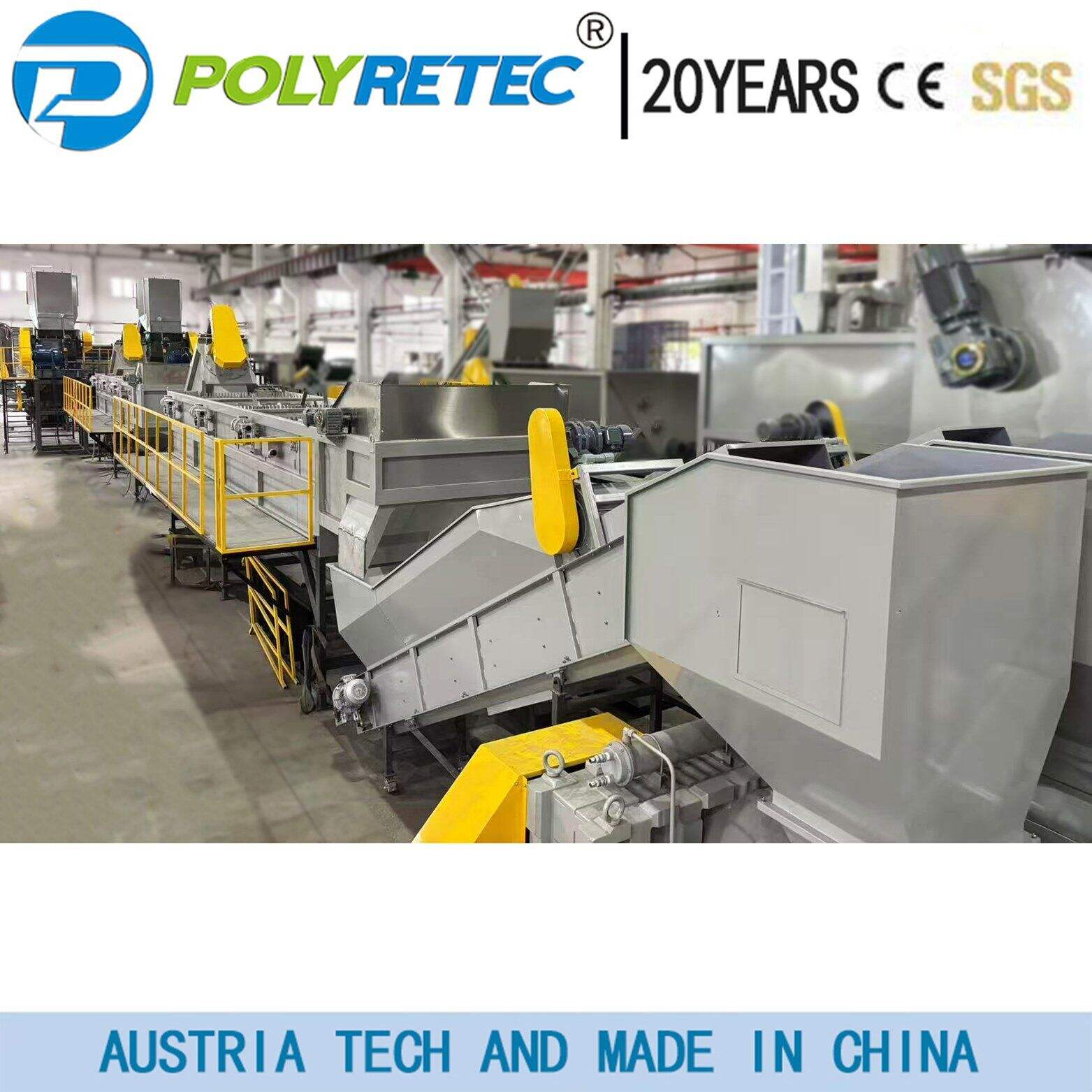
The global plastic waste crisis has reached unprecedented levels, with millions of tons of plastic film materials accumulating in landfills and oceans worldwide. As environmental regulations tighten and sustainability becomes a business imperative, manufacturers and waste management facilities are increasingly turning to advanced recycling technologies. A plastic film recycling machine represents a critical investment for companies seeking to transform waste streams into valuable resources while meeting environmental compliance standards. These sophisticated systems process various types of plastic films, including shopping bags, agricultural films, packaging materials, and industrial wraps, converting them into clean, reusable pellets or flakes that can be manufactured into new products.
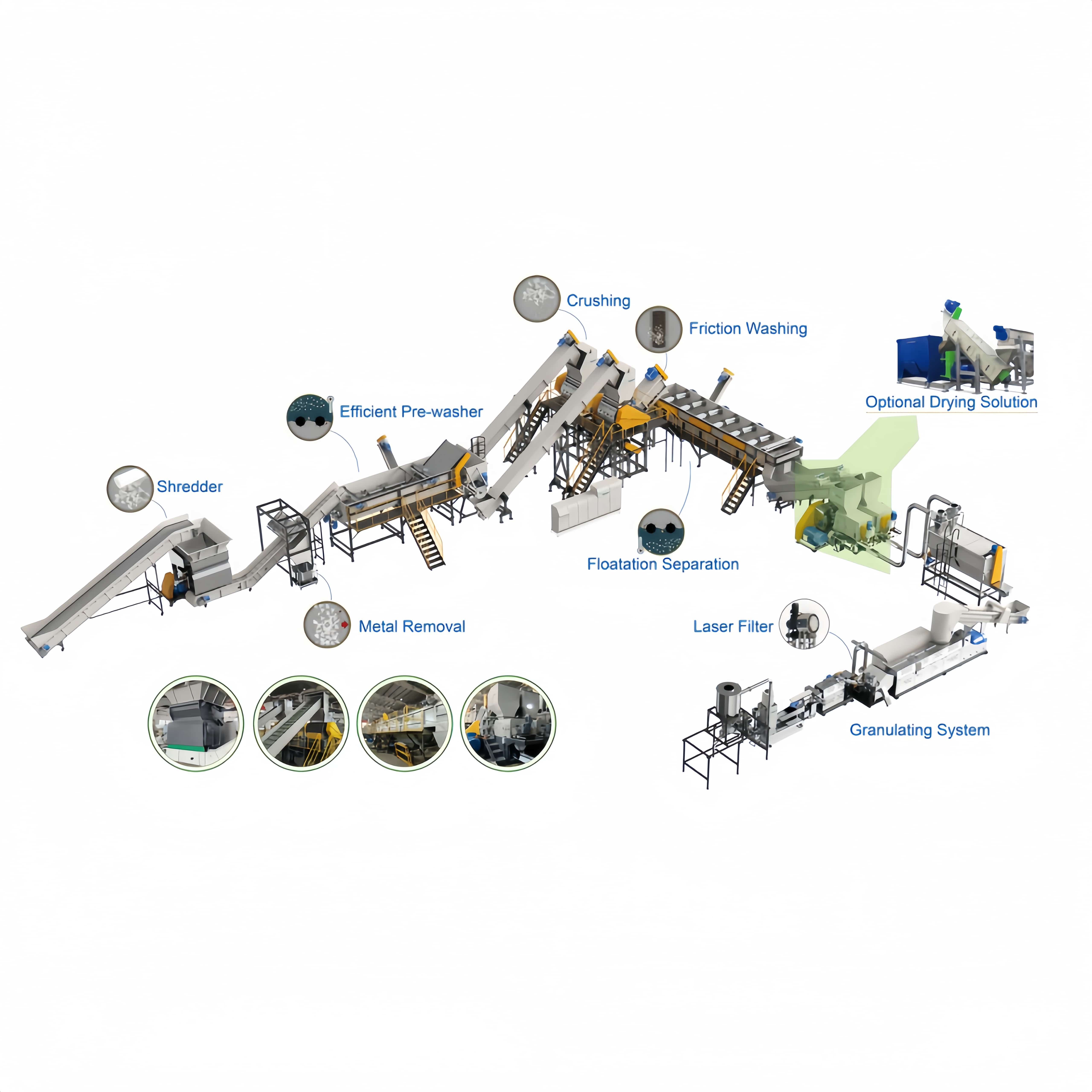
Modern plastic film recycling operations require specialized equipment designed to handle the unique challenges posed by lightweight, flexible materials. Unlike rigid plastic containers, film materials present specific processing difficulties including contamination removal, density separation, and efficient washing cycles. Understanding the fundamental principles behind these recycling systems enables facility managers to make informed equipment selections that maximize throughput while maintaining product quality standards.
Core Components of Plastic Film Processing Systems
Pre-Processing and Material Preparation
The initial stage of plastic film recycling involves careful material preparation and sorting procedures. Raw plastic film waste arrives at processing facilities in various conditions, often containing significant contamination from labels, adhesives, organic matter, and other foreign materials. Advanced sorting systems utilize optical recognition technology and density separation methods to identify and segregate different polymer types, ensuring optimal processing efficiency downstream.
Material preparation equipment typically includes conveyor systems, magnetic separators, and air classifiers that remove metal contaminants and lightweight debris. Pre-shredding operations reduce film dimensions to manageable sizes while maintaining material integrity for subsequent washing processes. Quality control measures during this phase directly impact the final product specifications and overall system performance.
Washing and Contamination Removal
Effective contamination removal represents the most critical aspect of plastic film recycling operations. Modern washing systems employ multiple stages of mechanical and chemical cleaning processes designed to eliminate organic residues, ink, adhesives, and other surface contaminants. High-temperature washing cycles combined with specialized detergents break down stubborn contamination while preserving the underlying polymer structure.
Friction washers utilize mechanical agitation to remove deeply embedded contaminants through controlled abrasion processes. Float-sink tanks separate materials based on density differences, effectively removing heavier contaminants while allowing clean plastic films to be recovered. Water treatment and recycling systems minimize environmental impact while maintaining consistent cleaning performance throughout extended production cycles.
Advanced Technology Integration
Automation and Process Control
Contemporary plastic film recycling facilities incorporate sophisticated automation systems that optimize processing parameters in real-time. Programmable logic controllers monitor temperature, pressure, flow rates, and material density throughout the recycling process, automatically adjusting operating conditions to maintain consistent output quality. These integrated control systems reduce labor requirements while improving overall system reliability and product consistency.
Remote monitoring capabilities enable facility managers to track equipment performance, predict maintenance requirements, and optimize production schedules based on material availability and market demand. Data analytics platforms collect operational information that supports continuous improvement initiatives and helps identify opportunities for enhanced efficiency and cost reduction.
Energy Efficiency and Environmental Compliance
Modern plastic film recycling machine designs prioritize energy efficiency through heat recovery systems, variable frequency drives, and optimized process sequencing. These technologies significantly reduce operational costs while minimizing the environmental footprint of recycling operations. Closed-loop water systems recycle process water multiple times, reducing fresh water consumption and minimizing wastewater discharge.
Emission control systems capture and treat process gases, ensuring compliance with local environmental regulations while maintaining healthy working conditions. Advanced filtration technology removes particulates and volatile compounds, protecting both equipment and personnel while meeting stringent air quality standards in industrial environments.
Product Quality and Output Specifications
Material Characterization and Testing
Recycled plastic film materials must meet specific quality standards to ensure successful integration into new manufacturing processes. Comprehensive testing protocols evaluate melt flow index, tensile strength, color consistency, and contamination levels throughout production cycles. These quality control measures verify that recycled materials meet or exceed performance specifications required by end-use applications.
Laboratory analysis identifies molecular weight distribution, crystallinity levels, and thermal properties that affect processing behavior during subsequent manufacturing operations. Regular quality monitoring ensures consistent product specifications while identifying potential issues before they impact production efficiency or customer satisfaction levels.
Market Applications and End-Use Products
Recycled plastic film materials find applications across diverse manufacturing sectors including packaging, construction materials, automotive components, and consumer products. High-quality recycled pellets can substitute for virgin materials in many applications, providing cost advantages while supporting sustainability objectives. Market demand for recycled content continues expanding as companies seek to reduce environmental impact and meet consumer expectations for responsible manufacturing practices.
Specialized grades of recycled plastic film materials serve specific applications requiring particular performance characteristics. Food-grade recycled materials undergo additional purification processes to meet safety standards, while industrial applications may accept lower purity levels in exchange for cost advantages. Understanding these market requirements helps recycling facility operators optimize processing parameters and product specifications.
Economic Considerations and Investment Analysis
Capital Investment and Operating Costs
Implementing plastic film recycling operations requires significant capital investment in specialized equipment, facility infrastructure, and supporting systems. Initial equipment costs vary depending on processing capacity, automation level, and quality requirements for recycled products. Comprehensive financial analysis must consider equipment acquisition, installation, training, and startup costs alongside ongoing operational expenses including utilities, maintenance, and labor.
Operating cost analysis includes raw material acquisition, processing chemicals, energy consumption, and waste disposal expenses. Revenue projections depend on local market conditions, recycled material pricing, and production volume capabilities. Payback periods typically range from three to seven years depending on facility scale, processing efficiency, and market conditions in specific geographic regions.
Market Trends and Future Opportunities
Growing environmental awareness and regulatory pressure create expanding market opportunities for recycled plastic film materials. Government incentives and extended producer responsibility programs support recycling infrastructure development while creating stable demand for recycled content. Technological advances continue improving processing efficiency and product quality, making recycled materials increasingly competitive with virgin alternatives.
Circular economy initiatives encourage closed-loop manufacturing systems where recycled materials return to original applications, creating sustainable supply chains that reduce environmental impact. These trends support long-term market growth and provide stable revenue streams for recycling facility investments. Strategic partnerships with material suppliers and end-users help ensure consistent feedstock availability and reliable product demand.
Operational Best Practices
Maintenance and Equipment Longevity
Proactive maintenance programs ensure reliable operation and extend equipment service life in demanding recycling environments. Regular inspection schedules identify wear patterns and potential failure modes before they impact production schedules. Preventive maintenance protocols include bearing lubrication, seal replacement, and cleaning system optimization that maintain peak performance levels throughout extended operating periods.
Spare parts inventory management balances carrying costs against potential downtime expenses, ensuring critical components remain available when needed. Training programs develop internal maintenance capabilities while establishing relationships with equipment suppliers for technical support and emergency service requirements. Comprehensive maintenance records support warranty claims and help optimize replacement schedules for major components.
Safety and Environmental Management
Plastic film recycling operations involve mechanical hazards, chemical handling, and elevated temperatures that require comprehensive safety management systems. Employee training programs address proper operating procedures, emergency response protocols, and personal protective equipment requirements. Regular safety audits identify potential hazards while ensuring compliance with occupational health and safety regulations.
Environmental management systems track waste generation, energy consumption, and emissions to support continuous improvement initiatives. Waste minimization strategies reduce disposal costs while supporting sustainability objectives. Emergency response plans address potential spills, equipment failures, and other incidents that could impact environmental compliance or facility safety.
FAQ
What types of plastic films can be processed by recycling machines
Most plastic film recycling machines process polyethylene films including shopping bags, agricultural films, stretch wraps, and packaging materials. Some systems handle polypropylene films and multi-layer structures, though processing parameters may require adjustment. Material identification and sorting remain critical for achieving optimal results with mixed plastic film waste streams.
How much space is required for a complete plastic film recycling system
Space requirements vary significantly based on processing capacity and system configuration. Small-scale operations may require 2000-5000 square feet, while large industrial facilities need 20000-50000 square feet or more. Additional space considerations include material storage, finished product warehousing, maintenance areas, and compliance with local zoning regulations.
What is the typical processing capacity of commercial recycling equipment
Commercial plastic film recycling machines range from 500 kilograms per hour for smaller operations to over 5000 kilograms per hour for large industrial systems. Processing capacity depends on material type, contamination levels, desired output quality, and specific equipment configuration. Actual throughput may vary based on operational conditions and maintenance requirements.
How long does it take to achieve return on investment for recycling equipment
Return on investment periods typically range from 3-7 years depending on equipment costs, processing volumes, material pricing, and operational efficiency. Factors influencing payback include local market conditions, energy costs, labor expenses, and regulatory incentives. Detailed financial analysis considering all operational variables provides more accurate investment projections for specific situations.