
 EN
EN



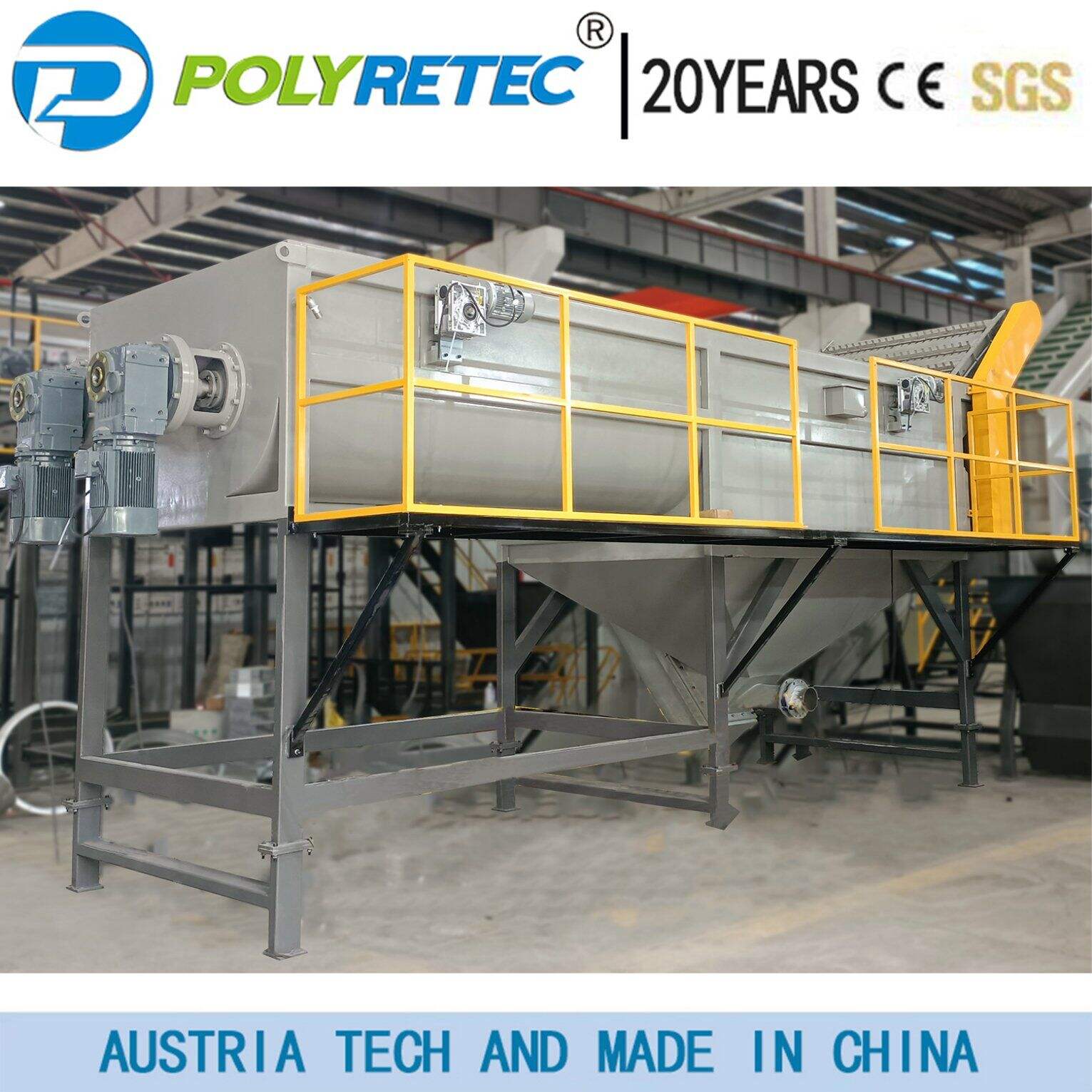
The global push toward sustainability has made circular economy principles essential for modern manufacturing industries. PET pelletizing machines stand at the forefront of this transformation, enabling businesses to convert waste plastic materials into valuable raw materials for new production cycles. These sophisticated systems not only reduce environmental impact but also create economic opportunities by transforming discarded PET bottles and containers into high-quality plastic pellets suitable for manufacturing applications.
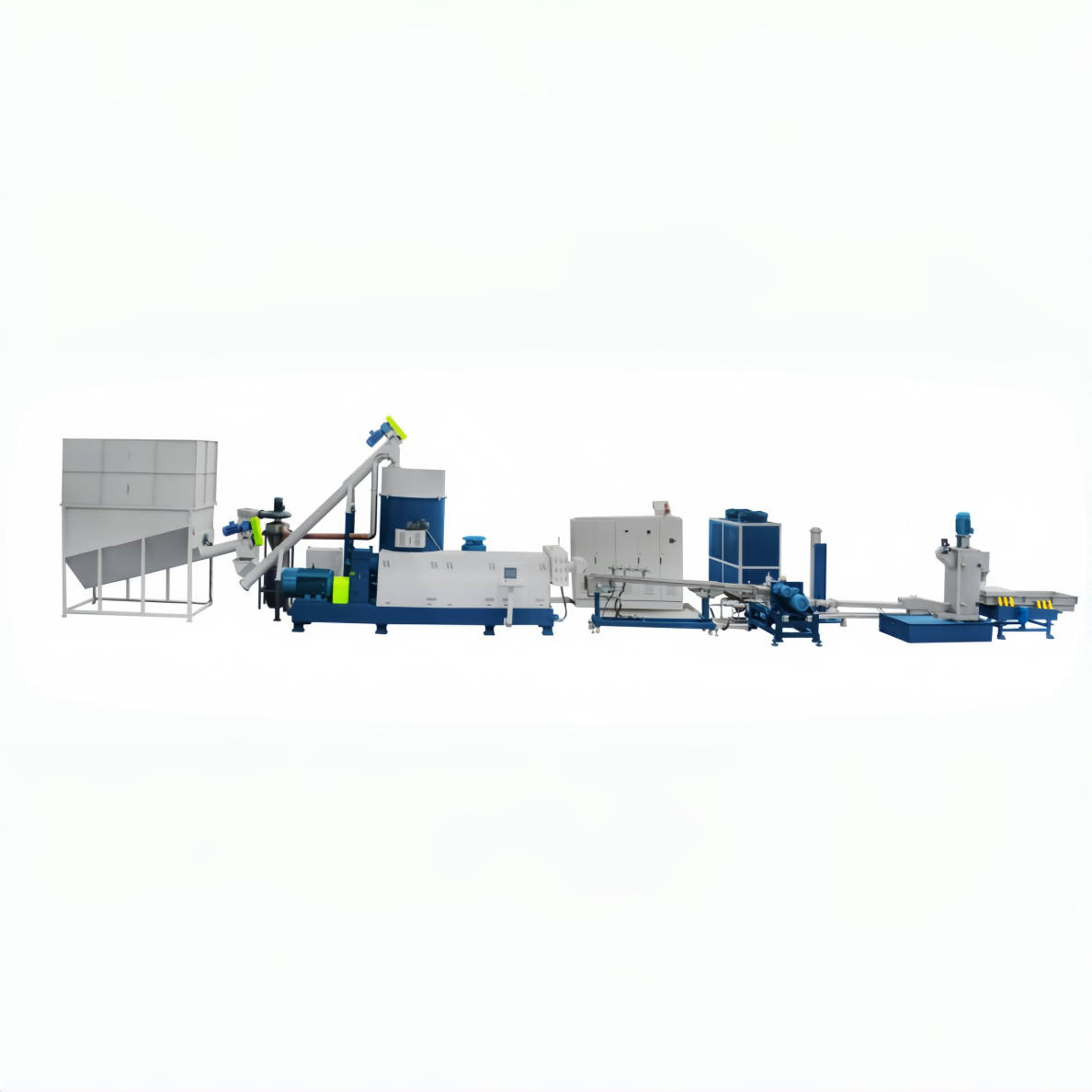
Modern PET pelletizing machines incorporate advanced technology that allows manufacturers to process various types of PET waste efficiently. From post-consumer bottles to industrial PET scraps, these machines can handle diverse input materials while maintaining consistent output quality. The integration of precise temperature control, automated feeding systems, and quality monitoring ensures that the resulting pellets meet strict industry standards for subsequent manufacturing processes.
Understanding PET Pelletizing Technology in Circular Economy Applications
Core Components of Modern PET Pelletizing Systems
Contemporary PET pelletizing machines feature sophisticated twin-screw extruder configurations that optimize material processing efficiency. These systems incorporate specialized heating zones that maintain precise temperature profiles throughout the melting and homogenization process. The degassing sections remove volatile compounds and moisture content, ensuring the final pellets possess the necessary purity levels for food-grade applications and other demanding uses.
Advanced filtration systems within PET pelletizing machines remove contaminants and foreign materials that could compromise product quality. Multiple screen changers and melt filtration components work together to produce clean, consistent pellets that meet stringent quality requirements. This technological sophistication enables manufacturers to transform even heavily contaminated PET waste into premium-grade raw materials suitable for high-value applications.
Process Optimization for Maximum Resource Recovery
The efficiency of PET pelletizing machines directly impacts the success of circular economy initiatives within plastic manufacturing operations. Optimized processing parameters, including screw speed, temperature profiles, and residence time, ensure maximum material recovery while minimizing energy consumption. These machines can process various PET grades and contamination levels, making them versatile solutions for different waste stream compositions.
Modern control systems enable operators to monitor and adjust processing parameters in real-time, optimizing performance based on input material characteristics. This adaptability allows PET pelletizing machines to maintain consistent output quality regardless of variations in feedstock composition. The result is a reliable supply of recycled PET pellets that can substitute for virgin materials in numerous manufacturing applications.
Environmental Benefits of PET Pelletizing in Waste Management
Reduction in Landfill Waste and Ocean Pollution
PET pelletizing machines play a crucial role in diverting millions of tons of plastic waste from landfills and marine environments annually. By processing discarded PET bottles and containers, these systems prevent valuable materials from becoming permanent environmental pollutants. The transformation of waste PET into useful pellets creates a closed-loop system that significantly reduces the need for new plastic production from fossil fuel sources.
Statistical data shows that facilities utilizing PET pelletizing machines can process up to several hundred tons of PET waste monthly, depending on system capacity and operational schedules. This processing capability translates to substantial environmental benefits, including reduced greenhouse gas emissions associated with waste decomposition and decreased pressure on natural ecosystems affected by plastic pollution.
Carbon Footprint Reduction Through Material Recycling
The operation of PET pelletizing machines contributes to significant carbon footprint reductions compared to virgin PET production processes. Recycling PET through pelletizing requires approximately 60-70% less energy than producing new PET from petroleum-based raw materials. This energy savings translates directly into reduced carbon dioxide emissions and lower overall environmental impact for manufacturing operations.
Furthermore, PET pelletizing machines enable local processing of waste materials, reducing transportation costs and associated emissions from long-distance material shipping. Regional recycling facilities equipped with these systems can serve local manufacturers, creating sustainable supply chains that minimize logistical environmental impacts while supporting local economic development.
Economic Advantages of Implementing PET Pelletizing Solutions
Cost Savings Through Raw Material Substitution
Manufacturers implementing PET pelletizing machines achieve substantial cost savings by reducing dependence on expensive virgin PET materials. Recycled PET pellets typically cost 20-30% less than virgin equivalents while offering comparable performance characteristics for many applications. This price advantage becomes particularly significant for high-volume manufacturing operations where raw material costs represent a major portion of total production expenses.
The consistent quality output from modern PET pelletizing machines ensures that recycled pellets can substitute for virgin materials without compromising product specifications. This reliability allows manufacturers to incorporate recycled content into their production processes with confidence, knowing that final product quality will meet customer expectations and regulatory requirements.
Revenue Generation from Waste Stream Monetization
PET pelletizing machines transform what was previously considered waste disposal cost into potential revenue streams. Facilities can collect PET waste from various sources, including municipal recycling programs, industrial operations, and commercial establishments, then process this material into valuable pellets for sale to manufacturers. This business model creates multiple revenue opportunities while supporting circular economy objectives.
The market demand for recycled PET pellets continues growing as manufacturers seek sustainable raw material alternatives. Companies operating PET pelletizing machines can establish long-term supply contracts with manufacturers, providing stable revenue streams while contributing to environmental sustainability goals. This economic model demonstrates how environmental responsibility and business profitability can align effectively.
Technical Specifications and Performance Capabilities
Processing Capacity and Throughput Rates
Modern PET pelletizing machines offer impressive processing capabilities, with industrial-scale systems capable of producing several tons of recycled pellets per hour. These high throughput rates make them economically viable for large-scale recycling operations and commercial manufacturing facilities. The continuous operation capability ensures consistent pellet supply for downstream manufacturing processes.
Different configurations of PET pelletizing machines accommodate varying production requirements, from smaller operations processing hundreds of kilograms daily to massive industrial installations handling multiple tons hourly. This scalability allows businesses of all sizes to implement appropriate recycling solutions that match their specific volume requirements and investment capabilities.
Quality Control and Product Consistency
Advanced PET pelletizing machines incorporate sophisticated quality control systems that monitor various parameters throughout the processing cycle. Temperature sensors, pressure monitoring, and melt flow rate measurements ensure consistent pellet properties that meet strict industry specifications. Automated rejection systems remove substandard pellets, maintaining high overall product quality.
Laboratory testing capabilities integrated into PET pelletizing machine operations provide real-time quality verification. These systems can measure intrinsic viscosity, color values, moisture content, and other critical parameters that determine pellet suitability for specific applications. This comprehensive quality assurance ensures that recycled pellets meet or exceed virgin material standards.
Integration Strategies for Manufacturing Operations
Facility Planning and Infrastructure Requirements
Successful implementation of PET pelletizing machines requires careful consideration of facility infrastructure needs including electrical power capacity, water cooling systems, and material handling equipment. Proper facility design ensures optimal machine performance while minimizing operational costs and maintenance requirements. Strategic placement of auxiliary equipment maximizes processing efficiency and product quality.
Modern PET pelletizing machines feature modular designs that facilitate installation and future capacity expansion. This flexibility allows businesses to start with smaller systems and gradually increase processing capacity as waste volumes and market demand grow. The modular approach minimizes initial capital investment while providing scalability for long-term business growth.
Staff Training and Operational Excellence
Effective operation of PET pelletizing machines requires properly trained personnel who understand system capabilities, safety procedures, and optimization techniques. Comprehensive training programs ensure operators can maximize machine performance while maintaining safety standards and product quality consistency. Regular training updates keep staff current with technological advances and best practices.
Maintenance programs for PET pelletizing machines focus on preventive care that minimizes unexpected downtime and extends equipment lifespan. Scheduled maintenance routines include component inspections, lubrication, calibration checks, and wear part replacement. These programs ensure consistent system performance and reliable pellet production schedules.
FAQ
What types of PET waste can be processed by pelletizing machines
PET pelletizing machines can process various types of PET waste including post-consumer bottles, food containers, thermoforming scraps, and industrial waste materials. The machines handle different contamination levels and can process both clear and colored PET materials, though some applications may require color sorting for optimal results.
How do PET pelletizing machines ensure food-grade quality standards
Modern PET pelletizing machines achieve food-grade quality through advanced filtration systems, precise temperature control, and degassing processes that remove contaminants and volatile compounds. Multiple quality control checkpoints throughout the process ensure the final pellets meet strict FDA and European food contact regulations.
What is the typical return on investment for PET pelletizing equipment
The return on investment for PET pelletizing machines typically ranges from 18 to 36 months, depending on factors such as processing volume, local waste material costs, and pellet market prices. Higher processing volumes and favorable market conditions can accelerate payback periods significantly.
How much maintenance do PET pelletizing machines require
PET pelletizing machines require regular but manageable maintenance including daily operational checks, weekly component inspections, and periodic major maintenance every 3-6 months. Modern systems feature diagnostic capabilities that predict maintenance needs and minimize unexpected downtime through proactive servicing schedules.
Table of Contents
- Understanding PET Pelletizing Technology in Circular Economy Applications
- Environmental Benefits of PET Pelletizing in Waste Management
- Economic Advantages of Implementing PET Pelletizing Solutions
- Technical Specifications and Performance Capabilities
- Integration Strategies for Manufacturing Operations
- FAQ