
 EN
EN



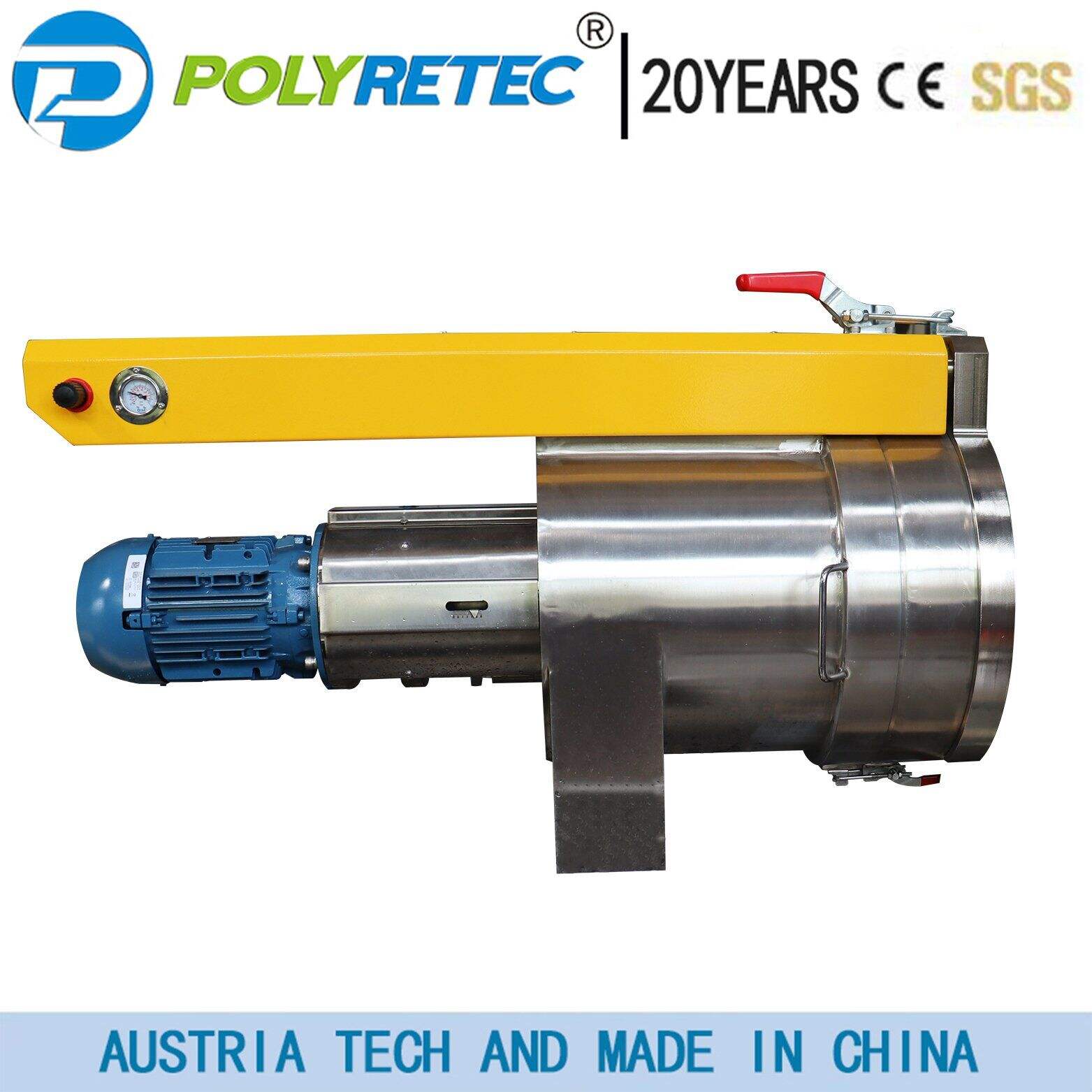
Manufacturing facilities worldwide are increasingly focused on maximizing the performance of their plastic pelletizing extruder machine operations to meet growing market demands. These sophisticated systems play a crucial role in converting raw plastic materials into uniform pellets that serve as the foundation for countless downstream applications. Understanding the intricacies of pelletizing technology enables manufacturers to achieve superior product quality while minimizing operational costs and environmental impact.
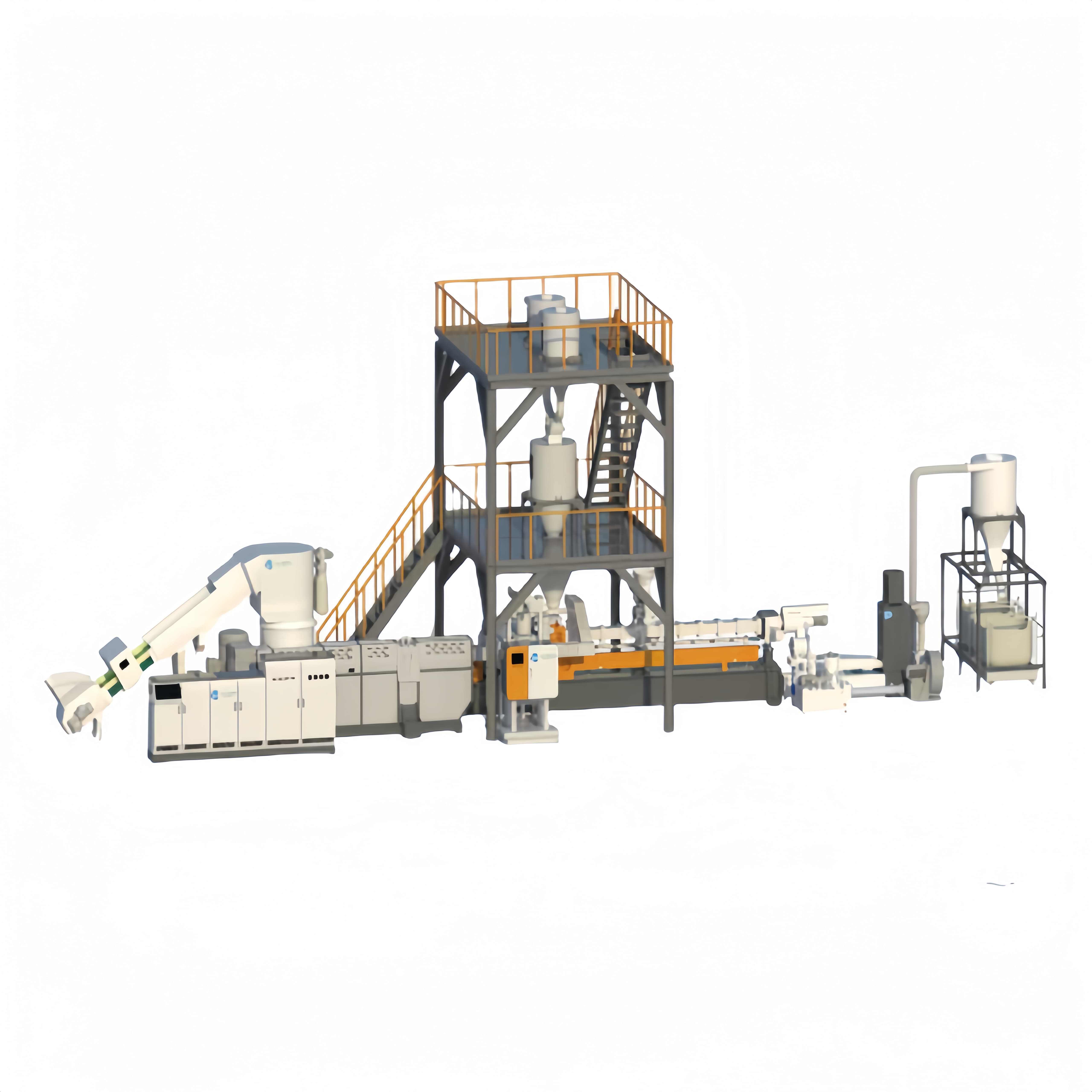
The optimization process requires careful consideration of multiple variables including temperature control, screw design parameters, and material flow characteristics. Modern plastic pelletizing extruder machine systems incorporate advanced monitoring technologies that provide real-time feedback on critical performance indicators. This data-driven approach allows operators to make precise adjustments that significantly enhance overall system efficiency and product consistency.
Industrial applications demand reliable pelletizing solutions that can handle diverse polymer types while maintaining consistent output quality. The evolution of extruder technology has introduced innovative features such as adaptive temperature profiling and automated die face cutting systems. These advancements have transformed traditional pelletizing operations into highly efficient production lines capable of meeting stringent quality standards.
Advanced Temperature Management Strategies
Optimal Heating Zone Configuration
Effective temperature management represents the cornerstone of successful plastic pelletizing extruder machine operation. Each heating zone along the extruder barrel must be precisely calibrated to ensure optimal polymer melting and homogenization. The temperature profile typically increases gradually from the feed zone to the die head, creating ideal conditions for polymer processing without causing thermal degradation.
Modern systems utilize advanced PID controllers that maintain temperature stability within narrow tolerances. These sophisticated control systems continuously monitor thermal conditions and automatically adjust heating elements to compensate for variations in ambient temperature or material properties. Proper zone temperature management directly impacts pellet quality, with variations as small as five degrees potentially affecting final product characteristics.
Cooling System Integration
Post-extrusion cooling plays an equally critical role in pellet formation and quality control. Effective cooling systems utilize precisely controlled water temperatures to achieve rapid polymer solidification while preventing pellet deformation. The cooling process must be carefully balanced to ensure uniform heat removal without creating thermal shock that could compromise pellet integrity.
Advanced cooling configurations incorporate multiple temperature zones with independent control capabilities. This allows operators to fine-tune cooling parameters based on specific polymer characteristics and desired pellet properties. Strategic cooling management significantly reduces cycle times while improving overall production throughput.
Screw Design and Configuration Optimization
Compression Ratio Considerations
The screw design within a plastic pelletizing extruder machine fundamentally determines processing efficiency and product quality. Compression ratios must be carefully selected based on the specific polymer being processed, with different materials requiring distinct screw geometries. High-performance screws feature optimized flight depths and pitch configurations that promote efficient material transport while minimizing energy consumption.
Barrier screws have gained popularity in modern installations due to their superior mixing capabilities and reduced residence time variation. These specialized designs incorporate separating flights that create distinct channels for solid and molten polymer phases. This separation mechanism enhances melting efficiency while reducing the risk of polymer degradation associated with excessive shear heating.
Material Flow Dynamics
Understanding material flow characteristics enables operators to optimize screw speed and torque settings for maximum efficiency. Proper flow analysis considers factors such as polymer viscosity, melt index, and filler content when establishing operating parameters. Advanced systems incorporate torque monitoring capabilities that provide real-time feedback on material flow conditions.
Flow optimization requires careful balance between processing speed and quality requirements. Higher screw speeds generally increase throughput but may compromise mixing quality or introduce excessive shear heating. Experienced operators develop expertise in recognizing optimal operating windows that maximize production efficiency while maintaining stringent quality standards.
Die and Cutting System Performance Enhancement
Die Plate Engineering
Die plate design significantly influences pellet uniformity and production efficiency in plastic pelletizing extruder machine applications. Modern die plates feature precisely engineered hole patterns with optimized land lengths that promote consistent melt flow distribution. The number and arrangement of die holes must be carefully calculated to balance throughput requirements with pressure drop considerations.
Advanced die plate materials incorporate wear-resistant alloys that maintain dimensional stability under continuous high-temperature operation. Surface treatments such as chrome plating or specialized coatings further enhance durability while reducing maintenance requirements. Regular die plate inspection and maintenance protocols ensure consistent performance throughout extended production campaigns.
Cutting Blade Technology
Cutting blade selection and maintenance directly impact pellet quality and system reliability. Sharp, properly aligned blades create clean cuts that minimize pellet tails and fines generation. Blade materials must withstand continuous operation against hot polymer strands while maintaining sharp cutting edges for extended periods.
Automated blade positioning systems enable precise adjustment of cutting clearances without system shutdown. These systems incorporate feedback mechanisms that monitor cutting quality and automatically compensate for blade wear. Proper blade maintenance schedules significantly reduce unplanned downtime while ensuring consistent pellet quality throughout production runs.
Process Monitoring and Quality Control Systems
Real-Time Parameter Tracking
Modern plastic pelletizing extruder machine installations incorporate comprehensive monitoring systems that track critical process parameters in real-time. These systems continuously measure variables such as melt temperature, pressure, throughput rate, and energy consumption. Advanced data logging capabilities enable operators to identify trends and optimize processes based on historical performance data.
Integrated alarm systems provide immediate notification when parameters deviate from acceptable ranges. This proactive approach enables rapid response to potential quality issues before they impact final product characteristics. Sophisticated monitoring systems can even predict maintenance requirements based on equipment performance trends, reducing unplanned downtime.
Quality Assurance Protocols
Systematic quality control procedures ensure consistent pellet characteristics throughout production campaigns. Regular sampling and testing protocols verify that pellets meet dimensional tolerances, bulk density requirements, and contamination specifications. Advanced testing equipment enables rapid analysis of critical quality parameters without disrupting production flow.
Statistical process control methodologies help identify process variations before they result in out-of-specification product. Control charts and trend analysis provide valuable insights into process stability and capability. These quality assurance measures are essential for maintaining customer satisfaction and regulatory compliance in demanding industrial applications.
Energy Efficiency and Sustainability Optimization
Power Consumption Management
Energy efficiency represents a critical consideration in modern plastic pelletizing extruder machine operations. Advanced motor drive systems incorporate variable frequency drives that optimize power consumption based on actual processing requirements. These systems can reduce energy consumption by up to thirty percent compared to traditional fixed-speed installations.
Heat recovery systems capture waste thermal energy from cooling processes and redirect it to support heating zone requirements. This integrated approach significantly reduces overall energy consumption while improving system efficiency. Proper insulation of heated zones further minimizes heat loss and reduces energy requirements for maintaining target temperatures.
Waste Reduction Strategies
Sustainable manufacturing practices emphasize minimizing waste generation throughout the pelletizing process. Optimized cutting systems reduce fines production while efficient material handling prevents contamination that could result in product rejection. Closed-loop recycling systems capture and reprocess off-specification material, eliminating waste streams and reducing raw material consumption.
Water management systems incorporate filtration and treatment capabilities that enable cooling water reuse. These systems significantly reduce water consumption while maintaining optimal cooling performance. Environmental compliance requirements increasingly favor operations that demonstrate sustainable practices through measurable waste reduction achievements.
Maintenance and Operational Excellence
Preventive Maintenance Programs
Comprehensive maintenance programs are essential for maximizing plastic pelletizing extruder machine reliability and longevity. Scheduled maintenance activities include regular inspection of wear components, lubrication system checks, and calibration verification of control systems. Proactive maintenance approaches prevent catastrophic failures that could result in extended downtime and costly repairs.
Predictive maintenance technologies utilize vibration analysis, thermal imaging, and oil analysis to identify potential problems before they cause equipment failure. These advanced diagnostic techniques enable maintenance teams to schedule repairs during planned downtime periods, minimizing production disruptions. Regular maintenance training ensures that personnel possess the skills necessary to perform complex maintenance tasks safely and effectively.
Operator Training and Development
Skilled operators represent the most valuable asset in successful plastic pelletizing extruder machine operations. Comprehensive training programs cover equipment operation, troubleshooting procedures, quality control methods, and safety protocols. Regular skills assessment and continuing education ensure that operators remain current with evolving technology and best practices.
Advanced simulation training systems provide realistic operating experience without risking actual production equipment. These systems enable operators to practice complex procedures and emergency response protocols in a safe environment. Investment in operator development directly translates to improved equipment performance, reduced downtime, and enhanced product quality.
FAQ
What factors most significantly impact pellet quality in extruder operations
Temperature control consistency represents the most critical factor affecting pellet quality in plastic pelletizing extruder machine operations. Maintaining precise temperature profiles throughout the heating zones ensures proper polymer melting and prevents degradation. Additionally, cutting blade sharpness and die plate condition directly influence pellet uniformity and dimensional accuracy. Regular monitoring of melt pressure and throughput rates helps identify potential quality issues before they affect final product characteristics.
How can energy consumption be reduced without compromising production efficiency
Variable frequency drives provide the most effective method for reducing energy consumption while maintaining production efficiency. These systems automatically adjust motor speed based on actual processing requirements, eliminating energy waste associated with constant-speed operation. Heat recovery systems that capture waste thermal energy and proper insulation of heating zones can reduce overall energy consumption by up to forty percent. Regular maintenance of drive systems and heating elements ensures optimal energy efficiency throughout equipment lifecycle.
What maintenance intervals are recommended for critical components
Cutting blades typically require inspection every hundred operating hours, with replacement intervals varying based on material type and processing conditions. Screw and barrel wear should be evaluated every thousand hours of operation through dimensional measurement and visual inspection. Die plates benefit from cleaning every shift change and detailed inspection monthly to identify wear patterns or hole deformation. Temperature sensors and pressure transducers should be calibrated quarterly to ensure measurement accuracy and process control reliability.
How does material type affect processing parameters and equipment selection
Different polymer types require specific screw designs and temperature profiles for optimal processing in plastic pelletizing extruder machine applications. High-density polyethylene typically processes at lower temperatures but requires higher compression ratios, while polystyrene demands precise temperature control to prevent degradation. Filled materials necessitate wear-resistant screws and dies due to their abrasive nature. Glass-filled polymers may require specialized barrier screws to achieve proper dispersion while minimizing fiber breakage during processing.
Table of Contents
- Advanced Temperature Management Strategies
- Screw Design and Configuration Optimization
- Die and Cutting System Performance Enhancement
- Process Monitoring and Quality Control Systems
- Energy Efficiency and Sustainability Optimization
- Maintenance and Operational Excellence
-
FAQ
- What factors most significantly impact pellet quality in extruder operations
- How can energy consumption be reduced without compromising production efficiency
- What maintenance intervals are recommended for critical components
- How does material type affect processing parameters and equipment selection