
 EN
EN



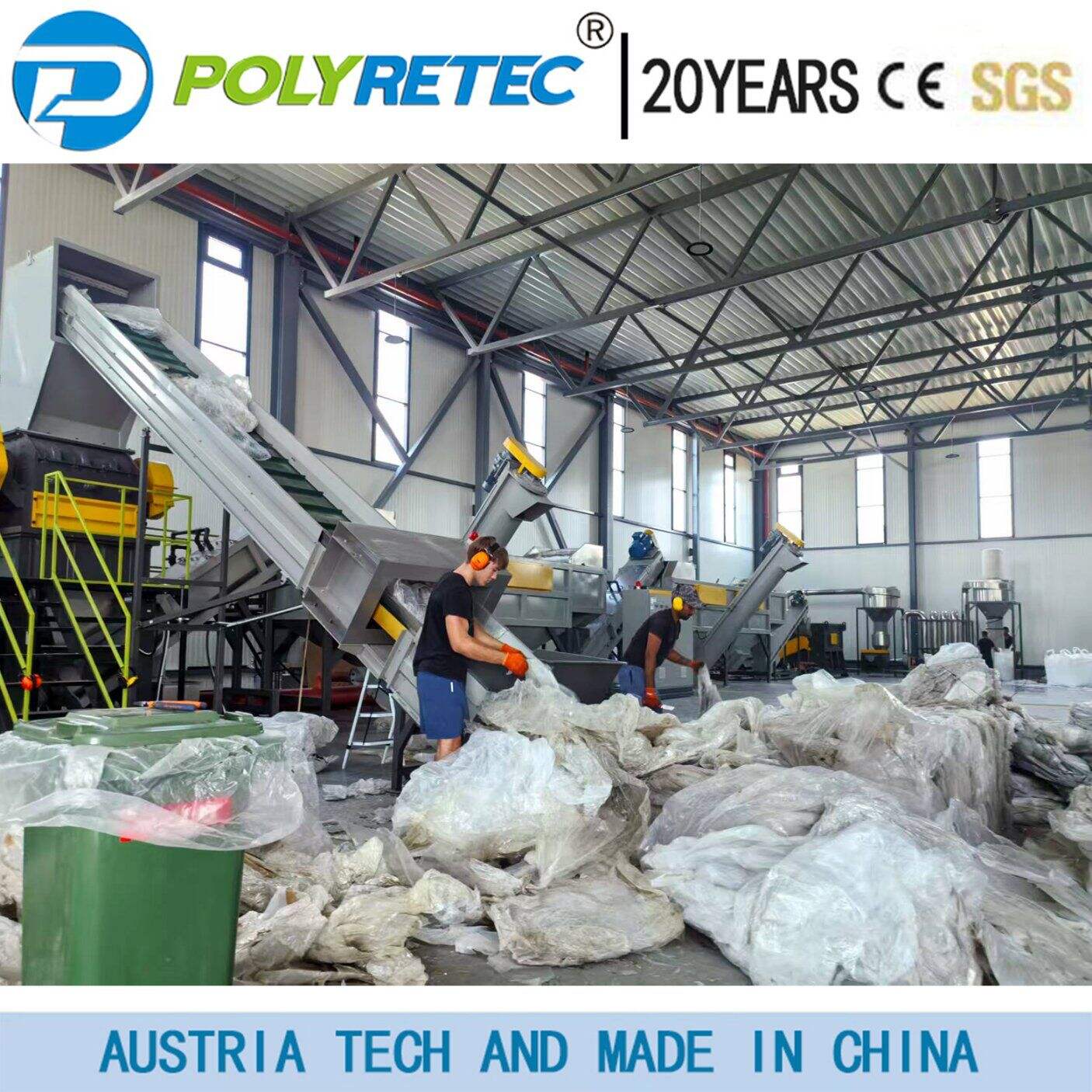
Modern manufacturing facilities face increasing pressure to optimize their recycling operations while reducing material waste. The implementation of advanced PET recycling machine systems has become essential for companies seeking to maximize resource recovery and minimize environmental impact. Effective waste reduction strategies in these systems can significantly improve profitability while supporting sustainability goals across industrial operations.
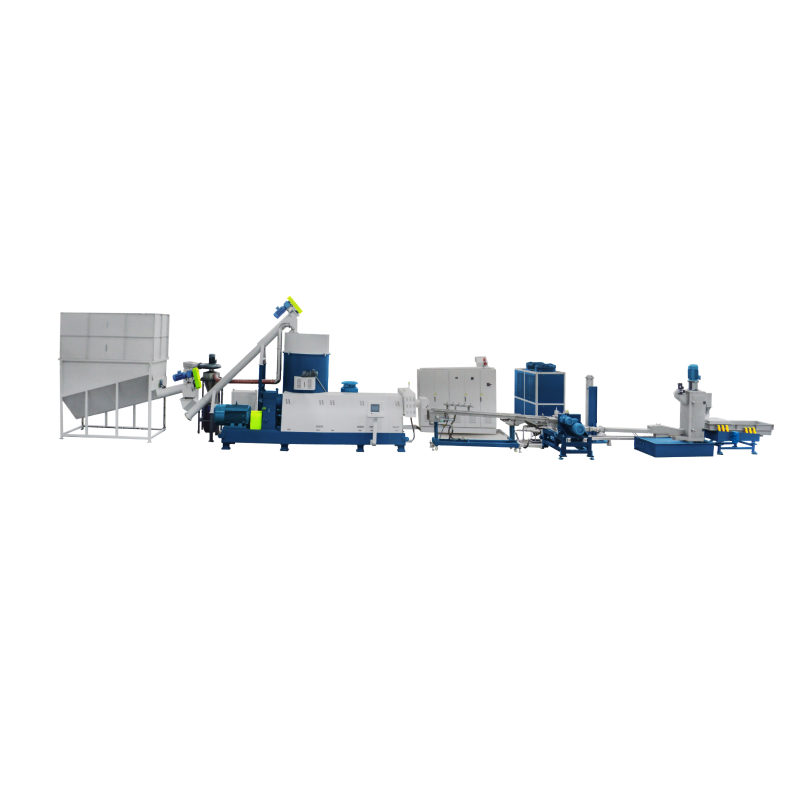
Understanding PET Material Characteristics for Optimal Processing
Polymer Properties That Impact Recycling Efficiency
Polyethylene terephthalate exhibits unique thermal and mechanical properties that directly influence processing outcomes in recycling systems. The crystalline structure of PET requires precise temperature control during melting phases to prevent degradation that leads to material waste. Understanding these fundamental characteristics enables operators to adjust PET recycling machine parameters for maximum yield and minimal loss during processing cycles.
Molecular weight distribution plays a crucial role in determining the quality of recycled output from these specialized systems. Higher molecular weight PET materials typically demonstrate better mechanical properties after processing, while lower molecular weight variants may require additional stabilization measures. Proper characterization of incoming material streams allows for optimized processing conditions that reduce waste generation throughout the recycling workflow.
Contamination Control and Material Preparation
Effective contamination removal represents a critical factor in minimizing waste loss during PET processing operations. Foreign materials, adhesives, and label residues can significantly impact the performance of recycling equipment and lead to increased material rejection rates. Implementing comprehensive pre-processing protocols ensures that only high-quality feedstock enters the PET recycling machine system, thereby reducing downstream waste generation.
Moisture content management proves equally important for achieving optimal processing results with minimal material loss. Excessive moisture can cause hydrolytic degradation during thermal processing, leading to reduced polymer chain length and compromised material properties. Proper drying procedures before processing help maintain material integrity and reduce the likelihood of batch rejection due to quality issues.
Advanced Process Optimization Strategies
Temperature Profile Management
Precise temperature control throughout the processing cycle represents one of the most effective methods for reducing waste in PET recycling operations. Each stage of the recycling process requires specific temperature ranges to ensure optimal polymer flow while preventing thermal degradation. Modern PET recycling machine systems incorporate sophisticated temperature monitoring and control systems that maintain these critical parameters within narrow tolerance ranges.
Zone-specific heating profiles allow operators to customize processing conditions based on material characteristics and desired output specifications. This approach minimizes energy consumption while reducing the risk of overheating that can lead to polymer degradation and increased waste generation. Regular calibration of temperature sensors and heating elements ensures consistent performance across extended operating periods.
Residence Time Optimization
Controlling material residence time within processing equipment directly impacts both product quality and waste generation rates. Extended exposure to elevated temperatures can cause molecular degradation, while insufficient processing time may result in incomplete melting and poor homogenization. Optimal residence time parameters vary based on material grade, contamination levels, and desired output specifications.
Advanced process monitoring systems enable real-time adjustment of residence time parameters based on material flow rates and temperature profiles. This dynamic optimization approach helps maintain consistent product quality while minimizing the risk of material degradation that leads to increased waste production. Regular analysis of processed material samples provides valuable feedback for continuous process improvement initiatives.
Equipment Design Features for Waste Reduction
Mechanical System Components
Modern PET recycling machine designs incorporate specialized components that minimize material loss during processing operations. Self-cleaning extruder screws reduce material buildup that can lead to contamination and waste generation over extended operating periods. These advanced screw designs maintain consistent material flow while reducing the need for frequent cleaning cycles that interrupt production.
High-efficiency filtration systems remove contaminants and degraded polymer fractions before they can impact final product quality. Multi-stage filtration approaches ensure thorough removal of unwanted materials while minimizing pressure drops that can affect processing efficiency. Regular maintenance of filtration components prevents system blockages that could lead to material waste and production interruptions.
Automation and Control Systems
Integrated automation systems provide real-time monitoring and control capabilities that help minimize waste generation throughout the recycling process. Advanced sensors continuously monitor key process parameters including temperature, pressure, and material flow rates to ensure optimal operating conditions. Automated feedback control systems make instantaneous adjustments to maintain process stability and prevent conditions that could lead to material waste.
Predictive maintenance algorithms analyze equipment performance data to identify potential issues before they result in material loss or production disruptions. This proactive approach to maintenance scheduling helps prevent unexpected equipment failures that can lead to significant material waste. Data logging capabilities provide valuable insights for continuous process optimization and waste reduction initiatives.
Quality Control and Monitoring Protocols
Real-Time Process Monitoring
Continuous monitoring of critical process parameters enables immediate detection of conditions that could lead to increased waste generation. Advanced instrumentation packages for PET recycling machine systems include temperature sensors, pressure transducers, and flow meters that provide real-time feedback on system performance. This comprehensive monitoring approach allows operators to make timely adjustments that prevent material degradation and reduce waste production.
Statistical process control methods help identify trends and variations in process performance that could indicate developing problems. Regular analysis of process data enables proactive adjustments that maintain optimal operating conditions and minimize the risk of quality issues that lead to material rejection. Automated alarm systems alert operators to conditions that require immediate attention to prevent waste generation.
Product Quality Assessment
Comprehensive quality testing protocols ensure that recycled PET materials meet specified requirements while identifying potential sources of waste within the processing system. Regular testing of material properties including melt flow index, intrinsic viscosity, and mechanical strength provides valuable feedback on process effectiveness. This data helps optimize processing parameters to maximize yield while maintaining product quality standards.
In-line quality monitoring systems enable continuous assessment of product characteristics without interrupting production operations. These advanced systems can detect variations in material properties that may indicate developing process issues or contamination problems. Early detection of quality deviations allows for immediate corrective actions that prevent the production of off-specification material that would contribute to waste streams.
Maintenance and Operational Best Practices
Preventive Maintenance Programs
Structured maintenance programs play a vital role in maintaining PET recycling machine performance and minimizing waste generation over time. Regular inspection and replacement of wear components prevents equipment degradation that can lead to increased material loss and quality issues. Scheduled maintenance activities include cleaning of processing surfaces, calibration of control instruments, and replacement of filtration elements.
Lubrication programs ensure smooth operation of mechanical components while preventing wear that could introduce contaminants into the processed material stream. Proper lubricant selection and application schedules help extend component life while maintaining processing efficiency. Documentation of maintenance activities provides valuable data for optimizing maintenance intervals and identifying recurring issues that may impact waste generation.
Operator Training and Procedures
Comprehensive operator training programs ensure consistent application of best practices that minimize waste generation during PET recycling operations. Training modules cover proper startup and shutdown procedures, parameter adjustment protocols, and troubleshooting techniques for common process issues. Well-trained operators can quickly identify and respond to conditions that could lead to increased material waste.
Standardized operating procedures provide clear guidelines for maintaining optimal processing conditions while responding to various operating scenarios. These procedures include specific parameter settings for different material grades and contamination levels, ensuring consistent processing results across different operators and shifts. Regular refresher training helps maintain high standards of operational performance and waste minimization.
Energy Efficiency and Environmental Impact
Power Consumption Optimization
Energy-efficient operation of PET recycling machine systems contributes to overall sustainability while reducing operating costs associated with waste management. Modern systems incorporate variable frequency drives and energy recovery systems that minimize power consumption during processing operations. Optimized heating and cooling cycles reduce energy waste while maintaining the precise temperature control required for high-quality recycling outcomes.
Heat recovery systems capture and reuse thermal energy from various process stages, reducing the overall energy requirements for PET recycling operations. These systems can significantly improve energy efficiency while reducing the environmental impact of recycling activities. Regular monitoring of energy consumption patterns helps identify opportunities for further optimization and waste reduction.
Sustainable Processing Approaches
Integration of renewable energy sources and waste heat recovery systems enhances the environmental benefits of PET recycling operations while reducing operational costs. Solar thermal systems can provide supplemental heating for certain process stages, while waste heat recovery systems capture and reuse thermal energy that would otherwise be lost. These sustainable approaches support circular economy principles while improving overall process efficiency.
Water conservation measures in cooling and cleaning systems reduce environmental impact while minimizing waste generation associated with water treatment and disposal. Closed-loop cooling systems and efficient cleaning protocols help reduce water consumption while maintaining necessary hygiene standards for food-grade PET recycling applications. Regular monitoring of resource consumption supports continuous improvement in environmental performance.
FAQ
What are the most common causes of material waste in PET recycling systems
The primary causes of material waste include improper temperature control leading to thermal degradation, contamination from foreign materials or moisture, and equipment wear that introduces metal particles or other contaminants. Poor material preparation and inadequate filtration systems also contribute significantly to waste generation in PET recycling machine operations.
How can processing parameters be optimized to reduce waste generation
Optimal processing requires precise control of temperature profiles, residence time, and material flow rates based on specific PET grade characteristics. Regular monitoring and adjustment of these parameters, combined with proper material preparation and contamination control, can significantly reduce waste generation while maintaining high product quality standards.
What maintenance practices are most effective for minimizing waste in recycling operations
Preventive maintenance programs focusing on regular cleaning, component replacement, and system calibration prove most effective for waste reduction. Key activities include filter replacement, screw and barrel inspection, temperature sensor calibration, and lubrication system maintenance to ensure consistent processing performance.
How do advanced control systems contribute to waste reduction in PET recycling
Modern control systems provide real-time monitoring and automatic adjustment of critical process parameters to maintain optimal operating conditions. These systems can detect developing problems before they lead to material waste, implement corrective actions automatically, and provide data for continuous process optimization and predictive maintenance scheduling.
Table of Contents
- Understanding PET Material Characteristics for Optimal Processing
- Advanced Process Optimization Strategies
- Equipment Design Features for Waste Reduction
- Quality Control and Monitoring Protocols
- Maintenance and Operational Best Practices
- Energy Efficiency and Environmental Impact
-
FAQ
- What are the most common causes of material waste in PET recycling systems
- How can processing parameters be optimized to reduce waste generation
- What maintenance practices are most effective for minimizing waste in recycling operations
- How do advanced control systems contribute to waste reduction in PET recycling