Get a Free Quote

Our representative will contact you soon.
Email
Name
Company Name
Mobile
Message
0/1000

How Does a PET Bottle Washing Plant Ensure Quality Output?

2026-02-27 11:20:00
How Does a PET Bottle Washing Plant Ensure Quality Output?

The recycling industry has witnessed significant advancements in plastic processing technology, particularly in the development of sophisticated PET bottle washing plant systems. These specialized facilities play a crucial role in transforming post-consumer PET bottles into high-quality recycled materials suitable for manufacturing new products. Understanding the intricate processes and quality control mechanisms within a PET bottle washing plant is essential for businesses seeking to implement sustainable recycling solutions and meet stringent industry standards.

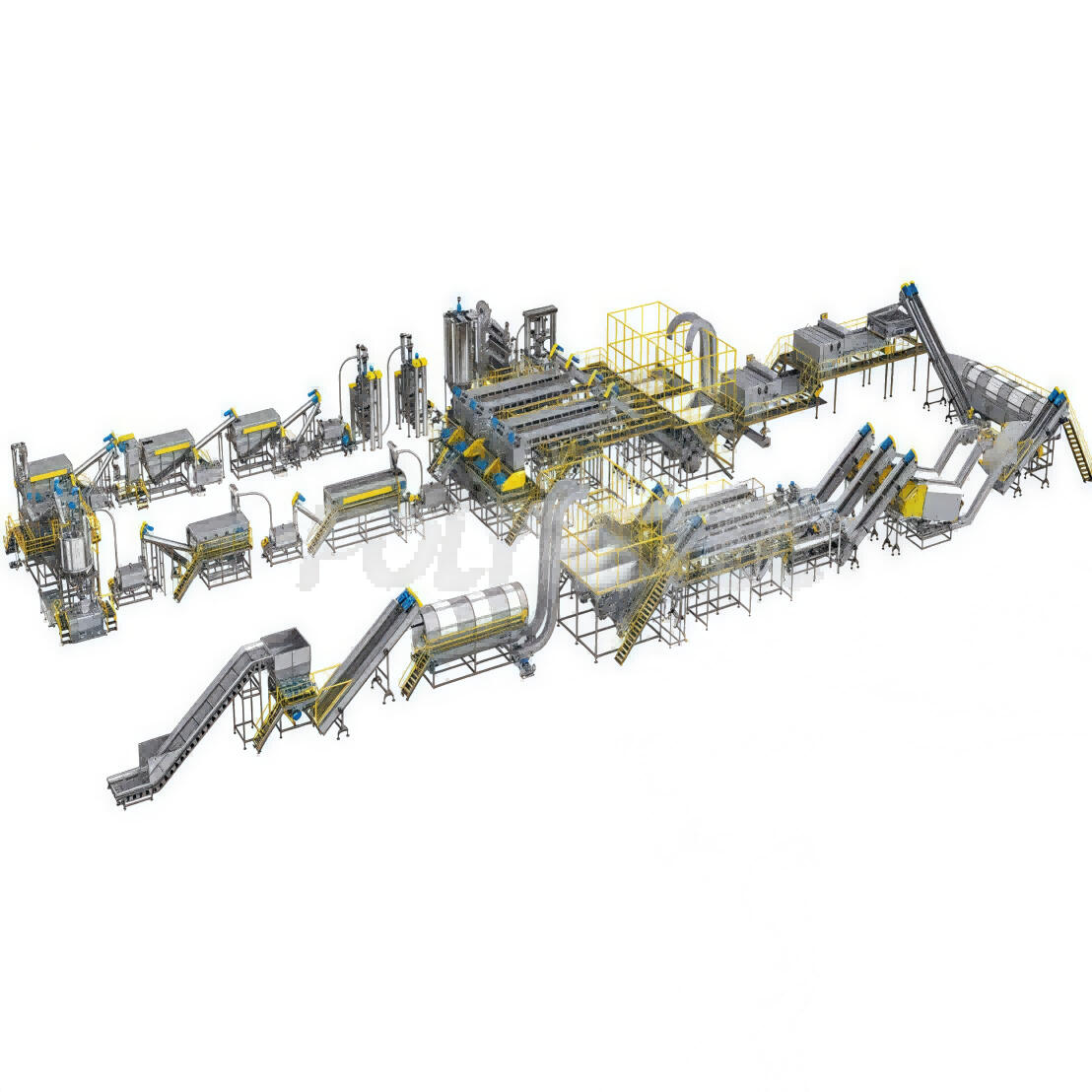
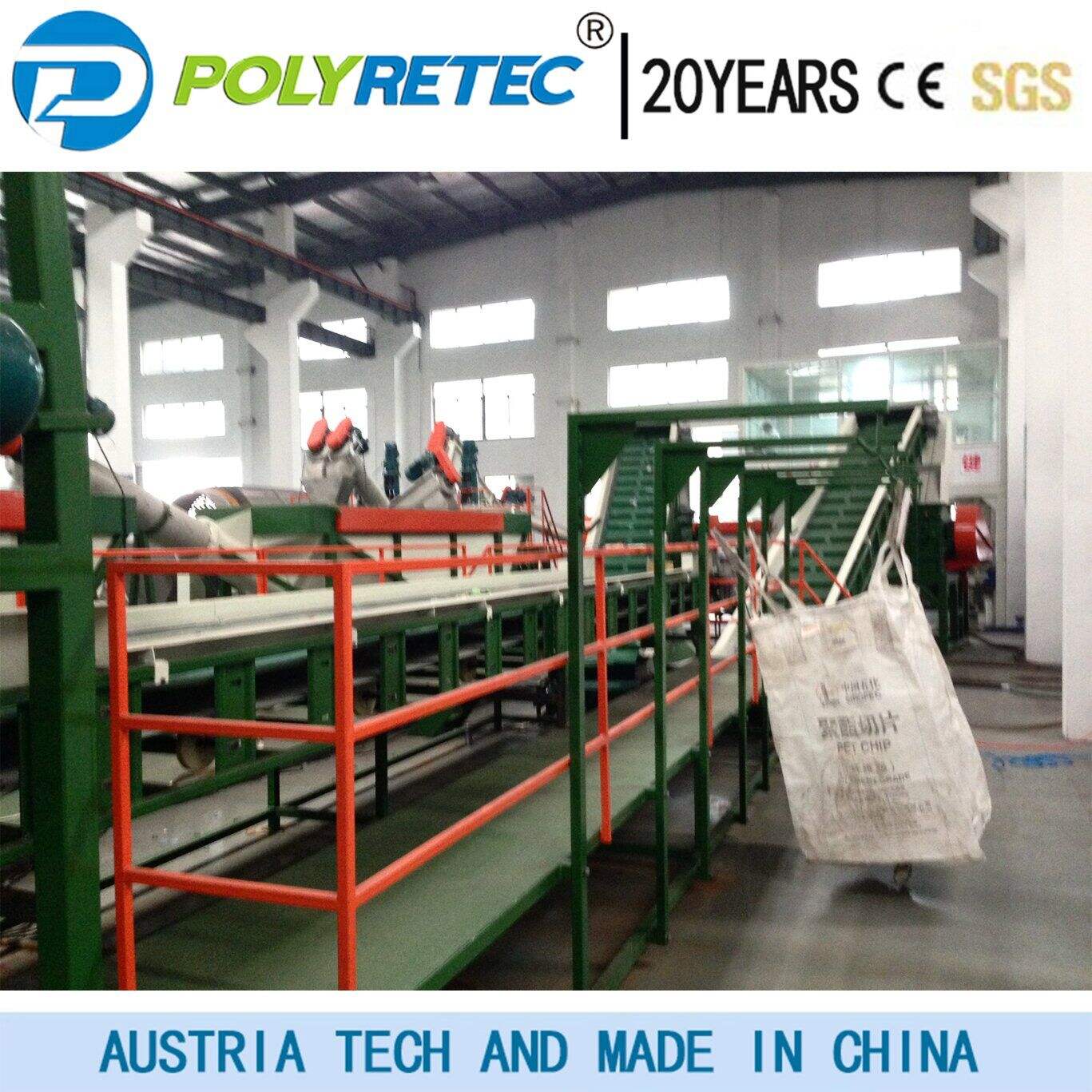
PET bottle washing plant

Modern recycling operations demand precise engineering and advanced technology to achieve optimal results. The implementation of a comprehensive PET bottle washing plant requires careful consideration of multiple factors including contamination removal, material separation, and final product quality specifications. These facilities must process thousands of bottles per hour while maintaining consistent output quality that meets international standards for recycled PET materials.

Advanced Sorting and Pre-Treatment Systems

Optical Sorting Technology Integration

Contemporary PET bottle washing plant facilities incorporate sophisticated optical sorting systems that utilize near-infrared spectroscopy and advanced imaging algorithms to identify and separate different plastic types with remarkable accuracy. These systems can distinguish between PET bottles and other materials based on their molecular composition and physical characteristics. The precision of optical sorting technology ensures that only genuine PET materials enter the washing process, significantly improving the overall quality of the final recycled product.

The implementation of multi-stage optical sorting creates multiple checkpoints throughout the processing line, allowing for continuous quality monitoring and contamination removal. Advanced sensors can detect even minute traces of foreign materials, including labels, caps, and other plastic types that might compromise the integrity of the recycled PET. This technology operates at high speeds while maintaining exceptional accuracy rates, making it an indispensable component of modern recycling operations.

Material Size Reduction and Classification

Efficient size reduction systems within a PET bottle washing plant ensure uniform particle dimensions that facilitate optimal washing and separation processes. Industrial-grade shredders and granulators are specifically designed to process PET bottles into consistent flake sizes, typically ranging from 8 to 12 millimeters. This standardization is crucial for achieving uniform washing results and preventing material loss during subsequent processing stages.

The classification process involves multiple screening stages that separate materials based on size and density characteristics. These systems utilize vibrating screens, air classifiers, and density separation equipment to ensure that only properly sized PET flakes proceed to the washing stages. Oversized materials are recirculated through the size reduction equipment, while undersized particles are collected separately to prevent contamination of the main product stream.

Multi-Stage Washing and Purification Processes

Hot Washing Technology Applications

The core washing process in a PET bottle washing plant employs elevated temperatures and specialized chemical formulations to remove stubborn contaminants such as adhesive residues, organic compounds, and embedded dirt particles. Hot washing systems typically operate at temperatures between 80 to 95 degrees Celsius, utilizing caustic solutions that effectively break down adhesive bonds and dissolve organic contaminants without compromising the structural integrity of the PET material.

Advanced hot washing systems incorporate multiple retention chambers where PET flakes undergo extended exposure to cleaning solutions under controlled agitation conditions. This extended contact time ensures thorough penetration of cleaning agents into microscopic surface irregularities where contaminants might accumulate. The process parameters are carefully monitored and adjusted based on the contamination levels of incoming materials and the quality requirements of the final product.

Cold Water Rinse and Final Purification

Following the hot washing process, PET bottle washing plant systems implement comprehensive cold water rinsing stages that remove residual cleaning chemicals and suspended particles from the PET flakes. Multiple rinse cycles using fresh water ensure that no chemical residues remain on the material surface, which could potentially affect the quality of products manufactured from the recycled PET.

The final purification stages often incorporate flotation separation techniques that exploit the density differences between clean PET flakes and remaining contaminants. This process effectively removes materials such as paper labels, adhesive residues, and other lightweight contaminants that might have survived earlier processing stages. The purified PET flakes undergo final inspection and quality testing before proceeding to the drying and packaging stages.

Quality Control and Testing Protocols

Real-Time Monitoring Systems

Modern PET bottle washing plant operations integrate comprehensive monitoring systems that continuously assess various quality parameters throughout the processing cycle. These systems utilize advanced sensors and analytical equipment to measure contamination levels, moisture content, particle size distribution, and color consistency in real-time. Automated feedback mechanisms allow for immediate process adjustments when quality parameters deviate from established specifications.

Laboratory testing protocols complement real-time monitoring by providing detailed analysis of material properties including intrinsic viscosity, acetaldehyde content, and thermal stability characteristics. These tests ensure that the recycled PET meets specific application requirements and industry standards for food-grade packaging applications. Regular testing schedules and statistical process control methods help maintain consistent quality output across different production batches.

Contamination Detection and Prevention

Effective contamination detection systems within a PET bottle washing plant utilize multiple detection technologies including metal detectors, color sorters, and chemical analysis equipment to identify and remove various types of contaminants. These systems are calibrated to detect contamination levels as low as a few parts per million, ensuring that the final product meets the strictest quality requirements for sensitive applications.

Prevention strategies focus on maintaining proper equipment cleaning schedules, implementing regular maintenance protocols, and training personnel in contamination prevention techniques. Cross-contamination between different material types is prevented through proper line segregation and dedicated processing equipment for specific material grades. These comprehensive measures ensure consistent product quality and minimize the risk of batch rejection due to contamination issues.

Energy Efficiency and Environmental Considerations

Heat Recovery and Water Management

Sustainable PET bottle washing plant operations incorporate advanced heat recovery systems that capture and reuse thermal energy from hot washing processes, significantly reducing overall energy consumption. These systems utilize heat exchangers and thermal storage units to preheat incoming wash water and maintain optimal processing temperatures with minimal additional energy input. Water recycling systems treat and reuse process water, reducing fresh water consumption by up to 90% compared to traditional single-pass systems.

Closed-loop water management systems incorporate advanced filtration and treatment technologies that remove contaminants from process water, allowing for continuous reuse throughout multiple processing cycles. These systems include dissolved air flotation, biological treatment, and membrane filtration technologies that maintain water quality standards while minimizing environmental impact and operational costs.

Waste Stream Management and By-Product Utilization

Comprehensive waste management protocols in a PET bottle washing plant ensure that all by-products and waste streams are properly handled and processed for maximum resource recovery. Non-PET materials separated during the sorting process are collected and prepared for appropriate recycling channels, while organic waste from the washing process is treated and disposed of according to environmental regulations.

Value-added applications for separated materials include the recovery of aluminum caps, steel components, and paper labels that can be processed through dedicated recycling streams. This approach maximizes material recovery rates and creates additional revenue streams while minimizing the environmental impact of the overall recycling operation.

Automation and Process Control Integration

Advanced Control Systems Implementation

State-of-the-art PET bottle washing plant facilities utilize sophisticated process control systems that integrate multiple automation technologies to optimize processing efficiency and maintain consistent quality output. These systems employ programmable logic controllers, human-machine interfaces, and supervisory control and data acquisition systems to coordinate complex processing sequences and maintain optimal operating parameters across all process stages.

Artificial intelligence and machine learning algorithms are increasingly integrated into control systems to predict optimal processing parameters based on incoming material characteristics and desired output specifications. These advanced systems can automatically adjust washing temperatures, chemical concentrations, and processing times to maintain optimal quality while minimizing energy consumption and processing costs.

Predictive Maintenance and Equipment Optimization

Modern process control systems incorporate predictive maintenance capabilities that monitor equipment performance parameters and predict potential maintenance requirements before equipment failures occur. These systems analyze vibration patterns, temperature variations, and energy consumption data to identify developing issues and schedule preventive maintenance activities during planned downtime periods.

Equipment optimization algorithms continuously analyze processing data to identify opportunities for improving efficiency and reducing operating costs. These systems can recommend adjustments to processing parameters, equipment configurations, and operational procedures that enhance overall system performance while maintaining quality standards.

FAQ

What is the typical processing capacity of a PET bottle washing plant

Processing capacities for PET bottle washing plant systems typically range from 500 kilograms per hour for smaller operations up to 6,000 kilograms per hour for large-scale industrial facilities. The actual capacity depends on factors such as the level of contamination in incoming materials, the complexity of the washing process, and the quality specifications for the final product. Most commercial operations are designed to process between 1,000 to 3,000 kilograms per hour, providing an optimal balance between throughput and quality control.

How long does the complete washing process take for PET bottles

The complete washing cycle in a PET bottle washing plant typically requires 45 to 90 minutes from initial sorting to final product packaging. This timeframe includes pre-treatment sorting, size reduction, multiple washing stages, rinsing, separation, and drying processes. Hot washing stages alone require 15 to 30 minutes of contact time to ensure effective contaminant removal, while additional time is needed for material handling and quality control procedures between processing stages.

What quality standards must recycled PET from washing plants meet

Recycled PET from washing plants must meet various international standards depending on the intended application. For food-grade applications, materials must comply with FDA regulations and European Food Safety Authority guidelines, requiring contamination levels below 10 parts per million for most contaminants. Industrial applications typically require lower purity standards but still maintain specifications for color consistency, particle size distribution, and mechanical properties to ensure compatibility with manufacturing processes.

How much water does a PET bottle washing plant typically consume

Water consumption in modern PET bottle washing plant operations typically ranges from 2 to 8 cubic meters per ton of processed material, depending on the implementation of water recycling systems and the level of contamination in incoming materials. Advanced facilities with comprehensive water treatment and recycling systems can reduce fresh water consumption to as little as 1 cubic meter per ton, while facilities without water recycling may consume up to 15 cubic meters per ton of processed PET bottles.