
 EN
EN



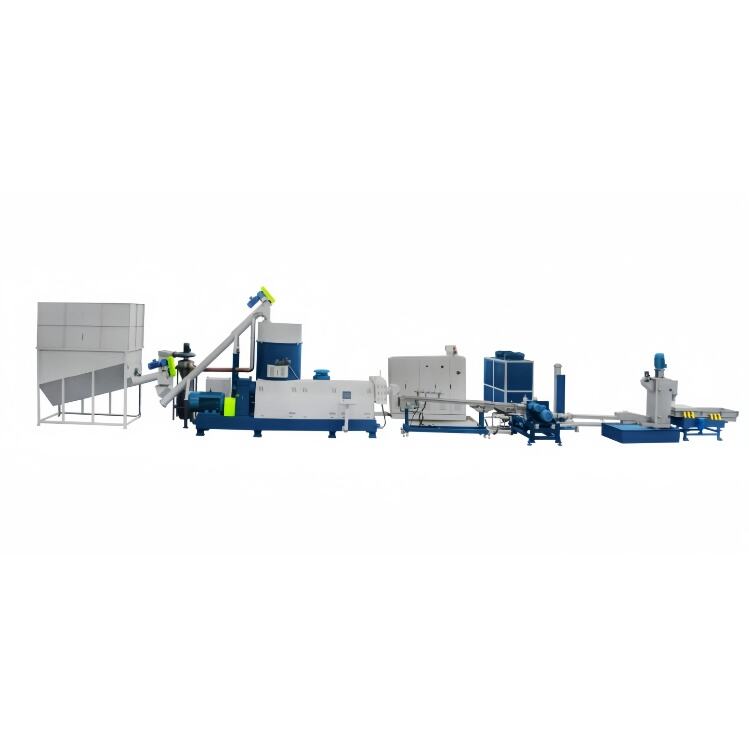
הביקוש הגלובלי לניהול פסולת בר-קיימא העמיד את מחזור בקבוקי פלסטיק בראש המאמצים הסביבתיים ברחבי העולם. מתקני המחזור המודרניים ניצבים תחת לחץ גובר לספק פלט נקי באופן עקבי תוך שמירה על יעילות התפעול ועל יעילות כלכלית. הבנת הגורמים הקריטיים המשפיעים על איכות המחזור מאפשרת למנהלי המתקנים ליישם תהליכים יציבים שמקיימים את התקנים האכזריים של התעשייה ואת התקנות הסביבתיות.
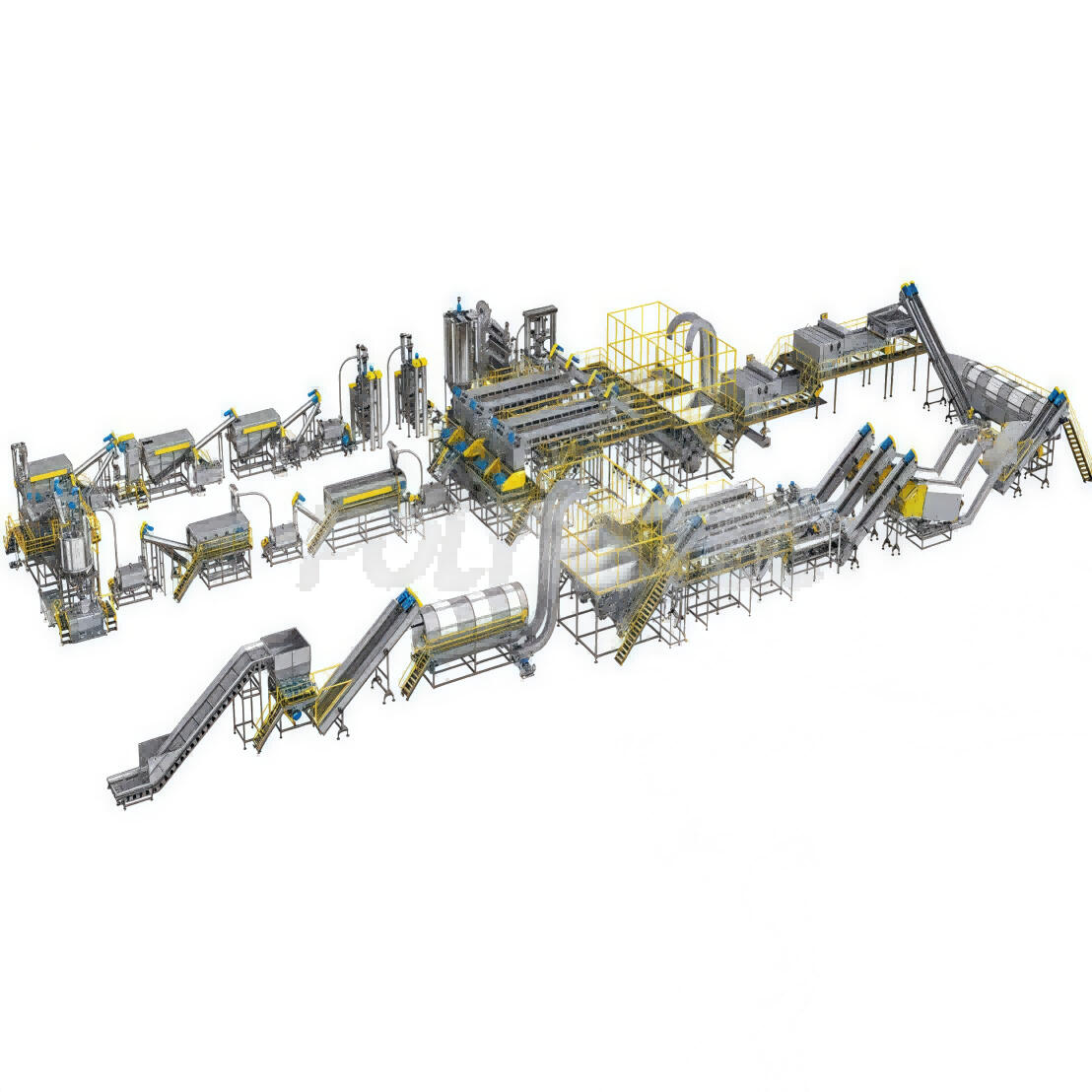
השגת ניקיון אופטימלי במחזור בקבוקי פלסטיק דורשת הבנה מקיפה של מקורות זיהום, טכנולוגיות מיון מתקדמות ואמצעי ביקורת איכות שיטתית. פעולות מחזור מוצלחות מאחדות מספר שלבים של ניקוי, בקרת טמפרטורה מדויקת ומערכות ניטור רציפות כדי להבטיח שהפלט הסופי עומד בדרישות לדרגת מזון ובדרישות האיכות התעשייתיות.
הבנת מקורות הזיהום בתהליכי מחזור
קטגוריות עיקריות של זיהום
זיהומים פיזיים מהווים את האתגר הוויזואלי הגדול ביותר בתהליכי מחזור בקבוקי פלסטיק. תוויות, דבקים, כיסויים וחומרים זרים יוצרים מכשולים משמעותיים בשלב הניקוי. זיהומים אלו דורשים טכניקות הסרה מיוחדות שמשמרות את שלמות החומר הפלסטי תוך הבטחת הסרת מלאה של החומרים הלא רצויים.
הזיהום הכימי מעורר דאגות לא פחות חserious למרכזי המחזור. שאריות התוכן המקורי של הבקבוקים, סבונים וסוכני ניקוי, וכן כימיקלים משימוש בתהליך העיבוד עלולים לפגוע באיכות הפלסטיק המוחזר. מערכות מחזור מתקדמות לבקבוקי פלסטיק כוללות מספר מחזורי שטיפה ותהליכים נייטרליים כדי להתמודד באופן יעיל עם זיהומים כימיים אלו.
זיהום ביולוגי מתרחש כאשר חומרים אורגניים מתפרקים בתוך זרם המחזור. תנאי אחסון מתאימים, זמני עיבוד מהירים וטיפולים אנטי-מיקרוביאליים עוזרים למנוע את צמיחת החיידקים ולשמור על תנאי היגיינה לאורך תהליך המחזור.
אסטרטגיות לזיהוי והנעה
מערכות זיהוי מודרניות משתמשות בטכנולוגיית מיון אופטי, ספקטרוסקופיית אינפרא אדום ואלגוריתמי למידת מכונה כדי לזהות חומרים מזוהמים לפני שיכנסו לשלבים הראשוניים של העיבוד. מערכות אוטומטיות אלו מפחיתות באופן משמעותי את הדרישות למיון ידני, תוך שיפור הדיוק והעקביות בהסרת זיהומים.
הasures המונעות מתחילות בשלב האיסוף באמצעות תוכניות החינוך לצרכנים ושיפור תשתיות האיסוף. תוויות ברורות, הליכי איסוף סטנדרטיים והדרכה קבועה לעובדי האיסוף מפחיתים את הסיכוי להכנסת זיהומים לזרם המחזור.
מערכות ניטור בזמן אמת עוקבות אחר רמות הזיהום לאורך מחזור העיבוד, ומאפשרות התאמות מיידיות לפרמטרי הניקוי ולתנאי העיבוד. גישה פרואקטיבית זו מונעת את התקדמותן של מנות מזוהמות לתהליכי עיבוד יקרים יותר בחלק התחתון של הזרם.
טכנולוגיות מתקדמות למיון והפרדה
מערכות מיון אופטי
ספקטרוסקופיית אינפראאדום קרובה מאפשרת זיהוי מדויק של סוגי פלסטיק, צבעים ורמות זיהום בתהליכי מחזור בקבוקי פלסטיק. מערכות אלו משיגות דיוק מיון שמעל 95% תוך עיבוד אלפי בקבוקים בשעה, ושיפור משמעותי באיכות החומרים המוזנים לשלבי הניקוי הבאים.
טכנולוגיית מיון לפי צבע מפרידה בין בקבוקים שקופים, ירוקים וכתומים לזרמים נפרדים, ומונעת זיהום צבעוני חוצץ שמשפיע על השווקיות של החומרים המחוזרים. מערכות מתקדמות מסוגלות לזהות סטיות עדינות בצבע ולדחות באופן אוטומטי בקבוקים שאינם עומדים בקריטריוני הצבע שנקבעו.
השתלבות בינה מלאכותית משפרת את דיוק המיון על ידי למידה מתבניות עיבוד והתאמה לסוגי זיהום חדשים. אלגוריתמי למידת מכונה משפרים באופן רציף את יכולות ההבחנה, מפחיתים תוצאות שגויות חיוביות ומבטיחים ביצועי מיון עקביים לאורך תקופות פעילות ממושכות.
שיטות הפרדה על בסיס צפיפות
הפרדת ציפה-שקיעה משתמשת בהבדלים בצפיפות כדי להסיר זיהומים כבדים יותר כגון זכוכית, מתכת ופלסטיות בעלות צפיפות גבוהה מהזרם העיקרי של בקבוקי פלסטיק. תמיסות של גרביטציה ספציפית שנשלטות בקפידה מאפשרות הפרדה מדויקת תוך מינימיזציה של אובדן חומר ושימור יעילות התהליך.
מערכות הידרו-ציקלון מספקות יכולות הפרדה נוספות לחלקיקים דקים ולזיהומים קלים. מערכות אלו יוצרות כוחות צנטריפוגליים המפרידים חומרים על בסיס מאפייני הגודל והצפיפות שלהם, ומסירים זיהומים שברחו משלבים הראשונים של המיון.
מערכות מיון באוויר מסירים חומרים קלים כגון תוויתים, סרטים ופסיפסים נייר באמצעות דפוסי זרימת אוויר מבוקרים. בקרת מהירות מדויקת מבטיחה הסרת מזהמים אפקטיבית תוך מניעת אובדן חומרי פלסטיק ערכיים בתהליך ההפרדה.
פרוטוקולי רחיצה וניקוי רב-שלביים
הכנה לרחיצה מקדימה
הפחתת הגודל באמצעות טחינה מבוקרת יוצרת פיסות אחידות שמאפשרות ניקוי אפקטיבי בשלבים הבאים של הרחיצה. גודל הפיסות האופטימלי מאוזן בין חשיפת שטח הפנים ליעילות הניקוי לבין דרישות הטיפול בחומר ובשיקולים של יעילות התהליך.
מערכות הסרת תוויתים משתמשות באדים, חום ופעולה מכנית כדי להפריד תוויתים דביקים משטחי הפלסטיק. מערכות מתקדמות מפחיתות למינימום את הפיצול של התוויתים תוך הבטחת הסרה מלאה, ומניעות את זיהום המוצר המוחזר הסופי על ידי חלקיקים קטנים של דבק.
הפרדת מגנטית מסירה זיהומים פרוסיים שיכולים לפגוע בציוד הנותר או לזוהם את הפלט המוחזר. מגנטים קבועים חזקים ומפרידי אלקטרומגנטים מספקים הגנה כפולה מפני זיהום מתכתי לאורך כל מערכת העיבוד.
תהליך כביסה חמה
שטיפה חמה בשליטה על הטמפרטורה מפרקת דבקים, מסירה זיהומים אורגניים ומייצרת סניטציה של חומרים פלסטיים במהלך תהליך המחזור. טווח הטמפרטורות האופטימלי בין 80–85° צלזיוס מספק ניקוי יעיל תוך מניעת פגיעה תרמית במבנה הפולימרי של הפלסטיק.
פתרונות ניקוי אלקליניים משפרים את הסרת שומנים וزيות תוך שמירה על התאמה לחומרים פלסטיים. סוכני ניקוי שנוספו בזהירות מפרקים זיהומים מורכבים מבלי להשפיע על התכונות הכימיות של הפלסטיק המוחזר או ליצור שאריות כימיות מסוכנות.
מערכות ערבוב מכניות מספקות פעולה עקיבה של ניקוי בכל תא הניקוי. בקרות מהירות משתנה מאפשרות למתניעים להתאים את עוצמת הערבוב בהתאם לרמות הזיהום מאפייני החומר, כדי למקסם את יעילות הניקוי ולמזער נזק לחומר.
השלכות ובדיקות שליטת איכות
מערכות מוניטורינג בזמן אמת
מערכת ניטור רציף של איכות המים מבטיחה יעילות ניקוי לאורך תהליך מחזור בקבוקי פלסטיק. חיישני עכירות, מדדי pH ומדידות מוליכות מספקים משוב מיידי על ביצועי הניקוי, מה שמאפשר התאמות מהירות לשם שמירה על תנאי ניקוי אופטימליים.
מערכות דגימה אוטומטיות אוספות דגימות מייצגות במרווחי זמן מוגדרים מראש, ומבטיחות הערכה עקיבה של האיכות ללא הפרעה לתזרית הייצור. מערכות אלו שומרות על שלמות הדגימות ומספקות נתונים סטטיסטית תקפים לצורך ניתוח בקרת האיכות ואופטימיזציה של התהליך.
מערכות תיעוד דיגיטליות רושמות את כל פרמטרי האיכות, ויוצרות רשומות נרחבות של אפשרות לעקוב אחר התהליך שמאפשרות לעמוד בדרישות לאישור איכות ותאימות לתקנות.
פרוטוקולי בדיקה מעבדתיים
ניתוח זיהום שאריות משתמש בטכניקות אנליטיות מתקדמות, כולל כרומטוגרפיה גזית וספקטרומטריית מסה, לזיהוי זיהומים בכמויות זעירות שמתחת לגבול הראייה. שיטות הבדיקה המתקדמות הללו מבטאות כי החומרים המחוזרים עומדים בדרישות הקפדניות לדרגת אוכל ובדרישות התקנות.
בדיקת התכונות הפיזיות מאשרת כי החומרים המחוזרים שומרים על התכונות המכאניות המתאימות ליישומים המיועדים להם. מדידות חוזק מתח, עמידות להשפעה חיצונית ויציבות תרמית מאשרות כי תהליך המחזור שומר על התכונות החשובות של החומר לאורך מחזור הניקוי והעיבוד.
בדיקות מיקרוביאולוגיות מבטאות כי חומרים מחזוריים עומדים בתקנים הסניטריים הנדרשים ליישומים של אריזות מזון. סריקת פתוגנים תקופתית ואימות סטריליות מונעים את החדירה של חומרים מזוהמים לשרשראות האספקה, שם בטיחות המזון היא קריטית.
אופטימיזציה של תהליכים ושיפור יעילות
מערכות ניהול מים
מחזור סגור של מים מפחית את ההשפעה הסביבתית ומביא גם לצמצום עלויות הפעלה במתקני מחזור בקבוקי פלסטיק. מערכות סינון מתקדמות, אגירת שיקועים ותהליכי טיפול מים מאפשרים שימוש חוזר מתמיד במים בתהליך, תוך שמירה על יעילות הניקוי והתאמה לתקנות הרלוונטיות.
תצורות ניקוי בערפל נגד-זרם מקסמות את יעילות הניקוי על ידי שימוש במים טריים בשלבי השטיפה הסופיים, בעוד מים הולכים והזוהמים יותר מטפלים בהסרת הזיהום הראשוני. גישה זו מאופטמת את צריכת המים ומבטיחה ביצועי ניקוי מمتازים לאורך כל סדרת הניקוי.
מערכות אוטומטיות להתאמת איכות המים שומרות על ערך ה-pH, הטמפרטורה והריכוזים הכימיים האופטימליים לאורך תהליך הכביסה. מערכות אלו מגיבות למשוב בזמן אמת מכלי הניטור, ומבטיחות תנאי ניקוי עקביים ללא קשר לשינויים בחומר הקלט או בשינויי עומס התהליך.
שיקום אנרגיה ויעילות
מערכות שחזור חום אוספות את האנרגיה התרמית ממים חמים של כביסה ומעבירות אותה למים חדשים של התהליך, מה שמביא לצמצום הצריכה האנרגטית תוך שמירה על טמפרטורות התהליך הנדרשות. מחליפים תרמיים יעילים יכולים לשחזר עד 70% מהאנרגיה התרמית, ובכך מקצרים באופן משמעותי את עלויות הפעלה.
מנועי תדר משתנה מאופטמים בהתאם לצורך התהליך בפועל, ומביאים לצמצום הצריכה האנרגטית בתקופות עומס נמוך, תוך שמירה על יכולת עיבוד מלאה בתקופות שיא. מערכות אלו מספקות חיסכון אנרגטי מיידי, ומכפילות את משך חיים של הציוד באמצעות הפחתת המתח המכאני.
אינטגרציה של תהליך מאלצת פעולות כפולות ומיישרת את זרימת החומרים בכל המתקנה למחזור. תכנונים מופשטים ממזערים את דרישות הפעלה של החומרים, ובכך מפחיתים את הצריכה האנרגטית ושפרים את היעילות הכוללת של המערכת עבור לחידוש בקבוקי פלסטיק הפעלות.
התאמת רגולטורית ותקני אישור
סטנדרטים איכותיים בינלאומיים
מערכות ניהול איכות לפי תקן ISO 9001 מספקות מסגרות מקיפות לשמירה על עקביות באיכות בפעולות מחזור בקבוקי פלסטיק. תקנים אלו קובעים גישות שיטתיות לבקרת האיכות, שיפור מתמיד והשביעות רצון הלקוח, אשר תומכות בהצלחה עסקית ארוכת טווח ובהאמינות בשוק.
הנחיות הרשות למזון והתרופות (FDA) מגדירות דרישות ניקיון לחומרים מחוזרים המיועדים ליישומים של מגע עם מזון. התאמה לתקנות אלו דורשת תיעוד מפורט, בדיקות תקופתיות ותהליכי ניקיון מאומתים אשר מצליחים באופן עקבי להגיע לגבולות זיהום שנקבעו.
הנחיות האיחוד האירופי בנושא מחזור קובעות סטנדרטים מינימליים לאיכות ודרישות לתוכן מחוזר שמשפיעים על גישה לשוק וקבלת המוצרים. הבנת הנורמות הללו מאפשרת למוסדות המחזור לפתח תהליכים שמתאימים לדרישות הנוכחיות, תוך ציפייה להתפתחויות רגולטוריות עתידיות.
תהליכי אימות ואודיט
תוכניות אימות של צד שלישי מספקות אימות עצמאי באיכות המחזור וביעילות התהליך. אימותים אלו משפרים את היכולת השיווקית של המוסד, ומספקים ראיות אובייקטיביות להתקיימות בסטנדרטים התעשייתיים ובדרישות הלקוחות לאיכות החומרים המחוזרים.
מערכות אודיט פנימיות מבטאות את ההתקיימות המתמדת ביחס לإجراءات שהוגדרו מראש ומזהות הזדמנויות לשיפור התהליכים. הערכות עצמאיות קבועות שומרות על סטנדרטי האיכות בין אודיטים חיצוניים, ומביאות לבניית יכולת ארגונית לשיפור מתמיד בתפעול מחזור בקבוקי פלסטיק.
מערכות ניהול תיעוד שומרות על רשומות מקיפות של כל הפעילויות הקשורות לאיכות, תומכות בדרישות ביקורת תוך כדי אספקת נתונים בעלי ערך לאופטימיזציה של תהליכים ולפתרון בעיות. מערכות תיעוד יעילות מקלות על התאמה לתקנות ומאפשרות קבלת החלטות מבוססות נתונים.
שילוב טכנולוגיה ופיתוחים עתידיים
מערכות אוטומציה והשליטה
בקרות לוגיות מתוכנתות (PLC) משולבות בכל ציוד העיבוד למערכות מאוחדות הממגינות על הביצועים תוך מינימיזציה של התערבות האופרטור. אלגוריתמים מתקדמים לבקרה מכווננים באופן אוטומטי את פרמטרי העיבוד בהתבסס על משוב בזמן אמת, ומשמרים תנאים אופטימליים לאורך כל טווח תנאי הפעלה מאפייני החומר הקלט.
ממשקים בין אדם למכונה מספקים לאופרטורים שליטה אינטואיטיבית על מערכות מחזור מורכבות, תוך שמירה על סטנדרטי הבטיחות והיעילות. מסכים גרפיים מציגים מידע קריטי בבירור ומאפשרים תגובה מהירה לשינויים בתהליך או לבעיות בציוד במתקני מחזור בקבוקי פלסטיק.
מערכות תחזוקה חיזויית עוקבות אחר מצב הציוד באופן רציף, ומזהות בעיות פוטנציאליות לפני שיגרמו להפרעות בייצור או לבעיות באיכות. מערכות אלו מפחיתות את עצירת הפעילות הלא מתוכננת, ומארכת את תקופת השירות של הציוד באמצעות תכנון תחזוקה אופטימלי והחלפת רכיבים באופן פרואקטיבי.
טכנולוגיהכנולוגיות חידושניות
טכנולוגיית הבלוקצ'יין מאפשרת זיהוי מלא של חומרים מחזוריים מהאיסוף ועד לייצור המוצר הסופי. שקיפות זו תומכת באיניציאטיבות כלכלת מעגל סגור, ומספקת לצרכנים וליצרנים מידע מאומת על תוכן החומרים המחוזרים וההשפעה הסביבתית של תהליכי מחזור בקבוקי פלסטיק.
יישומים של בינה מלאכותית מעדכנים באופן רציף את פרמטרי העיבוד בהתבסס על נתוני ביצועים היסטוריים ותנאי הפעלה בזמן אמת. אלגוריתמי למידת מכונה מזהים דפוסים עדינים שעובדים אנושיים עלולים לפספס, ובכך מאפשרים שיפורים טריוויאליים באפקטיביות הניקוי ובביצוע הכולל של המערכת.
טכנולוגיות חיישנים מתקדמות מספקות תיאור לא שגרתי של רמות הזיהום והתכונות החומריות לאורך תהליך המחזור. החיישנים האלה מאפשרים בקרה מדויקת על פרמטרי הניקוי, תוך כדי סיפוק משוב מפורט לאופטימיזציה של התהליך ולביקורת איכות במתקני מחזור מודרניים.
שאלות נפוצות
באילו טווחי טמפרטורה מושגת יעילות ניקוי אופטימלית במחזור בקבוקי פלסטיק
טמפרטורות הניקוי האופטימליות במחזור בקבוקי פלסטיק נעים בדרך כלל בין 80–85° צלזיוס בתהליכי הניקוי החמים. טווח טמפרטורות זה ממיס את הדבקים באופן יעיל ומסיר זיהומים אורגניים, תוך מניעת פגיעה תרמית במבנה הפולימרי של הפלסטיק. טמפרטורות נמוכות יותר עשויות שלא להסיר מספיק טוב זיהומים קשיחים, בעוד שטמפרטורות גבוהות מדי עלולות לפגוע בחומר הפלסטי ולפגוע באיכות הפלסטיק המוחזר.
באיזה תדירות יש לבצע בדיקות איכות במהלך פעולות המחזור
תדירות בדיקות האיכות תלויה בכמות הייצור ובהוראות הרגולטוריות, אך מרבית המתקנים מבצעים בדיקות ויזואליות מדי שעה וניתוח מעבדתי יומי למאפיינים קריטיים. מערכות ניטור רציף עוקבות אחר איכות המים, הטמפרטורה ורמות הזיהום בזמן אמת, בעוד שניתוח כימי מקיף מתבצע בדרך כלל אחת לשבוע או אחת לחודש. פעולות בייצור בكمויות גבוהות עלולות לדרוש בדיקות בתדירות גבוהה יותר כדי לשמור על סטנדרטי איכות עקביים ועל התאמה להוראות הרגולטוריות.
מהן הסיבות הנפוצות ביותר לכישלונות באיכות במתקני מחזור
הכישלונות האיכותיים הנפוצים ביותר במחזור בקבוקי פלסטיק נובעים מהסרת זיהום לא מספקת, טמפרטורות רחיצה לא אחידות וזמן מגורים בלתי מספיק בשלבים של הנקה. בעיות תחזוקת ציוד, דגירה לא נכונה של כימיקלים וחומרים קלוטים מזוהמים תורמים אף הם לבעיות איכות. כיול ציוד קבוע, הדרכה של המפעילים ומערכת שיטתית של מעקב מתמשך על התהליך עוזרים למנוע את הבעיות הללו ולשמור על איכות יציאה אחידה.
איך אפשר למזער את צריכת המים במתקנים תוך שמירה על יעילות הנקה
אסטרטגיות להפחתת צריכת המים כוללות יישום מערכות שטיפה בזרימה נגדית, התקנת מחזור מים במסלול סגור ואופטימיזציה של תצורות פקקי הזרקה כדי להשיג את יעילות השטיפה המרבית. מערכות סינון מתקדמות מאפשרות שימוש חוזר במים תוך שמירה על יעילות השטיפה, ובקרות אוטומטיות מונעות בזבוז מים במהלך תקופות מנוחה של הציוד. גישות אלו יכולות להפחית את צריכת המים ב-40–60% תוך שמירה על ביצועי השטיפה או שיפורם בתהליכי מחזור בקבוקי פלסטיק.