
 EN
EN


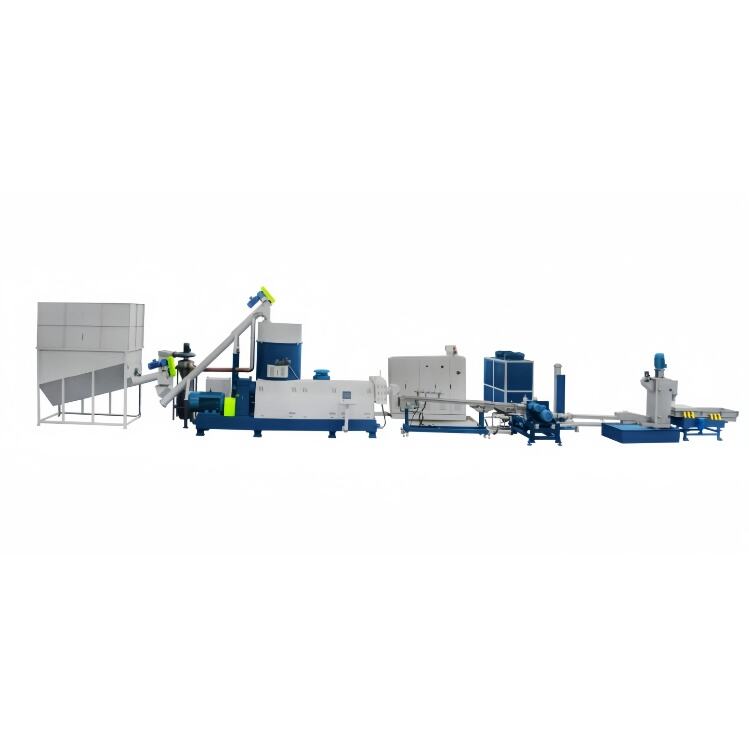
A demanda global por gestão sustentável de resíduos colocou a reciclagem de garrafas de plástico na vanguarda das iniciativas ambientais em todo o mundo. As instalações modernas de reciclagem enfrentam pressão crescente para entregar, de forma consistente, uma saída limpa, ao mesmo tempo que mantêm a eficiência operacional e a rentabilidade. Compreender os fatores críticos que influenciam a qualidade da reciclagem permite que os operadores das instalações implementem processos robustos capazes de atender aos rigorosos padrões industriais e às regulamentações ambientais.
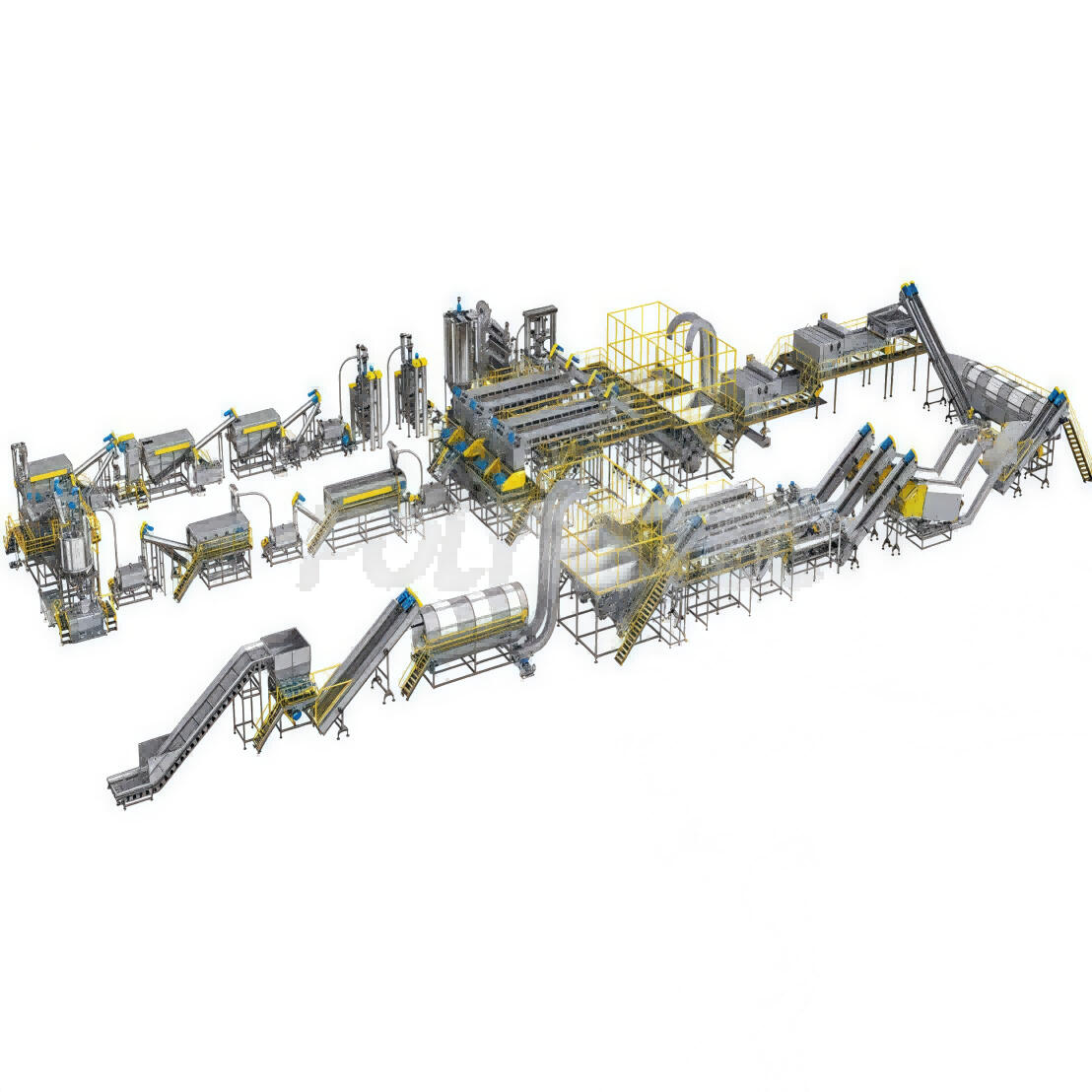
Alcançar uma limpeza ideal no reciclamento de garrafas plásticas exige uma compreensão abrangente das fontes de contaminação, tecnologias avançadas de classificação e medidas sistemáticas de controle de qualidade. Operações de reciclamento bem-sucedidas integram múltiplas etapas de limpeza, controle preciso da temperatura e sistemas de monitoramento contínuo para garantir que o produto final atenda às especificações para uso em contato com alimentos e aos requisitos de qualidade industrial.
Compreensão das Fontes de Contaminação nas Operações de Reciclamento
Categorias Principais de Contaminação
Os contaminantes físicos representam o desafio mais visível nos processos de reciclamento de garrafas plásticas. Rótulos, adesivos, tampas e materiais estranhos criam obstáculos significativos durante a fase de limpeza. Esses contaminantes exigem técnicas especializadas de remoção que preservem a integridade do material plástico, ao mesmo tempo em que assegurem a eliminação completa das substâncias indesejadas.
A contaminação química representa preocupações igualmente sérias para as instalações de reciclagem. Os resíduos remanescentes das garrafas originais, agentes de limpeza e produtos químicos utilizados no processo podem comprometer a qualidade do material reciclado. Sistemas avançados de reciclagem de garrafas plásticas incorporam múltiplos ciclos de enxágue e processos de neutralização para lidar eficazmente com esses contaminantes químicos.
A contaminação biológica ocorre quando materiais orgânicos se decompõem dentro do fluxo de reciclagem. Condições adequadas de armazenamento, cronogramas rápidos de processamento e tratamentos antimicrobianos ajudam a prevenir o crescimento bacteriano e a manter condições sanitárias ao longo de toda a operação de reciclagem.
Estratégias de Detecção e Prevenção
Sistemas modernos de detecção utilizam tecnologia de classificação óptica, espectroscopia no infravermelho e algoritmos de aprendizado de máquina para identificar materiais contaminados antes que entrem nas etapas primárias de processamento. Esses sistemas automatizados reduzem significativamente a necessidade de classificação manual, ao mesmo tempo que melhoram a precisão e a consistência na remoção de contaminantes.
As medidas preventivas começam na fase de coleta, por meio de programas de educação do consumidor e de infraestrutura aprimorada para coleta. A rotulagem clara, os procedimentos padronizados de coleta e a capacitação regular da equipe de coleta minimizam a introdução de contaminantes na corrente de reciclagem.
Sistemas de monitoramento em tempo real acompanham os níveis de contaminação ao longo de todo o ciclo de processamento, permitindo ajustes imediatos nos parâmetros de limpeza e nas condições de processamento. Essa abordagem proativa evita que lotes contaminados avancem para processos downstream caros.
Tecnologias Avançadas de Classificação e Separação
Sistemas de Classificação Óptica
A espectroscopia no infravermelho próximo permite a identificação precisa de diferentes tipos de plástico, cores e níveis de contaminação nas operações de reciclagem de garrafas plásticas. Esses sistemas alcançam precisões de classificação superiores a 95%, processando milhares de garrafas por hora, melhorando significativamente a qualidade dos materiais de entrada para as etapas subsequentes de limpeza.
A tecnologia de classificação por cor separa garrafas incolores, verdes e âmbar em fluxos distintos, evitando a contaminação cruzada por cor, que afeta a comercialização dos materiais reciclados. Sistemas avançados conseguem detectar variações sutis de cor e rejeitar automaticamente garrafas que não atendem aos critérios de cor especificados.
A integração de inteligência artificial aprimora a precisão da classificação ao aprender com os padrões de processamento e adaptar-se a novos tipos de contaminação. Algoritmos de aprendizado de máquina melhoram continuamente as capacidades de detecção, reduzindo falsos positivos e garantindo desempenho consistente de classificação ao longo de períodos prolongados de operação.
Métodos de Separação por Densidade
A separação por flutuação e sedimentação utiliza as diferenças de densidade para remover contaminantes mais pesados, como vidro, metal e plásticos de alta densidade, do fluxo primário de garrafas plásticas. Soluções de gravidade específica cuidadosamente controladas permitem uma separação precisa, minimizando a perda de material e mantendo a eficiência do processo.
Os sistemas hidrociclônicos oferecem capacidades adicionais de separação para partículas finas e contaminantes leves. Esses sistemas geram forças centrífugas que separam os materiais com base em suas características de tamanho e densidade, removendo contaminantes que escapam das etapas iniciais de classificação.
Os sistemas de classificação aérea removem materiais leves, como rótulos, filmes e fragmentos de papel, por meio de padrões controlados de fluxo de ar. O controle preciso da velocidade garante a remoção eficaz de contaminantes, ao mesmo tempo que evita a perda de materiais plásticos valiosos durante o processo de separação.
Protocolos de Lavagem e Limpeza em Múltiplos Estágios
Preparação Pré-Lavagem
A redução de tamanho por meio de trituração controlada cria flocos de tamanho uniforme, o que facilita a limpeza eficaz nas etapas subsequentes de lavagem. O tamanho ideal dos flocos equilibra a exposição da área de superfície para eficácia na limpeza com os requisitos de manuseio do material e considerações de eficiência no processamento.
Os sistemas de remoção de etiquetas utilizam vapor, calor e ação mecânica para separar as etiquetas adesivas das superfícies plásticas. Sistemas avançados minimizam a fragmentação das etiquetas, garantindo ao mesmo tempo sua remoção completa e evitando que pequenas partículas adesivas contaminem o produto reciclado final.
A separação magnética remove contaminantes ferrosos que poderiam danificar equipamentos a jusante ou contaminar a saída reciclada. Ímãs permanentes potentes e separadores eletromagnéticos oferecem proteção redundante contra contaminação metálica em todo o sistema de processamento.
Processamento de Lavagem a Quente
A lavagem quente com controle de temperatura dissolve adesivos, remove contaminantes orgânicos e desinfeta materiais plásticos durante o processo de reciclagem. Faixas de temperatura ideais entre 80–85 °C garantem uma limpeza eficaz, ao mesmo tempo que evitam a degradação térmica da estrutura polimérica do plástico.
Soluções alcalinas de limpeza potencializam a remoção de graxa e óleo, mantendo compatibilidade com materiais plásticos. Agentes de limpeza cuidadosamente formulados decompõem contaminantes complexos sem afetar as propriedades químicas do plástico reciclado ou gerar resíduos químicos nocivos.
Sistemas de agitação mecânica proporcionam uma ação de limpeza consistente em toda a câmara de lavagem. Controles de velocidade variável permitem que os operadores ajustem a intensidade da agitação com base nos níveis de contaminação e nas características do material, otimizando a eficácia da limpeza e minimizando danos ao material.
Controle de Qualidade e Procedimentos de Teste
Sistemas de monitorização em tempo real
O monitoramento contínuo da qualidade da água garante a eficácia da lavagem em todo o processo de reciclagem de garrafas plásticas. Sensores de turbidez, medidores de pH e medições de condutividade fornecem feedback imediato sobre o desempenho da limpeza, permitindo ajustes rápidos para manter condições ideais de limpeza.
Sistemas automatizados de amostragem coletam amostras representativas em intervalos predeterminados, assegurando uma avaliação consistente da qualidade sem interromper o fluxo produtivo. Esses sistemas preservam a integridade das amostras, ao mesmo tempo que fornecem dados estatisticamente válidos para análise de controle de qualidade e otimização do processo.
Sistemas digitais de documentação registram todos os parâmetros de qualidade, criando registros abrangentes de rastreabilidade que apoiam os requisitos de certificação de qualidade e conformidade regulatória. O registro automático de dados elimina erros decorrentes de anotações manuais e fornece um histórico detalhado do processo para iniciativas de melhoria contínua.
Protocolos de Testes em Laboratório
A análise de contaminação residual emprega técnicas analíticas avançadas, incluindo cromatografia gasosa e espectrometria de massas, para detectar contaminantes em traços abaixo dos limites de detecção visual. Esses métodos sofisticados de ensaio asseguram que os materiais reciclados atendam às rigorosas especificações para uso em contato com alimentos e aos requisitos regulatórios.
Os ensaios de propriedades físicas verificam se os materiais reciclados mantêm características mecânicas adequadas para as aplicações previstas. Medições de resistência à tração, resistência ao impacto e estabilidade térmica confirmam que o processo de reciclagem preserva as propriedades essenciais do material ao longo do ciclo de limpeza e processamento.
Os ensaios microbiológicos garantem que os materiais reciclados atendam aos padrões sanitários exigidos para aplicações de embalagens para alimentos. A triagem regular de patógenos e a verificação de esterilidade impedem que materiais contaminados entrem nas cadeias de suprimento onde a segurança alimentar é crítica.
Otimização de Processo e Melhoria de Eficiência
Sistemas de Gestão de Água
O reuso fechado de água minimiza o impacto ambiental ao mesmo tempo que reduz os custos operacionais nas instalações de reciclagem de garrafas plásticas. Sistemas avançados de filtração, tanques de decantação e processos de tratamento de água permitem a reutilização contínua da água de processo, mantendo a eficácia da limpeza e a conformidade com as exigências regulatórias.
As configurações de lavagem em contracorrente maximizam a eficiência da limpeza ao utilizar água fresca nas etapas finais de enxágue, enquanto águas progressivamente mais sujas realizam a remoção inicial da contaminação. Essa abordagem otimiza o consumo de água, garantindo, ao mesmo tempo, um desempenho superior de limpeza em toda a sequência de lavagem.
Sistemas automatizados de ajuste da qualidade da água mantêm valores ideais de pH, temperatura e concentração química ao longo do processo de lavagem. Esses sistemas respondem a dados em tempo real provenientes de instrumentos de monitoramento, assegurando condições de limpeza consistentes, independentemente das variações no material de entrada ou das alterações na carga de processamento.
Recuperação de Energia e Eficiência
Os sistemas de recuperação de calor capturam energia térmica da água quente de lavagem e a transferem para a água de processo de entrada, reduzindo o consumo de energia enquanto mantêm as temperaturas de processamento exigidas. Trocadores de calor eficientes podem recuperar até 70% da energia térmica, reduzindo significativamente os custos operacionais.
As variações de frequência otimizam o funcionamento dos motores com base nas necessidades reais de processamento, reduzindo o consumo de energia durante períodos de carga reduzida, ao mesmo tempo que mantêm a capacidade total de processamento durante as operações de pico. Esses sistemas proporcionam economias imediatas de energia e prolongam a vida útil dos equipamentos ao reduzir o estresse mecânico.
A integração de processos elimina operações redundantes e racionaliza o fluxo de materiais em toda a instalação de reciclagem. Layouts otimizados minimizam os requisitos de movimentação de materiais, reduzem o consumo de energia e melhoram a eficiência geral do sistema para reciclagem de garrafas plásticas operações.
Conformidade Regulamentar e Normas de Certificação
Padrões internacionais de qualidade
Os sistemas de gestão da qualidade ISO 9001 fornecem estruturas abrangentes para manter a qualidade consistente nas operações de reciclagem de garrafas plásticas. Essas normas estabelecem abordagens sistemáticas para o controle da qualidade, a melhoria contínua e a satisfação do cliente, apoiando o sucesso empresarial de longo prazo e a credibilidade no mercado.
As diretrizes da Food and Drug Administration (FDA) especificam os requisitos de limpeza para materiais reciclados destinados a aplicações de contato com alimentos. O cumprimento desses regulamentos exige documentação detalhada, ensaios regulares e processos de limpeza validados que atinjam consistentemente os limites de contaminação especificados.
As diretivas de reciclagem da União Europeia estabelecem padrões mínimos de qualidade e exigências quanto ao teor de material reciclado, influenciando o acesso ao mercado e a aceitação dos produtos. Compreender esses regulamentos permite que as instalações de reciclagem desenvolvam processos que atendam aos requisitos vigentes, além de antecipar futuros desenvolvimentos regulatórios.
Processos de Certificação e Auditoria
Programas de certificação de terceiros fornecem verificação independente da qualidade da reciclagem e da eficácia dos processos. Essas certificações reforçam a credibilidade no mercado, ao mesmo tempo que oferecem evidências objetivas de conformidade com as normas do setor e com os requisitos dos clientes quanto à qualidade dos materiais reciclados.
Sistemas de auditoria interna garantem a conformidade contínua com os procedimentos estabelecidos e identificam oportunidades para melhoria dos processos. Autoavaliações regulares mantêm os padrões de qualidade entre auditorias externas, ao mesmo tempo que fortalecem a capacidade organizacional para melhoria contínua nas operações de reciclagem de garrafas plásticas.
Sistemas de gestão de documentação mantêm registros abrangentes de todas as atividades relacionadas à qualidade, apoiando os requisitos de auditoria e fornecendo dados valiosos para otimização de processos e resolução de problemas. Sistemas eficazes de documentação facilitam a conformidade regulatória e permitem a tomada de decisões baseada em dados.
Integração Tecnológica e Desenvolvimentos Futuros
Sistemas de automação e controlo
Controladores lógicos programáveis integram todos os equipamentos de processamento em sistemas coesos que otimizam o desempenho, ao mesmo tempo que minimizam a intervenção do operador. Algoritmos avançados de controle ajustam automaticamente os parâmetros de processamento com base em feedback em tempo real, mantendo condições ideais ao longo de diferentes condições operacionais e características dos materiais de entrada.
As interfaces homem-máquina fornecem aos operadores um controle intuitivo sobre sistemas complexos de reciclagem, mantendo simultaneamente os padrões de segurança e eficiência. Telas gráficas apresentam informações críticas de forma clara, permitindo uma resposta rápida às alterações no processo ou a problemas nos equipamentos nas instalações de reciclagem de garrafas plásticas.
Sistemas de manutenção preditiva monitoram continuamente o estado dos equipamentos, identificando possíveis problemas antes que causem interrupções na produção ou questões de qualidade. Esses sistemas reduzem as paradas não planejadas, ao mesmo tempo que prolongam a vida útil dos equipamentos por meio de agendamento otimizado da manutenção e substituição proativa de componentes.
Tecnologias Emergentes
A tecnologia blockchain permite a rastreabilidade completa de materiais reciclados, desde a coleta até a fabricação final do produto. Essa transparência apoia iniciativas de economia circular, ao mesmo tempo que fornece aos consumidores e fabricantes informações verificadas sobre o conteúdo reciclado e o impacto ambiental dos processos de reciclagem de garrafas plásticas.
As aplicações de inteligência artificial otimizam continuamente os parâmetros de processamento com base em dados históricos de desempenho e nas condições operacionais em tempo real. Algoritmos de aprendizado de máquina identificam padrões sutis que operadores humanos poderiam deixar de perceber, permitindo melhorias incrementais na eficácia da limpeza e no desempenho geral do sistema.
Tecnologias avançadas de sensores proporcionam uma visibilidade sem precedentes dos níveis de contaminação e das características dos materiais ao longo de todo o processo de reciclagem. Esses sensores permitem um controle preciso dos parâmetros de limpeza, ao mesmo tempo que fornecem feedback detalhado para a otimização do processo e para a garantia da qualidade nas instalações modernas de reciclagem.
Perguntas Frequentes
Quais faixas de temperatura proporcionam eficácia ideal na limpeza durante a reciclagem de garrafas plásticas
As temperaturas ideais para a limpeza na reciclagem de garrafas plásticas variam tipicamente entre 80–85 °C nos processos de lavagem quente. Essa faixa de temperatura dissolve eficazmente adesivos e remove contaminantes orgânicos, ao mesmo tempo que evita a degradação térmica da estrutura polimérica do plástico. Temperaturas mais baixas podem não remover adequadamente contaminantes teimosos, enquanto temperaturas mais altas correm o risco de danificar o material plástico e reduzir a qualidade do produto reciclado.
Com que frequência os ensaios de qualidade devem ser realizados durante as operações de reciclagem
A frequência dos testes de qualidade depende do volume de produção e dos requisitos regulatórios, mas a maioria das instalações realiza inspeções visuais horárias e análises laboratoriais diárias para parâmetros críticos. Sistemas de monitoramento contínuo acompanham, em tempo real, a qualidade da água, a temperatura e os níveis de contaminação, enquanto análises químicas abrangentes ocorrem tipicamente semanal ou mensalmente. Operações de alto volume podem exigir testes mais frequentes para manter padrões de qualidade consistentes e o cumprimento dos requisitos regulatórios.
Quais são as causas mais comuns de falhas de qualidade nas instalações de reciclagem?
As falhas de qualidade mais comuns na reciclagem de garrafas plásticas resultam da remoção inadequada de contaminantes, temperaturas inconsistentes na lavagem e tempo de residência insuficiente nas etapas de limpeza. Problemas de manutenção dos equipamentos, dosagem incorreta de produtos químicos e materiais de entrada contaminados também contribuem para os problemas de qualidade. A calibração regular dos equipamentos, a capacitação dos operadores e o monitoramento sistemático do processo ajudam a prevenir esses problemas e a manter uma qualidade consistente na saída.
Como as instalações podem minimizar o consumo de água sem comprometer a eficácia da limpeza?
As estratégias de redução do consumo de água incluem a implementação de sistemas de lavagem em contracorrente, a instalação de reciclagem fechada de água e a otimização das configurações dos bicos pulverizadores para máxima eficiência de limpeza. Sistemas avançados de filtração permitem a reutilização da água, mantendo sua eficácia na limpeza, e controles automatizados evitam o desperdício de água durante os períodos de inatividade dos equipamentos. Essas abordagens podem reduzir o consumo de água em 40–60%, mantendo ou melhorando o desempenho da limpeza nas operações de reciclagem de garrafas plásticas.
Sumário
- Compreensão das Fontes de Contaminação nas Operações de Reciclamento
- Tecnologias Avançadas de Classificação e Separação
- Protocolos de Lavagem e Limpeza em Múltiplos Estágios
- Controle de Qualidade e Procedimentos de Teste
- Otimização de Processo e Melhoria de Eficiência
- Conformidade Regulamentar e Normas de Certificação
- Integração Tecnológica e Desenvolvimentos Futuros
-
Perguntas Frequentes
- Quais faixas de temperatura proporcionam eficácia ideal na limpeza durante a reciclagem de garrafas plásticas
- Com que frequência os ensaios de qualidade devem ser realizados durante as operações de reciclagem
- Quais são as causas mais comuns de falhas de qualidade nas instalações de reciclagem?
- Como as instalações podem minimizar o consumo de água sem comprometer a eficácia da limpeza?