
 EN
EN



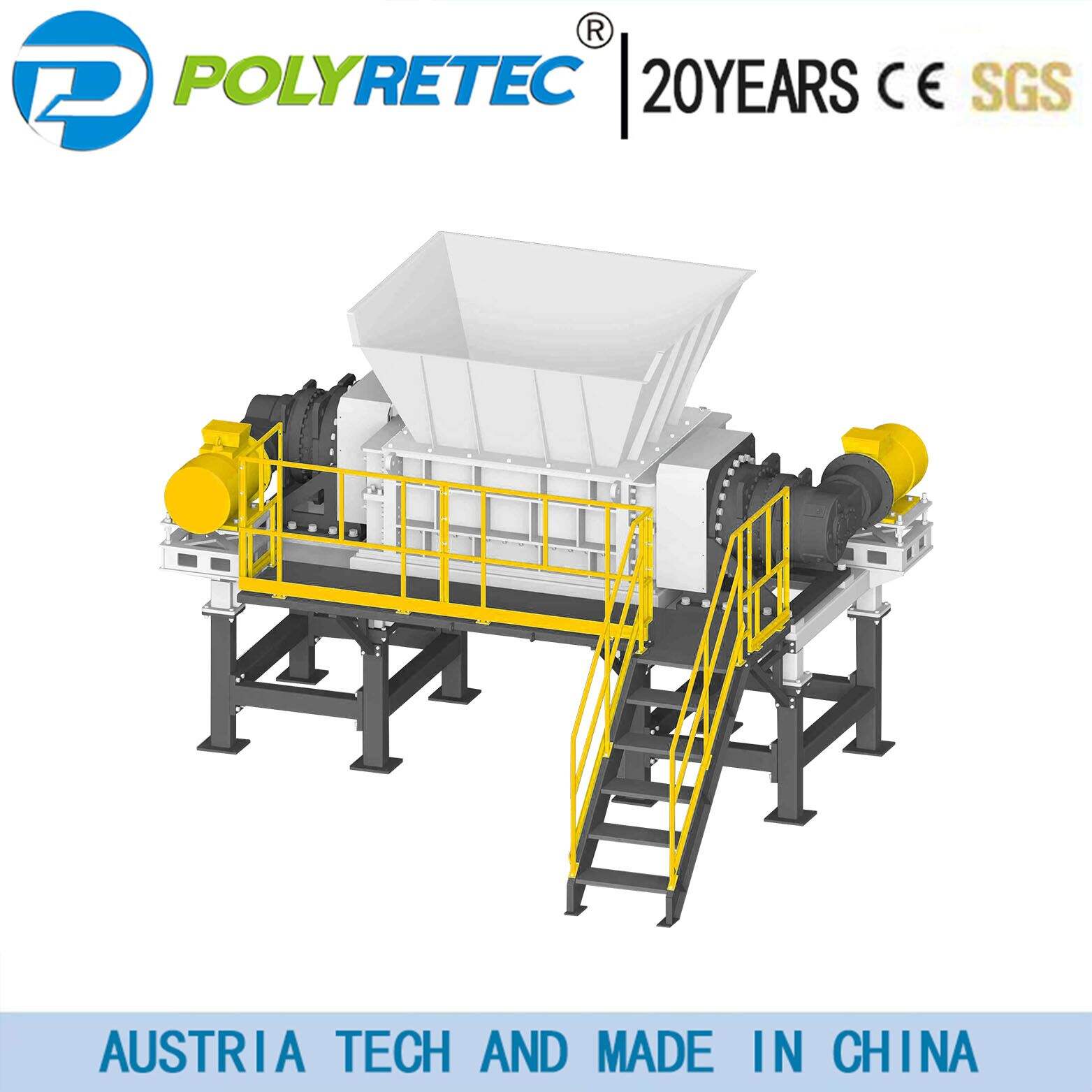
The plastic recycling industry continues to expand as manufacturers seek sustainable solutions for polyethylene terephthalate waste management. A PET pelletizing machine represents a significant investment that can transform your recycling operations and generate substantial returns when selected appropriately. Understanding the critical factors that influence machine performance, operational efficiency, and long-term profitability becomes essential before committing to this industrial equipment purchase.
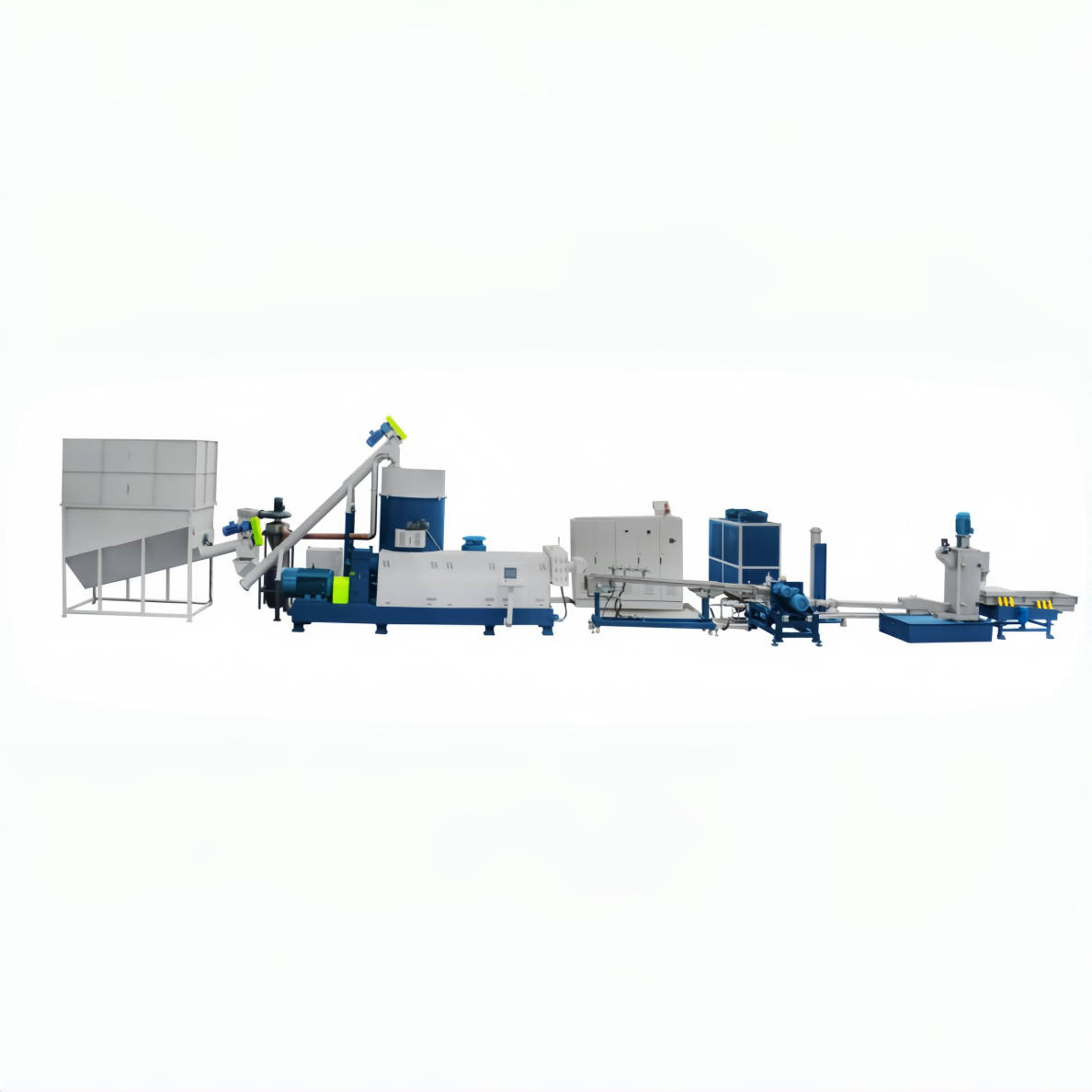
Modern PET pelletizing technology has evolved significantly over recent years, incorporating advanced automation systems and energy-efficient designs. These machines process various forms of PET waste, including bottles, containers, and industrial scraps, converting them into high-quality pellets suitable for manufacturing new products. The investment decision requires careful evaluation of multiple technical, financial, and operational considerations that directly impact your facility's productivity and profitability.
Understanding PET Pelletizing Technology
Core Processing Mechanisms
Every PET pelletizing machine operates through specific mechanical processes that determine output quality and processing efficiency. The twin-screw extruder configuration represents the most common design, featuring counter-rotating screws that provide consistent material flow and optimal heat distribution. These machines incorporate precise temperature control systems that maintain ideal processing conditions throughout the pelletizing cycle.
Material preparation stages precede the actual pelletizing process, involving washing, drying, and sorting operations that ensure consistent feedstock quality. The PET pelletizing machine must accommodate various input material conditions while maintaining consistent output specifications regardless of feedstock variations.
Advanced control systems monitor multiple process parameters simultaneously, including melt temperature, pressure levels, and throughput rates. These monitoring capabilities enable operators to adjust processing conditions in real-time, ensuring optimal pellet quality while maximizing production efficiency. The integration of automated systems reduces manual intervention requirements and improves overall operational consistency.
Material Quality Requirements
Input material specifications significantly influence PET pelletizing machine performance and final product quality. Contamination levels must remain within acceptable limits to prevent equipment damage and ensure consistent pellet properties. Foreign materials, including paper labels, adhesives, and metal caps, require complete removal before processing begins.
Moisture content represents another critical factor affecting processing efficiency and pellet quality. PET materials typically require drying to moisture levels below 0.005% before entering the pelletizing system. Inadequate drying can result in hydrolytic degradation, reducing pellet quality and potentially damaging processing equipment through excessive wear.
Color separation becomes increasingly important as recycled PET applications expand into food-grade and pharmaceutical markets. Clear PET materials command premium prices compared to mixed-color feedstock, making color sorting systems valuable additions to comprehensive pelletizing operations. The investment in color separation technology often pays for itself through improved product pricing.
Production Capacity and Throughput Analysis
Determining Optimal Processing Volume
Calculating appropriate production capacity requires detailed analysis of available feedstock volumes, market demand patterns, and operational schedules. A PET pelletizing machine should process sufficient material to justify capital investment while avoiding overcapacity that leads to underutilization. Most industrial facilities operate pelletizing equipment 16-20 hours daily to maximize equipment utilization and return on investment.
Market fluctuations affect both feedstock availability and finished pellet demand, necessitating flexible processing capabilities that accommodate varying production requirements. Seasonal variations in plastic waste generation often coincide with changes in pellet demand, requiring careful capacity planning to maintain profitable operations throughout different market cycles.
Processing rates vary significantly based on material quality, desired pellet specifications, and operational parameters. High-quality feedstock enables faster processing speeds while maintaining pellet quality standards. Contaminated or degraded materials require reduced processing rates to achieve acceptable output quality, directly impacting overall facility throughput.
Scalability and Future Expansion
Modular equipment designs facilitate future capacity expansion without requiring complete system replacement. Many PET pelletizing machine manufacturers offer expandable configurations that accommodate additional processing lines or upgraded components as business requirements evolve. This flexibility protects initial investment value while enabling growth opportunities.
Infrastructure requirements must support both current and projected future capacity needs. Electrical supply, cooling water systems, and material handling equipment should accommodate expansion plans to avoid costly modifications during facility upgrades. Planning for future growth during initial installation reduces overall expansion costs and operational disruptions.
Market analysis helps determine appropriate sizing for long-term viability. Regional PET waste generation trends, competing facilities, and changing regulatory requirements influence optimal capacity planning decisions. Conservative capacity estimates often prove more profitable than aggressive projections that strain operational resources.
Equipment Quality and Reliability Factors
Manufacturing Standards and Certifications
Industrial-grade PET pelletizing machine construction requires compliance with recognized manufacturing standards and safety regulations. Equipment certifications from organizations like CE, UL, or ISO indicate adherence to quality and safety requirements essential for reliable long-term operation. These certifications also facilitate equipment financing and insurance coverage at favorable terms.
Component quality directly influences equipment reliability and maintenance requirements. Premium-grade materials in critical wear areas, including screw elements, barrel linings, and cutting systems, extend operational life and reduce replacement costs. Manufacturer reputation and track record provide valuable insights into expected equipment performance and support quality.
Standardized component designs simplify maintenance procedures and reduce spare parts inventory requirements. Equipment featuring common industry-standard components enables competitive sourcing of replacement parts and reduces long-term operational costs. Proprietary designs often result in higher maintenance expenses and limited supplier options.
Automation and Control Systems
Advanced automation systems improve operational consistency while reducing labor requirements for PET pelletizing machine operations. Programmable logic controllers enable precise process parameter control and automated response to changing operating conditions. These systems maintain optimal processing conditions regardless of operator experience levels or shift changes.
Data collection and analysis capabilities provide valuable insights into equipment performance trends and maintenance requirements. Modern control systems monitor equipment health parameters, enabling predictive maintenance scheduling that minimizes unplanned downtime. Historical data analysis helps optimize processing parameters for improved efficiency and product quality.
Remote monitoring capabilities allow off-site supervision and troubleshooting support from equipment manufacturers or service providers. These systems reduce response times for technical issues while enabling expert consultation without site visits. Remote capabilities become particularly valuable for facilities in remote locations or those operating extended hours.
Financial Investment Considerations
Total Cost of Ownership Analysis
Initial purchase price represents only a portion of total PET pelletizing machine ownership costs over the equipment's operational life. Operating expenses, including energy consumption, maintenance costs, and labor requirements, often exceed initial capital investment over 10-15 year operating periods. Comprehensive cost analysis must include all anticipated expenses to determine true investment viability.
Energy efficiency directly impacts long-term operational profitability through reduced utility costs. Modern pelletizing systems incorporate energy recovery systems and variable-speed drives that significantly reduce power consumption compared to older equipment designs. Energy-efficient operation becomes increasingly important as utility costs continue rising globally.
Maintenance costs vary significantly based on equipment quality, operating conditions, and preventive maintenance programs. Regular maintenance prevents costly emergency repairs while extending equipment life. Establishing comprehensive maintenance programs during initial equipment installation protects long-term investment value and maintains optimal processing efficiency.
Return on Investment Calculations
Pellet market prices and feedstock costs determine profitability margins for PET pelletizing machine operations. Price differentials between raw PET waste and finished pellets create processing margins that must cover all operational costs while generating acceptable returns. Market analysis helps establish realistic revenue projections for investment evaluation.
Processing efficiency improvements directly enhance profitability through increased throughput and reduced operational costs per ton processed. Higher-quality equipment often justifies premium pricing through improved efficiency and reduced downtime. The relationship between equipment cost and processing efficiency determines optimal investment levels for specific operational requirements.
Government incentives and environmental credits may provide additional revenue streams that improve overall investment returns. Carbon credit programs, waste diversion incentives, and renewable energy credits can supplement primary processing revenues. These additional income sources should be included in comprehensive investment analysis when available.
Operational Requirements and Support
Staffing and Training Needs
Skilled operators are essential for maximizing PET pelletizing machine performance and maintaining consistent product quality. Training programs should cover equipment operation, routine maintenance, troubleshooting procedures, and safety protocols. Comprehensive operator training reduces equipment damage risks while improving overall processing efficiency.
Maintenance personnel require specialized knowledge of extruder technology, electrical systems, and process control equipment. Many manufacturers offer training programs that prepare maintenance staff for routine service procedures and minor repairs. On-site training during equipment installation provides valuable hands-on experience with specific equipment configurations.
Cross-training multiple operators ensures continuous operation capability despite staff absences or turnover. Documented operating procedures and troubleshooting guides support consistent operation regardless of individual operator experience levels. Standardized procedures also facilitate quality control and process optimization efforts.
Technical Support and Service Availability
Manufacturer support services significantly influence long-term equipment reliability and operational success. Local service availability reduces response times for emergency repairs while minimizing downtime costs. Equipment manufacturers with established service networks provide superior support compared to those relying solely on third-party service providers.
Spare parts availability and pricing directly impact maintenance costs and equipment reliability. Manufacturers maintaining adequate parts inventory reduce downtime risks while competitive pricing controls long-term operational expenses. Parts standardization across equipment models simplifies inventory management and reduces carrying costs.
Technical documentation quality affects maintenance efficiency and troubleshooting effectiveness. Comprehensive manuals, detailed drawings, and troubleshooting guides enable faster problem resolution and more effective maintenance procedures. Poor documentation increases reliance on manufacturer support while complicating routine maintenance tasks.
FAQ
What factors determine the appropriate size for a PET pelletizing machine?
The appropriate size depends on available feedstock volume, desired production capacity, facility space constraints, and budget limitations. Most facilities should size equipment to process 80-90% of available material to ensure consistent utilization while maintaining flexibility for market fluctuations. Consider both current needs and anticipated growth when selecting capacity levels.
How long does a typical PET pelletizing machine last with proper maintenance?
Well-maintained PET pelletizing equipment typically operates effectively for 15-20 years with regular maintenance and component replacement. Critical wear components like screws and barrels may require replacement every 5-10 years depending on material processed and operating conditions. Proper maintenance significantly extends equipment life and maintains processing efficiency.
What are the main differences between single-screw and twin-screw pelletizing systems?
Twin-screw systems provide superior mixing capabilities, better temperature control, and more consistent processing compared to single-screw designs. While twin-screw systems require higher initial investment, they typically offer improved product quality and processing flexibility. Single-screw systems work well for simple applications with consistent feedstock but struggle with contaminated or variable materials.
Can a PET pelletizing machine process other plastic types besides PET?
Many PET pelletizing systems can process other thermoplastic materials with appropriate temperature and processing parameter adjustments. However, dedicated PET processing typically produces higher quality results compared to multi-material systems. Cross-contamination between different plastic types can affect pellet quality and limit end-use applications, making material segregation important for optimal results.
Table of Contents
- Understanding PET Pelletizing Technology
- Production Capacity and Throughput Analysis
- Equipment Quality and Reliability Factors
- Financial Investment Considerations
- Operational Requirements and Support
-
FAQ
- What factors determine the appropriate size for a PET pelletizing machine?
- How long does a typical PET pelletizing machine last with proper maintenance?
- What are the main differences between single-screw and twin-screw pelletizing systems?
- Can a PET pelletizing machine process other plastic types besides PET?