
 EN
EN



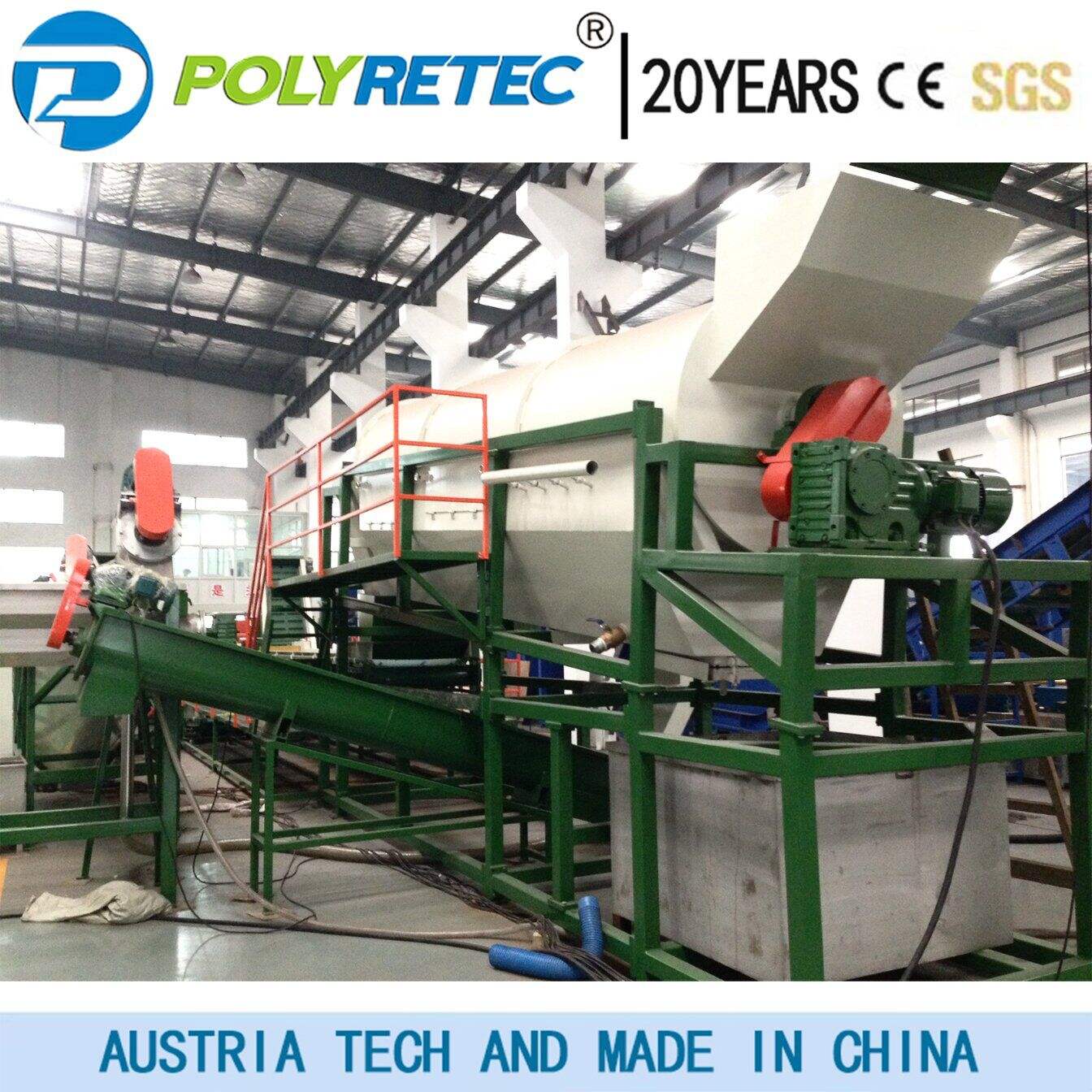
The demand for sustainable plastic processing solutions continues to surge across industries worldwide, driving manufacturers to seek efficient and reliable recycling technologies. A PET recycling machine represents a critical investment for companies looking to transform post-consumer plastic bottles and containers into high-quality recycled materials. Modern recycling facilities require sophisticated equipment that can handle large volumes while maintaining consistent output quality and operational efficiency. The selection and optimization of the right recycling system directly impacts profitability, environmental compliance, and long-term business sustainability in today's competitive market landscape.
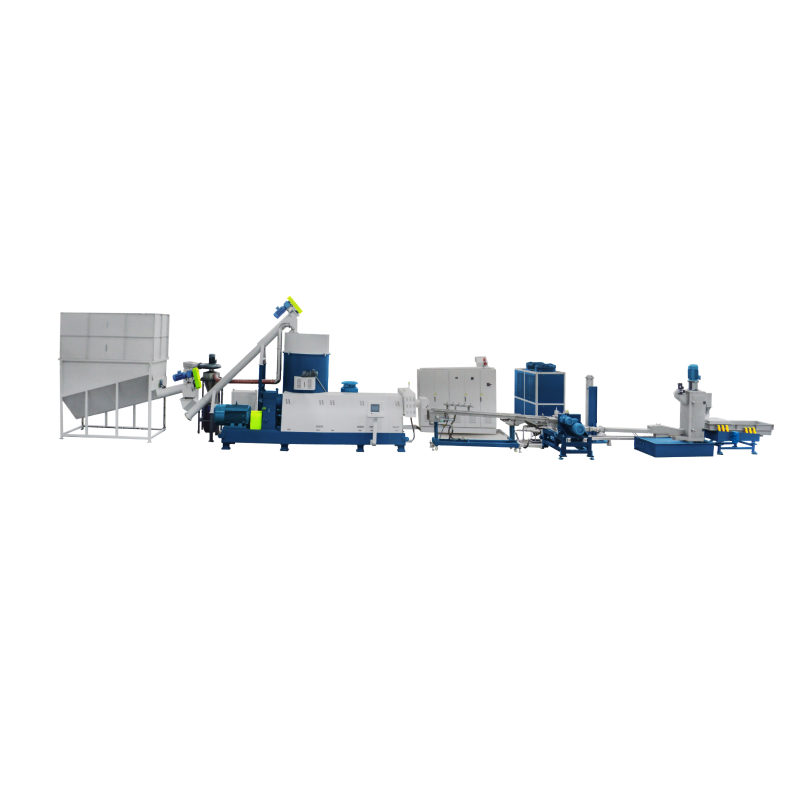
Understanding Advanced PET Recycling Technology
Core Components of Modern Recycling Systems
Advanced PET recycling machine systems integrate multiple processing stages to achieve optimal material recovery rates and product quality. The primary components include automated sorting mechanisms, washing systems, shredding units, and pelletizing equipment that work in synchronized operation. These integrated systems utilize sophisticated sensors and control algorithms to maintain consistent processing parameters throughout the entire recycling workflow. Temperature control, pressure regulation, and contamination detection systems ensure that the recycled PET flakes meet stringent quality specifications for various end-use applications.
The washing and cleaning subsystems within a PET recycling machine employ multi-stage processes to remove labels, adhesives, and contaminants from incoming plastic materials. Hot wash tanks, friction washers, and float-sink separation tanks work together to achieve cleanliness levels exceeding industry standards. Advanced filtration systems capture fine particles and residual contaminants, while water recycling loops minimize environmental impact and reduce operational costs. These comprehensive cleaning processes are essential for producing food-grade recycled PET suitable for bottle-to-bottle applications.
Automation and Process Control Features
State-of-the-art PET recycling machine installations incorporate sophisticated automation systems that optimize throughput while minimizing manual intervention requirements. Programmable logic controllers monitor critical process parameters such as temperature, pressure, flow rates, and material quality in real-time. Automated material handling systems transport processed materials between different processing stages, reducing labor costs and improving operational safety. These intelligent control systems can adjust processing parameters automatically based on incoming material characteristics and desired output specifications.
Quality monitoring systems integrated into modern recycling equipment provide continuous feedback on product characteristics and processing efficiency. Optical sorting technologies identify and remove contaminated materials, while inline testing equipment verifies that recycled PET meets specified quality standards. Data logging and reporting systems track production metrics, energy consumption, and maintenance requirements to support continuous improvement initiatives. This comprehensive monitoring approach enables operators to identify optimization opportunities and maintain consistent product quality across extended production runs.
Maximizing Processing Efficiency and Output Quality
Optimizing Feed Material Preparation
Effective preprocessing of incoming PET materials significantly impacts the overall performance and efficiency of any recycling operation. Proper sorting and cleaning of source materials before they enter the PET recycling machine reduces wear on processing equipment and improves final product quality. Implementing rigorous quality control procedures for incoming materials helps identify and remove problematic contaminants that could compromise processing efficiency or product specifications. Strategic partnerships with waste collection providers can ensure consistent access to high-quality feedstock materials.
Material handling and storage systems should be designed to maintain consistent feed rates and minimize contamination during preprocessing stages. Proper inventory management ensures adequate material supply while preventing degradation of stored materials due to environmental exposure. Automated conveying systems can maintain steady material flow to processing equipment, eliminating bottlenecks that reduce overall system throughput. Regular inspection and cleaning of storage areas prevents cross-contamination and ensures that processed materials meet quality specifications consistently.
Process Parameter Optimization Strategies
Systematic optimization of processing parameters can significantly improve the output capacity and energy efficiency of PET recycling machine operations. Temperature profiles throughout washing, melting, and pelletizing stages should be carefully calibrated based on incoming material characteristics and desired output specifications. Residence time adjustments in various processing zones can improve contamination removal while minimizing thermal degradation of the recycled polymer. Regular monitoring and adjustment of these critical parameters ensure optimal processing conditions are maintained consistently.
Flow rate optimization across different processing stages prevents bottlenecks and ensures balanced throughput throughout the entire recycling system. Proper coordination between shredding, washing, and drying processes maintains steady material flow while maximizing processing efficiency. Energy consumption monitoring helps identify opportunities for reducing operational costs while maintaining or improving output quality. Implementation of energy recovery systems can capture waste heat from processing operations to reduce overall energy requirements and improve system economics.
Maintenance and Performance Enhancement
Preventive Maintenance Programs
Comprehensive preventive maintenance programs are essential for maintaining peak performance and extending the operational lifespan of PET recycling machine equipment. Regular inspection schedules should cover all critical components including motors, bearings, cutting blades, and heating elements to identify potential issues before they impact production. Systematic replacement of wear components based on operating hours or processed material volume prevents unexpected failures and maintains consistent processing quality. Documentation of maintenance activities provides valuable data for optimizing maintenance intervals and reducing overall lifecycle costs.
Lubrication programs tailored to specific operating conditions ensure optimal performance of mechanical components while minimizing wear and energy consumption. Regular calibration of sensors and control systems maintains accuracy of process monitoring and control functions throughout extended production campaigns. Spare parts inventory management ensures that critical components are available when needed while minimizing carrying costs for slow-moving items. Training programs for maintenance personnel ensure that all service activities are performed correctly and safely according to manufacturer specifications.
Performance Monitoring and Continuous Improvement
Systematic performance monitoring provides the data necessary to identify optimization opportunities and maintain competitive operational efficiency in PET recycling machine applications. Key performance indicators should include throughput rates, energy consumption per ton of processed material, product quality metrics, and equipment availability percentages. Trend analysis of these metrics over time helps identify gradual performance degradation and guides maintenance planning decisions. Benchmarking against industry standards and best practices provides context for evaluating current performance levels.
Regular process audits conducted by experienced technical personnel can identify specific areas for improvement in recycling operations. These assessments should evaluate material handling procedures, processing parameter settings, quality control protocols, and maintenance practices. Implementation of continuous improvement methodologies such as lean manufacturing principles can help eliminate waste and improve overall system efficiency. Employee training programs ensure that all operators understand best practices for maximizing equipment performance and product quality.
Economic and Environmental Benefits
Return on Investment Considerations
Investment in advanced PET recycling machine technology typically generates attractive returns through multiple value streams including material sales revenue, waste disposal cost savings, and potential carbon credit opportunities. The growing demand for recycled PET in packaging applications, particularly food-grade materials, supports stable pricing for high-quality recycled products. Operational cost reductions achieved through improved energy efficiency, reduced labor requirements, and lower maintenance costs contribute significantly to overall project economics. Government incentives and regulatory requirements for recycled content in packaging applications further enhance the financial attractiveness of recycling investments.
Market analysis should consider long-term trends in virgin plastic pricing, recycled material demand, and regulatory developments that impact recycling economics. Strategic partnerships with end-users of recycled materials can provide stable sales channels and premium pricing for consistent quality products. Financing options including equipment leasing, government grants, and green bonds can improve project cash flows and reduce capital requirements. Comprehensive financial modeling should account for all relevant costs and revenue streams over the expected equipment lifespan to support informed investment decisions.
Environmental Impact and Sustainability
Modern PET recycling machine systems deliver substantial environmental benefits through reduced virgin plastic consumption, decreased landfill waste, and lower carbon emissions compared to traditional waste disposal methods. Lifecycle assessments demonstrate that recycling operations typically consume 60-70% less energy than virgin PET production while reducing greenhouse gas emissions by similar percentages. Water consumption and wastewater generation are minimized through closed-loop processing systems and advanced treatment technologies. These environmental benefits support corporate sustainability goals and enhance brand reputation among environmentally conscious consumers.
Integration with renewable energy systems can further reduce the environmental footprint of recycling operations while providing long-term cost stability. Solar installations, wind power, or biogas systems can supply clean energy for processing operations while reducing dependence on grid electricity. Waste heat recovery systems capture thermal energy from processing operations for space heating or other facility requirements. Implementation of circular economy principles throughout the recycling operation maximizes resource utilization while minimizing waste generation and environmental impact.
FAQ
What factors determine the optimal capacity for a PET recycling machine installation?
The optimal capacity depends on several key factors including available feedstock volume, local market demand for recycled materials, available facility space, and capital investment constraints. Conducting a thorough market analysis to understand both supply and demand dynamics in your region is essential for sizing decisions. Additionally, consider future growth projections and the ability to expand processing capacity as business develops. Energy costs, labor availability, and transportation logistics also influence the economically optimal scale for recycling operations.
How does contamination in feedstock materials affect processing efficiency and output quality?
Contamination significantly impacts both processing efficiency and final product quality in PET recycling machine operations. Common contaminants include paper labels, metal caps, adhesive residues, and other plastic types that can damage equipment or compromise product specifications. Higher contamination levels require more intensive cleaning processes, increasing energy consumption and processing time while potentially reducing overall throughput. Implementing rigorous feedstock quality standards and supplier agreements helps minimize contamination issues and maintain consistent processing performance.
What are the key differences between chemical and mechanical PET recycling processes?
Mechanical recycling physically processes PET materials through shredding, washing, melting, and pelletizing to produce recycled flakes or pellets suitable for various applications. This approach is generally more cost-effective and energy-efficient but may have limitations in removing certain contaminants or achieving food-grade quality. Chemical recycling breaks down PET into its molecular components, allowing for more complete purification and the production of virgin-quality materials. While chemical processes can handle more contaminated feedstock, they typically require higher capital investment and energy consumption.
How can operators ensure consistent product quality from PET recycling machine systems?
Consistent product quality requires systematic control of all processing variables including temperature profiles, residence times, contamination levels, and moisture content throughout the recycling process. Implementation of comprehensive quality control testing at multiple stages helps identify and correct quality issues before they affect final products. Regular calibration of processing equipment and monitoring systems ensures accurate control of critical parameters. Establishing detailed standard operating procedures and providing thorough operator training helps maintain consistency across different shifts and production campaigns.
Table of Contents
- Understanding Advanced PET Recycling Technology
- Maximizing Processing Efficiency and Output Quality
- Maintenance and Performance Enhancement
- Economic and Environmental Benefits
-
FAQ
- What factors determine the optimal capacity for a PET recycling machine installation?
- How does contamination in feedstock materials affect processing efficiency and output quality?
- What are the key differences between chemical and mechanical PET recycling processes?
- How can operators ensure consistent product quality from PET recycling machine systems?