
 EN
EN



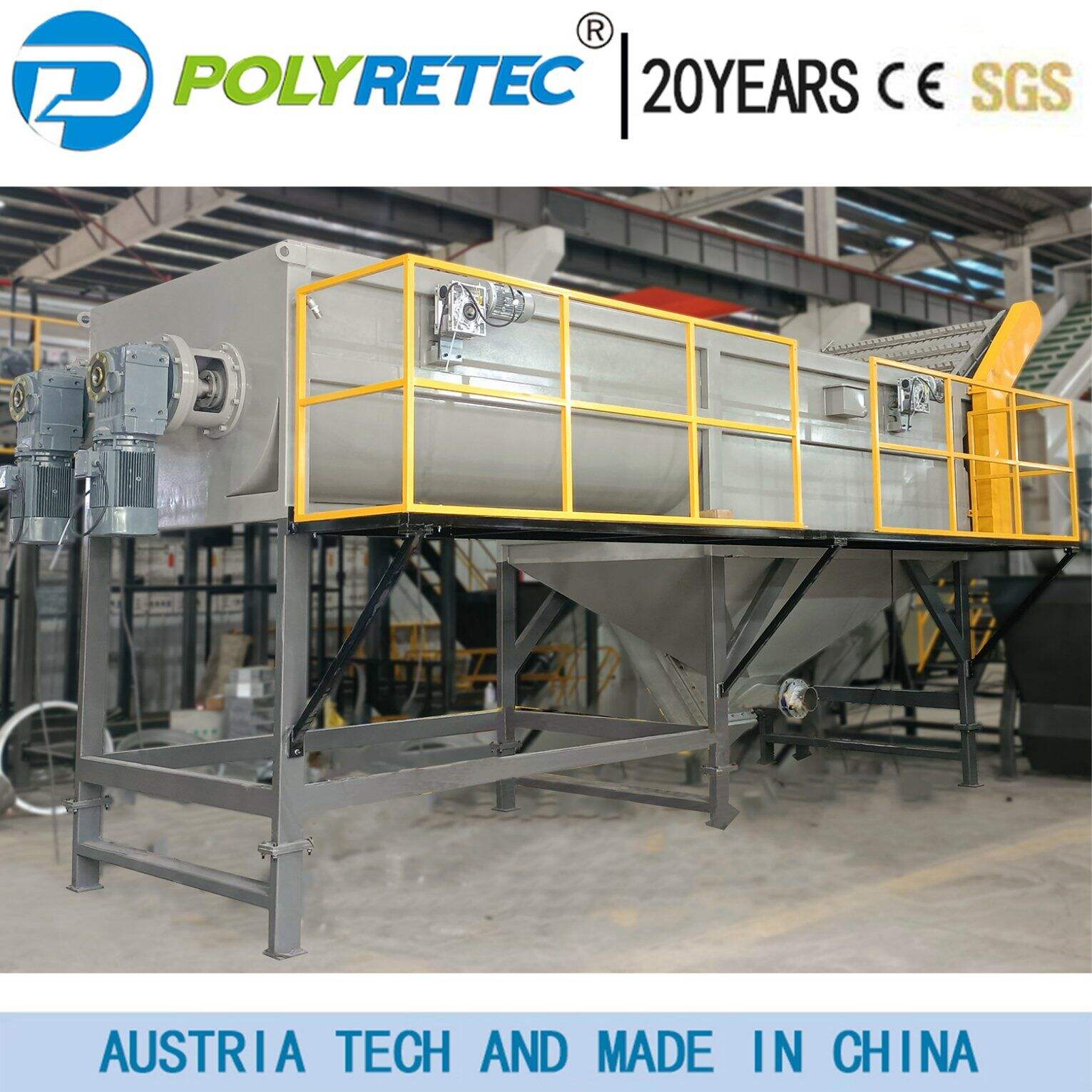
विभिन्न उद्योगों में विनिर्माण सुविधाएँ ऑपरेशनल लागत को कम करने के साथ-साथ पर्यावरणीय अनुपालन मानकों को बनाए रखने के लिए बढ़ते दबाव का सामना कर रही हैं। कंपनियाँ इन दोनों उद्देश्यों को प्राप्त करने के लिए प्लास्टिक सामग्री के लिए प्रभावी अपशिष्ट प्रबंधन समाधानों को लागू करने जैसे एक महत्वपूर्ण क्षेत्र में कार्य कर सकती हैं। प्लास्टिक पुनर्चक्रण कर्षण मशीन (श्रेडर) एक रणनीतिक निवेश का प्रतिनिधित्व करती है, जो एक समय के लिए महंगे अपशिष्ट निपटान के रूप में मानी जाने वाली सामग्री को आय अर्जित करने के अवसर में बदल देती है। ये औद्योगिक मशीनें प्लास्टिक के अपशिष्ट को पुनः उपयोग में लाए जा सकने वाले टुकड़ों में तोड़ देती हैं, जिससे निर्माताओं को सामग्री का आंतरिक रूप से पुनर्चक्रण करने और कच्चे प्लास्टिक की खरीद पर निर्भरता कम करने की अनुमति मिलती है।
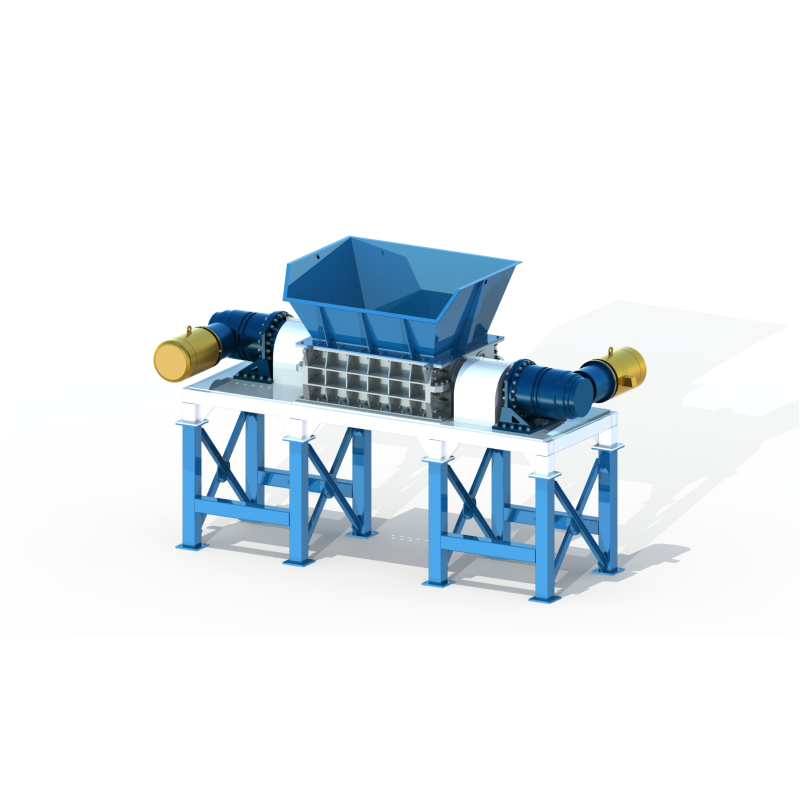
प्लास्टिक कचरा प्रसंस्करण उपकरणों को शामिल करने के आर्थिक लाभ केवल निपटान लागत में कमी तक सीमित नहीं हैं। औद्योगिक कुचलन प्रणालियों का उपयोग करने वाली कंपनियाँ अक्सर यह पाती हैं कि प्रसंस्कृत प्लास्टिक सामग्री को द्वितीयक बाजारों में बेचा जा सकता है या इसे अपने उत्पादन चक्रों में पुनः एकीकृत किया जा सकता है। यह दोहरा लाभ विनिर्माण संचालन के भीतर एक परिपत्र अर्थव्यवस्था मॉडल का निर्माण करता है, जहाँ कचरा एक मूल्यवान संसाधन बन जाता है, न कि एक व्यय दायित्व।
प्लास्टिक कचरा प्रबंधन के वित्तीय प्रभावों को समझने के लिए वर्तमान निपटान लागतों, पुनर्चक्रित सामग्री से संभावित राजस्व धाराओं और एकीकृत पुनर्चक्रण प्रणालियों के माध्यम से प्राप्त की गई संचालन दक्षता में वृद्धि का विश्लेषण करना आवश्यक है। आधुनिक विनिर्माण सुविधाएँ प्रतिदिन पैकेजिंग सामग्री से लेकर उत्पादन के अवशेषों और दोषपूर्ण उत्पाद तक प्लास्टिक कचरे के महत्वपूर्ण मात्रा में उत्पादन करती हैं। उचित प्रसंस्करण उपकरणों के बिना, इन सामग्रियों के लिए आमतौर पर महंगी तृतीय-पक्ष निपटान सेवाओं या लैंडफिल शुल्कों की आवश्यकता होती है।
प्लास्टिक के कचरे के संसाधन प्रणालियों का आर्थिक प्रभाव
आंतरिक संसाधन के माध्यम से प्रत्यक्ष लागत में कमी
प्लास्टिक रीसाइक्लिंग श्रेडर प्रणालियों को अपनाने वाली विनिर्माण कंपनियाँ आमतौर पर कचरा निपटान की लागत में तुरंत कमी का अनुभव करती हैं। पारंपरिक कचरा प्रबंधन अनुबंध अक्सर सुविधाओं से निकाले गए प्रति टन या घन गज सामग्री के लिए शुल्क लगाते हैं। प्लास्टिक कचरे के आंतरिक संसाधन द्वारा, कंपनियाँ इन बार-बार होने वाले शुल्कों को समाप्त कर देती हैं, जबकि एक साथ ही उन सामग्रियों से मूल्य भी उत्पन्न करती हैं, जो पहले केवल लागत केंद्रों का प्रतिनिधित्व करती थीं। श्रेडिंग उपकरणों में प्रारंभिक पूंजी निवेश को आमतौर पर केवल निपटान लागत में बचत के माध्यम से अठारह से छत्तीस महीने के भीतर वसूल किया जा सकता है।
बड़ी मात्रा में प्लास्टिक के कचरे को संसाधित करने वाली औद्योगिक सुविधाएँ और भी अधिक उल्लेखनीय लागत कमी प्राप्त कर सकती हैं। एकल प्लास्टिक रीसाइक्लिंग श्रेडर मशीन के विनिर्देशों और सामग्री के प्रकारों के आधार पर प्रतिदिन कई टन सामग्री का संसाधन कर सकती है। यह संसाधन क्षमता सीधे अपशिष्ट निपटान अनुबंधों पर समानुपातिक बचत के रूप में अनुवादित होती है। कई उत्पादन लाइनों या सुविधाओं वाली कंपनियाँ अक्सर यह पाती हैं कि केंद्रीकृत श्रेडिंग ऑपरेशन आर्थिक दृष्टि से अधिक कुशल बनाने के लिए पैमाने के अर्थव्यवस्था (इकोनॉमीज़ ऑफ़ स्केल) का निर्माण करते हैं।
संसाधित सामग्रियों से राजस्व उत्पादन
लागत समाप्ति के अतिरिक्त, प्रसंस्कृत प्लास्टिक सामग्री विनिर्माण कंपनियों के लिए नए राजस्व अवसर पैदा करती है। कृत्रिम रूप से काटी गई प्लास्टिक की छोटी-छोटी चिप्स (फ्लेक्स) की बाज़ार कीमतें सामग्री के प्रकार, शुद्धता स्तर और स्थानीय मांग की स्थितियों के आधार पर भिन्न होती हैं। उच्च-गुणवत्ता वाले प्लास्टिक, जैसे PET बोतलें या HDPE कंटेनर, आमतौर पर मिश्रित प्लास्टिक धाराओं की तुलना में अधिक राजस्व उत्पन्न करते हैं। कंपनियाँ जो काटने की प्रक्रिया के दौरान गुणवत्ता नियंत्रण उपायों को लागू करती हैं, वे ऐसी सामग्री तैयार कर सकती हैं जो विनिर्माण अनुप्रयोगों के लिए निर्दिष्ट आवश्यकताओं को पूरा करती है।
पुनर्चक्रित प्लास्टिक सामग्री से प्राप्त होने वाले राजस्व की क्षमता लगातार बढ़ रही है, क्योंकि उद्योग टिकाऊ विनिर्माण प्रथाओं को अपनाने के लिए अधिकाधिक तत्पर हो रहे हैं। ऑटोमोबाइल निर्माता, पैकेजिंग कंपनियाँ और उपभोक्ता वस्तु उत्पादक कंपनियाँ पर्यावरणीय प्रतिबद्धताओं और विनियामक आवश्यकताओं को पूरा करने के लिए सक्रिय रूप से पुनर्चक्रित प्लास्टिक के घटकों की खोज कर रही हैं। यह मांग कंपनियों के लिए स्थिर बाज़ार परिस्थितियाँ पैदा करती है, जो समर्पित काटने की प्रक्रियाओं के माध्यम से सुसंगत मात्रा में प्रसंस्कृत प्लास्टिक सामग्री का उत्पादन करती हैं।
संचालन दक्षता और उत्पादन एकीकरण
एकीकृत प्रणालियों के माध्यम से कार्यप्रवाह अनुकूलन
मौजूदा उत्पादन कार्यप्रवाह में एक प्लास्टिक पुनर्चक्रण श्रेडर को एकीकृत करने से व्यर्थ प्रसंस्करण से परे की संचालन दक्षताएँ उत्पन्न होती हैं। निर्माण सुविधाएँ श्रेडिंग कार्यों को कम उत्पादन वाली अवधि के दौरान निर्धारित कर सकती हैं, जिससे उपकरण उपयोग को अधिकतम किया जा सके और उत्पादन कार्यक्रमों को बनाए रखा जा सके। यह एकीकरण अस्थायी व्यर्थ भंडारण क्षेत्रों की आवश्यकता को कम करता है और व्यर्थ निपटान ट्रक यातायात के कारण सुविधा में होने वाले व्यवधानों को न्यूनतम करता है।
आधुनिक काटने की प्रणालियों में स्वचालित फीडिंग तंत्र और कार्यक्रमित नियंत्रण होते हैं, जो संचालन के दौरान श्रम आवश्यकताओं को न्यूनतम करते हैं। कर्मचारी भारदार बिनों (हॉपर्स) में सामग्री लोड कर सकते हैं और निरंतर निगरानी के बिना प्रसंस्करण चक्र शुरू कर सकते हैं। यह स्वचालन कंपनियों को उच्च-मूल्य वाली उत्पादन गतिविधियों के लिए श्रम संसाधनों को पुनः आवंटित करने की अनुमति देता है, जबकि कुशल कचरा प्रसंस्करण क्षमताओं को बनाए रखा जाता है। परिणामस्वरूप सुविधा की कुल उत्पादकता में सुधार होता है और कचरा प्रबंधन लागत में कमी आती है।
गुणवत्ता नियंत्रण और सामग्री विनिर्देश
प्रभावी प्लास्टिक कचरा प्रसंस्करण के लिए बाजार के विनिर्देशों या आंतरिक पुनः उपयोग की आवश्यकताओं को पूरा करने वाली सुसंगत आउटपुट गुणवत्ता को बनाए रखना आवश्यक है। औद्योगिक प्लास्टिक पुनर्चक्रण काटने वाली प्रणालियों में समायोज्य कटिंग तंत्र शामिल होते हैं, जो विभिन्न अनुप्रयोगों के लिए उपयुक्त एकरूप कण आकार उत्पन्न करते हैं। कंपनियाँ अपने ग्राहकों या आंतरिक उत्पादन प्रक्रियाओं द्वारा आवश्यक विशिष्ट फ्लेक आयामों के उत्पादन के लिए मशीनों को कॉन्फ़िगर कर सकती हैं।
कुचलने की प्रक्रिया के दौरान गुणवत्ता नियंत्रण उपायों में संदूषण हटाना, सामग्री का छंटाई करना और कण आकार की पुष्टि शामिल है। ये कदम सुनिश्चित करते हैं कि संसाधित सामग्री उद्योग के मानकों को पूरा करती है और द्वितीयक बाजारों में प्रीमियम मूल्य प्राप्त करती है। वे सुविधाएँ जो व्यापक गुणवत्ता नियंत्रण प्रणालियों को लागू करती हैं, अक्सर अपनी पुनर्चक्रित सामग्रियों से उच्च राजस्व प्राप्त करती हैं, जबकि स्थिर उत्पाद विशिष्टताओं पर आधारित दीर्घकालिक ग्राहक संबंधों का निर्माण करती हैं।
उपकरण चयन और निवेश विचार
क्षमता योजना एवं मशीन विशिष्टताएँ
उपयुक्त प्लास्टिक पुनर्चक्रण कुचलने वाले उपकरण का चयन करते समय वर्तमान अपशिष्ट मात्राओं और भविष्य में वृद्धि के पैटर्न का सावधानीपूर्ण विश्लेषण करना आवश्यक है। छोटे आकार के उपकरण प्रसंस्करण के बाधाएँ उत्पन्न करते हैं, जिससे लागत कम करने की क्षमता सीमित हो जाती है, जबकि बहुत बड़े आकार के मशीनें अनावश्यक पूंजी व्यय का प्रतिनिधित्व करती हैं। कंपनियों को अपनी दैनिक, साप्ताहिक और मौसमी अपशिष्ट उत्पादन पैटर्न का मूल्यांकन करके इष्टतम मशीन क्षमता आवश्यकताओं का निर्धारण करना चाहिए।
मशीन के विनिर्देश, मूल क्षमता के अतिरिक्त, बिजली आवश्यकताओं, रखरखाव की आवश्यकताओं और मौजूदा सुविधा अवसंरचना के साथ अनुकूलता को शामिल करते हैं। कुछ प्लास्टिक रीसाइक्लिंग श्रेडर मॉडलों को विशिष्ट विद्युत कनेक्शन या वेंटिलेशन प्रणालियों की आवश्यकता होती है, जो स्थापना लागत में वृद्धि करती हैं। चयन प्रक्रिया के दौरान इन आवश्यकताओं का मूल्यांकन अप्रत्याशित व्ययों को रोकता है और सुचारू कार्यान्वयन के समय-सीमा को सुनिश्चित करता है।
निवेश पर लाभांश विश्लेषण
वित्तीय विश्लेषण प्लास्टिक रीसाइकलिंग श्रेडर निवेश का वित्तीय विश्लेषण प्रारंभिक क्रय मूल्यों के अतिरिक्त कई लागत और राजस्व कारकों को शामिल करना चाहिए। संचालन लागत में बिजली खपत, रखरखाव व्यय, प्रतिस्थापन भागों की लागत और श्रम आवश्यकताएँ शामिल हैं। राजस्व के अनुमान में निपटान लागत में बचत, पुनर्चक्रित सामग्री की बिक्री और पर्यावरणीय सुधारों के लिए संभावित कर छूट को ध्यान में रखा जाना चाहिए।
वापसी अवधि की गणना आमतौर पर अधिकांश औद्योगिक अनुप्रयोगों के लिए दो से चार वर्षों के भीतर सकारात्मक रिटर्न दिखाती है। उच्च मात्रा में मूल्यवान प्लास्टिक सामग्री का संसाधन करने वाली कंपनियाँ अक्सर छोटी वापसी अवधि प्राप्त करती हैं, जबकि कम अपशिष्ट मात्रा वाली सुविधाओं को लंबे समय की आवश्यकता हो सकती है। मुख्य कारक वास्तविक संसाधन आवश्यकताओं के साथ उपकरण क्षमताओं को सुमेलित करना है ताकि वित्तीय रिटर्न को अधिकतम किया जा सके।
पर्यावरणीय अनुपालन और स्थिरता लाभ
नियमितता की अनुपालन फायदे
पर्यावरणीय विनियमन बढ़ती तेजी से कंपनियों से अपशिष्ट कमी के प्रयासों और सतत विनिर्माण प्रथाओं को प्रदर्शित करने की आवश्यकता रखते हैं। प्लास्टिक पुनर्चक्रण श्रेडर प्रणालियों को लागू करने से पर्यावरण संरक्षण के दस्तावेज़ी साक्ष्य प्राप्त होते हैं, जो विनियामक आवश्यकताओं को पूरा करते हैं और संभावित रूप से प्रोत्साहन कार्यक्रमों के लिए पात्रता प्रदान करते हैं। कई अधिकार क्षेत्र अपशिष्ट कमी उपकरणों में निवेश करने वाली कंपनियों के लिए कर क्रेडिट या कम शुल्क प्रदान करते हैं।
जब कंपनियाँ अपशिष्ट सामग्री का संसाधन तृतीय-पक्ष निपटान सेवाओं पर निर्भर हुए बिना आंतरिक रूप से करती हैं, तो अनुपालन प्रलेखन सरल हो जाता है। आंतरिक संसाधन से स्पष्ट ऑडिट ट्रेल बनते हैं, जो सामग्री के आयतन, संसाधन विधियों और पुनर्चक्रित सामग्री के अंतिम निपटान को दर्शाते हैं। यह प्रलेखन पर्यावरणीय निरीक्षणों और सतत विकास रिपोर्टिंग आवश्यकताओं के दौरान मूल्यवान साबित होता है।
कॉर्पोरेट सतत विकास के लक्ष्य
आधुनिक कॉर्पोरेशनों के सामने ग्राहकों, निवेशकों और हितधारकों की ओर से पर्यावरणीय जिम्मेदारी को मापने योग्य सतत विकास पहलों के माध्यम से प्रदर्शित करने का बढ़ता दबाव है। प्लास्टिक अपशिष्ट संसाधन उपकरण पर्यावरणीय प्रतिबद्धता का स्पष्ट प्रमाण प्रदान करते हैं, साथ ही सकारात्मक प्रचार और विपणन अवसर भी उत्पन्न करते हैं। कंपनियाँ अपने अपशिष्ट कमी की उपलब्धियों को माप सकती हैं और इन मेट्रिक्स को सतत विकास रिपोर्टों और विपणन सामग्रियों में शामिल कर सकती हैं।
प्लास्टिक पुनर्चक्रण के लिए श्रेडर प्रणालियों के वृत्ताकार अर्थव्यवस्था के लाभ कॉर्पोरेट सततता के उद्देश्यों के अनुरूप हैं, जबकि पर्यावरण-सचेत बाजारों में प्रतिस्पर्धात्मक लाभ भी प्रदान करते हैं। व्यापक पुनर्चक्रण कार्यक्रमों को लागू करने वाली कंपनियाँ अक्सर उन ग्राहकों के साथ नए व्यावसायिक अवसरों की खोज करती हैं, जो पर्यावरणीय रूप से जिम्मेदार आपूर्तिकर्ताओं के साथ काम करने को प्राथमिकता देते हैं।
लागू करने की रणनीतियाँ और बेहतरीन अभ्यास
सुविधा एकीकरण योजना
प्लास्टिक पुनर्चक्रण श्रेडर के सफल कार्यान्वयन के लिए सुविधा की व्यवस्था, कार्यप्रवाह एकीकरण और कर्मचारी प्रशिक्षण आवश्यकताओं को संबोधित करने वाली व्यापक योजना आवश्यक है। कंपनियों को कचरा संग्रह, प्रसंस्करण और काटे गए सामग्री के भंडारण के लिए विशिष्ट क्षेत्रों को निर्धारित करना चाहिए। उचित वेंटिलेशन और शोर नियंत्रण उपाय कार्यस्थल सुरक्षा विनियमों के अनुपालन सुनिश्चित करते हैं, साथ ही सुखद कार्य परिस्थितियों को भी बनाए रखते हैं।
कर्मचारी प्रशिक्षण कार्यक्रमों में उपकरण संचालन, सुरक्षा प्रक्रियाएँ, गुणवत्ता नियंत्रण उपाय और त्रुटि निवारण तकनीकों को शामिल करना चाहिए। अच्छी तरह से प्रशिक्षित ऑपरेटर उपकरणों की दक्षता को अधिकतम करते हैं, जबकि सुरक्षा जोखिमों और रखरखाव लागत को न्यूनतम करते हैं। नियमित प्रशिक्षण अद्यतन सुनिश्चित करते हैं कि कर्मचारी श्रेष्ठ प्रथाओं और उपकरण संशोधनों के साथ वर्तमान में बने रहें।
रखरखाव और प्रदर्शन अनुकूलन
रोकथामात्मक रखरखाव कार्यक्रम प्लास्टिक पुनर्चक्रण श्रेडर के प्रदर्शन को अधिकतम करते हैं, जबकि अप्रत्याशित अवरोध और मरम्मत लागत को न्यूनतम करते हैं। नियमित रखरखाव कार्यक्रमों में ब्लेड को तेज करना, बेयरिंग को चिकनाई देना, विद्युत कनेक्शन का निरीक्षण करना और सुरक्षा प्रणाली की पुष्टि करना शामिल होना चाहिए। व्यापक रखरखाव कार्यक्रमों को लागू करने वाली कंपनियाँ आमतौर पर उपकरणों के लंबे जीवनकाल और कम कुल संचालन लागत प्राप्त करती हैं।
प्रदर्शन निगरानी प्रणालियाँ संसाधन की मात्रा, ऊर्जा खपत और आउटपुट गुणवत्ता के मापदंडों को ट्रैक करती हैं, जो अनुकूलन के अवसरों की पहचान करते हैं। डेटा विश्लेषण से पैटर्न सामने आते हैं, जो कंपनियों को अधिकतम दक्षता और लागत-प्रभावीता के लिए संचालन पैरामीटरों को समायोजित करने में सहायता करते हैं। यह जानकारी क्षमता योजना और उपकरण अपग्रेड के निर्णयों के लिए मूल्यवान सिद्ध होती है।
सामान्य प्रश्न
औद्योगिक कर्तन उपकरण द्वारा किन प्रकार के प्लास्टिक सामग्री को संसाधित किया जा सकता है?
औद्योगिक प्लास्टिक पुनर्चक्रण कर्तन प्रणालियाँ अधिकांश थर्मोप्लास्टिक सामग्रियों को संसाधित कर सकती हैं, जिनमें पीईटी बोतलें, एचडीपीई कंटेनर, पॉलीस्टाइरीन पैकेजिंग और विभिन्न फिल्म सामग्रियाँ शामिल हैं। मुख्य आवश्यकता यह है कि सामग्री धातु संदूषण और अत्यधिक आर्द्रता से मुक्त होनी चाहिए। मिश्रित प्लास्टिक धाराओं को संसाधन से पहले छांटने की आवश्यकता होती है, ताकि सुसंगत आउटपुट गुणवत्ता और अधिकतम बाज़ार मूल्य सुनिश्चित किया जा सके।
प्लास्टिक कचरा संसाधन संचालन के लिए कितना स्थान आवश्यक है?
स्थान की आवश्यकताएँ प्रसंस्करण मात्रा और उपकरण विशिष्टताओं पर निर्भर करती हैं, लेकिन अधिकांश औद्योगिक प्लास्टिक पुनर्चक्रण श्रेडर स्थापनाओं के लिए 500 से 2000 वर्ग फुट के बीच का क्षेत्रफल आवश्यक होता है। इसमें कच्चे माल के भंडारण के लिए क्षेत्र, प्रसंस्करण उपकरण, तैयार उत्पादों के भंडारण के लिए क्षेत्र, और कर्मचारियों के कार्य क्षेत्र शामिल हैं। सुविधाओं को ट्रक पहुँच और सामग्री हैंडलिंग उपकरणों की योजना भी बनानी चाहिए।
उपकरण स्थापना के बाद कंपनियाँ किन निरंतर लागतों की अपेक्षा कर सकती हैं?
निरंतर संचालन लागतों में विद्युत खपत, प्रतिस्थापन ब्लेड की लागत, नियमित रखरखाव और श्रम लागत शामिल हैं। अधिकांश कंपनियाँ पाती हैं कि संसाधित सामग्रियों से अर्जित आय का कुल संचालन लागत 15–25% होती है। नियमित रखरखाव और ऑपरेटर प्रशिक्षण अप्रत्याशित मरम्मत की लागत को कम करते हैं, जबकि उपकरण की उत्पादकता और दीर्घायु को अधिकतम करते हैं।
कंपनियाँ अपने पुनर्चक्रित प्लास्टिक उत्पादन में सुसंगत गुणवत्ता सुनिश्चित करने के लिए क्या करती हैं?
गुणवत्ता नियंत्रण उपायों में प्रसंस्करण से पहले सामग्री का निरीक्षण, दूषण अपवाह प्रणालियाँ, कण आकार की पुष्टि और अंतिम उत्पादों के नियमित परीक्षण शामिल हैं। व्यापक गुणवत्ता नियंत्रण कार्यक्रमों को लागू करने वाली कंपनियाँ अक्सर अपनी पुनर्चक्रित सामग्रियों के लिए प्रीमियम मूल्य प्राप्त करती हैं, जबकि दीर्घकालिक ग्राहक संबंध बनाए रखती हैं। सुसंगत गुणवत्ता के लिए उचित कर्मचारी प्रशिक्षण और स्थापित प्रसंस्करण प्रक्रियाओं का पालन करना आवश्यक है।
विषय सूची
- प्लास्टिक के कचरे के संसाधन प्रणालियों का आर्थिक प्रभाव
- संचालन दक्षता और उत्पादन एकीकरण
- उपकरण चयन और निवेश विचार
- पर्यावरणीय अनुपालन और स्थिरता लाभ
- लागू करने की रणनीतियाँ और बेहतरीन अभ्यास
-
सामान्य प्रश्न
- औद्योगिक कर्तन उपकरण द्वारा किन प्रकार के प्लास्टिक सामग्री को संसाधित किया जा सकता है?
- प्लास्टिक कचरा संसाधन संचालन के लिए कितना स्थान आवश्यक है?
- उपकरण स्थापना के बाद कंपनियाँ किन निरंतर लागतों की अपेक्षा कर सकती हैं?
- कंपनियाँ अपने पुनर्चक्रित प्लास्टिक उत्पादन में सुसंगत गुणवत्ता सुनिश्चित करने के लिए क्या करती हैं?