
 EN
EN



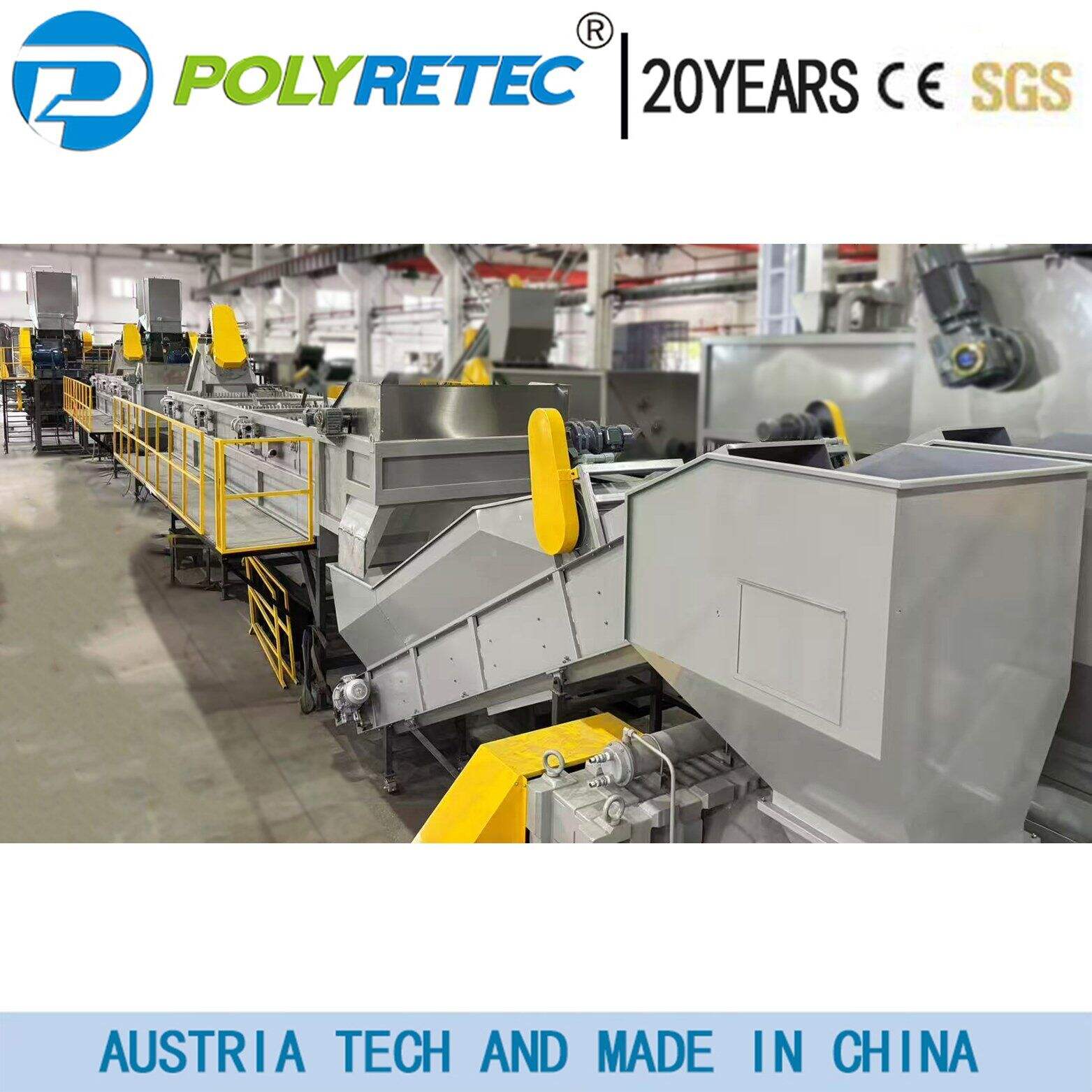
The plastic recycling industry is experiencing unprecedented transformation as environmental regulations tighten and consumer demand for sustainable packaging intensifies. Among the various plastic types being recycled, polyethylene terephthalate (PET) stands out as one of the most valuable materials in the circular economy. Modern PET recycling machine technology has evolved dramatically over the past decade, incorporating advanced automation, artificial intelligence, and enhanced processing capabilities that deliver superior output quality while reducing operational costs. These technological advancements are revolutionizing how recycling facilities approach PET bottle and container processing, enabling higher throughput rates and improved material purity that meets stringent food-grade standards.
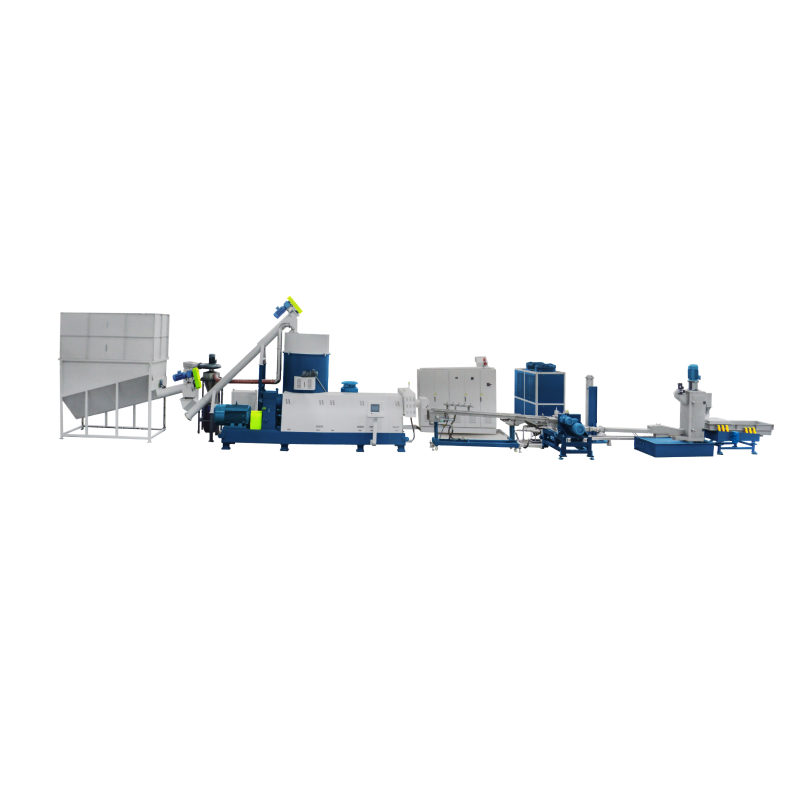
Industry leaders are investing heavily in next-generation recycling technologies that address the growing complexity of PET waste streams. Traditional recycling methods often struggled with contaminated materials, mixed polymer types, and varying bottle designs that complicated the sorting and processing stages. Today's innovative systems integrate sophisticated sensor technologies, machine learning algorithms, and precision mechanical engineering to overcome these historical challenges. The result is a new generation of PET recycling machine equipment that can handle diverse input materials while maintaining consistent output quality, making recycled PET increasingly competitive with virgin plastic materials in manufacturing applications.
Advanced Sorting Technologies Transforming PET Processing
Optical Sorting Revolution
Modern optical sorting systems represent perhaps the most significant advancement in PET recycling machine technology over recent years. These sophisticated systems utilize high-resolution cameras, near-infrared spectroscopy, and advanced imaging algorithms to identify and separate PET materials with unprecedented accuracy. Unlike traditional manual sorting methods that relied heavily on human labor and were prone to errors, optical sorting systems can process thousands of items per minute while achieving purity levels exceeding 99.5%. The technology distinguishes between different PET grades, identifies contamination sources, and removes non-PET materials that could compromise the final product quality.
The integration of artificial intelligence into optical sorting has enabled PET recycling machine operators to achieve remarkable improvements in material recovery rates. Machine learning algorithms continuously analyze sorting patterns, adapt to new material types, and optimize separation parameters in real-time. This adaptive capability means that recycling facilities can process increasingly complex waste streams without manual reconfiguration or extensive downtime. The technology also generates detailed analytics on contamination sources, material quality trends, and processing efficiency metrics that help operators optimize their entire recycling workflow.
Multi-Sensor Detection Systems
Contemporary PET recycling machine designs incorporate multiple sensing technologies working in concert to achieve superior material identification and separation. Combining optical sorting with X-ray transmission, induction sorting, and density separation creates a comprehensive detection matrix that can identify materials based on multiple physical and chemical properties. This multi-layered approach ensures that even challenging contaminants like aluminum caps, paper labels, and mixed plastics are effectively removed from the PET stream before processing begins.
The synergy between different sensor technologies has proven particularly valuable when processing post-consumer PET waste, which often contains complex contamination patterns that single-sensor systems struggle to address. Advanced PET recycling machine configurations can simultaneously evaluate material density, chemical composition, color properties, and geometric characteristics to make precise sorting decisions. This comprehensive analysis capability enables recycling facilities to accept broader ranges of input materials while maintaining strict output quality standards, ultimately improving the economic viability of PET recycling operations.
Chemical Recycling Breakthroughs
Depolymerization Technology
Chemical recycling represents a paradigm shift in how the industry approaches PET material recovery, moving beyond traditional mechanical processing to molecular-level regeneration. Advanced depolymerization technologies break down PET polymers into their constituent monomers, effectively returning the material to its original chemical building blocks. This approach enables PET recycling machine systems to process heavily contaminated materials, colored plastics, and multi-layer packaging that would be unsuitable for mechanical recycling methods.
The depolymerization process involves controlled heating and chemical treatment that cleaves the polymer chains while preserving the molecular integrity of the resulting monomers. Modern PET recycling machine implementations of this technology achieve remarkable efficiency levels, with some systems converting over 95% of input PET into high-quality monomers suitable for repolymerization. This circular approach effectively eliminates the quality degradation typically associated with multiple recycling cycles, enabling infinite recyclability of PET materials without performance compromise.
Enzymatic Processing Innovation
Biotechnology has introduced revolutionary enzymatic processing methods that offer environmentally friendly alternatives to traditional chemical recycling approaches. Engineered enzymes specifically designed to break down PET polymers operate under mild conditions, reducing energy consumption and eliminating the need for harsh chemicals typically required in conventional processing. These biological catalysts demonstrate remarkable selectivity, targeting PET materials while leaving other polymers and contaminants unaffected, which simplifies downstream separation processes.
The implementation of enzymatic processing in commercial PET recycling machine systems represents a significant breakthrough in sustainable recycling technology. These biological systems operate at near-ambient temperatures and pressures, dramatically reducing the energy footprint of recycling operations while maintaining high conversion rates. Recent advances in enzyme engineering have produced catalysts capable of processing PET materials in hours rather than days, making enzymatic recycling commercially viable for large-scale operations. The resulting monomers match virgin material quality standards, enabling direct substitution in new product manufacturing without performance compromises.
Automation and Smart Manufacturing Integration
Industry 4.0 Implementation
The integration of Industry 4.0 principles into PET recycling machine design has transformed recycling facilities into intelligent manufacturing environments. Internet-of-Things (IoT) sensors throughout the processing line continuously monitor temperature, pressure, flow rates, and material quality parameters, transmitting real-time data to centralized control systems. This comprehensive monitoring enables predictive maintenance scheduling, automatic process optimization, and immediate response to quality deviations, significantly improving overall operational efficiency.
Smart manufacturing capabilities allow PET recycling machine operators to implement sophisticated process control strategies that adapt automatically to varying input material characteristics. Machine learning algorithms analyze historical performance data, current operating conditions, and material quality metrics to optimize processing parameters continuously. This intelligent automation reduces the need for manual intervention, minimizes quality variations, and ensures consistent output specifications even when processing diverse waste streams.
Robotics and Automated Handling
Advanced robotics integration has revolutionized material handling throughout the PET recycling process, from initial sorting through final packaging stages. Robotic systems equipped with sophisticated vision systems and artificial intelligence can identify, grasp, and manipulate individual containers with remarkable precision and speed. These automated systems work continuously without fatigue, maintaining consistent sorting accuracy while processing thousands of items per hour.
The deployment of collaborative robots in PET recycling machine operations enables flexible automation that can adapt to changing production requirements and material types. These systems can be rapidly reconfigured for different sorting tasks, quality control operations, or packaging requirements without extensive reprogramming or mechanical modifications. The integration of robotics with advanced sensor systems creates highly responsive sorting environments that can handle complex material mixtures while maintaining strict quality standards throughout the recycling process.
Energy Efficiency and Sustainability Improvements
Heat Recovery Systems
Modern PET recycling machine designs incorporate sophisticated heat recovery systems that capture and reuse thermal energy throughout the processing cycle. These systems significantly reduce overall energy consumption by recovering waste heat from washing operations, thermal processing stages, and mechanical systems for reuse in preheating, drying, and facility heating applications. Advanced heat exchangers and thermal management systems enable energy recovery rates exceeding 70%, substantially reducing the carbon footprint of recycling operations.
The implementation of cascaded heat recovery systems allows PET recycling machine operators to optimize energy usage across multiple processing stages simultaneously. Waste heat from high-temperature operations provides energy for medium-temperature processes, which in turn supply thermal energy for low-temperature applications. This systematic approach to energy management creates highly efficient processing environments that minimize external energy requirements while maintaining optimal processing conditions throughout the recycling workflow.
Water Conservation Technologies
Water usage optimization has become a critical focus area for PET recycling machine manufacturers, driving innovation in closed-loop water systems and advanced filtration technologies. Modern recycling systems incorporate multi-stage water treatment processes that enable near-complete water recycling, reducing fresh water consumption by over 90% compared to traditional processing methods. These systems combine physical filtration, chemical treatment, and biological purification to maintain water quality standards while eliminating discharge requirements.
Advanced water management systems in contemporary PET recycling machine installations utilize real-time monitoring and automatic adjustment capabilities to optimize water usage throughout the processing cycle. Intelligent control systems monitor water quality parameters, adjust treatment processes automatically, and redirect water flows to maximize reuse opportunities. This comprehensive approach to water conservation not only reduces operational costs but also addresses increasingly strict environmental regulations governing industrial water usage and discharge.
Quality Control and Output Optimization
Real-Time Quality Monitoring
Contemporary PET recycling machine systems integrate sophisticated quality monitoring technologies that provide continuous assessment of output material properties throughout the production process. Advanced spectroscopic analysis, particle size monitoring, and contamination detection systems operate in real-time, enabling immediate process adjustments to maintain consistent quality specifications. These monitoring systems can detect quality deviations within seconds of occurrence, preventing the production of off-specification material and minimizing waste generation.
The implementation of comprehensive quality control systems enables PET recycling machine operators to produce materials that consistently meet or exceed food-grade specifications required for bottle-to-bottle recycling applications. Automated sampling systems, laboratory-grade analytical equipment, and statistical process control methodologies ensure that every batch of recycled PET meets stringent purity and performance requirements. This rigorous quality assurance approach has been instrumental in gaining acceptance for recycled PET in high-value applications previously reserved for virgin materials.
Molecular Weight Preservation
Protecting polymer molecular weight during recycling processes has emerged as a critical factor in maintaining material performance characteristics. Advanced PET recycling machine designs incorporate controlled atmosphere processing, optimized temperature profiles, and chemical stabilization systems that minimize molecular degradation during recycling. These protective measures enable recycled PET to retain mechanical properties comparable to virgin materials, expanding application possibilities and market acceptance.
Innovative processing techniques such as solid-state polymerization and chain extension chemistry allow PET recycling machine systems to actually restore molecular weight in degraded materials. These technologies enable the processing of lower-grade input materials while producing high-performance output suitable for demanding applications. The ability to upgrade material properties during recycling creates additional value streams and improves the overall economics of PET recycling operations.
Market Drivers and Economic Factors
Regulatory Compliance Requirements
Evolving environmental regulations worldwide are driving unprecedented investment in advanced PET recycling machine technology. Extended producer responsibility laws, plastic waste reduction mandates, and recycled content requirements are creating strong market incentives for improved recycling capabilities. These regulatory pressures have accelerated technology development timelines and increased demand for high-performance recycling systems capable of meeting stringent environmental and quality standards.
The implementation of carbon taxation and environmental impact assessments has made advanced PET recycling machine investments increasingly attractive from a financial perspective. Facilities equipped with energy-efficient, high-performance recycling systems can achieve significant cost advantages through reduced energy consumption, improved material recovery rates, and access to premium markets for high-quality recycled materials. These economic incentives are driving rapid adoption of innovative recycling technologies across the industry.
Supply Chain Integration
Modern PET recycling machine systems are being designed with enhanced integration capabilities that enable seamless connection to broader supply chain networks. Digital connectivity, automated quality reporting, and real-time inventory management systems allow recycling facilities to operate as integral components of circular economy networks. This integration capability improves supply chain transparency, enables predictive planning, and facilitates the development of long-term supply agreements between recyclers and manufacturers.
The development of blockchain-based traceability systems and digital material passports is creating new opportunities for PET recycling machine operators to demonstrate material provenance and quality history. These digital systems provide manufacturers with detailed information about recycled material characteristics, processing history, and quality verification data, enabling informed material selection decisions and supporting premium pricing for high-quality recycled products.
FAQ
What are the key performance improvements in modern PET recycling machines compared to older systems?
Modern PET recycling machine systems deliver substantial performance improvements including 40-60% higher throughput rates, 99.5% material purity levels compared to 95% in older systems, 70% reduction in energy consumption through heat recovery, and automated operation that reduces labor requirements by up to 80%. These systems also achieve superior material quality with molecular weight preservation and contamination removal capabilities that enable food-grade recycling applications.
How do advanced sorting technologies improve PET recycling efficiency?
Advanced sorting technologies in modern PET recycling machine systems utilize optical sensors, artificial intelligence, and multi-sensor detection to achieve unprecedented accuracy in material identification and separation. These systems can process thousands of items per minute while achieving purity levels exceeding 99.5%, significantly reducing manual labor requirements and improving material recovery rates. The integration of machine learning enables continuous optimization and adaptation to new material types without manual reconfiguration.
What role does chemical recycling play in PET recycling machine innovations?
Chemical recycling technologies, including depolymerization and enzymatic processing, represent breakthrough innovations that enable PET recycling machine systems to process previously unrecyclable materials. These technologies break down PET polymers to molecular level, eliminating quality degradation associated with mechanical recycling and enabling infinite recyclability. Chemical recycling can process contaminated materials, colored plastics, and multi-layer packaging while producing virgin-quality output materials.
How do Industry 4.0 technologies enhance PET recycling operations?
Industry 4.0 integration transforms PET recycling machine operations through IoT sensors, real-time monitoring, and intelligent automation systems that optimize processing parameters continuously. These technologies enable predictive maintenance, automatic quality control, and adaptive processing that responds to varying input materials. Smart manufacturing capabilities reduce manual intervention requirements, minimize quality variations, and ensure consistent output specifications while providing comprehensive operational analytics and performance optimization.
Table of Contents
- Advanced Sorting Technologies Transforming PET Processing
- Chemical Recycling Breakthroughs
- Automation and Smart Manufacturing Integration
- Energy Efficiency and Sustainability Improvements
- Quality Control and Output Optimization
- Market Drivers and Economic Factors
-
FAQ
- What are the key performance improvements in modern PET recycling machines compared to older systems?
- How do advanced sorting technologies improve PET recycling efficiency?
- What role does chemical recycling play in PET recycling machine innovations?
- How do Industry 4.0 technologies enhance PET recycling operations?