
 EN
EN



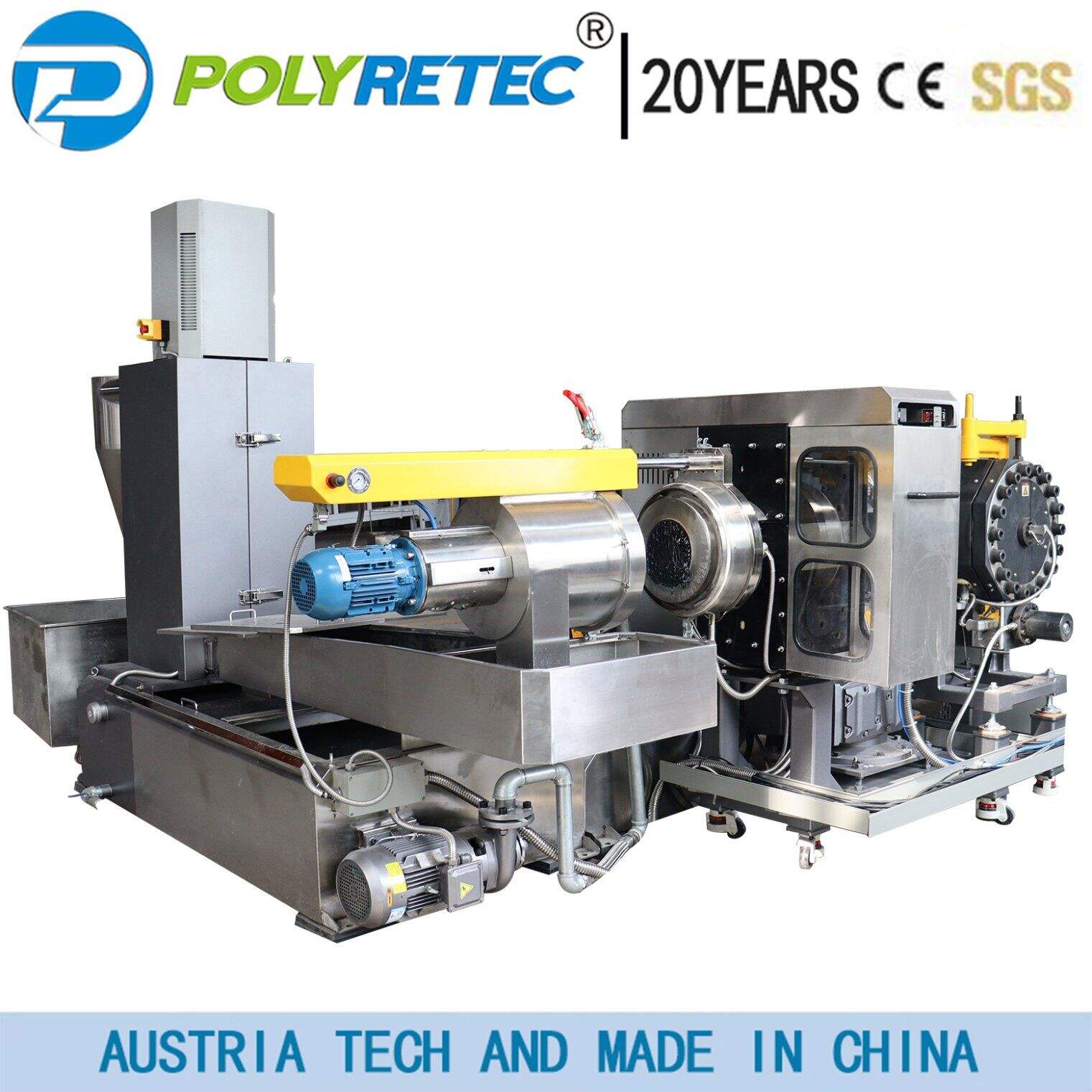
Industrial plastic shredders serve as the cornerstone of modern plastic recycling operations, transforming waste plastic materials into manageable fragments for subsequent processing. These powerful machines break down various plastic products, from packaging materials to automotive components, enabling efficient recovery and reprocessing of valuable plastic polymers. Understanding the specific role of industrial plastic shredders in recycling reveals their critical position within the circular economy framework and their contribution to sustainable waste management practices.
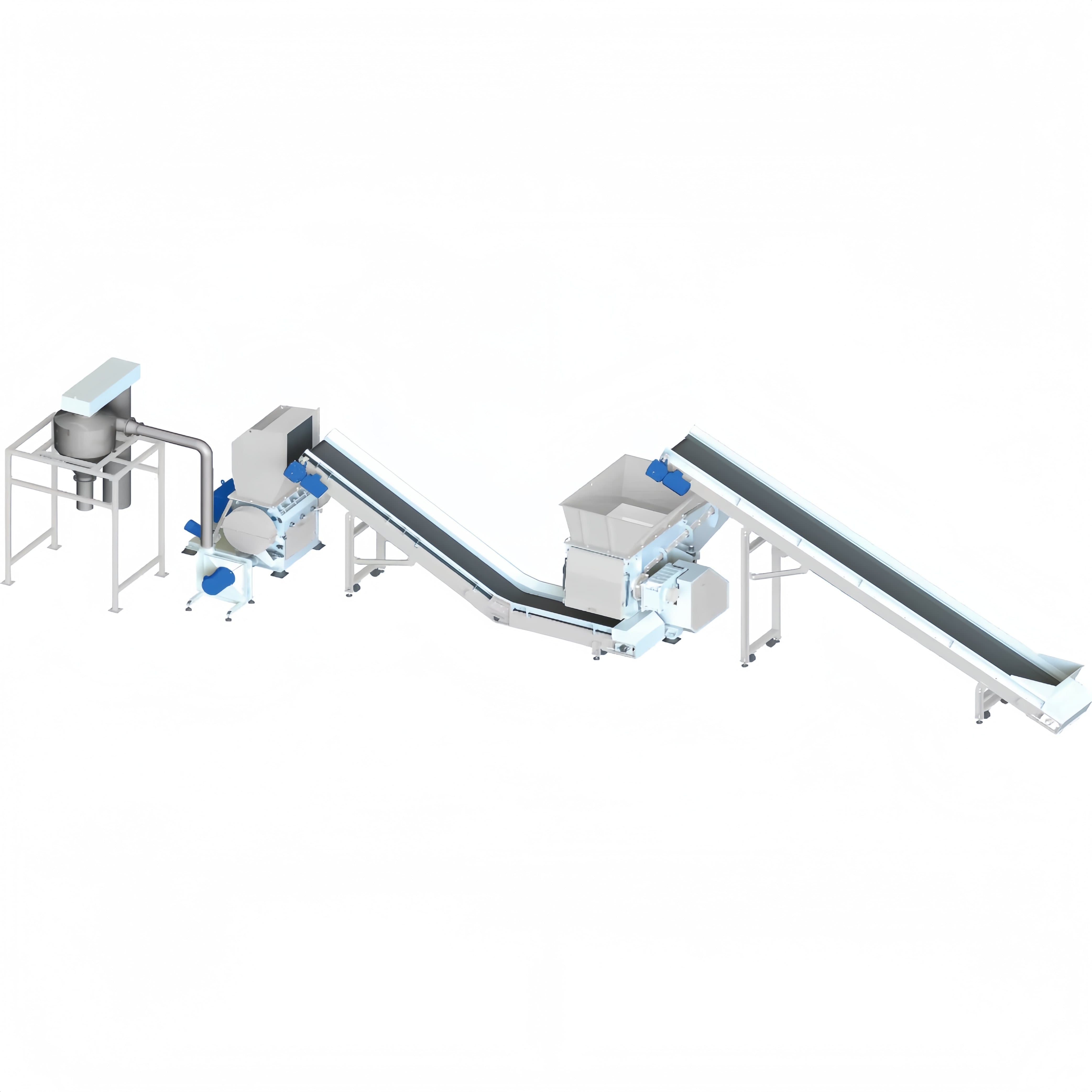
The integration of industrial plastic shredders within recycling facilities creates the foundation for successful material recovery operations. These machines address the fundamental challenge of plastic waste heterogeneity by reducing diverse plastic items into uniform particle sizes suitable for sorting, cleaning, and reprocessing. Their mechanical action enables recycling facilities to handle high volumes of plastic waste efficiently while maintaining the material integrity necessary for quality recycled products.
Primary Functions of Industrial Plastic Shredders in Recycling Operations
Size Reduction and Homogenization Process
Industrial plastic shredders perform the essential function of reducing large plastic items into smaller, manageable pieces through mechanical cutting action. This size reduction process transforms bulky plastic waste, such as containers, pipes, and packaging materials, into uniform flakes or chips typically measuring between 5 and 50 millimeters. The homogenization achieved through shredding creates consistent material flow for downstream processing equipment, eliminating bottlenecks that could occur with irregularly shaped plastic items.
The mechanical design of industrial plastic shredders ensures effective particle size control through interchangeable screens and cutting configurations. Different screen sizes allow operators to customize output particle dimensions based on specific recycling requirements or end-product specifications. This flexibility enables recycling facilities to process various plastic types while maintaining the precise size characteristics demanded by pelletizing equipment or direct reprocessing applications.
Material Preparation for Sorting Systems
Shredded plastic materials flow more effectively through automated sorting systems, including optical sorters, density separators, and magnetic separation equipment. Industrial plastic shredders create uniform particle sizes that enable consistent material presentation to sorting sensors and separation mechanisms. This standardization improves sorting accuracy and reduces contamination levels in separated plastic streams.
The preparation function extends beyond physical size reduction to include surface area expansion, which enhances the effectiveness of washing and cleaning operations. Shredded plastic particles expose greater surface area to cleaning solutions and mechanical washing action, facilitating more thorough removal of labels, adhesives, and contaminants that could compromise recycled material quality.
Integration Within Recycling Process Workflows
Pre-Processing Stage Configuration
Industrial plastic shredders typically operate as the primary processing step following initial waste sorting and inspection. This positioning allows for the immediate reduction of collected plastic materials before they proceed through subsequent cleaning, sorting, and purification stages. The pre-processing configuration ensures that downstream equipment receives appropriately sized material inputs, optimizing overall system efficiency and throughput rates.
Modern recycling facilities integrate industrial plastic shredders with conveyor systems and automated feeding mechanisms to create continuous material flow. This integration reduces manual handling requirements while maintaining consistent processing rates that match the capacity of downstream equipment. The systematic workflow design maximizes the utilization of recycling system components while minimizing operational bottlenecks.
Quality Control and Contamination Management
The shredding process enables effective identification and removal of non-plastic contaminants that may not be visible in whole plastic items. Metal detection systems positioned after industrial plastic shredders can identify and remove ferrous and non-ferrous metal fragments that could damage downstream processing equipment. This quality control function protects expensive recycling machinery while ensuring contamination levels remain within acceptable limits for recycled material specifications.
Industrial plastic shredders also facilitate the separation of multi-material products by breaking apart composite items that contain both plastic and non-plastic components. This separation capability enables recycling facilities to recover plastic materials from complex products while directing non-recyclable components to appropriate disposal or alternative processing streams.
Technical Specifications and Performance Parameters
Cutting Mechanism Design Variations
Single-shaft industrial plastic shredders utilize a rotor equipped with cutting tools that work against fixed counter-knives to shear plastic materials. This design provides high torque capabilities suitable for processing thick-walled plastic items, pipes, and rigid containers. The single-shaft configuration offers excellent control over particle size distribution while maintaining relatively low rotational speeds that minimize heat generation and plastic degradation.
Dual-shaft shredder designs feature two counter-rotating shafts with intermeshing cutting tools that provide aggressive material grab and consistent particle size output. These industrial plastic shredders excel in processing thin films, flexible packaging, and lightweight plastic materials that might wrap around single-shaft rotors. The dual-shaft configuration delivers higher throughput rates for high-volume recycling operations while maintaining excellent particle size uniformity.
Throughput Capacity and Processing Efficiency
Throughput capacity of industrial plastic shredders varies significantly based on material characteristics, desired particle size, and machine specifications. Small to medium-scale units typically process between 200 and 1000 kilograms per hour, while large industrial systems can achieve throughput rates exceeding 5000 kilograms per hour. Processing efficiency depends on factors including material density, moisture content, and contamination levels within the input plastic waste stream.
Energy consumption patterns of industrial plastic shredders directly correlate with material properties and processing parameters. Harder plastic materials, such as engineering plastics, require higher energy inputs compared to flexible packaging films or thin-walled containers. Optimal sizing of shredder capacity relative to facility throughput requirements ensures energy-efficient operation while maintaining adequate processing reserves for peak demand periods.
Economic and Environmental Impact Considerations
Cost-Effectiveness in Recycling Operations
Industrial plastic shredders represent a significant capital investment within recycling facility infrastructure, with costs ranging from tens of thousands to several hundred thousand dollars depending on capacity and features. However, the economic benefits derived from improved processing efficiency and material recovery rates typically justify the investment within 2-3 years of operation. Cost-effectiveness calculations must include factors such as labor reduction, increased throughput, and improved product quality achieved through consistent particle size control.
Operational cost considerations include maintenance requirements, replacement part availability, and energy consumption patterns. Well-maintained industrial plastic shredders can operate for decades with appropriate servicing schedules, making them highly cost-effective processing solutions. The ability to process diverse plastic types with a single machine reduces the need for multiple specialized processing units, further improving overall economic efficiency.
Environmental Benefits and Sustainability Metrics
The environmental impact of industrial plastic shredders extends beyond their direct operational effects to include their role in enabling broader recycling system functionality. By facilitating higher plastic recovery rates and improved material quality, these machines contribute to reduced virgin plastic production demands and decreased plastic waste disposal in landfills or incineration facilities. Life cycle assessments demonstrate that the environmental benefits of enhanced recycling capacity far outweigh the manufacturing and operational impacts of the shredding equipment.
Resource conservation achievements enabled by industrial plastic shredders include reduced petroleum consumption for virgin plastic production, decreased greenhouse gas emissions from manufacturing processes, and minimized environmental contamination from plastic waste accumulation. These sustainability metrics align with corporate environmental responsibility goals and regulatory requirements for waste reduction and circular economy implementation.
Selection Criteria and Implementation Considerations
Material Compatibility and Application Suitability
Selecting appropriate industrial plastic shredders requires careful evaluation of input material characteristics, including plastic types, thickness ranges, and contamination levels expected within the waste stream. Different shredder designs excel with specific material categories, making it essential to match equipment capabilities with facility processing requirements. Facilities handling primarily rigid containers may benefit from single-shaft designs, while those processing mixed plastic waste streams might require dual-shaft configurations.
Application-specific considerations include processing volume requirements, desired output particle size ranges, and integration needs with existing recycling equipment. Industrial plastic shredders must be sized appropriately to match facility throughput demands while providing adequate processing reserves for operational flexibility. Compatibility with downstream equipment, including conveyors, sorting systems, and washing equipment, influences both equipment selection and facility layout design.
Installation and Integration Requirements
Proper installation of industrial plastic shredders requires adequate foundation design, electrical supply capacity, and ventilation systems to manage dust and noise generation. Foundation requirements vary based on machine size and operational characteristics, with larger units requiring substantial concrete foundations to minimize vibration transmission. Electrical supply planning must account for starting current demands and operational power consumption patterns.
Integration planning includes material handling systems for feeding plastic waste to the shredder and conveying processed materials to downstream equipment. Dust collection systems prevent airborne particle accumulation while noise control measures ensure compliance with workplace safety requirements. Emergency stop systems and safety interlocks protect operators and prevent equipment damage during abnormal operating conditions.
FAQ
What types of plastic materials can industrial plastic shredders process effectively?
Industrial plastic shredders can process most thermoplastic materials including polyethylene, polypropylene, polystyrene, PVC, and PET plastics. They handle rigid containers, flexible packaging, automotive components, and electronic housings. However, thermoset plastics and heavily contaminated materials may require specialized equipment or pre-treatment before shredding operations.
How do industrial plastic shredders improve recycling facility efficiency?
Industrial plastic shredders improve efficiency by creating uniform particle sizes that flow consistently through downstream processing equipment. They reduce manual handling requirements, enable automated material transport, and prepare materials for effective sorting and cleaning operations. This standardization increases overall throughput while reducing operational bottlenecks and labor costs.
What maintenance requirements are typical for industrial plastic shredders in recycling applications?
Maintenance requirements include regular cutting tool inspection and replacement, bearing lubrication, drive system servicing, and screen replacement based on wear patterns. Preventive maintenance schedules typically involve daily operational checks, weekly lubrication, monthly detailed inspections, and annual major component overhauls. Proper maintenance extends equipment life and maintains processing efficiency.
Can industrial plastic shredders handle contaminated plastic waste streams?
Industrial plastic shredders can process contaminated plastic waste, but contamination levels affect processing efficiency and equipment wear rates. Light contamination such as labels and adhesives typically processes without difficulty, while heavy contamination including metals, stones, or organic materials may require pre-sorting or specialized shredder configurations with enhanced contamination handling capabilities.