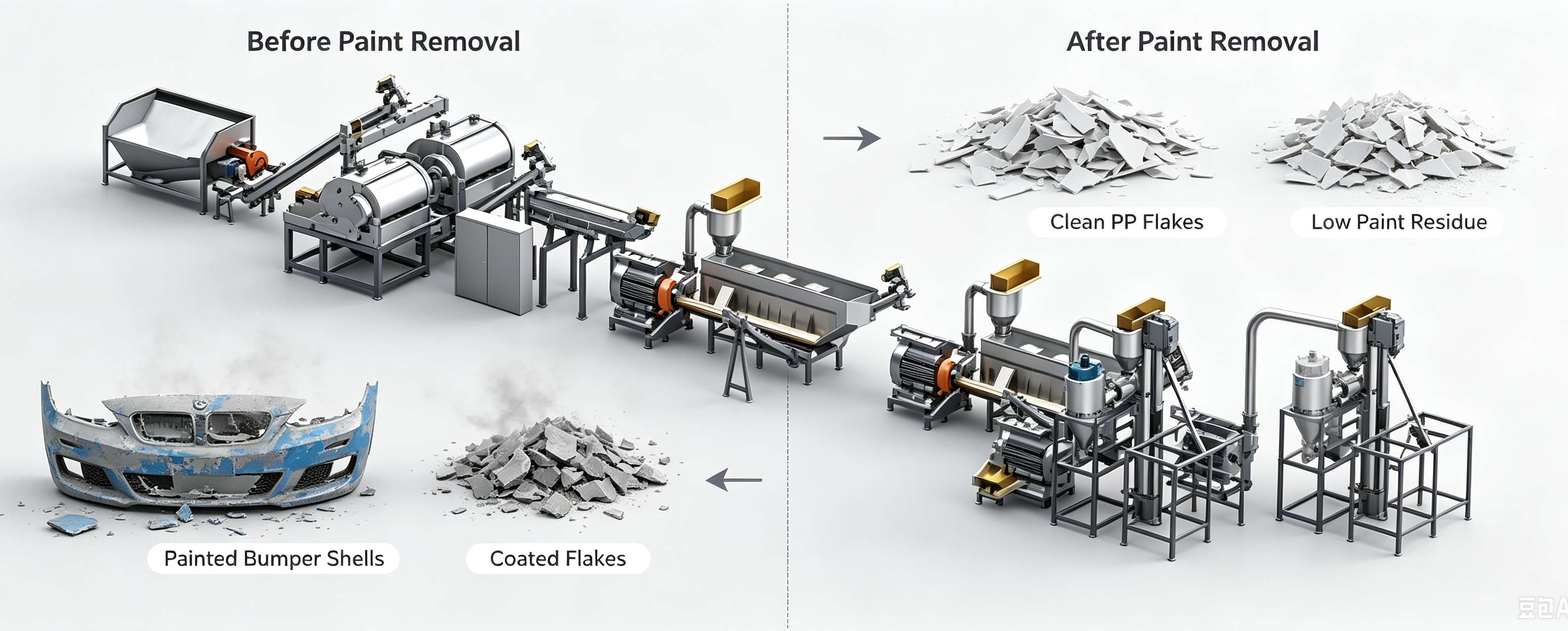
PP Bumper PaintRemoval Equipment Introduction
The substrate of PP car bumpers is polypropylene, whose surface is coated with composite PU paint layers. If the paint layer is not thoroughly removed, the regenerated pellets will suffer excessive black spots and poor toughness, and cannot be used for highgrade recycled materials. The mainstream industrial solution is crushingfriction thermal paintremoval production line (massproduction mainstream for the recycling industry). Laser paintstripping and chemical alkaline washing are alternative options.
I. Mainstream Solution: Friction Thermal PaintRemoval Complete Line (Paint removal for crushed flakes, widely adopted by plastic recycling plants)
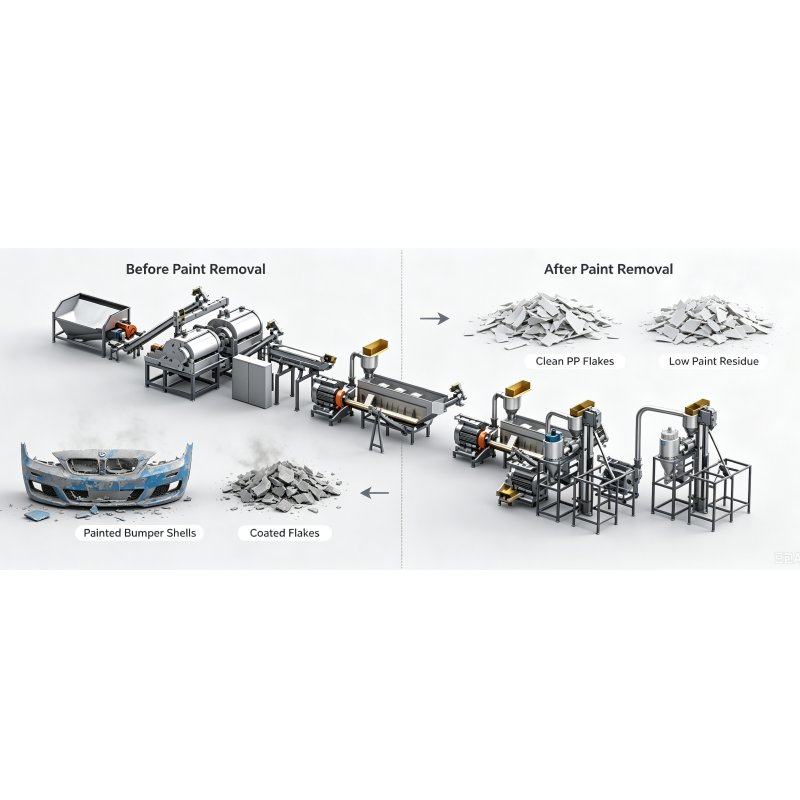
Complete Process Flow
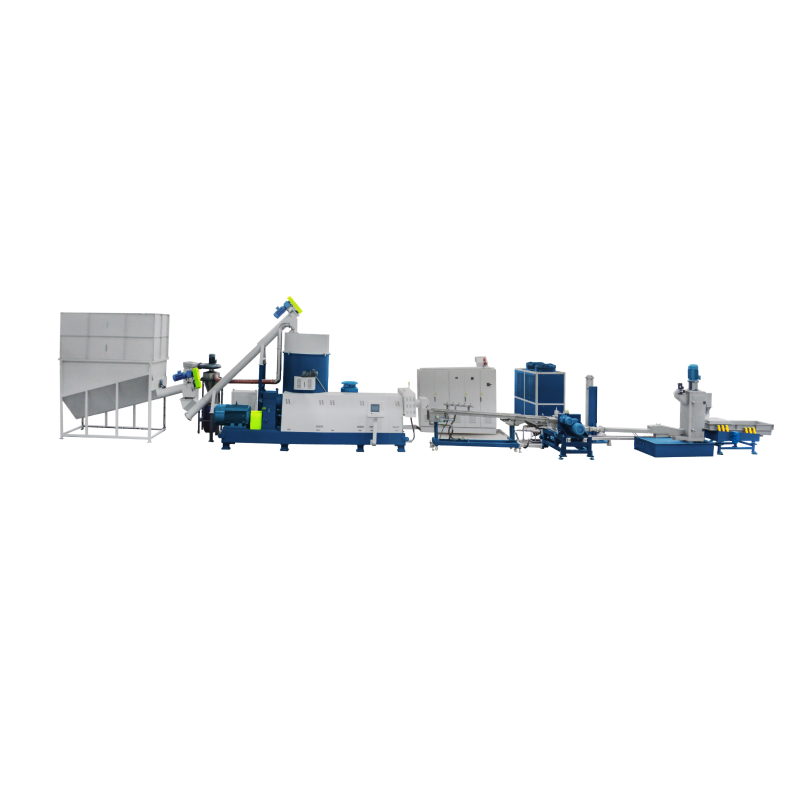
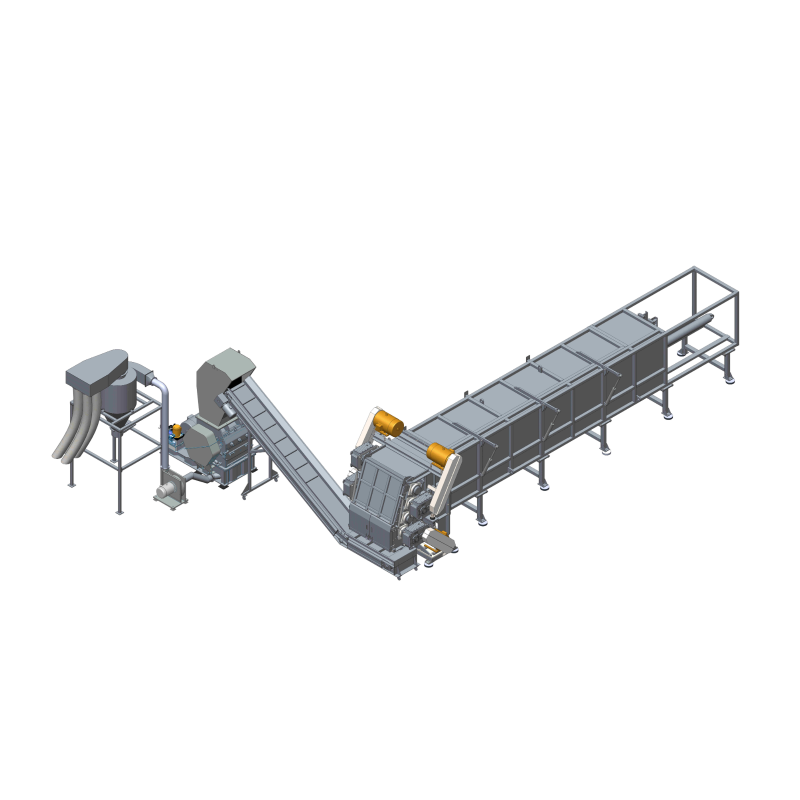
Bumper bulk shredding → crushing (1225 mm flakes) → Friction PaintRemoval Machine (Turbo washer main unit) → sinkfloat separation rinsing tank → highspeed dewatering machine → airseparation for paint powder removal, to obtain wellcleaned PP flakes.
Core Equipment: Friction PaintRemoval Main Host
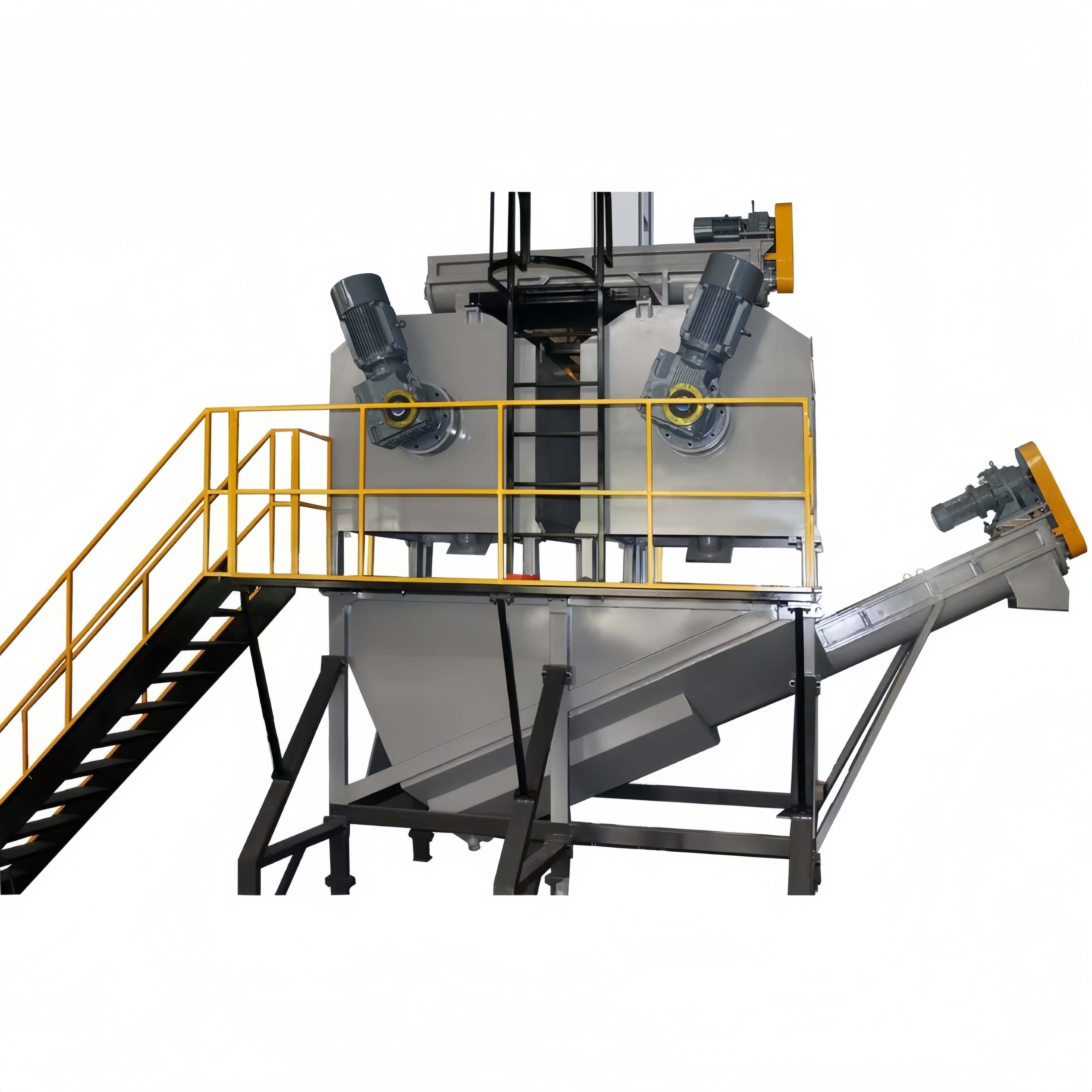
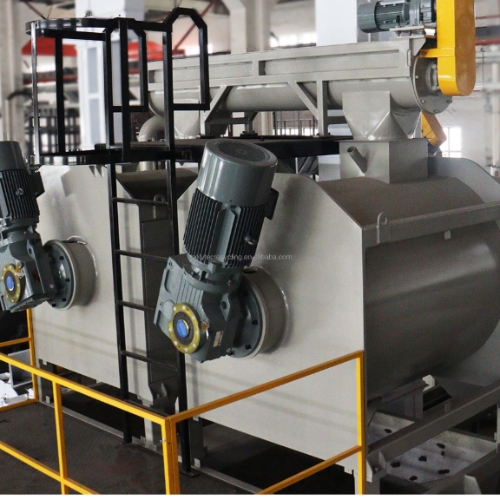
Working Principle: Highspeed blades drive PP bumper flakes to collide and rub violently against one another. Heat generated by friction, together with smallvolume alkaline water and grinding media, fatigues and cracks the paint coating so it peels off from the PP substrate. Paint residues turn into fine powder and are separated and discharged in subsequent rinsing and airseparation procedures. It is mainly a physical process assisted by a small amount of additives and will not corrode the PP substrate.
- Structure: Horizontal cylinder, wearresistant alloy blades, hightorque reducer, heatinginsulated interlayer, water & chemical dosing port, discharge gate, and wearresistant inner liners.
- Reference Key Parameters Singleunit capacity: 3001200 kg/h Rotation speed: 450750 rpm Working temperature: 6085 ℃ (selfgenerated frictional heat; auxiliary coil heating available) Paintremoval rate: 8595 % (subject to aging condition of original bumper paint)
- Fullline supporting equipment Shredder → crusher → friction paintremoval host → rinsing water tank → screw elevator → highspeed centrifugal dewaterer → air classifier for paint powder removal.
✅ Advantages
- Suitable for largevolume scrap bumper recycling. Moderate investment cost; widely used by domestic and overseas recycling factories.
- Minimal damage to PP substrate; output flakes can go directly to pelletizing.
- Compatible with mixed scraps such as EV shells and motorcycle plastic parts.
- Spare parts including blades and liners are readily available domestically for convenient maintenance.
II. . Core Selling Points (For product detail page & quotation)
- Developed specifically for painted automotive PP bumpers. Highspeed friction thermal washing efficiently strips PU paint layers and reduces blackspot defects in recycled materials.
- Wearresistant alloy blades resist abrasion from sand and grit for stable longterm operation.
- Selfgenerated frictional heat; optional coil oil heating adapts to different ambienttemperature conditions.
- Materialcontact parts can be supplied in 304 stainlesssteel to avoid rust contamination.
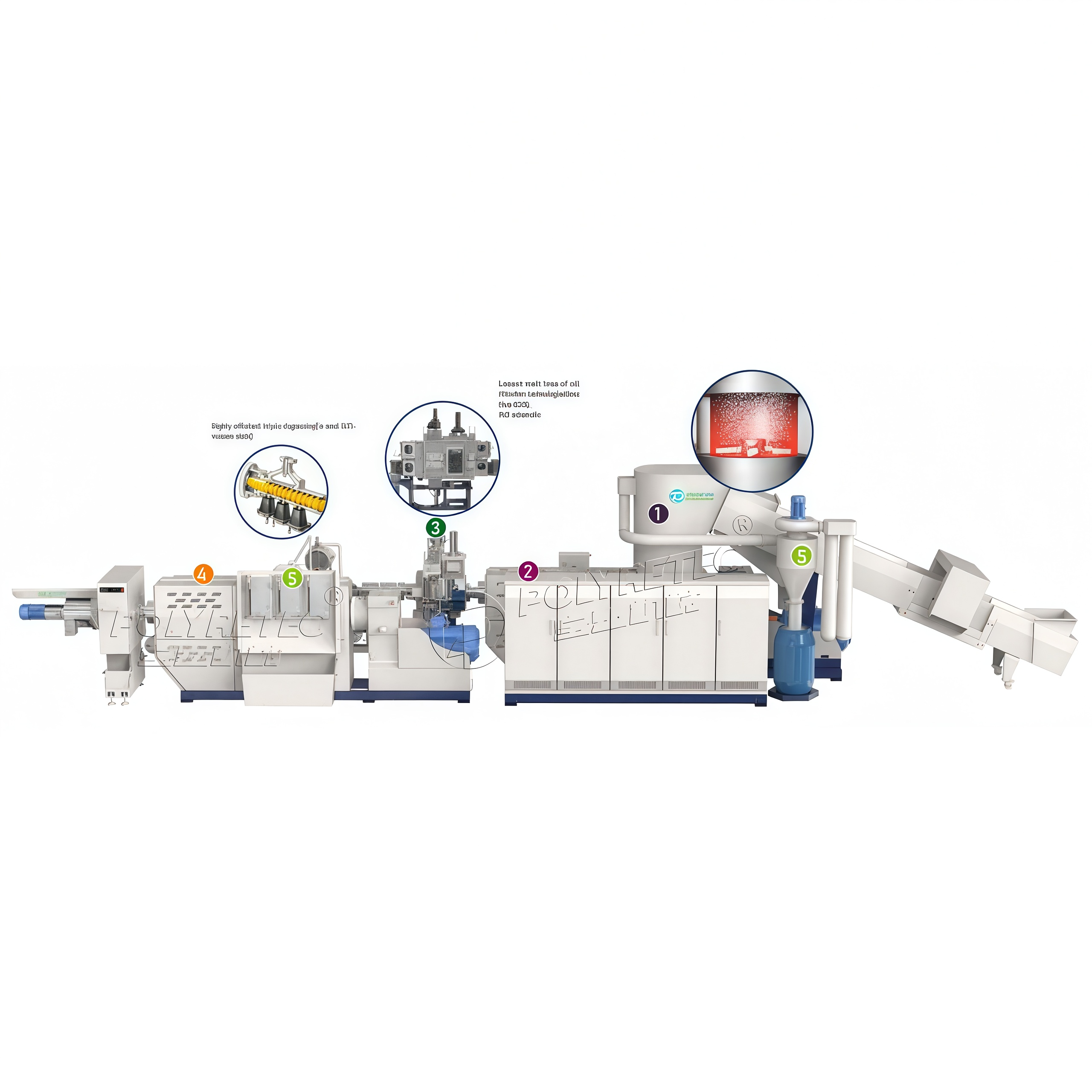
- Fullautomated integrated line: shredding, crushing, paintremoval washing, rinsing, dewatering and air classification.
- Produce clean PP flakes to improve quality and market value of regenerated pellets.
Important note for sales communication: Car bumpers have duallayer primertopcoat paint. 100 % complete paint removal cannot be achieved; 8595 % paintremoval rate is good industrial performance. Tiny residual paint specks are normal in commercial recycling.
05-Unit introduction :
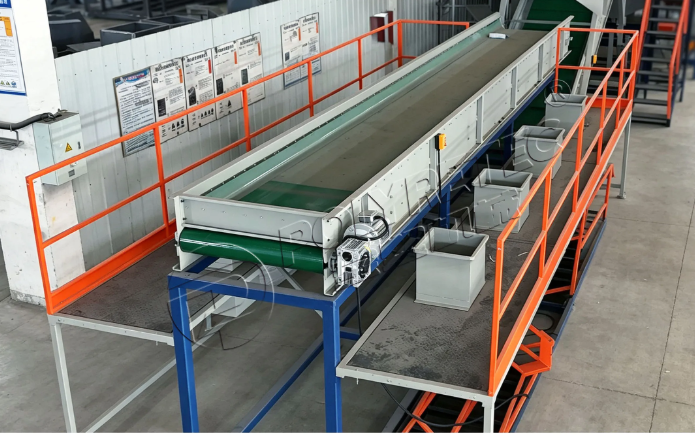
Manual sorting belt conveyor
Function: manually sort out PVC bottle, labels, and other impurities.
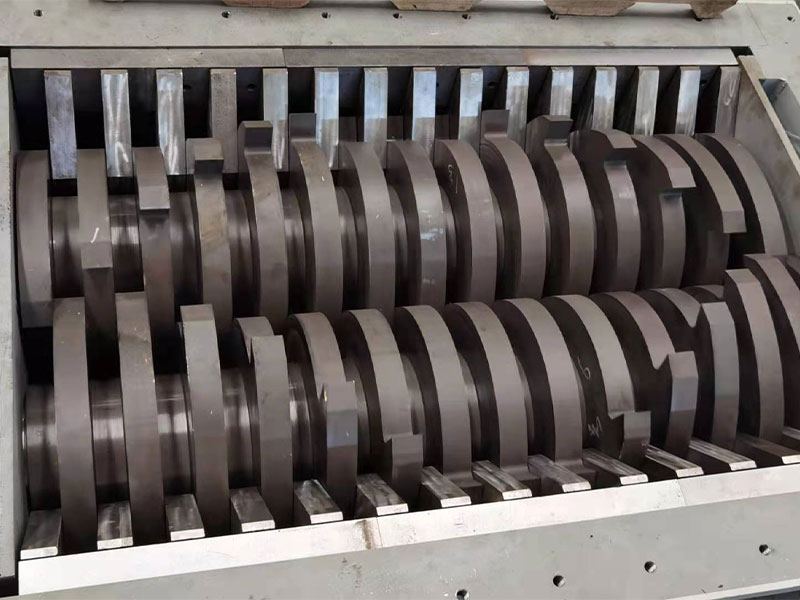
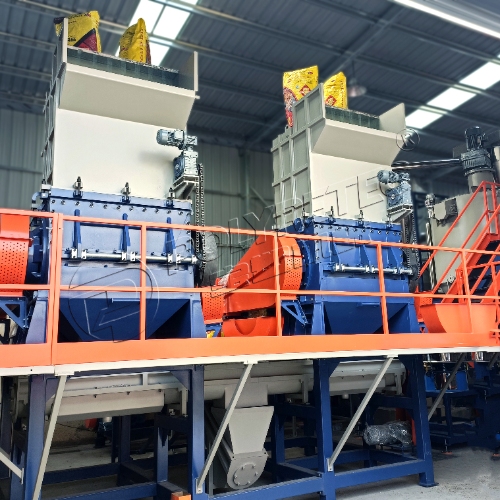
break the material to 40-50mm
For PP PE bottle rinsing, metal, stone and other submerged impurities from the material
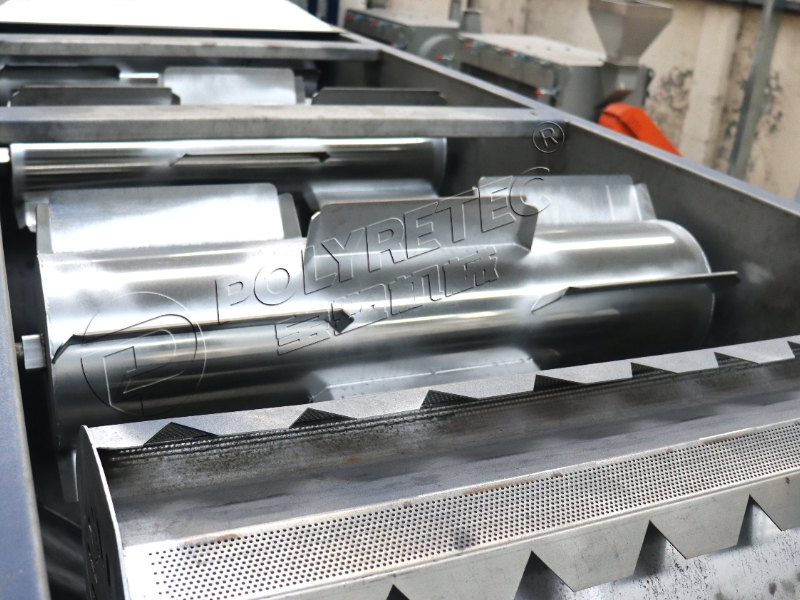
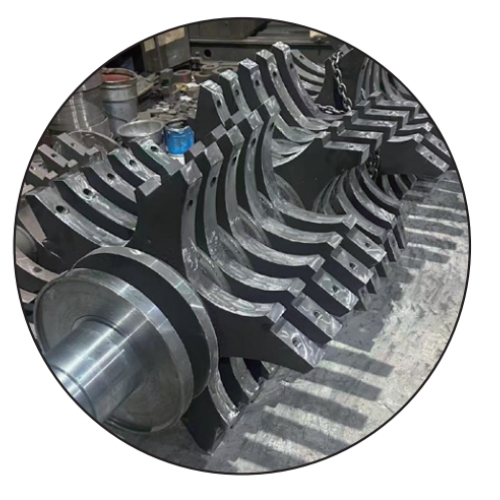
1. Blade change without opening the cover and without moving the belt, enabling quick Blade changes.
2. Equipped with twin-screw forced feeding mechanism, ensuring high output and stable feeding.
3. Spline knife shaft mechanism results in low powder content and high output
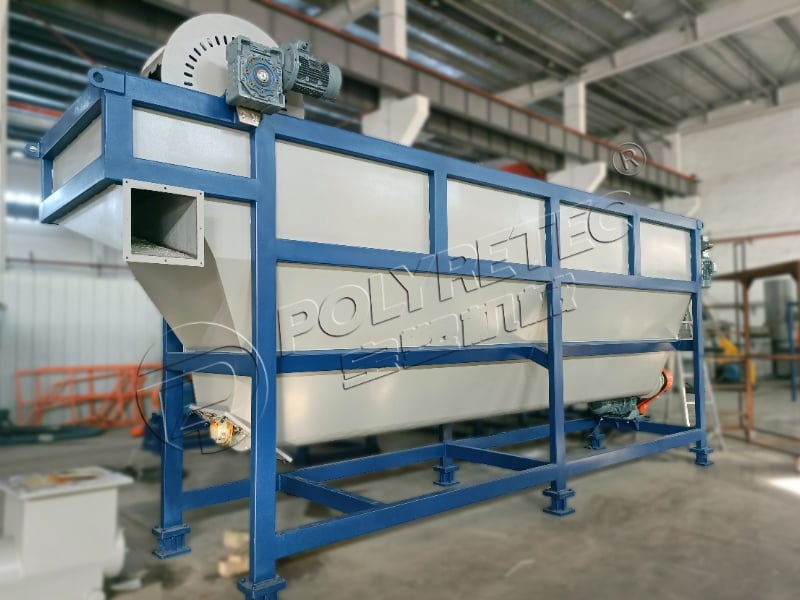
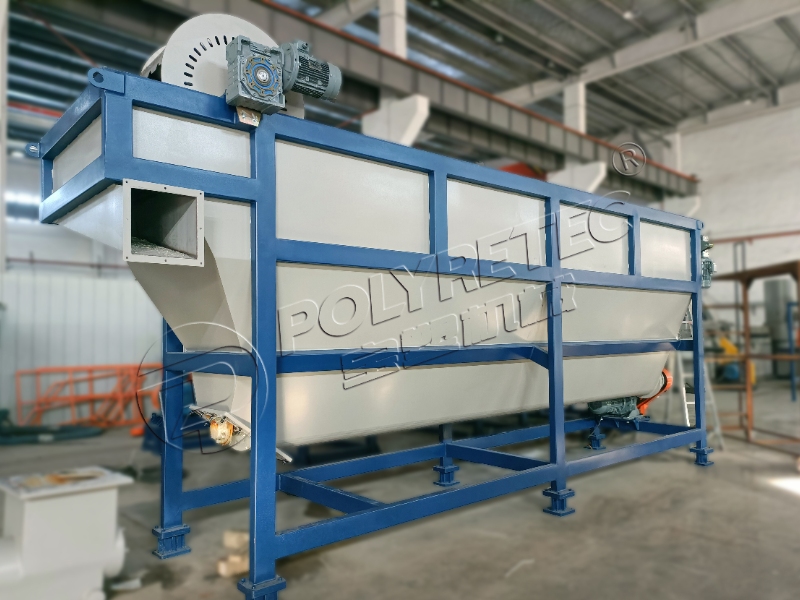
Used to rinse materials, impurities with density greater than 1 gram / cubic centimeter are sunk to the bottom, and PP materials with density less than 1 gram / cubic centimeter are floating and discharged.
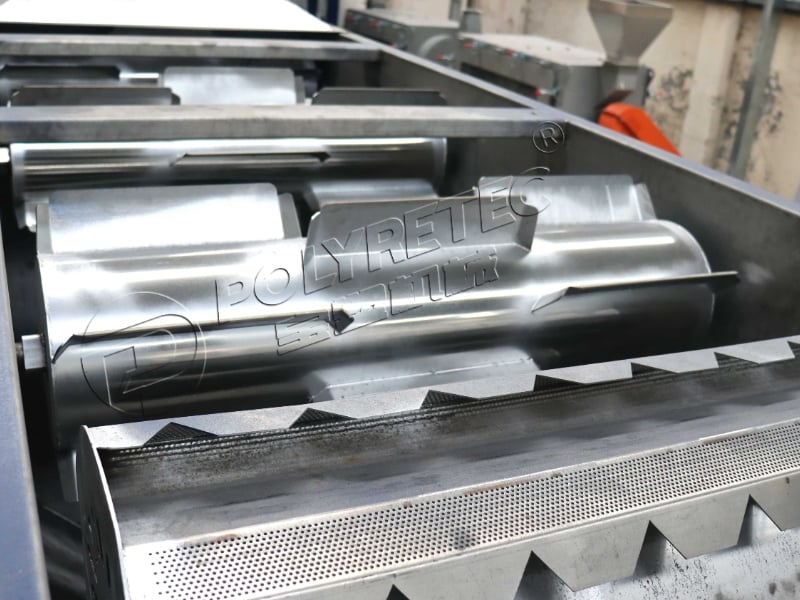
Rubbing clean the material and remove the foam and paint on the material surface by heating,Used to add detergent and heat the flakes when high-speed friction cleaning, removing dirt.
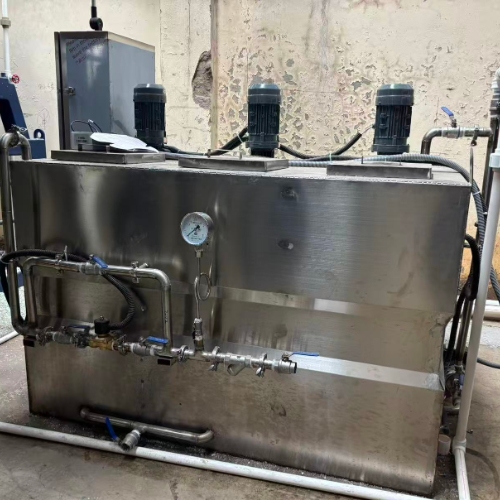
Auto chemcial dosing feeder:
This is a fully automatic dosing system that integrates chemical dissolution, maturation, and injection into one unit. The equipment controls the dosage based on the desired concentration of the chemical solution, automatically mixing, dissolving, and maturing the flocculant, which is then injected into the treated water via a dosing pump. This significantly simplifies the complexity of using flocculants, ensures an automatic and precise dosing process, and reduces chemical consumption.
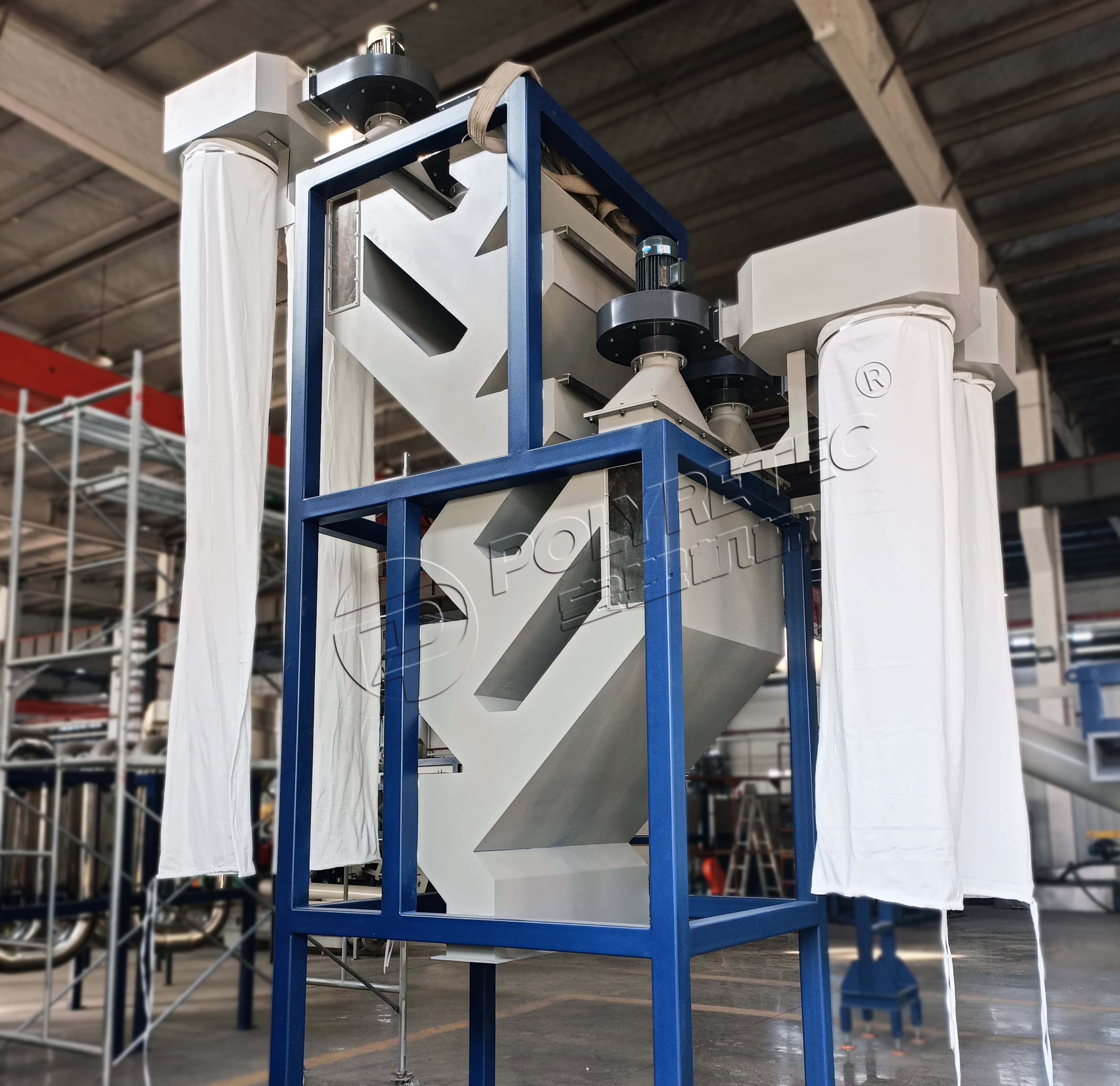
Separate label dust from materials
Used to rinse materials, impurities with density greater than 1 gram / cubic centimeter are sunk to the bottom, and PP materials with density less than 1 gram / cubic centimeter are floating and discharged.
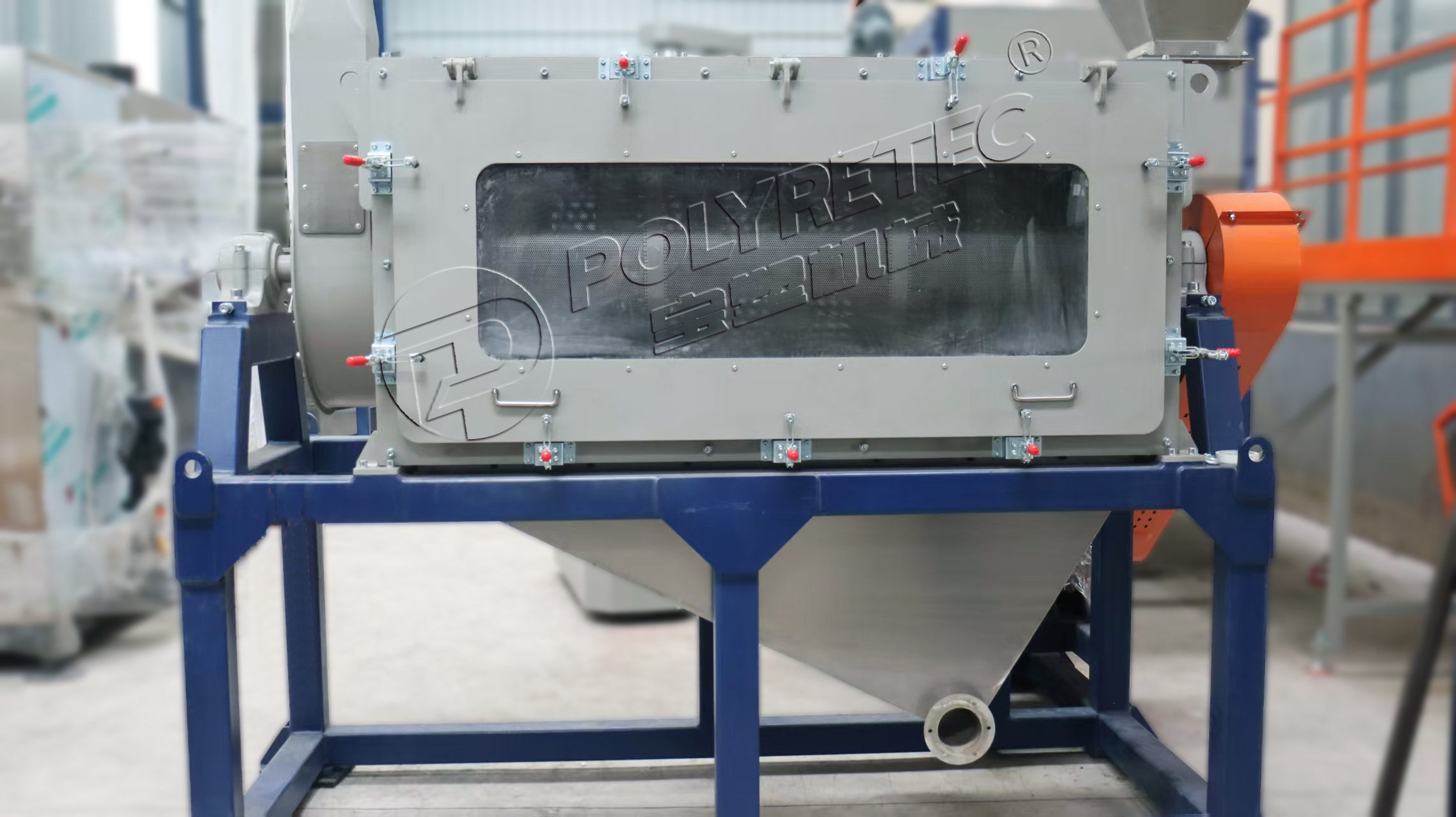
dehydrate the rinsed material at high speed, and separate the impurities contained in the material to ensure the high cleanliness of the material entering the subsequent cleaning system.
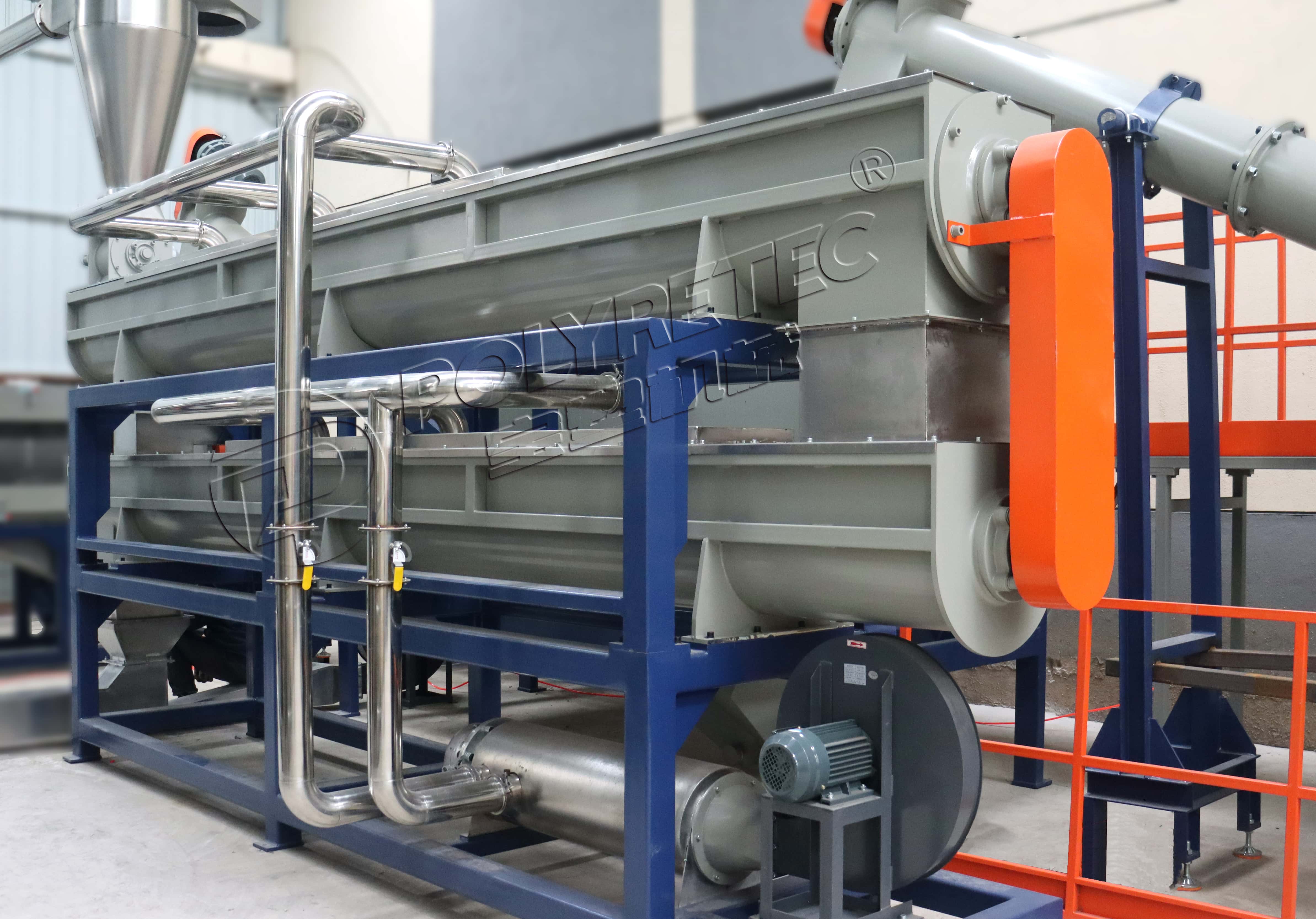
Used for further hot air drying of dewatered materials.
Low noise ,no choke ,less powder dust .
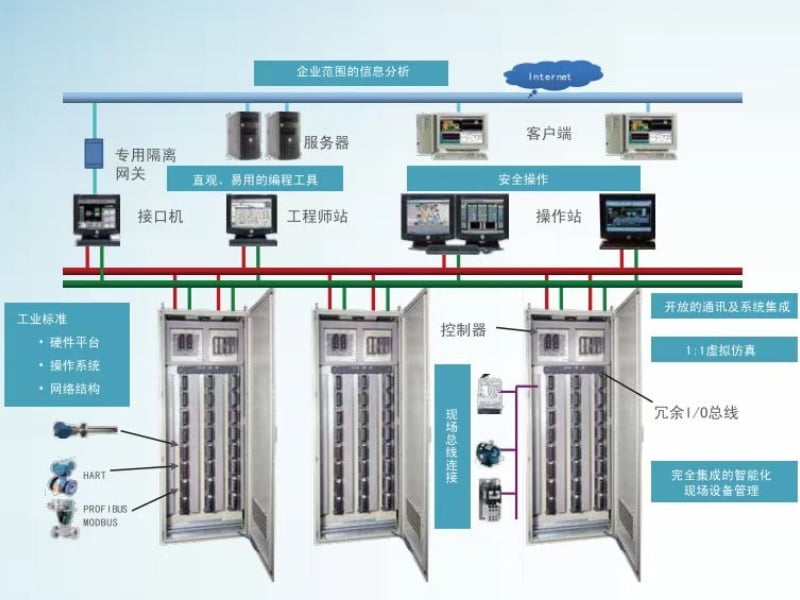
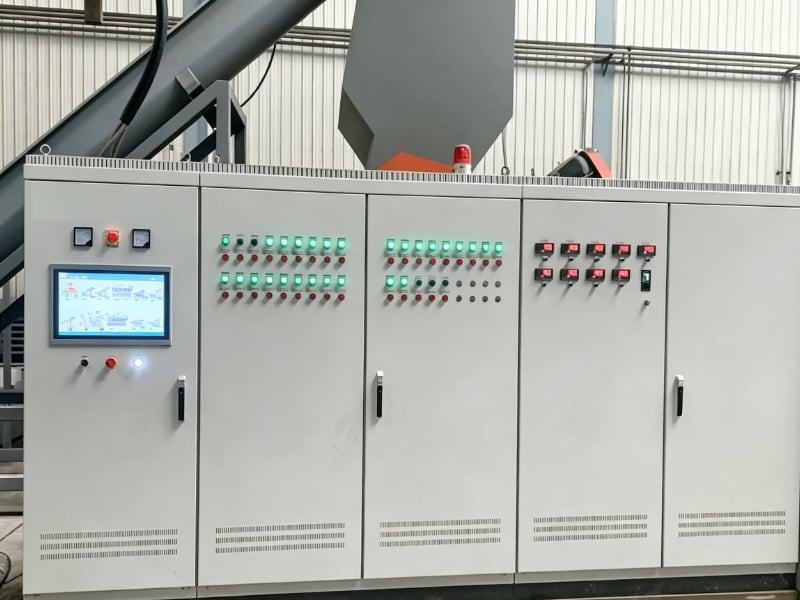
DCS intelligent recycling line control system
Upper computer control system:
①The production process is controlled in real time, and data .
② Monitor the operating status of the equipment in real time
③The system is equipped with an intelligent medical examination module to remind the equipment of regular inspection items in real time to avoid false or missed inspections.



 EN
EN