
 EN
EN


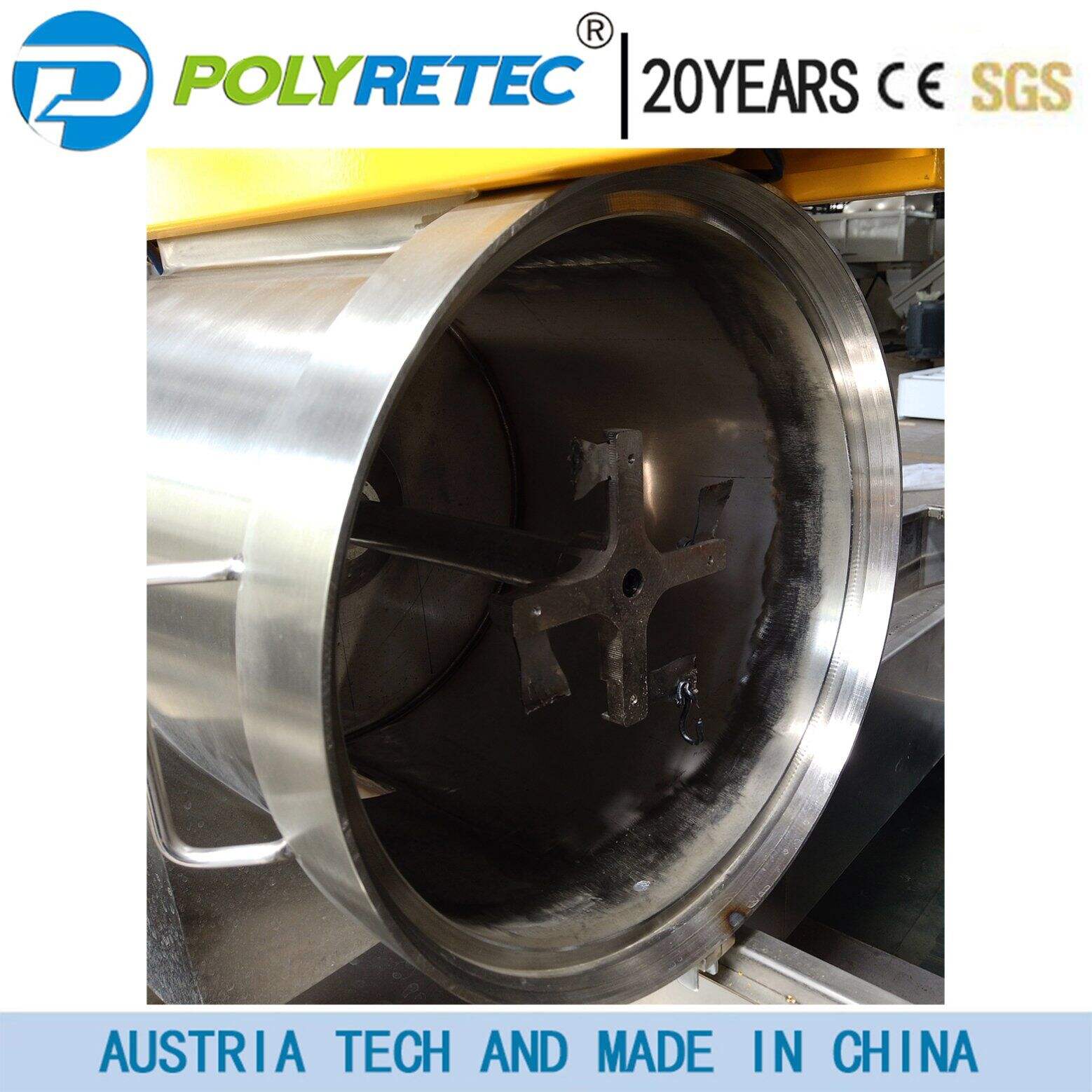
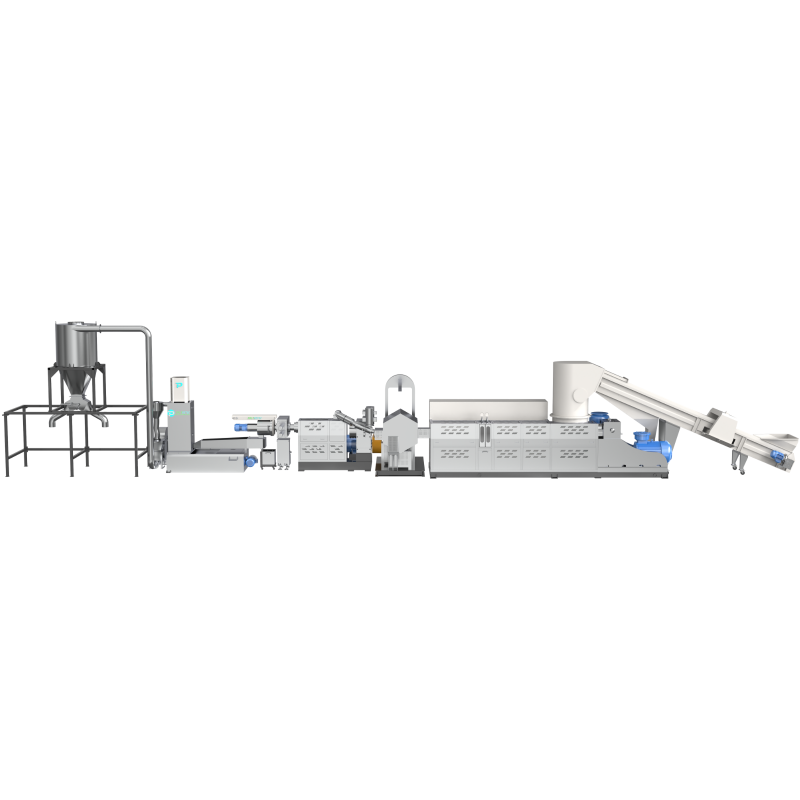
De wereldwijde plasticafvalcrisis heeft ongekende niveaus bereikt, met miljoenen tonnen plasticfolie die jaarlijks terechtkomen op stortplaatsen en in oceanen. Filmrecyclagetechnologie is naar voren gekomen als een cruciale oplossing om deze milieukwestie aan te pakken, met innovatieve benaderingen om afvalmaterialen om te zetten in waardevolle hulpbronnen. Moderne recyclinginstallaties revolutioneren de manier waarop industrieën polyethyleenfolies, landbouwplastics en verpakkingsmaterialen verwerken via geavanceerde mechanische en chemische processen. Deze technologische doorbraken verminderen niet alleen de milieubelasting, maar creëren ook nieuwe economische kansen voor bedrijven wereldwijd. De voortdurende ontwikkeling van folierecyclingtechnologie vormt een paradigmaverschuiving naar duurzame productiepraktijken en principes van de circulaire economie.
Geavanceerde sorteertechnologieën en scheidingsmethoden
Optische sorteerinstallaties
Moderne technologie voor het recyclen van folie maakt gebruik van geavanceerde optische sorteerinstallaties die nabij-infraroodspectroscopie en kunstmatige intelligentie inzetten om verschillende polymeertypes met opmerkelijke nauwkeurigheid te identificeren. Deze geautomatiseerde systemen kunnen onderscheid maken tussen diverse foliematerialen, waaronder polyethyleen, polypropyleen en meervlaadsstructuren, bij verwerkingssnelheden van meer dan meerdere tonnen per uur. De integratie van machineleeralgoritmes stelt deze systemen in staat hun sorteerprecisie voortdurend te verbeteren, waardoor de vervuilingsgraad in de gerecycleerde uitvoerstromen wordt verminderd. Geavanceerde optische sorteerinstallaties kunnen kleurvariaties, dikteverschillen en zelfs folies met een specifieke additiefsamenstelling detecteren, wat een optimale materiaalseparatie voor verdere verwerking waarborgt.
De implementatie van hyperspectrale beeldvormingstechnologie heeft de mogelijkheden van optische sortering in filmrecyclingsprocessen verder verbeterd. Deze systemen kunnen moleculaire signatuurpatronen van verschillende kunststoffolies analyseren, waardoor scheiding van materialen mogelijk is die voor conventionele detectiemethoden identiek lijken. Verwerking van gegevens in realtime maakt onmiddellijke aanpassingen van de sorteervariabelen mogelijk, wat de terugwinningspercentages maximaliseert en tegelijkertijd valse positieven minimaliseert. De combinatie van camera’s met hoge resolutie en gespecialiseerde belichtingssystemen zorgt voor nauwkeurige identificatie, zelfs onder uitdagende omstandigheden zoals wisselende omgevingsverlichting of materiaalverontreiniging.
Dichtheidsscheidingstechnieken
Innovatieve dichtheidsscheidingstechnieken zijn onmisbare onderdelen geworden van moderne folieresyclingtechnologie, waarbij wordt gewerkt met verschillen in soortelijk gewicht om een nauwkeurige materiaalscheiding te bereiken. Drijf-zink-scheidingstanks die zijn uitgerust met een gecontroleerd dichtheidsmedium kunnen lichtgewicht folies effectief scheiden van zwaardere verontreinigingen zoals papieren etiketten, kleefstoffen en barrièrelagen. Deze systemen werken met speciaal samengestelde oplossingen die dichheidsgradiënten creëren, waardoor verschillende soorten kunststof op verschillende niveaus binnen de scheidingsvat kunnen worden teruggewonnen.
Geavanceerde hydrocyclonsystemen vormen een andere doorbraak op het gebied van dichtheidsgebaseerde scheiding voor toepassingen in de folieresycling. Deze centrifugale scheidingsinstallaties genereren krachtige zwaartekrachtkrachten die de scheidingsefficiëntie verbeteren van materialen met vergelijkbare dichtheden. De nauwkeurige regeling van debieten en drukverschillen maakt een optimale terugwinning van schone foliefractionen mogelijk, terwijl lichtgewicht verontreinigingen worden verwijderd die de kwaliteit van gerecycled producten . Moderne hydrocyclonontwerpen zijn uitgerust met slijtvaste materialen en geoptimaliseerde geometrieën om een consistente prestatie te behouden gedurende langdurige bedrijfsperiodes.
Innovaties in mechanische verwerking
Hoogwaardige versnipperingssystemen
De hedendaagse technologie voor het recyclen van folie kenmerkt zich door revolutionaire versnipperingssystemen die specifiek zijn ontworpen voor de verwerking van uitdagende kunststof-foliematerialen. Deze systemen omvatten gespecialiseerde snijgeometrieën en variabele snelheidsregelingen om verschillende foliediktes en vervuilingsniveaus te kunnen verwerken. Geavanceerde versnipperaars maken gebruik van gehard staalbladen met nauwkeurig geconstrueerde profielen die de warmteontwikkeling tijdens het verkleinen tot een minimum beperken, waardoor thermische degradatie van polymeerketens wordt voorkomen. De integratie van stofafzuigsystemen waarborgt optimale werkomstandigheden en behoudt tegelijkertijd de productkwaliteit gedurende het versnipperingsproces.
Intelligente bewakingssystemen die zijn ingebouwd in moderne versnipperingsapparatuur, verstrekken realtime feedback over operationele parameters, waaronder koppel, temperatuur en doorvoersnelheden. Deze systemen kunnen de snijsnelheden en mesposities automatisch aanpassen om de verwerkingsefficiëntie te optimaliseren en de levensduur van de apparatuur te verlengen. Voorspellende onderhoudsalgoritmes analyseren trillingspatronen en gegevens over het stroomverbruik om onderhoudsbehoeften van tevoren te voorspellen, waardoor onverwachte stilstandtijden worden beperkt en een consistente productieopbrengst wordt gewaarborgd.
Wasmachines en reinigingstechnologieën
Innovatieve wasystemen vormen een hoeksteen van effectieve folierecycleertechnologie , waarbij meertrapsprocessen worden gebruikt om verontreinigingen te verwijderen en materialen voor te bereiden op herverwerking. Moderne wrijvingswassers maken gebruik van gecontroleerde mechanische actie in combinatie met verwarmde wasoplossingen om lijmresten, drukinkten en organische verontreinigingen van folieoppervlakken te verwijderen. Deze systemen zijn uitgerust met instelbare intensiteitsniveaus die kunnen worden aangepast op basis van het verontreinigingsniveau en het folietype, waardoor optimale reinigingsresultaten worden gegarandeerd zonder de materiaalintegriteit aan te tasten.
Chemische wasystemen zijn geëvolueerd om milieuvriendelijke reinigingsmiddelen en gespecialiseerde oppervlakte-actieve stoffen te omvatten die de verwijderingsefficiëntie van verontreinigingen verbeteren. Geavanceerde drijfwasmethoden maken gebruik van gecontroleerde luchtinjectie om lichtgewicht verontreinigingen van gewassen folieflakes te scheiden op basis van dichtheidsverschillen. De implementatie van gesloten watercircuits minimaliseert de milieu-impact en verlaagt tegelijkertijd de operationele kosten door waterhergebruik en -zuiveringsprocessen. Temperatuurregelingsystemen handhaven optimale wasomstandigheden gedurende de volledige reinigingscyclus, wat consistente resultaten garandeert bij verschillende materiaalsamenstellingen.
Doorbraken in chemische recycling
Pyrolysetechnologieën
Chemische recycling vertegenwoordigt een transformatieve aanpak binnen de technologie voor folierecycling, waarbij pyrolyseprocessen worden gebruikt om polymeerketens af te breken tot waardevolle chemische grondstoffen. Moderne pyrolysesystemen werken onder nauwkeurig gecontroleerde atmosferische omstandigheden en temperatuurprofielen om de opbrengst van gewenste producten te maximaliseren en ongewenste bijproducten tot een minimum te beperken. Deze systemen kunnen gemengde kunststoffolies verwerken die moeilijk zijn te recyclen via conventionele mechanische methoden, waardoor het scala aan materialen dat effectief kan worden teruggewonnen en hergebruikt, wordt uitgebreid.
Geavanceerde reactorontwerpen integreren fluïdisatiebedtechnologieën die een uniforme warmteverdeling en optimale massatransfer tijdens het pyrolyseproces waarborgen. Continue bewakingssystemen volgen temperatuurgradiënten, verblijftijden en productcompositie in real-time, waardoor nauwkeurige controle over de reactieomstandigheden mogelijk is. De integratie van katalysatorsystemen verhoogt de reactie-efficiëntie en -selectiviteit, waardoor olie- en wasproducten van hoge kwaliteit worden verkregen die kunnen worden gebruikt als grondstoffen voor de productie van nieuwe kunststoffen of als alternatieve brandstoffen.
Depolymerisatieprocessen
Geavanceerde depolymerisatietechnologieën binnen de folierecycle-technologie maken gebruik van gecontroleerde chemische reacties om polymeren terug te zetten naar hun oorspronkelijke monomeercomponenten. Deze processen maken gebruik van specifieke katalysatoren en reactieomstandigheden om polymeerbindingen selectief te breken, terwijl de moleculaire structuren die nodig zijn voor herpolymerisatie behouden blijven. Geavanceerde solvolysetechnieken kunnen folies verwerken die complexe additiefmengsels en meervlaamsstructuren bevatten, waardoor deze anders moeilijk recycleerbaar zouden zijn via conventionele methoden.
Enzymatische depolymerisatie vormt een opkomend grensgebied binnen de chemische recycling en maakt gebruik van speciaal ontwikkelde biologische katalysatoren om kunststoffolies te breken onder milde reactieomstandigheden. Deze biotechnologische benaderingen bieden een verbeterde selectiviteit en een lagere energieconsumptie in vergelijking met traditionele chemische methoden. Onderzoeksinitiatieven zijn gericht op de ontwikkeling van op maat gemaakte enzymsystemen die specifieke folietypes met hoge efficiëntie en minimale milieubelasting kunnen verwerken, waardoor enzymatische recycling een veelbelovende component wordt van toekomstige technologieplatforms voor folierecycling.
Kwaliteitscontrole en outputoptimalisatie
Realtime-bewakingssystemen
Moderne foliercyclingtechnologie maakt gebruik van geavanceerde kwaliteitscontrolesystemen die de producteigenschappen gedurende de gehele verwerkingscyclus in de gaten houden. Geavanceerde spectroscopische analyzers bieden een continue beoordeling van de polymeersamenstelling, het contaminatieniveau en de materiaaleigenschappen in real-time. Deze systemen maken gebruik van infraroodspectroscopie en röntgenfluorescentietechnieken om sporenverontreinigingen op te sporen en te waarborgen dat aan de kwaliteitseisen voor gerecycleerde producten wordt voldaan. Geautomatiseerde bemonsterings- en testprotocollen elimineren menselijke fouten, terwijl consistente kwaliteitsnormen worden gehandhaafd over alle productieruns heen.
Geïntegreerde datamanagementsystemen verzamelen en analyseren kwaliteitsmetrieken uit meerdere verwerkingsfasen, waardoor uitgebreide traceerbaarheid en prestatieoptimalisatie mogelijk zijn. Machine learning-algoritmen verwerken historische kwaliteitsgegevens om trends te identificeren en mogelijke problemen te voorspellen voordat deze van invloed zijn op de productkwaliteit. Methodologieën voor statistische procescontrole helpen strakke toleranties te handhaven op essentiële producteigenschappen, terwijl afval en herwerkingsbehoeften worden geminimaliseerd. Mogelijkheden voor externe bewaking stellen kwaliteitsspecialisten in staat om meerdere verwerkingslijnen tegelijk te bewaken, wat zorgt voor optimale prestaties binnen gehele installaties voor folieresyclingtechnologie.
Technieken voor productstandaardisatie
Geavanceerde pelletiseersystemen binnen de filmlrecyclagetechnologie waarborgen consistente productafmetingen en -eigenschappen door middel van nauwkeurige temperatuurregeling en optimalisatie van de matrijsontwerpen. Moderne onderwaterpelletiseersystemen produceren uniforme korrels met een minimale vorming van fijne deeltjes, waardoor de verwerkingskenmerken in latere processtappen en de prestaties van het eindproduct verbeteren. Variabele matrijsconfiguraties passen zich aan verschillende polymeertypes en verwerkingsvereisten aan, waardoor gepersonaliseerde pelletmaten voor specifieke toepassingen kunnen worden geproduceerd.
Meng- en compoundersystemen integreren gerecycleerde foliematerialen met ongebruikte polymeren en additieven om de gewenste prestatiespecificaties te bereiken. Precieze gravimetrische doseerinstallaties zorgen voor nauwkeurige verhoudingen van de componenten, terwijl intensieve mengsystemen een homogene verdeling van materialen en additieven bevorderen. Kleurafstemmingsmogelijkheden maken het mogelijk om gerecycleerde producten te produceren die voldoen aan de esthetische eisen voor diverse toepassingsgebieden, waardoor de marktkansen voor gerecycleerde foliematerialen worden uitgebreid.
Milieubelasting en duurzaamheid
Energie-efficiëntieverbeteringen
De moderne filmrecyclagetechnologie richt zich op energie-efficiëntie door middel van innovatieve warmterecuperatiesystemen en procesoptimalisatietechnieken. Geavanceerde warmtewisselaars vangen afvalthermische energie op uit de verwerkingsprocessen en leiden deze om naar het voorverwarmen van inkomende materialen of het leveren van procesverwarming aan andere systeemcomponenten. Frequentieregelaars op belangrijke apparatuurcomponenten maken een nauwkeurige snelheidsregeling en optimalisatie van het stroomverbruik mogelijk, gebaseerd op de werkelijke verwerkingsvereisten in plaats van vaste bedrijfsparameters.
De integratie van hernieuwbare energie is steeds vaker te zien bij moderne installaties voor filmrecycling, waar zonnepanelen en windenergiesystemen schone elektriciteit leveren voor de verwerkingsprocessen. Energieslagersystemen stellen installaties in staat overtollige hernieuwbare energie op te slaan tijdens piekproductieperiodes en deze te gebruiken tijdens verwerkingscycli met een hoog energieverbruik. Slimme netkoppeling stelt installaties in staat hun energieverbruikspatronen te optimaliseren op basis van tariefstructuren van nutsbedrijven en de vraagcondities van het elektriciteitsnet, waardoor de bedrijfskosten dalen en tegelijkertijd de stabiliteit van het net wordt ondersteund.
Strategieën voor Verspillingsoptimalisatie
Principes van zero-waste leiden de ontwikkeling van geavanceerde technologieën voor folieremming, waarmee het materiaalherstel wordt gemaximaliseerd en de restafvalstromen worden geminimaliseerd. Innovatieve benaderingen voor de verwerking van afgekeurde materialen omvatten gespecialiseerde behandelingsystemen die extra kunststoffracties kunnen terugwinnen uit materialen die eerder als niet-recycleerbaar werden beschouwd. Thermische behandelingsystemen zetten organische verontreinigingen en restmaterialen om in bruikbare energie, waardoor de noodzaak van stortplaatsverwijdering wordt geëlimineerd en tegelijkertijd aanvullende energie wordt geleverd voor de bedrijfsvoering van de installatie.
Circulaire ontwerpprincipes beïnvloeden de ontwikkeling van apparatuur om ervoor te zorgen dat systemen voor foliercycling zelf gemakkelijk onderhouden, geüpgraded en uiteindelijk aan het einde van hun levensduur gerecycled kunnen worden. Modulaire systeemarchitecturen maken vervanging van componenten en uitbreiding van capaciteit mogelijk zonder volledige vervanging van het systeem, waardoor de levensduur van de apparatuur wordt verlengd en de kapitaalvereisten worden verminderd. Bij de keuze van materialen voor de constructie van het systeem staat de voorkeur uit naar recycleerbare metalen en componenten die kunnen worden teruggewonnen en opnieuw gebruikt wanneer de apparatuur het einde van zijn gebruikstijd bereikt.
Markttoepassingen en sectoracceptatie
Integratie in de verpakkingsindustrie
De verpakkingsindustrie vertegenwoordigt het grootste marktsegment voor toepassingen van filmrecyclagetechnologie, waarbij bedrijven in toenemende mate gesloten kringlopen aannemen om hun productieafval te herstellen en opnieuw te gebruiken. Moderne recyclagesystemen kunnen diverse soorten verpakkingsfolies verwerken, waaronder rekfolies, krimpfolies en barrièrematerialen die worden gebruikt in voedingsverpakkingsapplicaties. Geavanceerde verwerkingsmogelijkheden maken het mogelijk om gerecycleerde materialen te produceren die voldoen aan de kwaliteitsnormen voor voedselgebruik, wat initiatieven voor een circulaire economie binnen de verpakkingssector ondersteunt.
Merkhouders investeren in technologie voor het recyclen van folies om hun duurzaamheidsdoelstellingen te ondersteunen en de kosten voor grondstoffen te verlagen, zonder dat de kwaliteitsnormen voor producten worden aangetast. Samenwerkingsinitiatieven tussen verpakkingsfabrikanten en leveranciers van recyclagetechnologie ontwikkelen gespecialiseerde systemen die zijn geoptimaliseerd voor specifieke folietypes en vervuilingsprofielen. Deze samenwerkingen maken het mogelijk om toegewijde recyclagestromen op te zetten die de terugwinningspercentages maximaliseren en tegelijkertijd een consistente kwaliteit van de gerecycleerde uitvoermaterialen garanderen.
Toepassingen in de landbouwsector
Het recyclen van landbouwfolie vertegenwoordigt een groeiend toepassingsgebied voor gespecialiseerde folierecycle-technologie-systemen die zijn ontworpen om sterk vervuilde materialen te verwerken. Landbouwplastic folies bevatten vaak aarde, organisch materiaal en producten van UV-afbraak, wat gespecialiseerde verwerkingsmethoden vereist om aanvaardbare recycleerresultaten te bereiken. Geavanceerde voorbehandelingssystemen, waaronder hogedrukwasprocessen en biologische behandelingsprocessen, bereiden landbouwfolies voor op conventionele recycleeroperaties.
Regionale inzamel- en verwerkingsinitiatieven stellen gecentraliseerde technologische faciliteiten voor het recyclen van folie op, die meerdere landbouwgemeenschappen bedienen en schaalvoordelen creëren waardoor het recyclen van landbouwfolie economisch haalbaar wordt. Mobiele verwerkingsunits brengen recyclagemogelijkheden direct naar de landbouwbedrijven, waardoor vervoerskosten dalen en de deelname aan recyclageprogramma's toeneemt. Deze innovatieve aanpakken breiden het marktbereik van technologie voor folierecycling uit, terwijl tegelijkertijd milieuzorgen met betrekking tot plastic afval uit de landbouw worden aangepakt.
Veelgestelde vragen
Welke soorten plasticfolies kunnen worden verwerkt door moderne recyclagetechnologie
Moderne foliercyclingtechnologie kan een breed scala aan kunststoffolies verwerken, waaronder polyethyleen (PE), polypropyleen (PP), polyethylentereftalaat (PET) en diverse meerdere lagen omvattende structuren. De systemen zijn ontworpen om zowel schone industriële afvalstromen als post-consumermaterialen met uiteenlopende graad van vervuiling te verwerken. Geavanceerde sorteer- en reinigingstechnologieën maken het mogelijk om folies te verwerken met kleefetiketten, drukinkten en gemengde polymeersamenstellingen die eerder als niet-recycleerbaar werden beschouwd.
Hoe waarborgt de foliercyclingtechnologie consistentie van de productkwaliteit?
De technologie voor het recyclen van folie behoudt de productkwaliteit via geïntegreerde bewakingssystemen die de materiaaleigenschappen gedurende de hele verwerkingscyclus volgen. Spectroscopische analyse in real-time zorgt voor een consistente polymeersamenstelling, terwijl geautomatiseerde kwaliteitscontrolesystemen verontreinigingen detecteren en verwijderen. Geavanceerde pelletiserings- en compounderingssystemen produceren uniforme eindproducten met nauwkeurig gereguleerde afmetingen en eigenschappen die voldoen aan de specificaties voor diverse toepassingen.
Wat zijn de milieuvoordelen van het implementeren van folierecyclingtechnologie?
Filmrecyclagetechnologie vermindert aanzienlijk de hoeveelheid kunststofafval die naar stortplaatsen wordt gestuurd, terwijl tegelijkertijd natuurlijke hulpbronnen worden bewaard die nodig zijn voor de productie van nieuwe polymeren. Energieterreugwinningssystemen en integratie van hernieuwbare energie minimaliseren de koolstofvoetafdruk van recyclageprocessen. De technologie ondersteunt circulaire economiepraktijken die de algehele milieubelasting verminderen en tegelijkertijd economische waarde creëren uit afvalmaterialen die anders bijdragen aan vervuulingsproblemen.
Hoe kosteneffectief is filmrecyclagetechnologie voor industriële bedrijfsvoering?
Filmrecyclagetechnologie biedt aanzienlijke kostenbesparingen door lagere grondstofkosten en lagere kosten voor afvalverwijdering. Moderne systemen zorgen voor een snelle terugverdientijd dankzij de verkoop van gerecycleerde producten met een hoge waarde en verbeteringen in operationele efficiëntie. Overheidsstimulansen en wettelijke vereisten die recyclage-initiatieven ondersteunen, versterken bovendien de economische aantrekkelijkheid van het implementeren van filmrecyclagetechnologie in industriële bedrijfsvoering.
Inhoudsopgave
- Geavanceerde sorteertechnologieën en scheidingsmethoden
- Innovaties in mechanische verwerking
- Doorbraken in chemische recycling
- Kwaliteitscontrole en outputoptimalisatie
- Milieubelasting en duurzaamheid
- Markttoepassingen en sectoracceptatie
-
Veelgestelde vragen
- Welke soorten plasticfolies kunnen worden verwerkt door moderne recyclagetechnologie
- Hoe waarborgt de foliercyclingtechnologie consistentie van de productkwaliteit?
- Wat zijn de milieuvoordelen van het implementeren van folierecyclingtechnologie?
- Hoe kosteneffectief is filmrecyclagetechnologie voor industriële bedrijfsvoering?