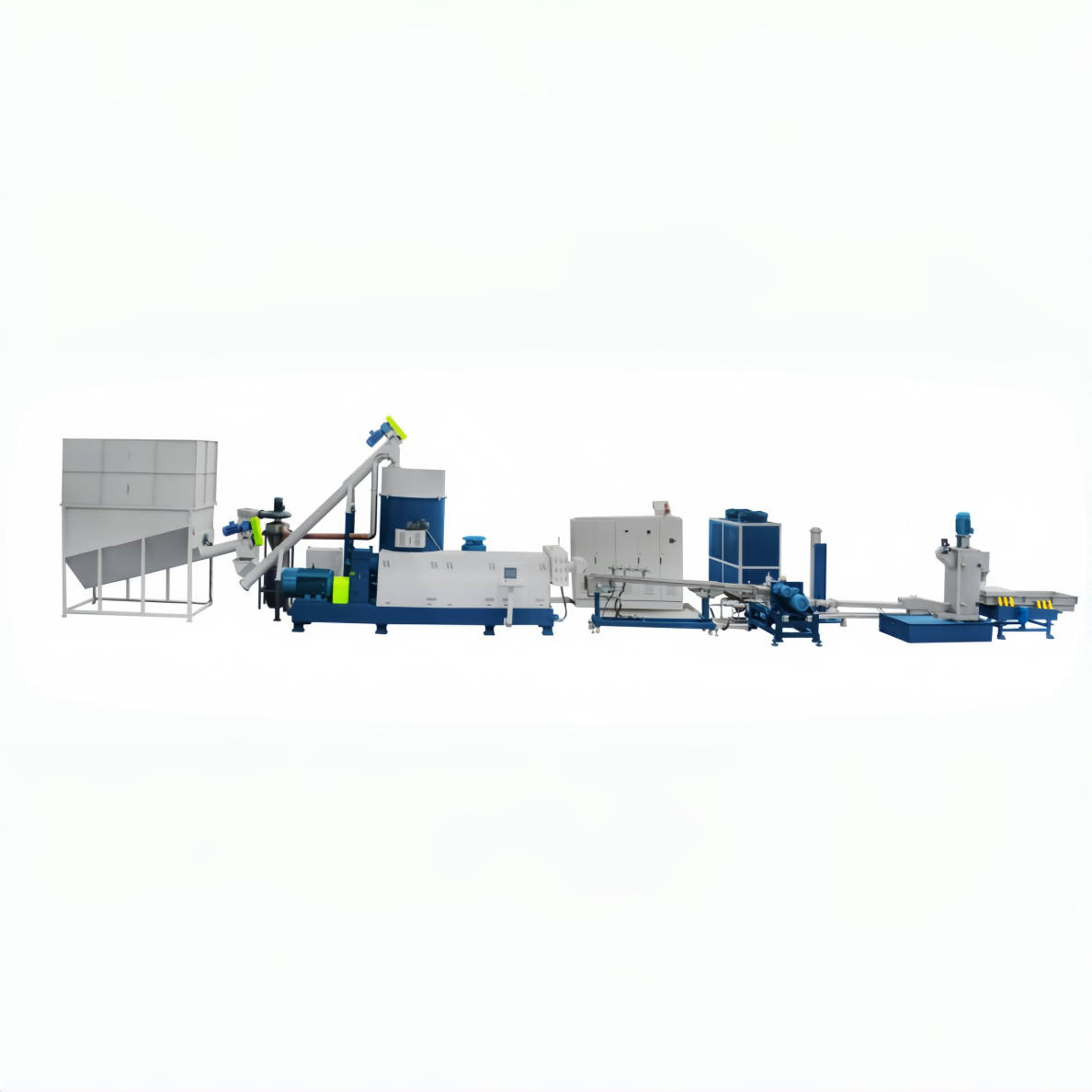
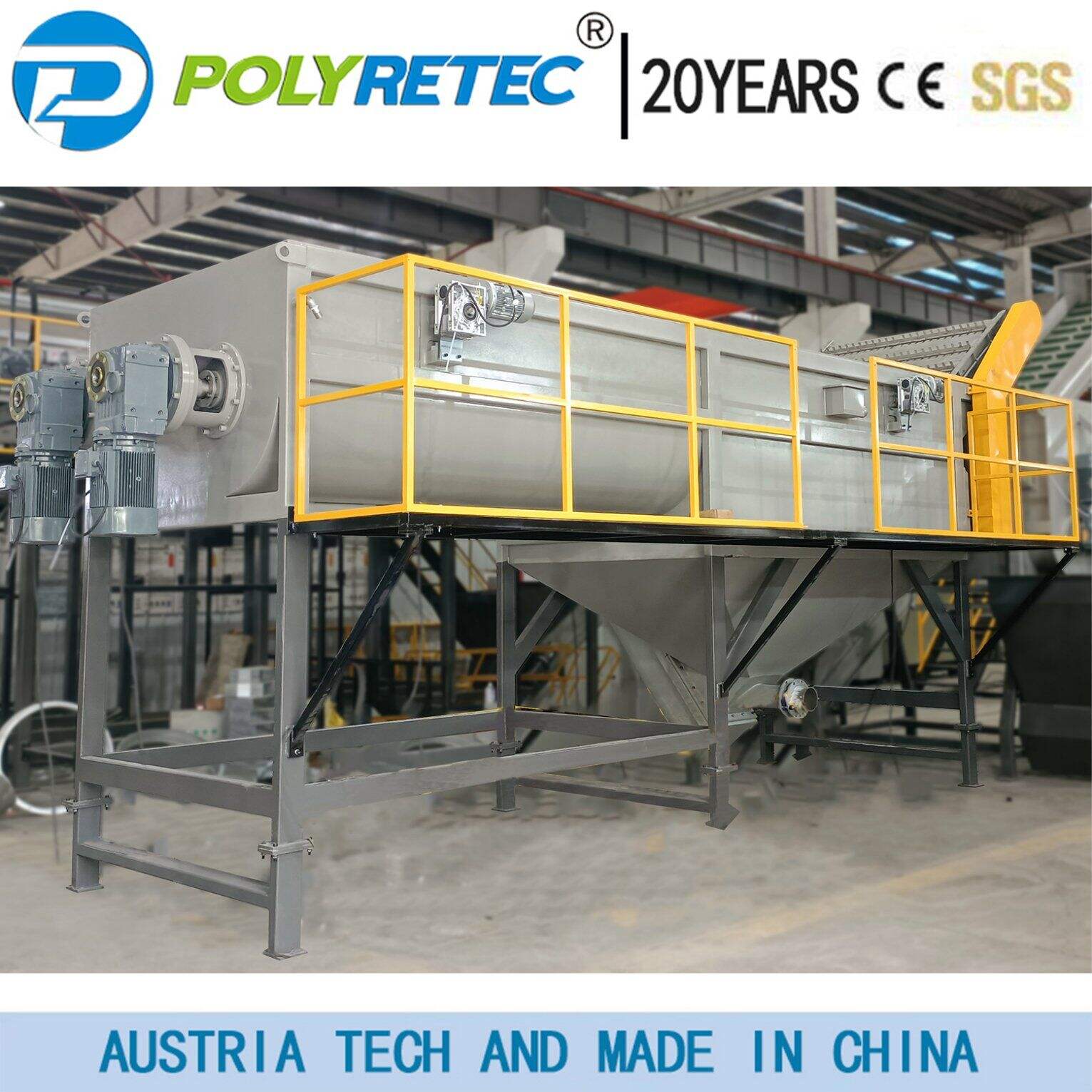
Understanding how a PET pelletizing machine operates is crucial for recycling facilities seeking to transform post-consumer plastic waste into valuable raw materials. These sophisticated systems convert PET bottles and containers into uniform pellets through a complex sequence of mechanical and thermal processes, enabling the circular economy for one of the world's most widely used plastics. The operational mechanics of a PET pelletizing machine involve multiple integrated stages that must work in precise coordination to achieve optimal output quality and processing efficiency.

The working principle of a PET pelletizing machine centers on the controlled melting and reformation of recycled PET material through extrusion technology. This process begins when cleaned PET flakes enter the machine's feeding system and progress through heating zones where precise temperature control ensures proper polymer flow characteristics. The mechanical action of rotating screws within heated barrels creates the necessary conditions for transforming solid plastic waste into molten material that can be shaped into consistent pellet forms suitable for subsequent manufacturing applications.
Material Feeding and Preparation Systems
Raw Material Input Management
The PET pelletizing machine begins its operation with a sophisticated material feeding system designed to handle various forms of recycled PET input. Clean PET flakes, typically ranging from 8-12mm in size, enter through a controlled feeding mechanism that regulates the flow rate and ensures consistent material supply throughout the pelletizing process. The feeding system incorporates vibrating conveyors and metering devices that prevent material bridging and maintain steady input rates essential for optimal machine performance.
Advanced PET pelletizing machine designs include integrated metal detection and separation systems that remove any residual contaminants before the material enters the heating zones. This preprocessing stage is critical for protecting downstream equipment components and ensuring the final pellet quality meets industry specifications. The feeding mechanism also features adjustable speed controls that allow operators to match material input rates with the machine's processing capacity.
Material Conditioning and Drying
Before entering the main extrusion process, recycled PET material typically undergoes conditioning within the PET pelletizing machine system. Many operations include inline drying capabilities that reduce moisture content to acceptable levels, preventing hydrolysis during the subsequent heating phases. The moisture removal process is essential because excessive water content can cause polymer degradation and affect the mechanical properties of the final pellets.
The conditioning stage may also include preheating chambers that gradually raise the material temperature toward optimal processing ranges. This controlled temperature elevation reduces thermal shock when the PET flakes enter the main heating zones of the pelletizing machine, contributing to more consistent melt quality and reducing energy consumption during the primary extrusion phase.
Extrusion and Melting Process
Screw Design and Material Transport
The heart of any PET pelletizing machine lies in its screw configuration, which determines how effectively the material is heated, mixed, and transported through the system. Twin-screw designs are commonly employed for PET processing due to their superior mixing capabilities and ability to handle the relatively high processing temperatures required for this polymer. The screws feature specialized flight patterns and compression ratios optimized for PET's thermal and flow characteristics.
As the PET material progresses along the screw length within the heated barrel, it undergoes gradual melting while experiencing controlled shear forces. The screw geometry creates specific pressure profiles that ensure complete melting without excessive thermal exposure that could degrade the polymer chains. This careful balance between mechanical work and thermal input is fundamental to producing high-quality recycled PET pelletizing machine output.
Temperature Control and Heating Zones
Temperature management represents one of the most critical aspects of PET pelletizing machine operation, as this polymer requires precise thermal control to maintain its molecular structure during processing. The machine barrel is divided into multiple heating zones, each maintained at specific temperatures that gradually increase from the feed section toward the die end. Typical temperature profiles for PET processing range from 240°C to 280°C, depending on the material grade and desired output characteristics.
Advanced PET pelletizing machine systems incorporate sophisticated temperature control systems with multiple thermocouples and PID controllers that maintain temperature stability within narrow tolerances. This precise control prevents thermal degradation while ensuring complete melting and homogenization of the recycled material. The heating system must also respond quickly to changes in throughput rates or material properties to maintain consistent processing conditions.
Die System and Pellet Formation
Die Plate Configuration
The die system of a PET pelletizing machine serves as the final forming stage where molten polymer is shaped into individual strands before pellet cutting. The die plate contains multiple holes, typically ranging from 2mm to 4mm in diameter, through which the molten PET is extruded under controlled pressure. The number and arrangement of these holes determine the production capacity and pellet size characteristics of the system.
Die plate design considerations for PET processing include hole geometry, land length, and overall flow distribution patterns that ensure uniform strand formation. The die must maintain consistent temperature across its entire surface to prevent flow variations that could result in irregular pellet dimensions. Many modern PET pelletizing machine installations feature quick-change die systems that allow operators to modify pellet specifications without extensive downtime.
Strand Cooling and Solidification
Immediately after exiting the die, the hot PET strands must be rapidly cooled to solidify the material before the cutting operation. The PET pelletizing machine typically incorporates a water bath or air cooling system positioned directly below the die face. Water cooling is more common for PET applications due to its superior heat transfer capabilities and the ability to maintain consistent strand temperature during the cooling phase.
The cooling process must be carefully controlled to prevent thermal shock while achieving adequate solidification for clean cutting. Water temperature, flow rate, and contact time all influence the final pellet quality and cutting performance. Properly cooled strands maintain their circular cross-section and achieve the mechanical properties necessary for effective pellet formation during the subsequent cutting operation.
Cutting and Pellet Finishing
Rotating Blade Cutting System
The cutting mechanism of a PET pelletizing machine employs rotating blades that slice the cooled polymer strands into uniform pellet lengths. The cutting chamber operates either underwater or in air, with underwater cutting being preferred for PET applications due to improved cut quality and reduced dust generation. The blade assembly rotates at controlled speeds that can be adjusted to achieve desired pellet length specifications.
Blade design and material selection are critical factors in PET pelletizing machine performance, as these components must maintain sharp cutting edges while withstanding the abrasive nature of filled or reinforced PET materials. High-quality tool steels or carbide-tipped blades are commonly used to ensure consistent cutting performance and extended service life. The cutting chamber also includes adjustable blade clearances that optimize cut quality for different PET grades and processing conditions.
Pellet Separation and Drying
Following the cutting operation, the newly formed PET pellets require separation from the cooling water and final moisture removal before packaging or storage. The PET pelletizing machine system typically includes centrifugal dryers or vibrating screen separators that remove surface water while allowing pellets to drain effectively. This separation process must be gentle enough to prevent pellet damage while achieving the low moisture levels required for subsequent processing operations.
Final drying may involve heated air circulation or infrared heating systems that reduce pellet moisture content to specification levels, typically below 0.02% for most PET applications. The drying system must provide uniform heating to prevent pellet deformation while achieving rapid moisture removal. Proper moisture control in the finished pellets is essential for maintaining material flowability and preventing processing issues in downstream injection molding or fiber spinning operations.
Process Control and Quality Monitoring
Automated Control Systems
Modern PET pelletizing machine installations incorporate sophisticated process control systems that monitor and adjust multiple operational parameters in real-time. These systems track critical variables including screw speed, barrel temperatures, die pressure, cooling water temperature, and cutting blade rotation speed. Advanced controllers can automatically adjust these parameters to maintain consistent output quality even when input material characteristics vary.
The control system interface typically provides operators with comprehensive process visualization and data logging capabilities that support quality documentation and process optimization efforts. Historical trend data helps identify processing patterns and enables predictive maintenance scheduling for key PET pelletizing machine components. Integration with plant-wide control systems allows coordination with upstream washing operations and downstream material handling equipment.
Quality Assurance and Testing
Continuous quality monitoring during PET pelletizing machine operation involves both online sensors and periodic manual sampling for laboratory analysis. Online monitoring may include melt temperature measurement, pressure sensing, and optical pellet dimension analysis that provides immediate feedback on process performance. These measurements help operators detect quality deviations before significant amounts of off-specification material are produced.
Regular quality testing of PET pelletizing machine output includes assessment of pellet dimensions, bulk density, moisture content, and color consistency. More detailed testing may examine intrinsic viscosity, which indicates the degree of polymer degradation during processing, and thermal properties that affect subsequent processing behavior. This comprehensive quality monitoring ensures that recycled PET pellets meet the specifications required for their intended end-use applications.
FAQ
What temperature range is optimal for PET pelletizing machine operation?
The optimal temperature range for PET pelletizing machine operation typically falls between 240°C and 280°C across different barrel zones. The exact temperature profile depends on the specific PET grade being processed, with bottle-grade PET often requiring temperatures around 260-275°C for proper melting and flow characteristics. Higher temperatures may be necessary for filled or reinforced PET materials, while lower temperatures are suitable for clear, unfilled grades to minimize thermal degradation.
How does screw speed affect PET pelletizing machine performance?
Screw speed in a PET pelletizing machine directly influences residence time, shear heating, and material mixing effectiveness. Lower screw speeds provide longer residence times that promote complete melting with reduced shear-induced heating, which is beneficial for preventing thermal degradation. Higher speeds increase throughput capacity but may cause excessive heating or incomplete melting if not properly balanced with barrel temperatures and material feed rates.
What maintenance is required for optimal PET pelletizing machine operation?
Regular maintenance of a PET pelletizing machine includes daily inspection of cutting blades for sharpness and proper clearances, weekly cleaning of die plates and cooling systems, and monthly checks of screw wear patterns and barrel condition. Temperature sensor calibration, pressure transducer verification, and drive system lubrication should be performed according to manufacturer schedules. Critical wear components like screws, barrels, and cutting blades require periodic replacement based on processing hours and material abrasiveness.
Can a PET pelletizing machine process contaminated or mixed plastic waste?
A PET pelletizing machine is designed specifically for clean, sorted PET material and cannot effectively process contaminated or mixed plastic waste without significant preprocessing. Contamination with other plastics, labels, adhesives, or foreign materials can damage equipment components and produce poor-quality pellets. Proper washing, sorting, and separation of PET waste upstream of the pelletizing machine is essential for successful operation and meeting quality specifications for recycled pellets.